
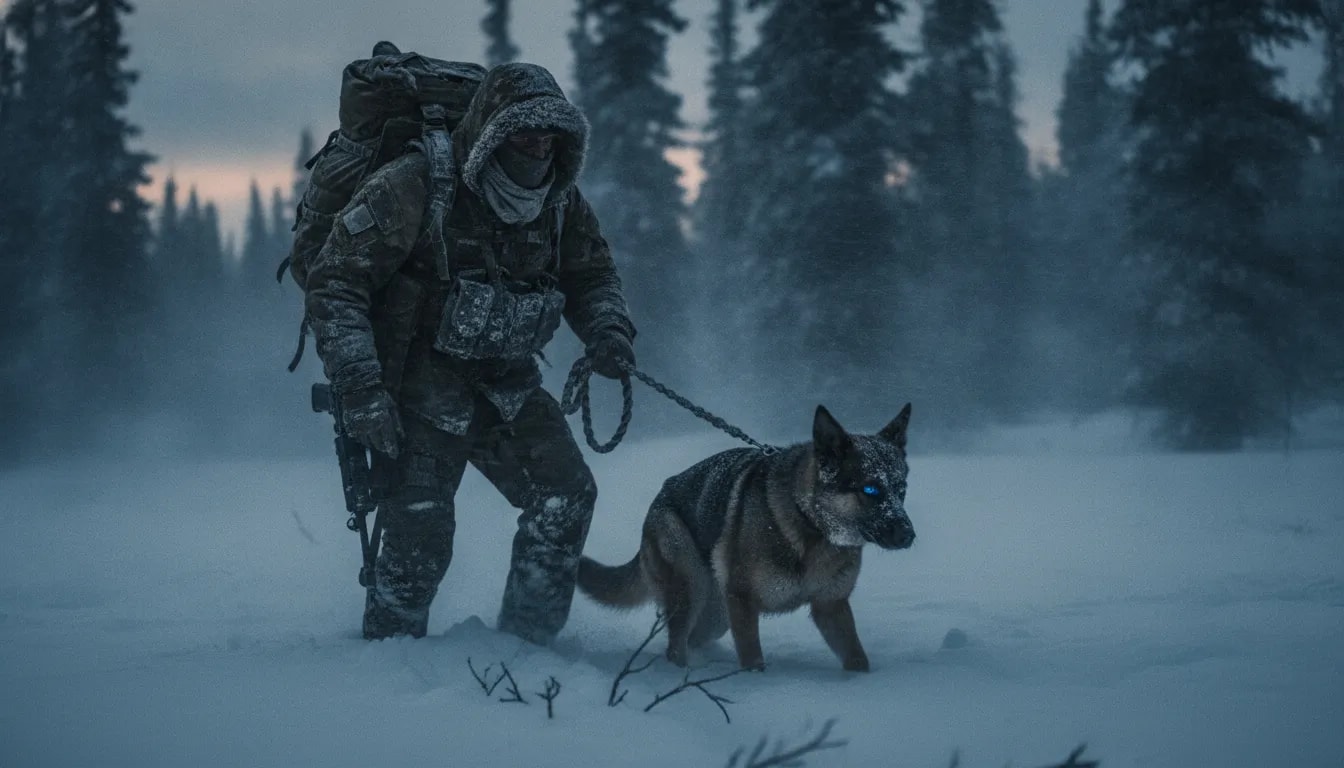
Heart of the Beast is not a story about finding comfort after disaster. It is about losing it completely.
After a plane crash strands Special Forces officer James Belmont and his combat dog, Odin, deep in the Alaskan wilderness, every decision becomes a survival decision. Cold water, rough terrain, isolation, injury, and the simple need to keep moving all become part of the fight to get home.
The goal was to make that struggle feel earned. Brad Pitt did not approach this as a performance built from the safety of a warm trailer. The work demanded the opposite: getting into the environment, getting inside the character, and accepting the discomfort that defines Belmont’s experience.
A Survival Story Built on Real Physical Hardship
The physical trials at the center of Heart of the Beast are meant to register as real because they were treated as real. Belmont is not simply placed against a scenic backdrop. He is wet, exhausted, cold, battered, and forced to navigate a landscape that offers no easy way out.
That commitment changes the character. Survival is not an abstract skill set when every movement costs energy and every mistake has consequences. Belmont has to keep his focus while protecting Odin, assessing the terrain, and finding a route through an unforgiving wilderness.
The relationship between the man and his dog is central to that pressure. They are not merely traveling together. They are relying on one another through their most difficult battle.
Training for the Details That Keep You Alive
Survival craft only works on screen if it holds up under scrutiny. That is why the production undertook extensive preparation with survival expert Leif Swenson, a SERE school instructor whose work includes training pilots and military personnel for real survival situations.
SERE training focuses on the skills needed to survive, evade, resist, and escape under severe conditions. In the context of this story, the crucial value is practical knowledge: how to stay alive when gear is limited, weather is working against you, and rescue is not immediate.
The preparation covered questions that can define whether someone survives outdoors:
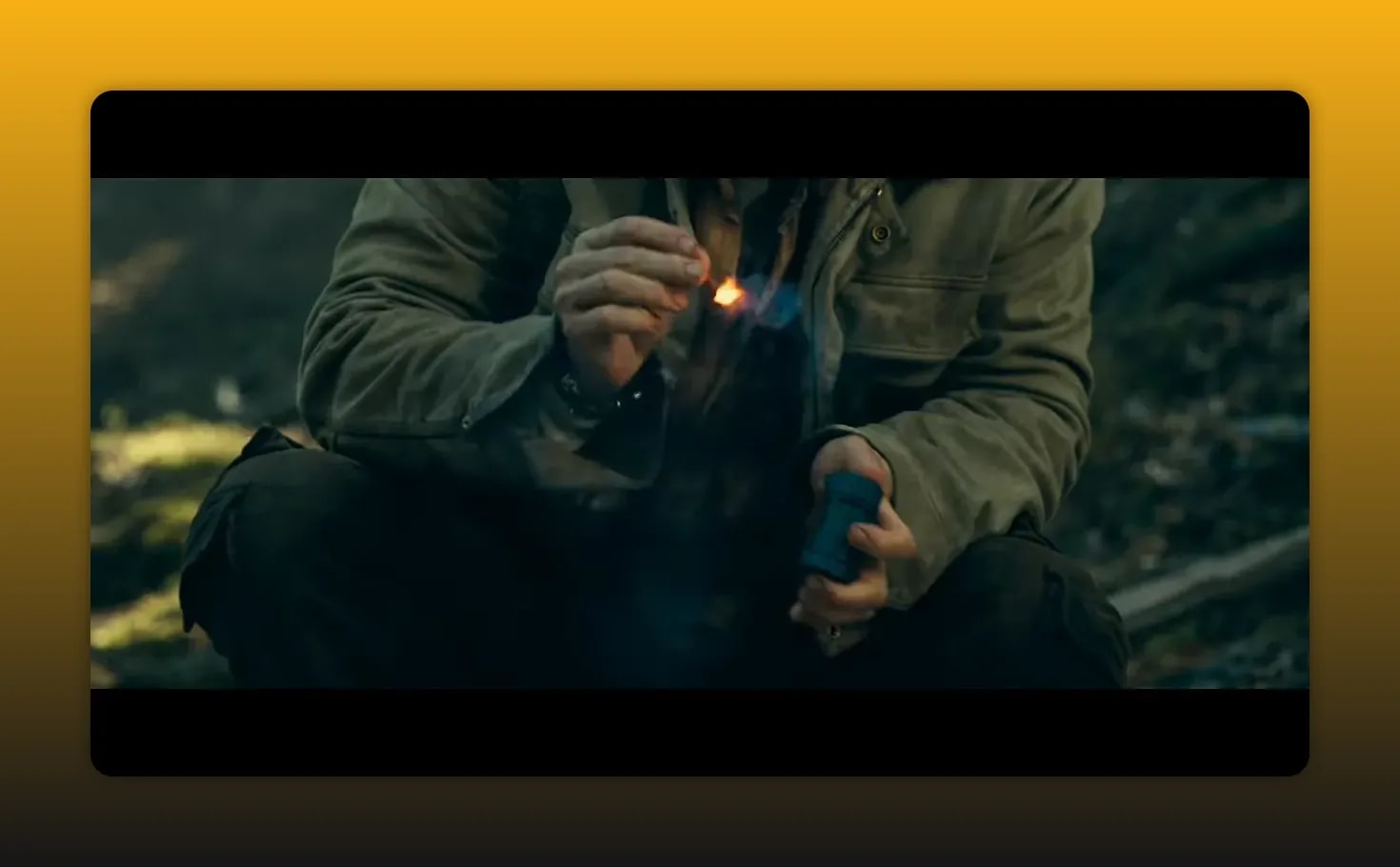
- How can you make fire in wet conditions without matches?
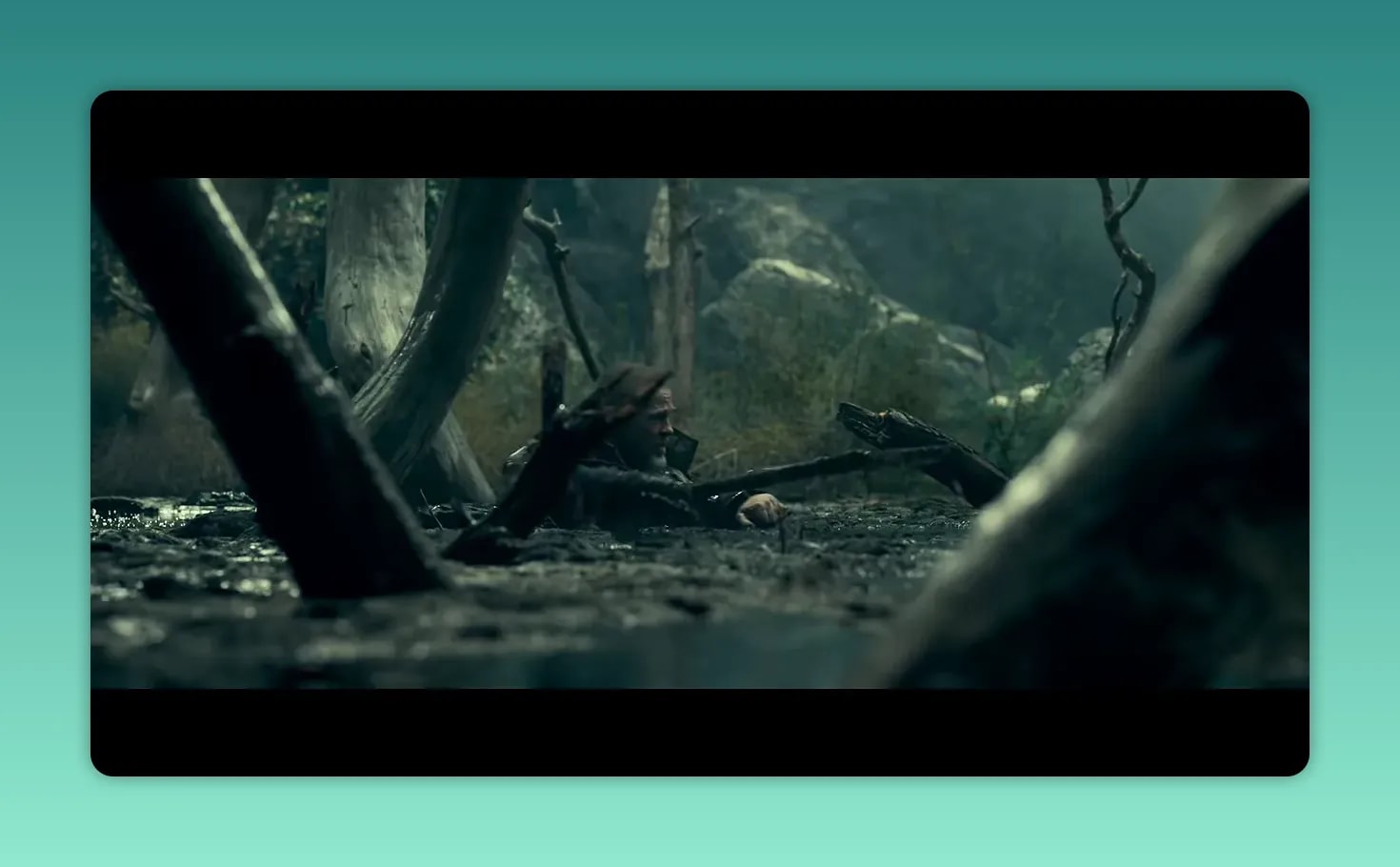
- How do you manage a dangerous river crossing or an uncontrolled trip downstream?
- What techniques reduce the risks of being driven into rocks and rapids?
- How do you orient yourself and continue moving when the environment is breaking you down?
These are not decorative wilderness details. They are procedures, choices, and habits that can preserve life. The survival techniques used in the film were designed to be accurate enough to meet the standard of serious military survival instruction.
Fire Is More Than Warmth
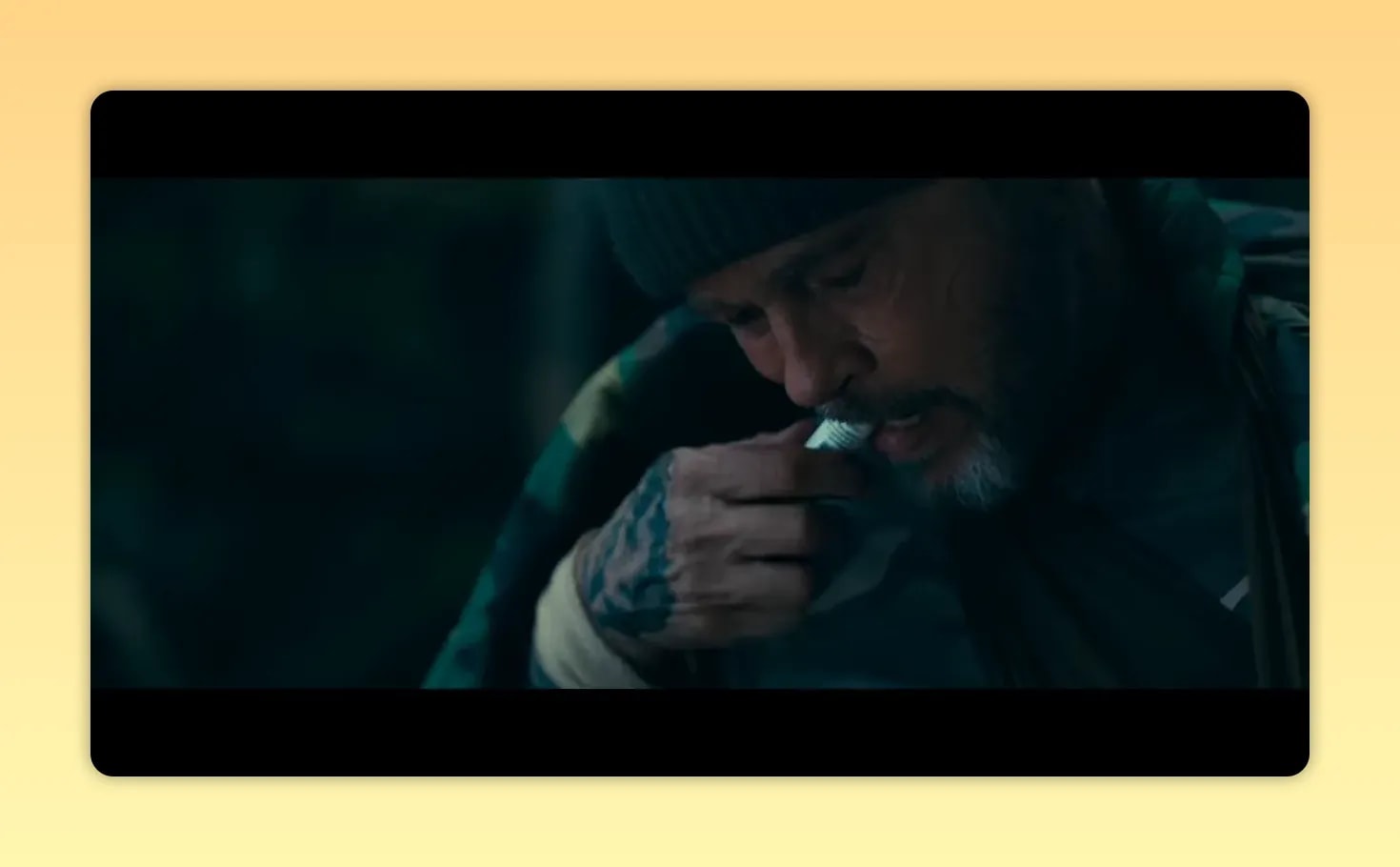
In a cold and wet wilderness environment, fire is not a luxury. It can provide warmth, light, a way to dry equipment, a means to signal, and an enormous psychological lift when conditions are starting to close in.
But building a fire in the rain is not as simple as striking a spark. The material has to be prepared, protected, and positioned correctly. A person needs usable tinder and fuel that can catch despite damp surroundings. The process demands patience, judgment, and an understanding of what the environment will allow.
For Belmont, that kind of knowledge becomes part of the character’s discipline. He is not surviving through luck. He is applying training under stress, when his hands are cold, his body is depleted, and failure has immediate consequences.
Running Water Can Become the Biggest Threat
A river may look like a route forward, but fast water can become a violent trap in seconds. The challenge is not only staying afloat. It is controlling the body, avoiding rocks, reading the current, and preventing panic from taking over.
When a person is swept downstream, the water dictates the pace. There is a technique to moving through that kind of danger, particularly when rocks and powerful rapids are involved. The sequence is meant to reflect the brutal reality of a survival situation where strength alone is not enough.
That realism matters because the water is not simply an action set piece. It is another expression of the world Belmont has entered: beautiful from a distance, merciless up close.

Navigation Means Having a Way Home
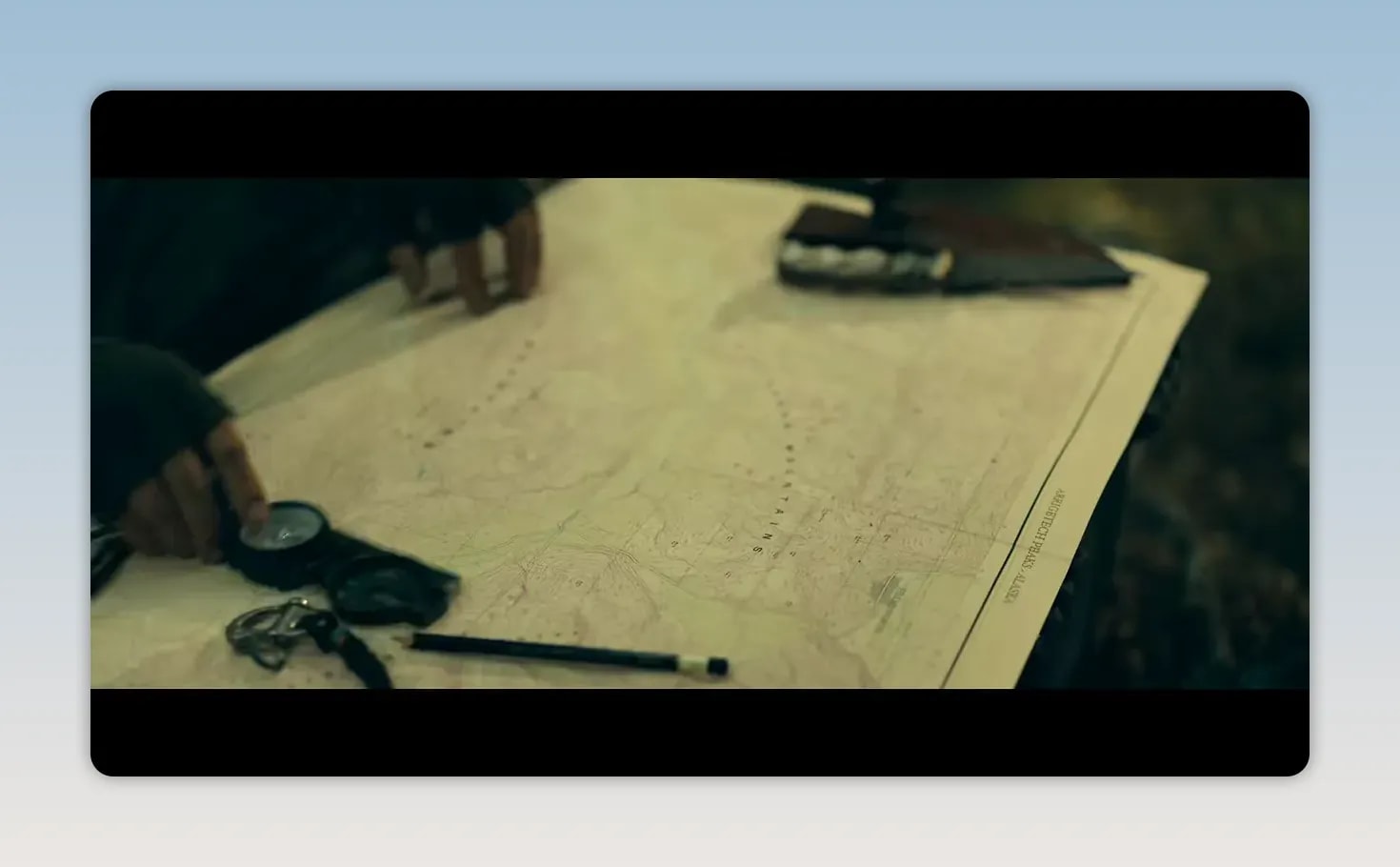
Being alone in the wilderness is not just about enduring the present moment. It is about maintaining a direction. Belmont is faced with a long journey and the need to get himself and Odin home through terrain that does not offer clear answers.
That requires more than determination. It requires the ability to assess a route, conserve energy, make use of the available landscape, and recognize when a choice creates greater danger. A map, a bearing, and a plan are meaningful only if they can be applied under real pressure.
Accuracy Was the Standard
The ambition behind Heart of the Beast was straightforward: make survival procedures credible enough that they could serve as an example in a military survival course. That is a high bar, and it reaches beyond making the action feel intense.
It means the craft has to make sense. The fire-starting has to be believable. The navigation has to be purposeful. The river survival has to respect the physical danger. The hardship has to leave a mark on the person experiencing it.
Belmont’s fight is built from that foundation. He is not protected from the elements. He has to live through them, one hard decision at a time, with Odin beside him and home still miles away.
The Heart of the Fight
The wilderness in Heart of the Beast is vast, cold, and indifferent. Yet the story is driven by a bond that refuses to break. A man and his dog are pushed beyond comfort, beyond certainty, and beyond the point where ordinary strength is enough.
What remains is survival training, instinct, resilience, and loyalty. In that world, getting home is not a promise. It is the mission.
Frequently Asked Questions
What is Heart of the Beast about?
The film follows Special Forces officer James Belmont and his combat dog, Odin, after a plane crash leaves them stranded in the Alaskan wilderness. Together, they must survive the elements and find a way home.
Did the film use real survival training?
Yes. The production prepared with survival expert Leif Swenson, a SERE school instructor who trains pilots and military personnel in real survival situations.
What survival skills are featured in the film?
The story includes practical survival craft such as making fire in wet conditions without matches, navigating rugged terrain, and surviving fast-moving water and rapids.


