
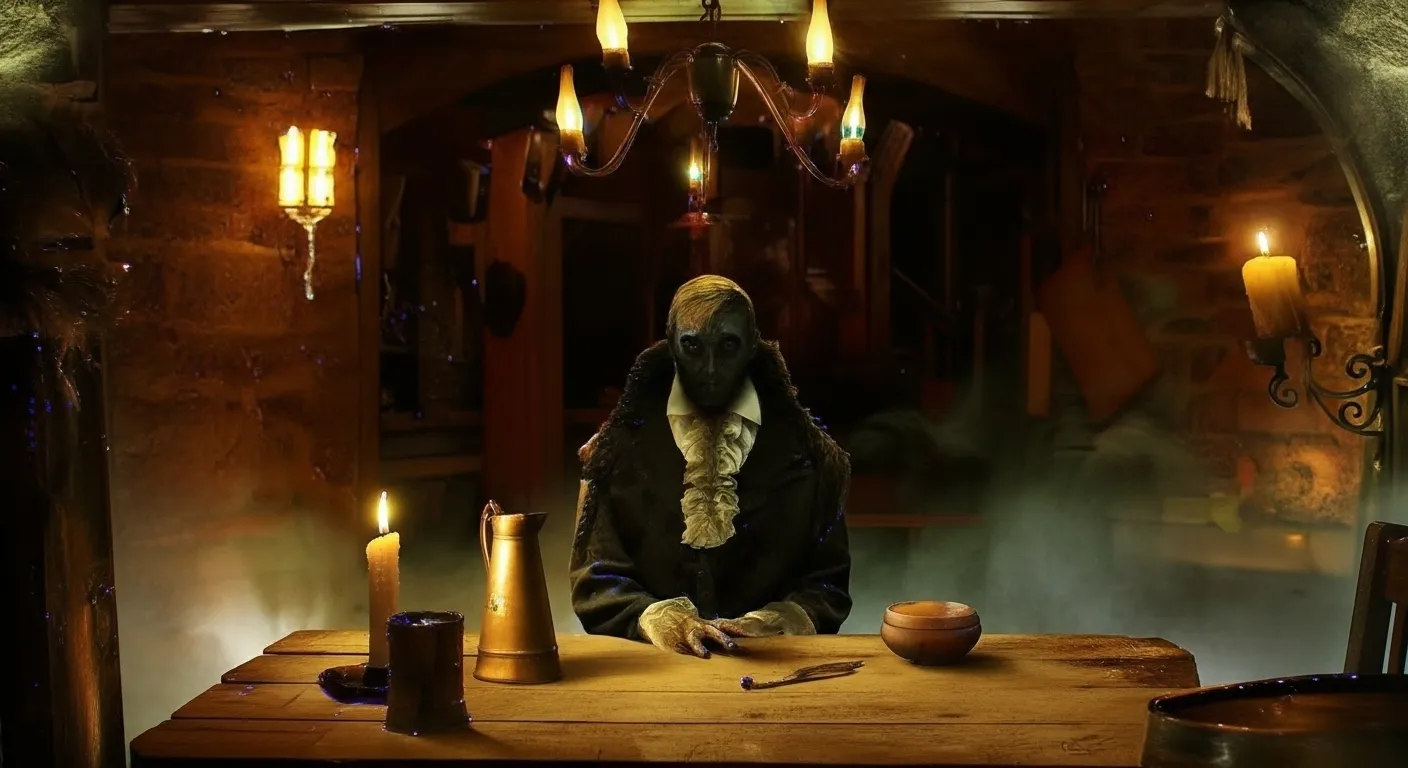
In the realm of dark fantasy, few debuts leave as resonant an echo as The Whisper that Replaced God (A Silent Duology Book 1). With its chilling premise and emotionally charged character work, this novel grips readers with the quiet intensity of its protagonist — Mute, an assassin bound by silence and loyalty.
But beyond the bloodshed and mystery lies something deeper: a meditation on faith, love, and the cost of devotion in a world where gods no longer speak.
This review explores the story, characters, and deeper meaning of The Whisper that Replaced God, offering a spoiler-free yet insightful look into this atmospheric fantasy.
A Spoiler-Free Look at The Whisper that Replaced God
The Whisper that Replaced God introduces readers to Mute — a masked assassin who serves the crown with devotion and deadly precision. Known as the “Silent God’s chosen one,” Mute kills swiftly and without a sound, his silence both weapon and curse.
His life is simple, if blood-stained, until his next contract strikes too close to home. A murder within the brothel he frequents threatens not only his reputation but the safety of Dorothy, the woman he loves. When loyalty to the crown collides with love, Mute faces the ultimate question: Who is he when the silence breaks?
This premise sets the tone for a novel that blends action, mystery, and emotional introspection — a perfect balance of shadow and soul.
The Core Plot — What Is The Whisper that Replaced God About?
At its heart, this novel is about identity and moral conflict disguised within a fantasy assassin narrative. Mute’s journey is one of unraveling — of seeing the cost of his devotion as the lines between god, crown, and conscience blur.

As Mute investigates the brothel murder, secrets emerge — about the crown, the faith he serves, and perhaps the “Silent God” itself. The deeper he delves, the more the world’s silence speaks of corruption, betrayal, and divine absence.
Key Characters You’ll Meet
- Mute — The assassin protagonist who never speaks but says everything through action. He’s stoic, loyal, and terrifyingly efficient, yet painfully human beneath the mask.
- Dorothy — Mute’s anchor to humanity. Working in the brothel, she represents everything pure in his dark world. Her vulnerability drives much of the story’s tension.
- The Crown — Not just a ruler but a symbol of control and blind obedience. Through the Crown’s orders, we see how institutions exploit faith and fear alike.
Together, these characters create a web of tension that fuels both the plot and the emotional stakes.
Analysis — The Major Themes of The Whisper that Replaced God
Silence and Identity
Mute’s silence is more than physical — it’s spiritual. It reflects how obedience and faith can mute individuality. His journey symbolizes breaking that imposed silence to rediscover one’s own moral voice.
Faith and the Absence of God
The “Silent God” isn’t just myth — it’s metaphor. The novel questions what happens when divinity becomes an excuse for violence, and when humans replace faith with fanaticism.
Love in the Shadows
Mute’s affection for Dorothy humanizes the otherwise cold assassin narrative. Their bond is fragile but deeply felt, grounding the novel in emotional realism.
Power, Guilt, and Redemption
The book explores the corrosive power of guilt — how one’s past deeds can echo louder than divine whispers. Every kill, every silence, every glance speaks of regret and unspoken redemption.
Answering Your Questions About The Whisper that Replaced God
Who is the author of The Whisper that Replaced God?
While the synopsis does not specify the author, the novel is part of A Silent Duology, indicating a planned two-part saga by an emerging voice in dark fantasy.
What is The Whisper that Replaced God about?
It’s a dark fantasy following Mute, an assassin whose latest mission forces him to confront love, loyalty, and divine silence when a murder strikes the brothel where his beloved works.
Who is Mute in The Whisper that Replaced God?

Mute is a silent assassin known as the “Silent God’s chosen.” His mask hides not just his face but his guilt, secrets, and longing for peace.
What are the main themes of The Whisper that Replaced God?
Silence, faith, devotion, identity, and the morality of service. The novel explores how belief systems can both sanctify and destroy.
Is The Whisper that Replaced God part of a series?
Yes — it’s Book 1 of The Silent Duology. The ending promises continuation, leaving readers yearning for Book 2.
Is The Whisper that Replaced God worth reading?
Absolutely. Fans of morally complex fantasy like The Poppy War or The Lies of Locke Lamora will find this story enthralling. It’s for readers who enjoy quiet intensity over flashy magic.
The Verdict — Is The Whisper that Replaced God Worth Reading?
The Whisper that Replaced God stands out as a dark fantasy debut that dares to whisper instead of roar. Its strength lies not in spectacle but in subtlety — in the tension between love and duty, faith and freedom.
It’s haunting, introspective, and elegantly written, offering more questions than answers — and that’s precisely what makes it unforgettable.
Who Is This Book For?
- Fans of dark, introspective fantasy
- Readers who enjoy assassin narratives with emotional depth
- Those who appreciate morally gray protagonists and slow-burn tension
- Lovers of poetic, atmospheric prose
If you crave fantasy that makes you feel as much as think, The Whisper that Replaced God deserves a spot on your shelf.


