

The moment The Most Fun We Ever Had was selected as a Reese’s Book Club Pick, it instantly became a literary event. Hailed as a “rich, complex family saga,” this novel doesn’t just chronicle a family’s life; it masterfully dissects the enduring, messy, and transcendent nature of love across generations.
If you’re looking for an insightful, emotional journey that reveals the heart of a modern American family, this comprehensive review of The Most Fun We Ever Had is your essential guide. We break down the core plot, analyze its major themes, and give you the final verdict on whether this ambitious novel belongs at the very top of your reading list.
A Spoiler-Free Look at the Novel’s Enduring Appeal
What gives this novel its power is its incredible scope. It spans nearly five decades, effortlessly weaving together the blossoming romance of Marilyn Connolly and David Sorenson in the 1970s with the chaotic present-day lives of their four adult daughters in 2016. This dual timeline allows the narrative to explore the essential question: Does the joyful ‘most fun we ever had’ truly justify the years of struggle and complexity that follow?
The author crafts a world where every character is flawed yet deeply relatable, turning the everyday events of a family’s life—marriages, careers, anxieties, and secrets—into a truly compelling study of human nature. This novel excels as a generational portrait, ensuring its enduring appeal for any reader who appreciates profound character work.
The Core Plot: What is The Most Fun We Ever Had About?
At its heart, the novel is a sweeping plot summary of the Sorenson family’s journey, focusing on the cracks that inevitably appear in even the strongest foundations. The story centers on the four radically different daughters of Marilyn and David, each navigating a state of personal unrest in 2016.
- The Sisters’ Crises: The eldest daughter, Wendy, is a recent widow who tries to soothe her grief with alcohol and ill-advised younger companions. Violet, a successful litigator, struggles with overwhelming anxiety and the self-doubt that comes with being a stay-at-home-mom. Liza, a newly tenured, highly neurotic professor, faces an unexpected pregnancy with a partner she’s uncertain about. Finally, Grace, the youngest and most aimless, is living a quiet, significant lie that her family is completely unaware of.
The entire structure of the family is rocked by the unexpected arrival of Jonah Bendt, a young man who was placed for adoption by one of the daughters fifteen years prior. His appearance forces the Sorensons to confront the long-buried family secrets and years of accumulated resentment and infidelity that lie just beneath their seemingly happy surface. This catalyst initiates a powerful, dramatic reckoning with the rich and varied tapestry of their past.
Key Characters You’ll Meet: The Sorenson Family
The main characters drive the emotional narrative:
- Marilyn Connolly & David Sorenson: The matriarch and patriarch, whose enduring yet complicated love story is the backbone of the book.
- Wendy: The grieving, complex eldest sister whose coping mechanisms threaten to unravel her life.
- Violet: The anxious over-achiever who epitomizes the modern struggle for balance between career and motherhood.
- Liza: The intellectual and conflicted middle sister who struggles to accept the unexpected turn her life has taken.
- Grace: The youngest, whose guarded secret is the most dramatic time bomb waiting to explode.
- Jonah Bendt: The fifteen-year-old whose presence compels the entire Sorenson family to confront its deepest hidden truths.
Analysis: The Major Themes of The Most Fun We Ever Had
The novel serves as an astute examination of several major themes, making it a fantastic source for book club discussion questions.
Love, Resentment, and the Illusion of a Perfect Marriage
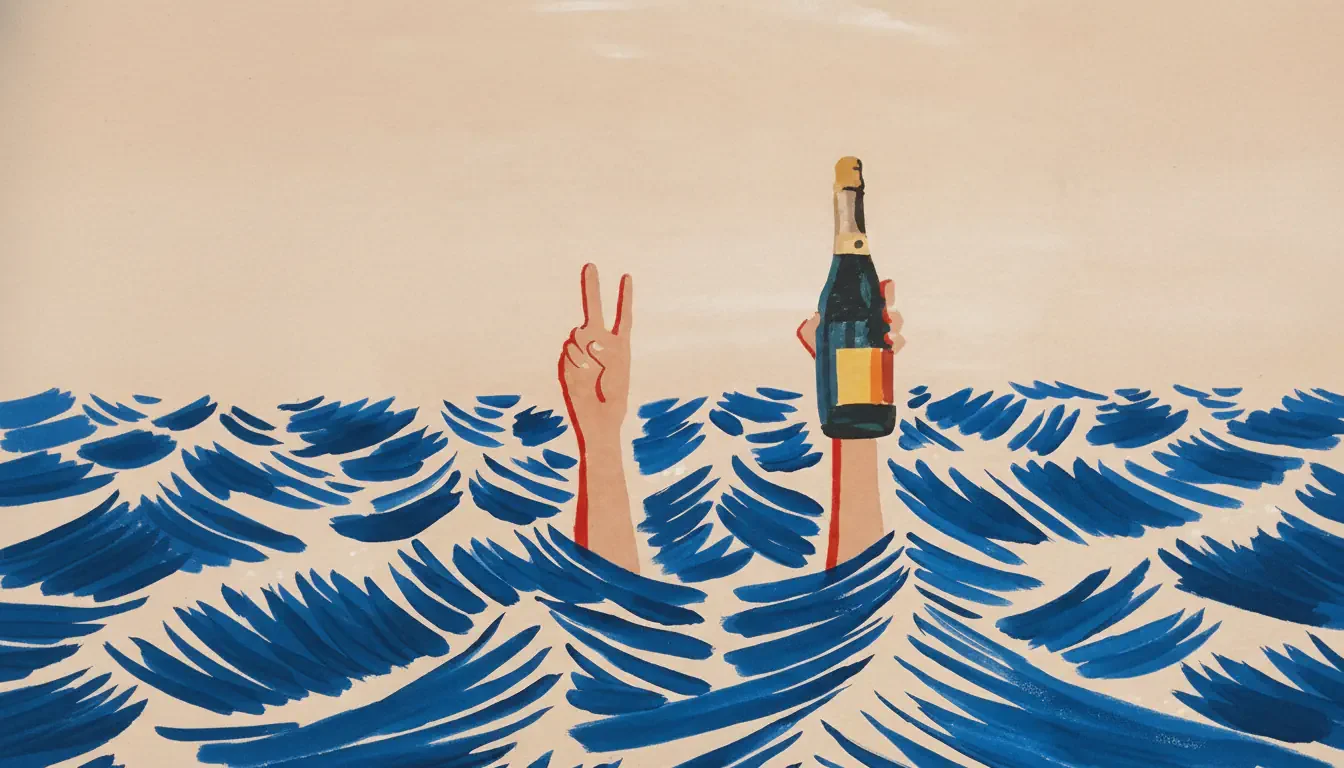
The core theme revolves around the marriage of Marilyn and David. The narrative juxtaposes their whirlwind, passionate early days against the messy reality of their life in 2016, a reality marred by years of unspoken infidelity and low-grade resentment. The book asks how much a marriage can withstand and whether the foundational joy is enough to excuse or overcome the subsequent betrayals. It is a deeply honest portrayal of parenthood and what it means to be partners for life.
The Enduring Weight of Long-Buried Family Secrets
The presence of Jonah Bendt is the physical manifestation of the most crucial theme: the lasting impact of long-buried family secrets. The adoption plotline is not just a dramatic device; it’s the fissure that allows the past to flood into the present. The novel meticulously details the nature of intergenerational trauma and how one decision, made in a moment of panic or crisis, can ripple outward to define the emotional landscape for an entire family decades later. The resulting tension highlights the complexity of sibling relationships under immense pressure.
Answering Your Questions: Book Club Discussion & Key Insights
We address the most common reader questions about this acclaimed novel:
Is The Most Fun We Ever Had worth reading?
Absolutely. The novel’s length is an asset, allowing for the deep, nuanced development of its many characters. It’s a profound, emotional, and satisfying read that provides a true sense of emotional payoff, making it one of the most compelling complex family saga novels of the decade.
What is the main plot and summary of The Most Fun We Ever Had?
The novel chronicles the lives of Marilyn and David Sorenson and their four adult daughters (Wendy, Violet, Liza, and Grace). The plot shifts between the family’s history, starting in the 1970s, and their volatile present in 2016. The catalyst for the present-day drama is the unexpected appearance of Jonah Bendt, a child given up for adoption fifteen years ago, which forces the family to face the cumulative weight of their long-buried family secrets.
Who are the main characters in The Most Fun We Ever Had?
The four Sorenson daughters—Wendy, Violet, Liza, and Grace—are the primary focus, alongside their parents, Marilyn Connolly and David Sorenson. The arrival of Jonah Bendt is the key secondary figure who drives the central conflict.
Is The Most Fun We Ever Had a sad book?
While the book deals with genuinely difficult and painful topics—grief, anxiety, infidelity, and loss—it is not purely a sad book. It is more accurately described as a deeply moving and honest one. It balances the years marred by resentment and adolescent angst with powerful, genuine moments of joy and transcendent love.
What are the major themes in The Most Fun We Ever Had?
The major themes include the endurance of a long-term marriage, the complexity of sibling relationships, the hidden impact of family secrets, the nature of parenthood, and the search for happiness and purpose in adulthood.
How does the adoption plotline with Jonah Bendt affect the Sorenson family?

The adoption plotline acts as a mirror, reflecting all the unspoken tension and half-truths the family has lived with. The unexpected arrival of Jonah Bendt forces the daughters, in particular, to face the consequences of their past actions and reveals the true depth of the family’s interconnectedness and shared guilt.
Why was The Most Fun We Ever Had a Reese’s Book Club Pick?
It was selected as a Reese’s Book Club Pick for its incredible emotional scope, its focus on complex female characters, and its ability to tell an epic, sweeping story about family—the kind of story that is both universally relatable and highly provocative for group discussions.
The Verdict: Is The Most Fun We Ever Had a Must-Read?
This novel is more than just a book review subject; it is a profound and emotionally intelligent piece of literature. The sheer skill with which the author handles the Sorensons’ timeline—alternating between the past and present—builds a narrative tension that is impossible to put down. It captures the essential truth that a lifetime of love and joy is often interwoven with profound difficulty and hidden pain.
If you are looking for a story that will stay with you long after the final page, one that sparks debate on everything from marriage to sibling relationships to the impact of long-buried family secrets, then the answer is an emphatic yes. The Most Fun We Ever Had is not only a must-read; it is one of the definitive family novels of the contemporary era.
Who is this Book for?
- Readers who enjoy sprawling, character-driven family sagas.
- Fans of literary fiction that deals with complex themes of marriage, sisterhood, and intergenerational trauma.
- Book club members looking for a lengthy, rich text with endless avenues for discussion.


