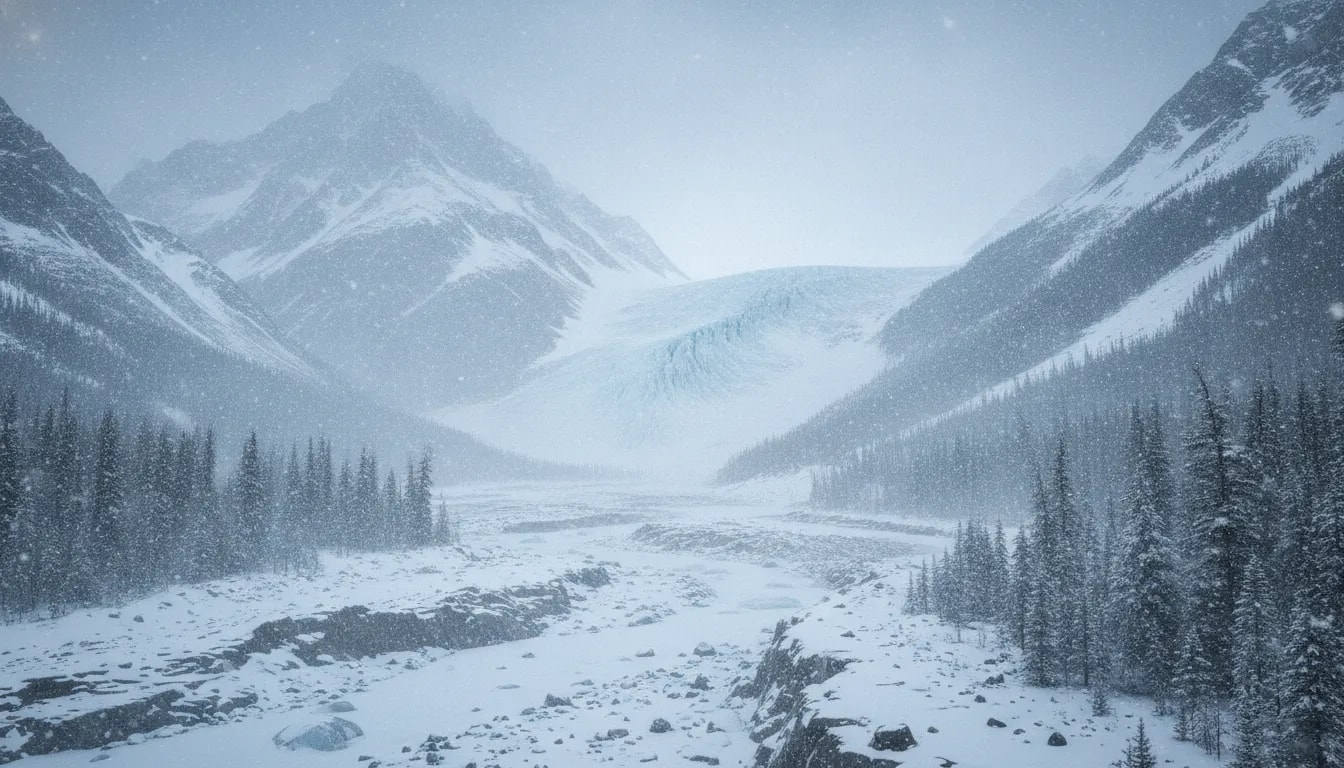
The wilderness is a character in Heart of the Beast. It is not a backdrop added to make the story look bigger. The mountains, glaciers, rivers, trees, and open valleys all carry their own presence. They are primal, expansive, and completely indifferent to the people moving through them.
That is exactly what this survival story needed. After a devastating plane crash, Special Forces officer James Belmont and his combat dog, Odin, are stranded deep in the Alaskan wilderness. Their fight is not only against physical danger. It is against the scale, isolation, weather, and force of the land itself.
A landscape too powerful to fake
We filmed in some of the most staggering countryside imaginable. Getting into glaciers and high mountain locations was incredibly challenging, but it gave us access to places that had never been filmed before.
Those locations bring something that cannot be manufactured. When mountains rise on every side, the environment seems to swallow you whole. A river valley can make a person feel tiny. A dark forest can feel enchanted one moment and threatening the next. That tension is at the heart of the film.
Nature becomes a canvas when you let it speak for itself. Rather than forcing the landscape to serve the story, the story can enter the landscape and let its textures, weather, silence, and scale shape every moment.
That approach makes the wilderness feel singular. The land, mountains, trees, river, and water do not read as separate elements. Together, they become one living force with its own voice.
From the Ozarks to the mountains
There is a personal connection to this kind of filmmaking. Growing up in the Ozarks meant spending a great deal of time outside, surrounded by deep forest, dramatic rock formations, and rivers. Those landscapes can make you feel at home and completely at peace.

But wilderness has another side. Its beauty is not soft or passive. In a mountain range, that peace can become something much more overwhelming. The same environment that offers awe can also create pressure, vulnerability, and fear.
That contrast is essential to Heart of the Beast. The natural world is beautiful enough to take your breath away, but it is also unforgiving enough to turn survival into a brutal, moment to moment struggle.
Filming under real conditions
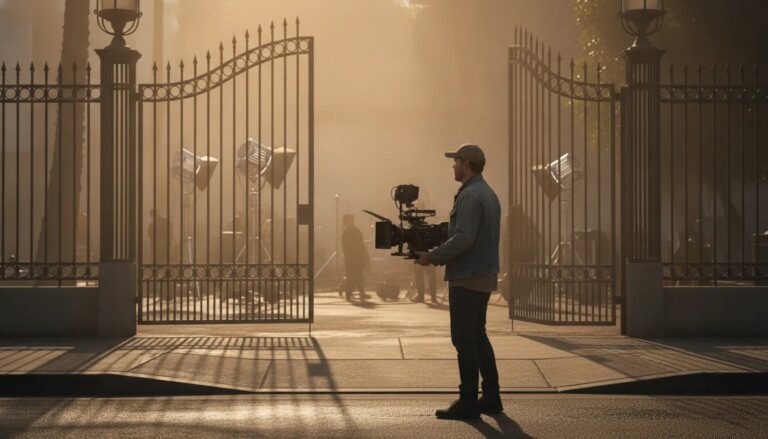
Being in these environments was physically demanding. The work did not stop because conditions became uncomfortable. Whatever weather arrived, the cameras kept rolling.
The crew hauled massive amounts of equipment through ravines, over hills, across rocky riverbeds, and into forest locations. Every shot required effort far beyond simply placing a camera in a beautiful spot. The scale of the production depended on people willing to carry the work into difficult terrain.
This is the kind of filmmaking where logistics become part of the creative process. A spectacular location only matters if the crew can reach it, protect the equipment, and still create a scene that feels immediate and alive.
The result is an experience that belongs to the place. The rough ground, cold water, dense woods, and towering peaks are not obstacles removed from the production. They are part of what gives the film its identity.
James Belmont and Odin against the elements
At the center of the story is the bond between James Belmont, played by Brad Pitt, and Odin. Stranded after the crash, man and dog have to keep moving, adapt to the land around them, and face the elements together.
That relationship gives the survival thriller its emotional core. The wilderness may be immense, but the story remains grounded in the connection between two companions who depend on one another when there is nowhere else to turn.

Odin is not simply along for the journey. The dog is part of the struggle, part of the danger, and part of the reason the story has heart. Against a vast and merciless setting, that connection becomes even more meaningful.
Why filming in the wild matters
There is something special about placing a story in a real natural arena. A forest has its own shadows. Water moves in unpredictable ways. Weather changes the light. Mountains create a sense of distance and scale that reaches beyond any single character.
Those elements give a survival story weight. The wilderness is not there just to be admired. It pushes back. It tests the characters. It makes each small act of endurance feel earned.
For everyone involved, this was the kind of experience that feels impossible to repeat. The combination of demanding locations, fearless crew work, and astonishing landscapes made it genuinely special.
Heart of the Beast arrives in theaters September 25
Heart of the Beast, directed by David Ayer and written by Cameron Alexander, is an intense adventure thriller about survival, loyalty, and the unbreakable bond between a man and his best friend.
For official updates and ticket information, visit the Heart of the Beast official website.
Frequently Asked Questions
What is Heart of the Beast about?
After a plane crash, Special Forces officer James Belmont and his combat dog, Odin, are stranded in the Alaskan wilderness and must fight to survive the elements together.
Who stars in Heart of the Beast?
Brad Pitt stars as James Belmont.
Who directed Heart of the Beast?

Heart of the Beast is directed by David Ayer and written by Cameron Alexander.
When does Heart of the Beast arrive in theaters?
The film arrives in theaters on September 25.