


Every film you choose to make is a promise. Not just to an audience, but to yourself. That promise can be about craft, about career trajectory, about visibility, or about change. If you are starting out or are several projects into a career, learning how to make that promise intentionally will save you time, energy, and regret. It also makes the difference between projects that burn you out and projects that sustain you.
Intentionality Is Not a Luxury — It Is a Strategy
When I began directing, like most people, I wrestled with two ideas at once: what I wanted to create and how to get noticed. Early ambition drives you to try everything — a glossy commercial here, a romcom there — because you want to show range, earn work, and avoid mistakes. But the truth I learned is simple: if you are overly strategic about the outcome, the work loses its life.
There is a difference between planning responsibly and trying to manipulate every opportunity into a badge of success. The former keeps a career steady; the latter stifles voice. You will learn far more and produce far better work by choosing projects that feel necessary to you rather than projects that feel like tactical moves on a chessboard.
“What kind of story do I want to tell and why am I telling it?”
That is the question that should lead every decision. It is not a neat checklist. It is a compass.
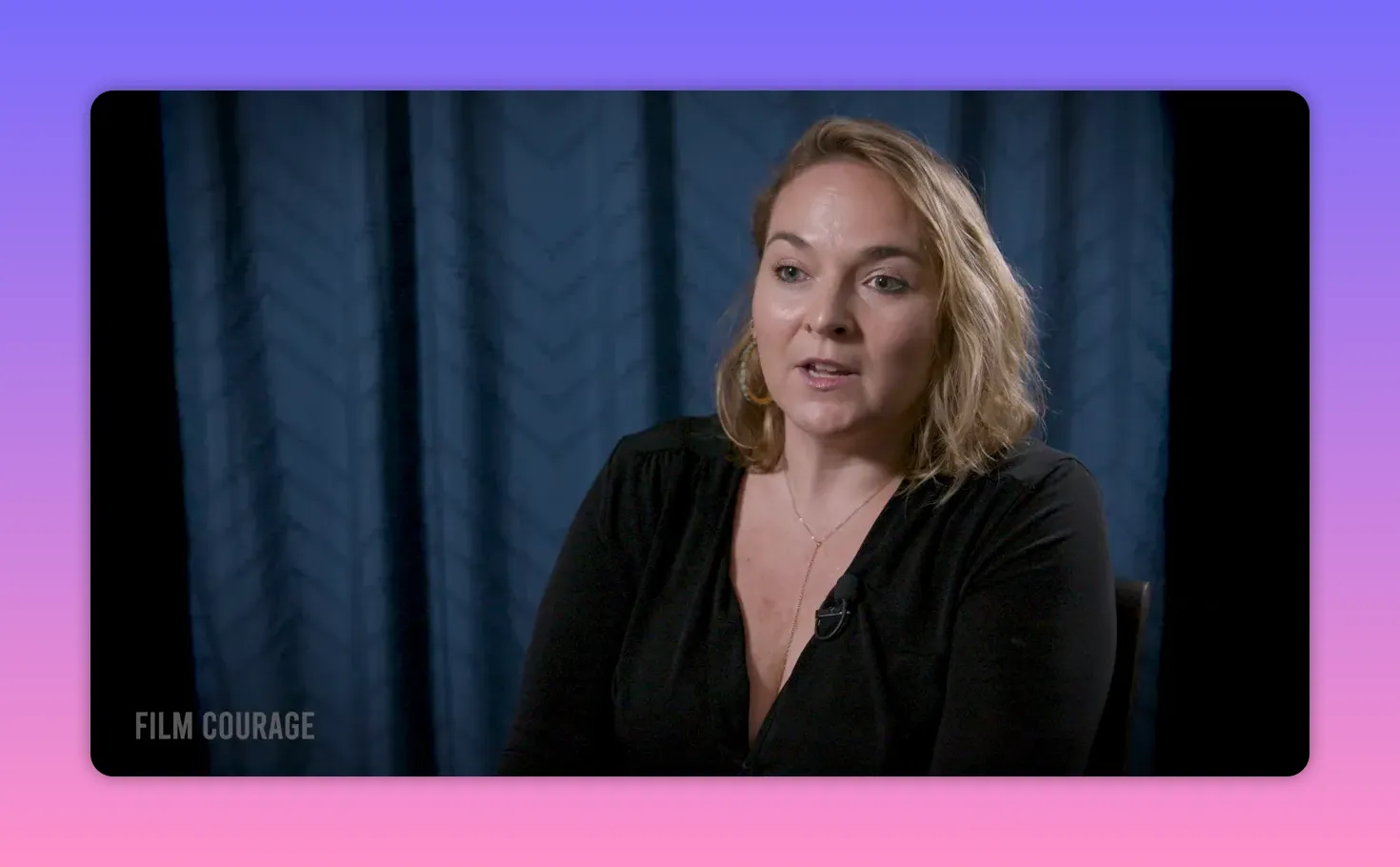
Finding Your Voice: Story Choices Shape Who You Become
For me, that compass pointed toward the kinds of stories that have roots in lived experience, historical resonance, and community. Time spent in Colombia and an early career in documentary informed not only how I make films but also which stories I want to live inside. Those experiences helped clarify what moved me and why.
Voice is not something you discover overnight. It reveals itself through repetition and refinement. The projects you are drawn to tend to share themes, tones, or questions. Lean into that overlap. Let pattern reveal your niche. If you are drawn to historical drama or films that highlight people who made a difference, that is meaningful data, not a limitation.
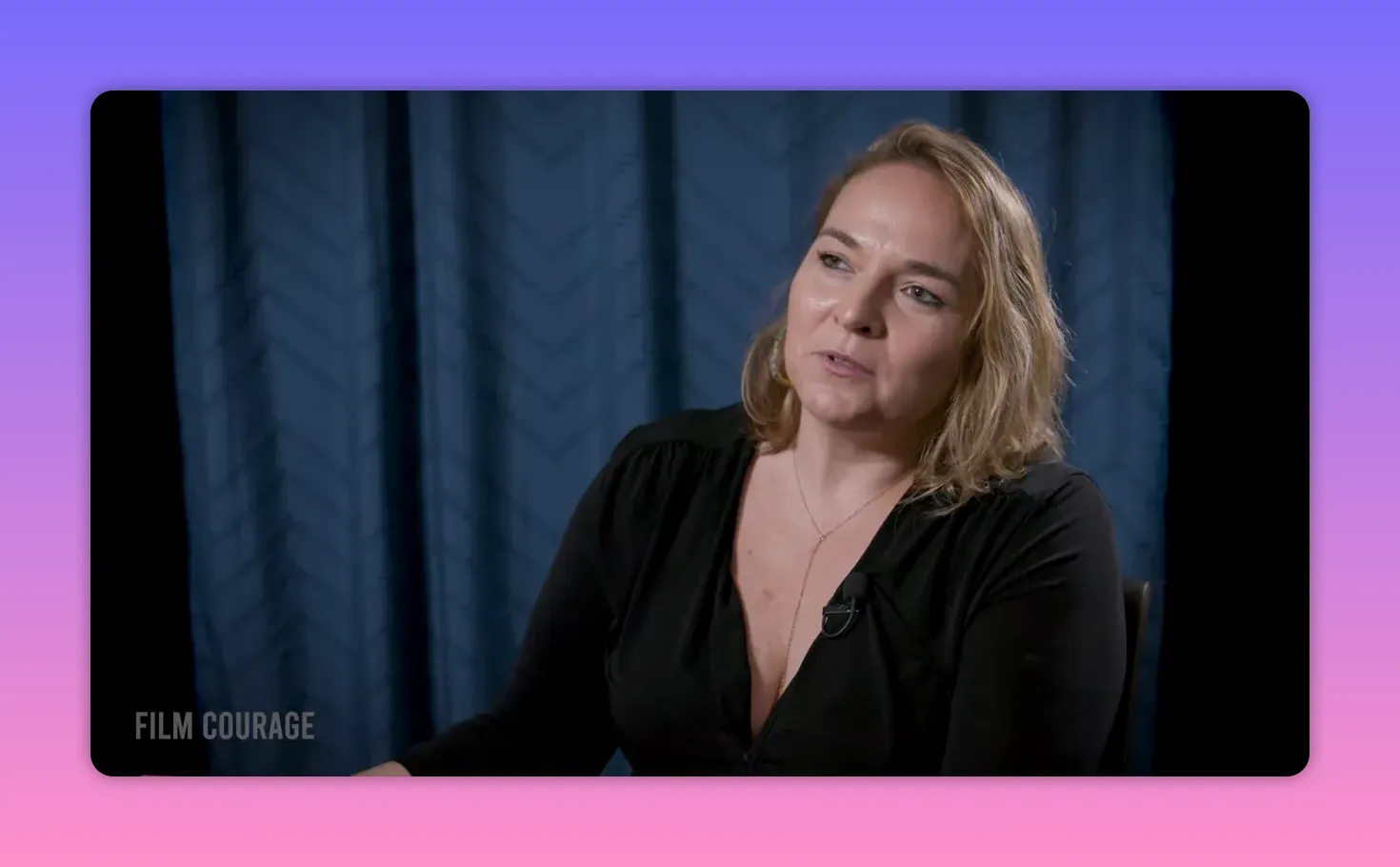
Why Alignment with a Project Matters

Working on an indie film is often the purest test of whether a project is aligned with you. Resources are limited, time is compressed, and every department is pulled in multiple directions. When energy is scarce, alignment becomes the fuel that keeps a production breathing.
- Alignment keeps you going. The passion behind a project is what animates you through long nights, tough notes, and budget constraints.
- Alignment sustains leadership. When the director or producer is deeply invested in the story, that clarity communicates to the team and helps everyone stay motivated.
- Alignment preserves quality. Passion brings attention to detail and a willingness to fight for nuance. Without it, corners get cut and the film flattens.
If you feel lukewarm about a script or concept, ask yourself what it would take to feel fully aligned. If the answer requires clear compromises to your values or voice, consider letting it go.
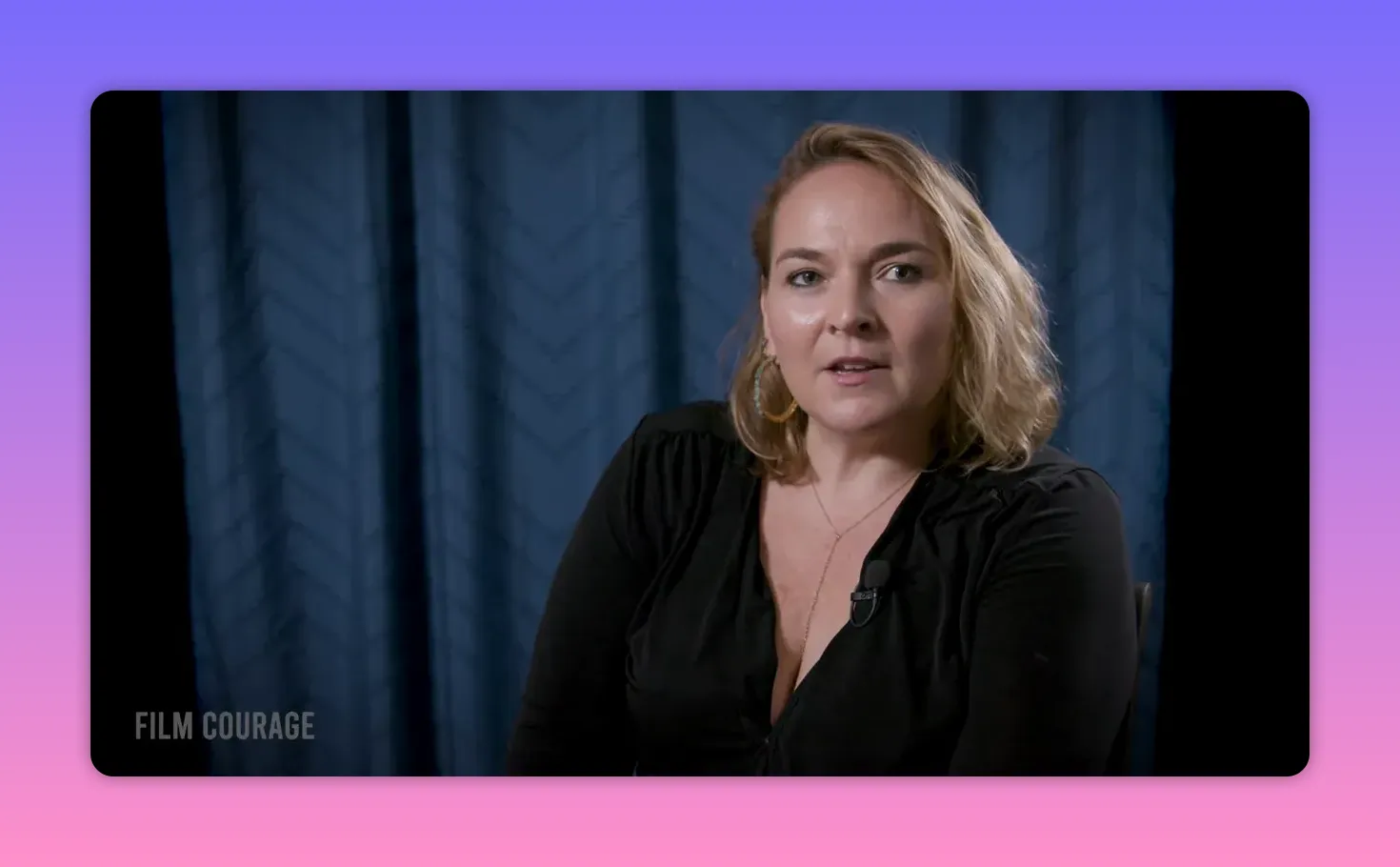
Tell Stories That Matter — The Case for Aspirational Film
Film is one of the most powerful cultural mirrors we have. It shapes aspirations, normalizes behavior, and seeds possibility. Because of this cultural power, the stories you choose to highlight matter. Choosing to tell stories about people who make a difference is not an act of moral superiority; it is a conscious use of the medium to model agency.
Seeing characters challenge the status quo helps a viewer imagine themselves doing the same. That is why many filmmakers gravitate toward projects that push society forward — not because drama must be didactic, but because cinema can be an aspirational tool.
That does not mean every project has to be uplifting. It means being intentional about the narrative you are amplifying and the impact you hope it will have.
Questions to Test Whether a Project Aligns with You
Before committing, ask yourself these foundational questions. They are not a strict formula, but they are a way to surface intuition and intention.
- Why does this story need to be told now?
- Why am I the person to tell it?
- What change, if any, do I hope the audience walks away with?
- Am I willing to push through the specific difficulties this project will demand?
- What personal risk am I taking, and why is it worth it?
These questions help you evaluate whether a project is strategically useful or vocally essential. A project can be both, but if it is neither, it will likely leave you exhausted and empty.
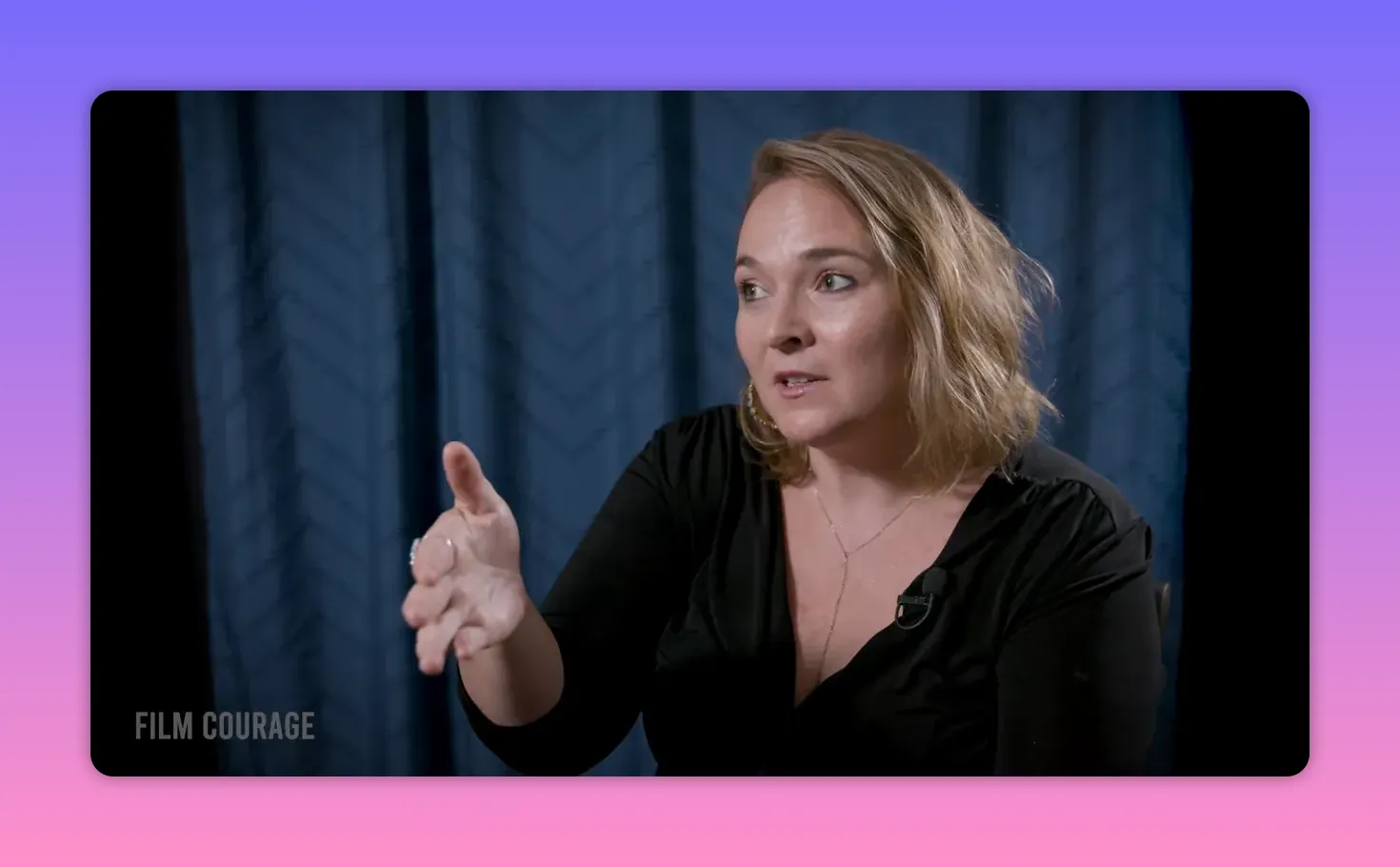
Working with Veterans: What Discipline Teaches About Set Life
Collaborating with veterans taught me more than technical rigour. It revealed how transferable military discipline is to production culture. The focus on hierarchy, respect for a chain of command, and an insistence on clarity of purpose translate into a set culture that executes efficiently.

Veterans bring:
- Singular focus. They know how to accomplish a mission and often move with efficient clarity.
- Attention to detail. Small errors can be costly; that mindset encourages meticulousness in props, choreography, and safety.
- Respect for hierarchy and communication. Clear lines of responsibility make it easier to coordinate complex sequences.
These qualities create a flow that benefits everyone. When you are coordinating recreations, battle scenes, or any sequence that requires exact timing, the organization veterans bring is invaluable. They also translate well into roles as tech advisors or actors because of their familiarity with procedure and discipline.
On Set Energy Versus Post-Production Fatigue
There is an intoxicating high to being on set. Everything moves quickly. You collaborate physically and emotionally with a group of people working toward a single, tactile goal. That energy is one of the reasons many people fall in love with filmmaking in the first place.
But the end of principal photography is often followed by a crash. Post-production can feel isolating. Editing requires long hours behind a screen, decisions that feel permanent, and fewer visible collaborators. It is a very different muscle from running a set.
Accept that this emotional swing will happen and build strategies to manage it:
- Plan transitional rituals between production and post to mark the change of pace.
- Bring key collaborators into the edit room early so post feels collaborative.
- Set realistic goals for post milestones to avoid feeling aimless.
Learning by Doing: Give Yourself Permission to Fail
Perfectionism is a career killer. Early-career filmmakers often fear making the “wrong” choice because stakes feel enormous. But the most meaningful lessons come from active trials. Failures are data; they are not indictments of worth.
Allow yourself to:
- Experiment with form and tone even if the results are uneven.
- Take on smaller projects to learn specific skills — lighting, blocking, working with actors — without betting your career on them.
- Reflect on what didn’t work and why, then iterate.
Every successful filmmaker has a trail of projects that did not land perfectly. Those projects taught them something essential. Protect your future self by investing in the short-term practice that builds long-term skill.
When Strategy Becomes Counterproductive

Being strategic is not bad. Understanding markets, building relationships, and positioning yourself are useful practices. Problems arise when strategy becomes the primary driver of creative choices. If every project is chosen only because it will check a box on a career checklist, creative intuition suffers.
Look for balance:
- Choose some projects for growth and exposure. Choose others purely for their creative or moral significance.
- Be honest about trade-offs. If a commercial job will fund the passion project you cannot yet secure, accept the trade-off with intention.
- Resist choosing projects solely on how they will be perceived. Instead, consider the work you will produce if you actually care about the material.
Practical Steps to Start Making Intentional Choices Now
Intentionality is a skill you can practice. Here are actionable steps to build that muscle.
1. Create a Story Compass
Write a short manifesto that outlines the kinds of stories you want to tell and why. This does not need to be rigid. Think of it as a personal mission statement that you can revisit every six months.
2. Audit Your Past Projects
Look at your last five projects. Which ones energized you? Which ones drained you? Identify the patterns in subject matter, collaborators, or production environments that correlated with positive outcomes.
3. Build a Two-Track Career Plan
Maintain a split approach: one track for projects that build visibility or pay the bills, the other for passion projects that develop your voice. Revisit allocations annually and adjust based on where you want to grow.
4. Ask Deeper Questions During Development
When reading a script or meeting a writer, ask: Who is changed at the end? What is the emotional through-line? Why are we telling this now? If you cannot answer these, you probably should not lead the project.
5. Bring Stakeholders into Your Intention
When you hire a team, set the creative intention clearly. Share the story compass. A shared intention aligns departments and helps everyone make choices that support the story rather than undermine it.
6. Use Advisors Strategically

Every project benefits from expert advisors — whether veterans for combat accuracy, historians for period detail, or community members for cultural authenticity. Advisors accelerate accuracy and deepen story credibility. Treat them as collaborators, not decorators.
7. Plan for the Post-Production Blues
Schedule small celebrations at the end of each production phase. Reserve a few days off between production and editing. Invite collaborators into the edit room to maintain the communal energy of the set.
Leading a Set with Purpose
Leadership on set is not just about authority; it is about creating a space where the team can do their best work. When you are passionate and intentional, that energy informs how you lead. A few practical leadership habits:
- Communicate the why. If people understand the purpose behind a scene, they will make better creative choices.
- Model urgency and compassion. Discipline matters, but people perform better when they feel respected.
- Delegate with clarity. Give department heads the latitude to solve problems within clear boundaries.
- Celebrate small wins. Acknowledge progress publicly to maintain morale.
Film sets are pressure cookers. Intentional leadership converts pressure into creativity rather than chaos.
How Historical Material Demands Different Preparation
When you work with historical drama or true story material, preparation looks different.
- Archival research is foundational. It informs wardrobe, language, behavior, and the emotional truth of scenes.
- Consult specialists early. Historians, military advisors, and cultural consultants should be involved from development through post.
- Location knowledge matters. Shooting in places with cinematic histories — for example, sets used in prototypical films of an era — affects visual language and audience expectation.
It is not enough to recreate the past; you must translate it into an emotionally truthful present-tense experience for the audience.
When Collaboration Becomes the Craft
One of the most consistent sources of joy on set is collaboration. Film is a team sport, and when everyone is aligned around an intention, the work becomes greater than the sum of its parts.
Encourage collaboration by:
- Inviting department heads into story conversations.
- Using rehearsals as creative labs rather than merely checklists.
- Creating mechanisms for safe feedback and iteration.
Collaborative sets feel alive. They also make it easier to navigate the inevitable problem-solving that emerges during production.
Stories That Move Culture Forward
Choosing to tell stories about people who make a difference is an intentional use of cultural influence. That choice does not imply moralizing. Instead, it is an investment in visibility — showing possibilities and models of courage.
When deciding whether to tell such a story, consider:
- Will this story broaden what audiences imagine is possible?
- Does it highlight agency in a way that invites imitation rather than pity?
- Is the telling honest and complex, avoiding simple hero-worship?
Stories that push society forward are often nuanced and uncomfortable. They require honesty about trade-offs and consequences. That is what makes them enduring.
Career Wisdom That Matters
A few distilled lessons that I return to often:
- Make choices driven by curiosity and compassion, not fear.
- Prioritize learning over immediate validation. The skills you build will compound.
- Respect the rhythms of collaboration. A set is a living organism; nourishment matters.
- Protect your voice. If you cannot articulate why a project matters to you, it probably will not matter when the hard decisions come.
How do I know if a project is truly aligned with my voice?
Ask yourself why this story matters to you personally and whether you can imagine working on it through the hardest parts of production. If the answers feel urgent and specific, you are likely aligned. If the attraction is primarily external — prestige, perceived commercial value, or a check on a career box — you may not be aligned.
Is it risky to avoid commercial work early in my career?
There is always risk in any career path. Avoiding every commercial opportunity can slow visibility, but it can also preserve creative development. A balanced approach tends to work best: take some strategic commercial work to fund and build relationships while dedicating time to passion projects that develop your voice.
How do I collaborate effectively with veterans or other advisors?
Start by listening. Value their expertise and integrate it into development. Clarify roles and respect their protocols, especially around safety and technical matters. Treat advisors as partners, not props, and give them room to contribute meaningfully to creative decisions.
What can I do to avoid the post-production slump?
Plan for it. Build transition rituals, invite collaborators into the edit early, and schedule small celebrations to offset the drop in adrenaline. Establish clear post milestones to maintain momentum and keep the team engaged.
How do I balance strategic career moves with authentic storytelling?
Use a two-track plan: one track for visibility and income, another for voice and meaning. Be transparent with yourself about trade-offs and allocate time and energy to both. Reassess annually so your plan evolves with your goals.
How do I lead a set with intentionality?
Communicate the why behind creative choices, model discipline with compassion, delegate clearly, and celebrate progress. Intentional leadership creates a culture where the team can solve problems creatively and deliver a film that aligns with your vision.
Is failure really necessary for growth?
Yes. Failure provides feedback that success rarely does. Use small projects to experiment, reflect on what you learned, and iterate. Failing in a controlled way teaches resilience and sharpens your craft.
Final Thoughts
Time is the currency of a filmmaker’s life. How you spend it — on what stories, with whom, and for what purpose — determines the arc of your career and the legacy of your work. Intentionality is not an abstract virtue; it is a practical discipline. It helps you choose projects that sustain you, lead teams well, and create stories that mean something beyond the runtime.
Be deliberate about the stories you sign up to tell. Learn from collaborators who bring discipline and attention to detail. Give yourself permission to fail and to learn. And when the adrenaline fades, set up systems that protect the momentum you built on set. Over the long haul, those choices add up to a body of work that is both true to you and meaningful to others.


