


There is a growing friction point in the film ecosystem: platforms that prize broad advertiser safety are quietly squeezing the life out of horror. Violence, strong language, nudity and boundary-pushing imagery—those staples that make horror work—get demonetized or banned on mainstream ad-supported sites. The consequence is painfully simple: independent horror filmmakers struggle to monetize short-form work, festival darlings, and mid-budget features that advertisers deem risky.
I helped build a different kind of platform designed to put horror back at the center of its community and to create a fair, transparent way for creators to get paid. The idea is deceptively simple: combine the ease of uploading and monetizing that creators love about large video sites with the curation and audience trust of specialty streamers. The result is a horror-first streaming service that treats creators and fans like peers, not as separate markets.

What this platform actually is
Think of a hybrid between a niche streamer and a creator-first video platform. It supports subscription and advertising models, lets creators upload their content quickly, and uses modern tools—AI for tagging, audience matching and dubbing—to help films find their audience. Uploading can be done in about ten minutes. Creators can start earning immediately. The platform already hosts thousands of horror titles and is designed to give shorts, festival films and indie features a longer, monetized shelf life.
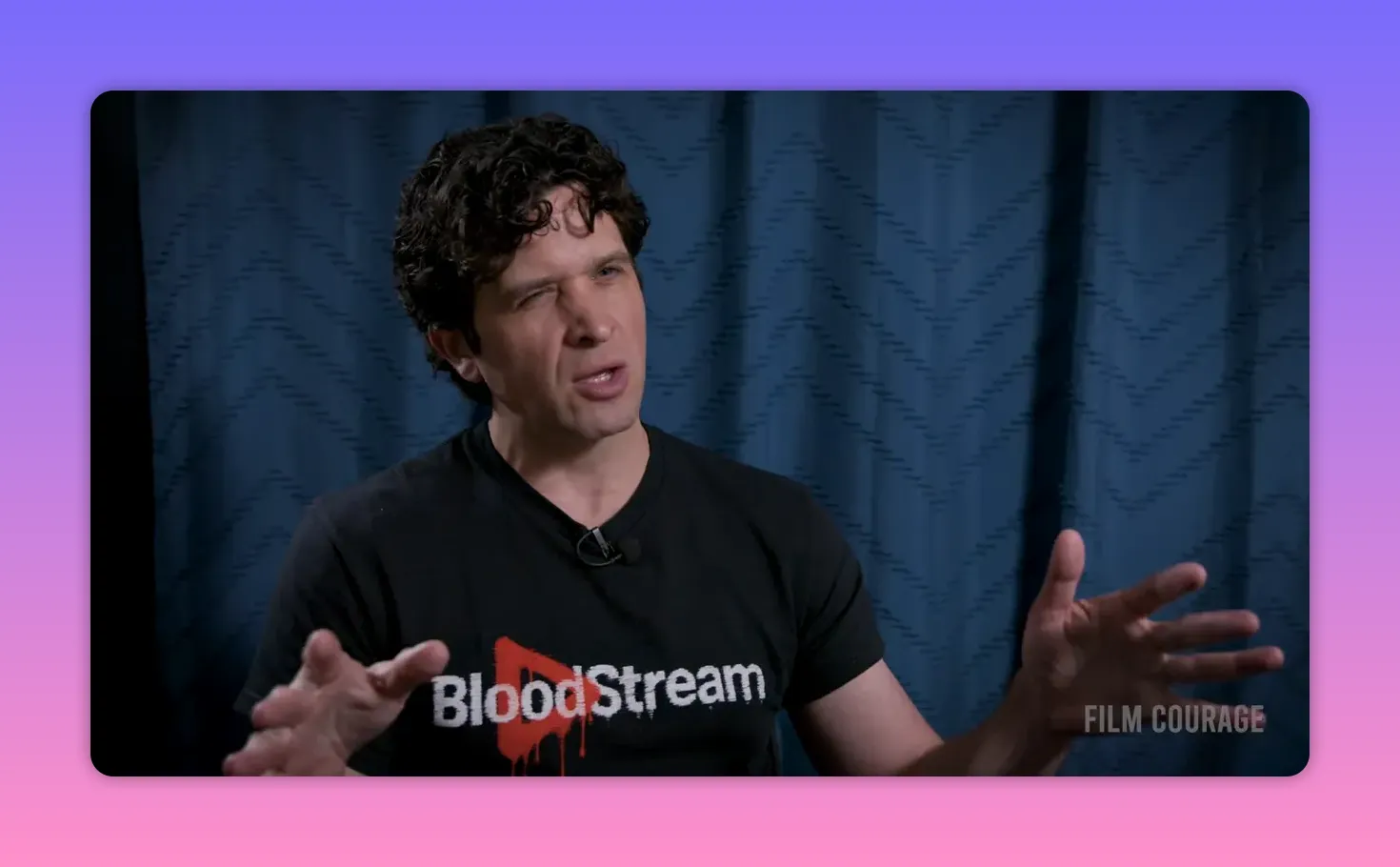
“When we say it’s the YouTube for horror, we don’t mean makeup tutorials. We mean it’s as easy as uploading a video to YouTube and monetizing right away.”
That sentence captures the intent: an easy-to-use uploader and instant monetization, but built for horror. There is room here for everything from micro-shorts and verticals to full-length features, curated collections and archival DVD-style releases with commentary and deleted scenes.
Why horror needs its own home
Large platforms increasingly prioritize advertiser friendliness. Once Netflix introduced ads and other giants followed, many content categories felt the squeeze. For horror that means legitimate, artistically driven work can be demonetized or excluded because it makes advertisers uncomfortable. The effect is twofold:
- Creators lose revenue streams for short films and mature-feature content.
- Audiences in smaller markets lose legal access to films being shown on limited theatrical runs, increasing piracy and diminishing creators’ returns.
Horror fans are unique: they are also creators, festival programmers and the people who keep the genre alive long after opening weekend. A platform that recognizes that overlap by rewarding creators and making content discoverable is not just a convenience. It is a necessary correction to the distribution problem.

Core features creators care about

When you build a service for creators, different expectations follow. Here are the features carved specifically with filmmakers and horror communities in mind.
1. Fast, simple uploads and immediate monetization
Uploading should not be a day-long technical slog. The process is optimized so most creators can upload a file, add metadata, set visibility and choose monetization options in about ten minutes. After an automated checks pass, content becomes available on the ad tier and the subscription tiers as applicable.
2. AI-driven publishing and audience targeting
Metadata, tagging and recommendation engines are often the difference between a film that finds an audience and one that never gets noticed. The platform uses AI to analyze content—tone, themes, visual style—and match it to potential audiences. The AI helps with keywording, suggestive tagging and even identifying vertical cuts or short-form moments that are likely to perform as shorts.

3. Fair revenue split and democratic payment model
Revenue is split 50/50 across ad revenue and subscription-based income. Payments are calculated based on minutes watched instead of blunt metrics like having an arbitrary threshold for payout. That means every minute your content is viewed contributes proportionally to creators’ earnings. The pay-by-minute approach makes the revenue share more equitable for shorts, long-form features and everything in between.

4. Technical quality control without creative interference
All accepted content goes through a QC pass. This is about signal, not style. QC checks audio levels (stereo versus 5.1), black levels, compression artifacts, and whether the file meets playback standards for TVs and streaming devices. The platform will not re-edit creative content without your consent. If filmmakers ask for feedback during post production, that is a different conversation. But the QC exists to protect viewing quality and to ensure your work sits comfortably alongside other titles on living room TVs.

5. Localization with AI dubbing
International markets are critical to a film’s long tail, but costly localization has historically been a barrier for indie releases. The platform’s parent company invested in AI dubbing, enabling efficient translation and dubbing into multiple languages. With reduced localization costs, catalog titles can reach countries that previously had no legal access, opening additional revenue streams and growing global fandom.
6. Multi-device presence and theatrical partnerships
The content is accessible on popular smart TV platforms, streaming devices and consoles. There are also active partnerships with cinema chains that allow subscribers to access theatrical screenings. When a subscriber watches a film through the app instead of visiting a nearby theater, filmmakers receive compensation equated to a theatrical admission—often higher than the revenue they would get via traditional festival-only release because the platform avoids DCP and physical distribution costs.

Business model explained: AVOD, SVOD and the pricing ladder
Multiple revenue streams increase resilience. Here is how the financial architecture works.
- AVOD — Free, ad-supported access. Most titles appear here so the catalog remains discoverable and accessible to fans unwilling to subscribe.
- SVOD basic — An ad-free tier at a moderate monthly fee. It includes access to premium content not available on the free tier. This level is priced competitively to attract superfans.
- SVOD premium — A higher-priced tier slated to include early access to certain releases and direct benefits tied to cinema partnerships. This tier will launch after the initial platform rollout and is intended to provide added value to heavy consumers while directing better returns to filmmakers.

Initial rollout pricing is structured to be competitive and transparent. The ad-free subscription sits at a consumer-friendly price point. The upcoming premium tier is priced higher because it includes access to films running in partner cinemas and early-access content, which carries higher payout obligations to filmmakers and cinemas.
Who can join, and what content is allowed
Anyone over 18 can create an account and start consuming content on the free ad-supported tier. Creators can sign up, confirm rights ownership or distribution permissions, and upload. The platform is explicitly focused on horror content—features, shorts, experimental pieces, documentaries about the genre, archival releases and even DVD-style extras with commentary. There is a strong preference for preserving creators’ artistic intent while maintaining playback quality and compliance with legal and rights requirements.
The backend engine: an aggregator built for modern distribution
At the technical core lies an aggregator and distribution engine that handles rights management, delivery, QA, reporting, payments and residuals. This is not a superficial content management system. It is a full-distribution stack designed to operate as the backend for other distributors as well, enabling the company to act as a distributor behind the scenes for several clients and release dozens of titles per month.

That backend lets a small, focused team scale: the parent operation releases between 10 and 20 films per month and supports channels in different markets and verticals. By cutting out middlemen and automating many manual workflows, more of the revenue can flow back to rights holders.
Types of content that thrive on a horror-first service
Some formats have been neglected by larger platforms simply because their monetization strategy does not fit traditional ad models. A horror-first platform is suited to:
- Festival shorts and micro-shorts — Many festival shorts have no post-festival home. Monetizing them extends their lifespan beyond the festival circuit.
- Vertical content and social-native cuts — Vertical formats that work well on mobile can be monetized without forcing creators to choose between a festival cut and a social cut.
- Archival and specialty releases — DVD-style streaming with extras like audio commentary, deleted scenes and behind-the-scenes features appeals to collectors and superfans.
- Features that are too edgy for mass platforms — Boundary-pushing titles that get limited ad interest still have strong fan demand among genre audiences.
Concrete examples and market signals
Some films that found a home on major platforms earlier in their lifecycle might not be as welcome today. A film that once sold to a large streamer may not pass modern ad-friendly thresholds, yet there remains a robust fan demand. The platform is positioned to absorb such titles and give them a new lease on life—legally, transparently and with creator compensation aligned to true consumption.
Practical tips to maximize earnings on a horror-first platform
Building a profile and release strategy tailored to a horror-centric audience can materially increase your earnings. Below are practical recommendations shaped by how platforms like this work.
1. Optimize technical quality early
QC issues are the most common reason for delayed releases. Make sure your final deliverables meet standard technical specs: correct audio levels, proper color grading and adequate bitrate for HD and 4K playback. Passing QC quickly keeps your title live and earning sooner.
2. Treat metadata like marketing

Title, synopsis, tags, genre placement, and subtitles are discoverability engines. Use clear, genre-specific keywords, list comparable films that will help the algorithm place you among likely viewers, and provide multiple loglines—one short and punchy, one a slightly longer synopsis for catalog pages.
3. Leverage short-form moments
Identify vertical-friendly or short-form moments from your feature or anthology. The platform’s AI can help spot these, but creators who come prepared with clips and vertical edits will get traction faster. Shorts extend reach and drive traffic back to the full-length title.
4. Localize strategically
Use AI dubbing and subtitling to localize into strategic languages. Prioritize markets with strong festival or genre communities, like Brazil, Spain and other Latin American territories. Localization increases watch minutes and opens new revenue paths.
5. Use the platform’s community tools
Participate in curated collections, comment threads and any available creator-fan interactions. Horror fans love extra content—director’s commentary, behind-the-scenes footage, Q and A sessions—and the community will reward creators who engage.
6. Plan for theatrical-plus streaming
If you plan a limited theatrical run, consider the platform’s cinema partnerships. A subscription tier that gives fans access to theatrical screenings changes the monetization math—it hedges against piracy and ensures that fans who can’t attend a screening still pay into a system that compensates filmmakers roughly as if they had a ticket sale.
How revenue is calculated: transparency and fairness
Revenue is divided by minutes watched. That method removes arbitrary thresholds and means shorts get fair credit proportionate to their runtime. The split is 50/50 across ad and subscription revenue, and creators get paid according to their share of total minutes watched across the platform. This democratic approach is intentionally designed to reward genuine engagement rather than clickbait tactics.

Organizational setup and scale
The platform was developed alongside a distribution technology company that already provides aggregator services to other distributors. That means the team has experience placing dozens of films each month, handling rights, payments and reporting. Because so much of the infrastructure is automated, the core team can remain small and nimble while the platform scales with minimal friction. Additional vertical channels—language or genre-specific—can be launched quickly thanks to that backbone.
Addressing common creator concerns
Creators often ask whether the platform will change their films creatively, how the QC process works, and whether it is worth shifting content from other channels. The short answers are: the platform does not re-edit without permission, QC focuses on technical specs rather than creative content, and for many titles the platform will unlock new revenue where none existed before.
Will content be edited without consent?

Creative integrity is respected. The platform will not alter a complete film unless the filmmaker explicitly requests feedback or a new edit. The QC process is technical, not creative—ensuring the presentation is consistent with a good living-room viewing experience.
What happens if my upload quality is poor?
Files that fail QC will receive a list of technical fixes needed. Typical problems are incorrect audio normalization, low bitrate causing artifacts, or wrong color space settings. Fix those issues and resubmit. The faster the resubmission, the sooner the title earns.
The long view: why this matters for the horror ecosystem
Independent horror exists on the passion and tenacity of its creators. A sustainable ecosystem needs distribution paths that respect creative risk and compensate artists fairly. By combining technology, AI-enabled localization, multiple revenue streams and a community-centered approach, a horror-first platform creates a longer shelf life for genre films and protects them from the short-term whims of advertiser sensitivity on the largest tech platforms.
That longevity matters. Fans often discover and share their favorite films years after their initial release; collectors crave extras and archival materials; and foreign markets are fertile for titles that may have been invisible outside of English-language festival circuits. A platform that recognizes these realities and builds tech and commerce around them changes the future of genre filmmaking in a meaningful way.

How do I upload my film and how long does it take to start earning?
You create an account, confirm rights, upload your file and fill in metadata. The upload and metadata entry typically take about ten minutes. After QC and processing, your title appears on the ad-supported tier and eligible subscription tiers and begins earning immediately based on minutes watched.
What are the platform’s subscription tiers and prices?
There is a free ad-supported tier. The ad-free subscription is priced competitively at a modest monthly fee. A premium tier with early-access content and cinema-related benefits is planned for a later rollout at a higher monthly price to accommodate payouts to cinemas and filmmakers.
What share of revenue do creators receive?
Revenue is shared 50/50 across both ad revenue and subscription income. Payouts are calculated based on the number of minutes watched, making the system equitable for shorts and features alike.
Does the platform edit my film or change creative content?
No. The platform will not re-edit your film without permission. QC is technical and focuses on playback quality. Creative changes only happen if the filmmaker specifically requests feedback or a new edit.
Can I monetize short films and vertical content?
Yes. Shorts and verticals are supported and monetized across ad-based and subscription models. The platform is explicitly designed to give festival shorts and social-native content a sustainable monetization path.
Is localization available and how does it work?
Yes. The platform leverages AI dubbing and subtitling to create localized versions efficiently and cost-effectively. This opens new international markets and increases total watch minutes for a title.
Who can create an account and who can watch content?
Anyone over 18 can create an account. Viewing the free ad-supported catalog is available to all registered users. Creators must confirm rights when uploading content.
How are theatrical screenings and subscriptions linked?
There are cinema partnerships that allow certain subscription tiers to access theatrical screenings. Filmmakers are compensated as if for a theatrical ticket, and sometimes even more, because the platform eliminates traditional physical distribution costs.
What technical specs should I meet to pass QC?
Ensure proper audio normalization, deliver the right channel mix (stereo or 5.1), use recommended codecs and bitrates for HD/4K, and check color grading for broadcast-safe levels. Files that meet these specs pass QC quickly and get live sooner.
When and how are creators paid?
Payments are based on minutes watched and are split 50/50. The specific payment cadence and thresholds will be outlined in your creator agreement and reporting dashboard. Transparent reporting shows watch minutes and revenue share calculations.
Final thoughts
Independent horror deserves distribution solutions that treat artistic risk as an asset rather than a liability. By matching creators with their audience, offering robust technical tooling, and sharing revenue fairly, this horror-first platform provides a viable path forward for filmmakers who have been forced into compromise by more conservative ad policies.
For creators: treat metadata, technical delivery and localization as part of your release strategy. For fans: this model creates better long-term access to the films you love and supports a sustainable future for the genre. For the industry: building platforms tuned to genre communities not only preserves creative diversity, it also creates new commercial opportunities that do not rely on mass-market advertiser comfort.

Visit the platform to learn more about uploading, revenue splits and upcoming features tailored to the horror community.


