

Opening: A quick chat that became a long conversation
I get asked a lot of weird, fun, and occasionally pointed questions on set. This time around the questions landed somewhere between childhood nostalgia and full-on animatronic paranoia. I like to keep things honest, so here are the answers straight from me: my favorite animatronic, whether I’d survive a night shift at Freddy Fazbear’s, what pizza toppings I will absolutely defend, and why Five Nights at Freddy’s 2 is a theater event you should not sleep on.
Why Cupcake? The small but mighty favorite
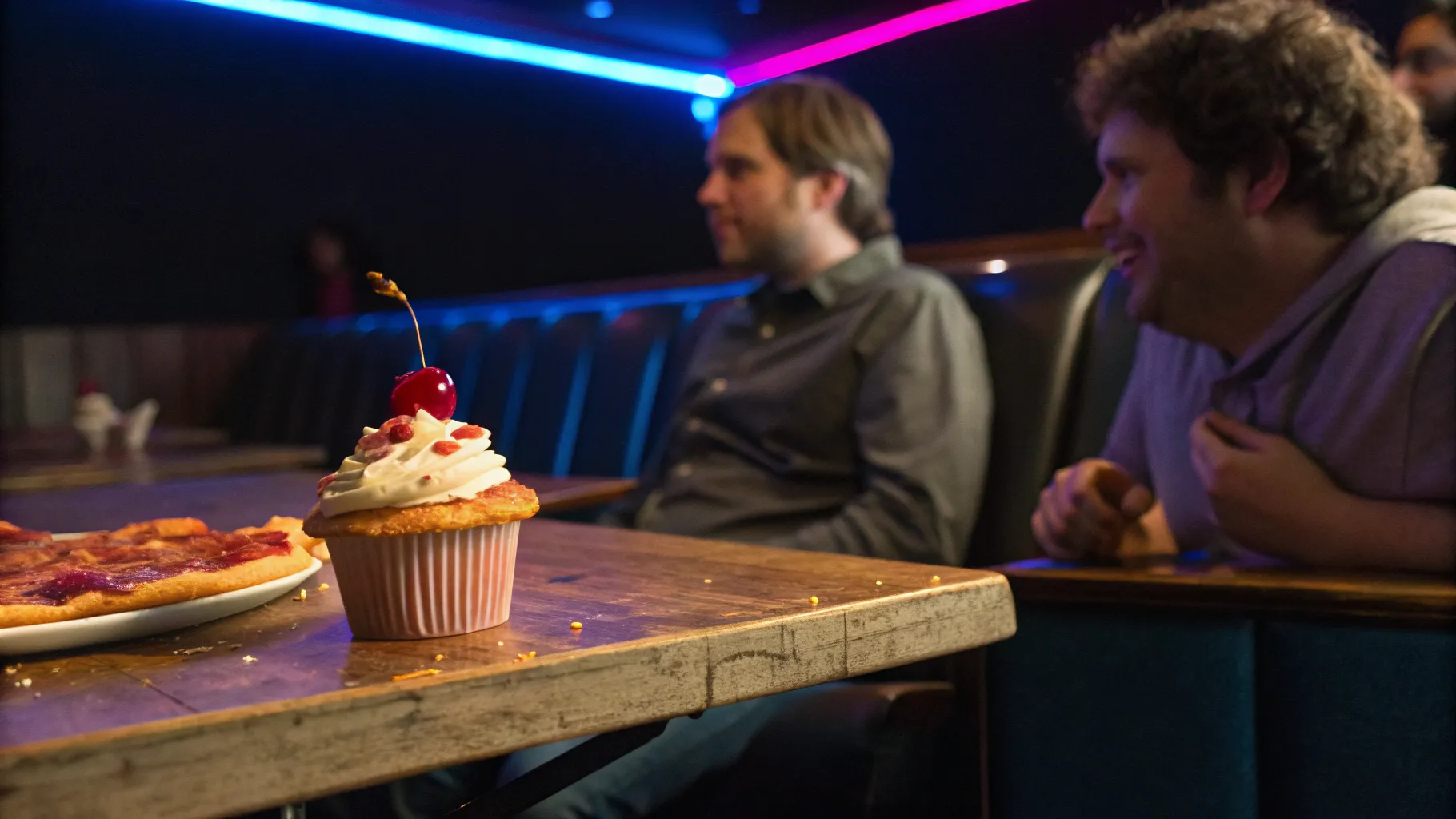
When people ask who my favorite animatronic character is, they expect me to rattle off the big ones—the classic gang of Freddy, Bonnie, Chica, and Foxy. But I always say Cupcake. It is such a ridiculous answer at first glance: it’s tiny, almost quaint, and yet it carries this disproportionately menacing energy. There’s something about small things that are dangerous that trip a different kind of horror lever in your brain. Think of a coin-sized squeak that precedes a gunshot in a movie. The unexpectedness amplifies fear.
Calling Cupcake “small but mighty” isn’t just a throwaway line. It reflects how attention to tiny details can change the tone of a scene. A small prop, a muffled sound, or a sudden shift in lighting can be far more memorable than an in-your-face jump scare. In horror, restraint often does the heavy lifting.
Design and psychological impact
Animatronics thrive on uncanny valley and nostalgia. Cupcake taps into a specific mix: it looks like a child-friendly item but behaves like something else entirely. That cognitive dissonance—your brain trying to reconcile comfort with danger—is where the dread lives.
Am I actually good at playing the game?
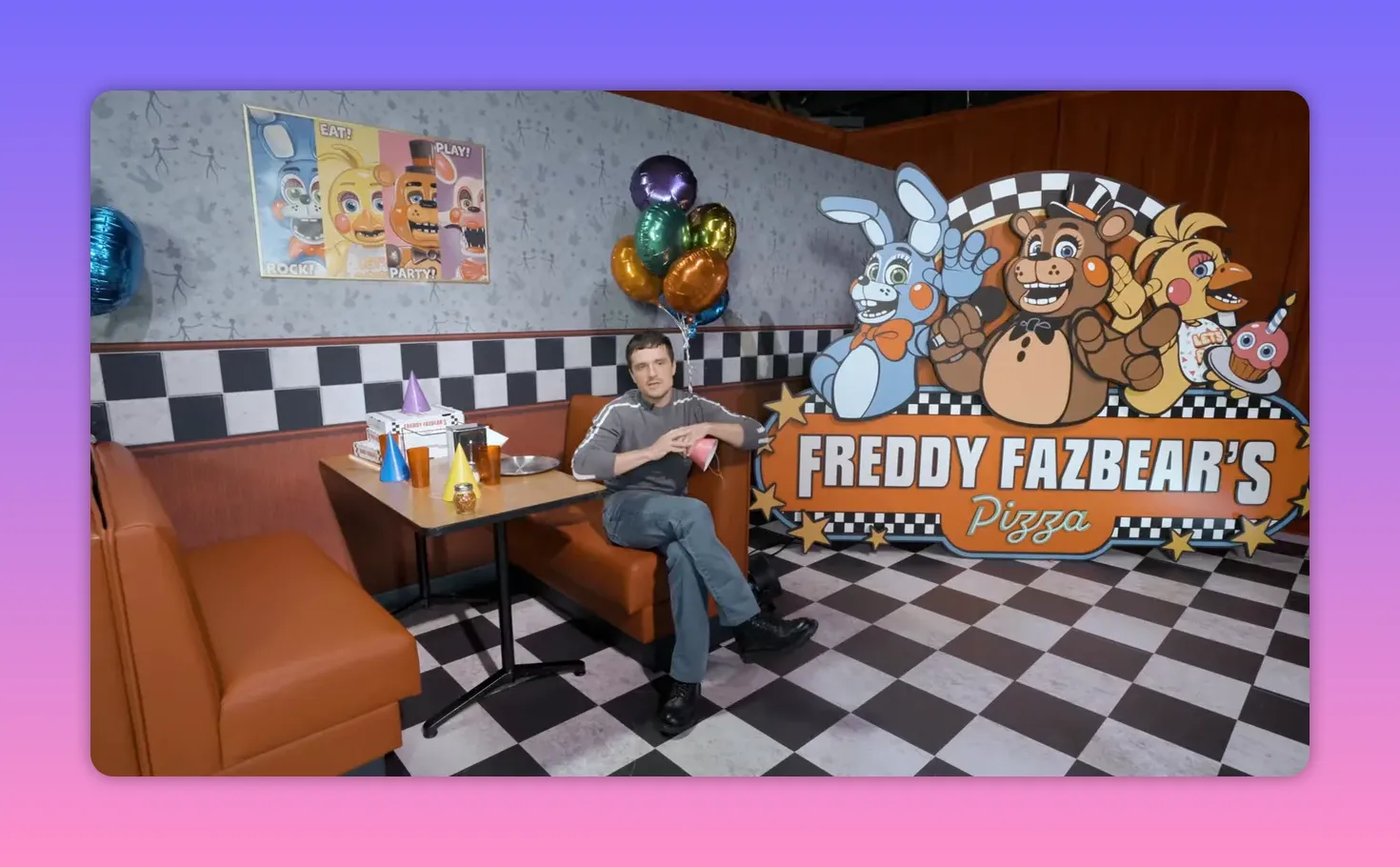
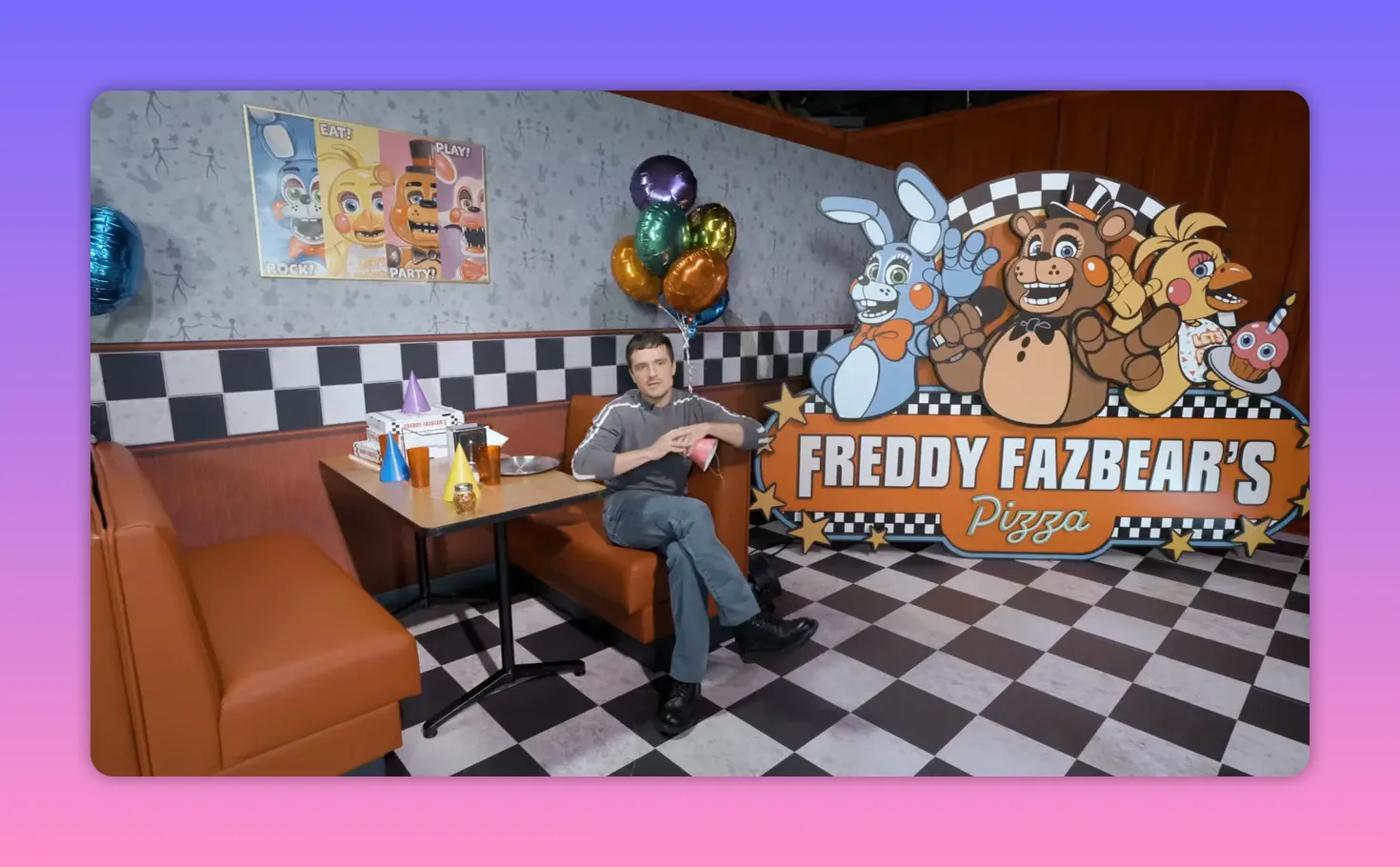
Short answer: no. Long answer: I might be great, but I have never played the actual game. That surprised some people. The character I play, Mike, has a history with the animatronics and the role requires an intimate dance with the mythology. But my familiarity with the game series is mostly through the lens of the filmmakers and the story we were telling. I approached the world of FNAF more as a storyteller than a long-time player. That allowed me to treat the lore with curiosity rather than reverence.
Would I make a good real-life security guard?
Surprising to some, I think I could hold my own. I do not mind spending time alone, and I am not easily spooked by things that go bump at night. That said, cinematic security work is a different beast. In the fiction of Freddy Fazbear’s Pizza, a security guard is as much an emotional role as a practical one. You are alone with your thoughts, your guilt, your fears, and a whole lot of animatronics.
Survival tips if you ever find yourself on a night shift at Freddy’s
- Keep your mental checklist – establish routines. In tight, high-stress scenarios recurring rituals anchor you.
- Conserve light and attention – don’t waste mental energy on every flicker. Prioritize credible threats.
- Know the space – familiarity with layout reduces surprises and improves reaction time.
- Use calm communication – if there’s a team or a kid involved, keep instructions simple and steady.
- Don’t underestimate small things – as with Cupcake, the smallest details can have the biggest consequences.
Pizza preferences: the surprisingly revealing icebreaker

Ask me about pizza and you’ll get a passionate answer. I like everything on my pizza. There is not an ingredient I haven’t met that I don’t like. From a wild barbecue chicken pie to a classic margherita, I’m on board. Thin crust or deep dish? Depends on my mood. And pineapple on pizza? Absolutely yes.
Oddly, pizza preferences can tell you a lot about how someone approaches choices: adventurous versus classic, texture mindsets, and how willing they are to challenge culinary orthodoxy. For me, the “everything” stance says I’m open to trying things and seeing how they land. It’s the same energy I bring to acting—willing to try something risky if it serves the scene.
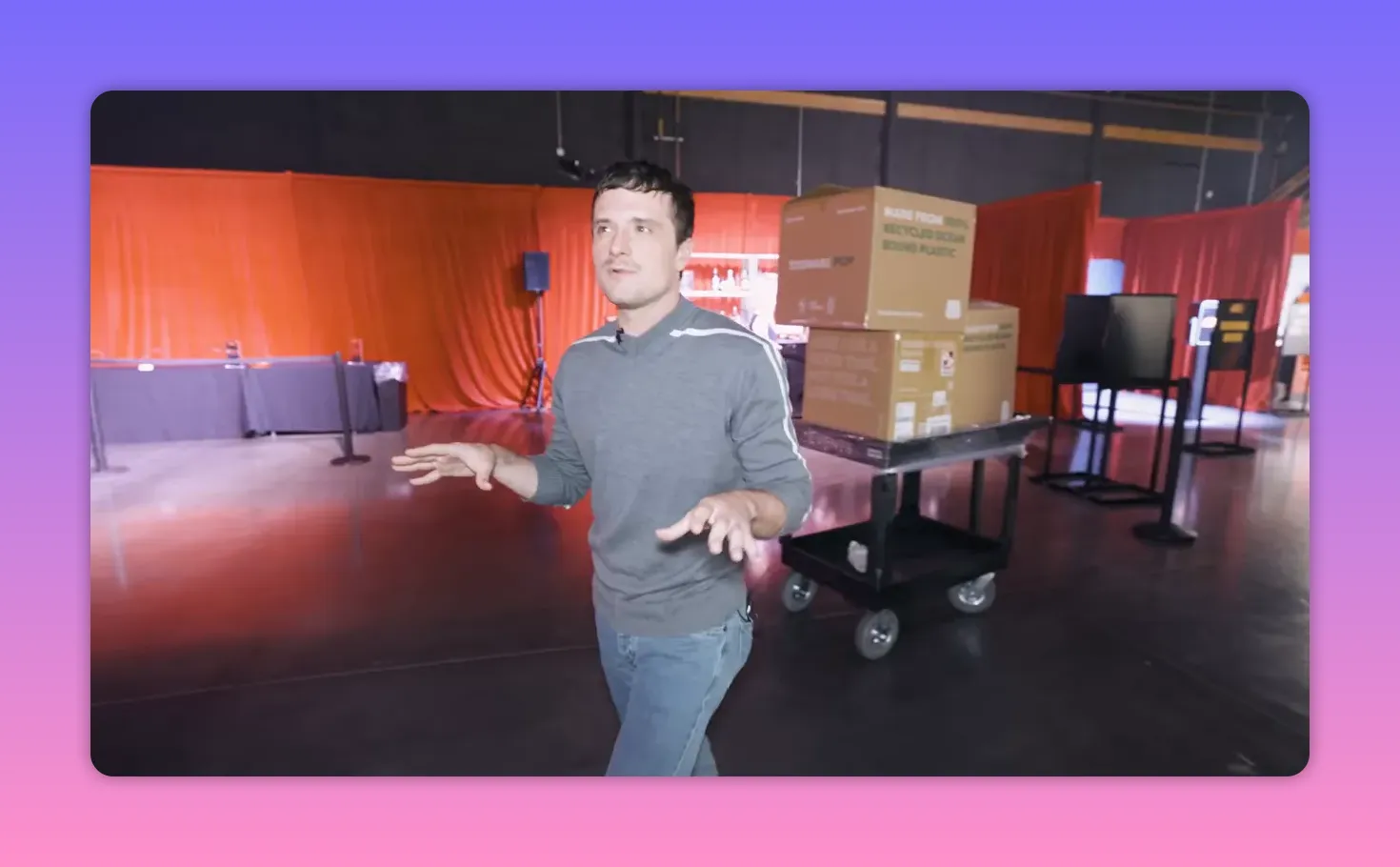
Who from the cast could actually survive Five Nights at Freddy’s?
My answer is Piper Rubio, who plays Abby. Why Piper? Because her character is a super fan in the FNAF world, and that fandom translates into a kind of knowledge armor. Knowing the lore and the rules of the universe gives you a better shot at surviving horrors that have patterns and histories.
There’s also something else worth acknowledging: survival in these stories is rarely about brute strength. It’s about information, emotional resilience, and the willingness to take calculated risks. Abby is precisely that type of person—curious, brave, and slightly reckless in the best way.
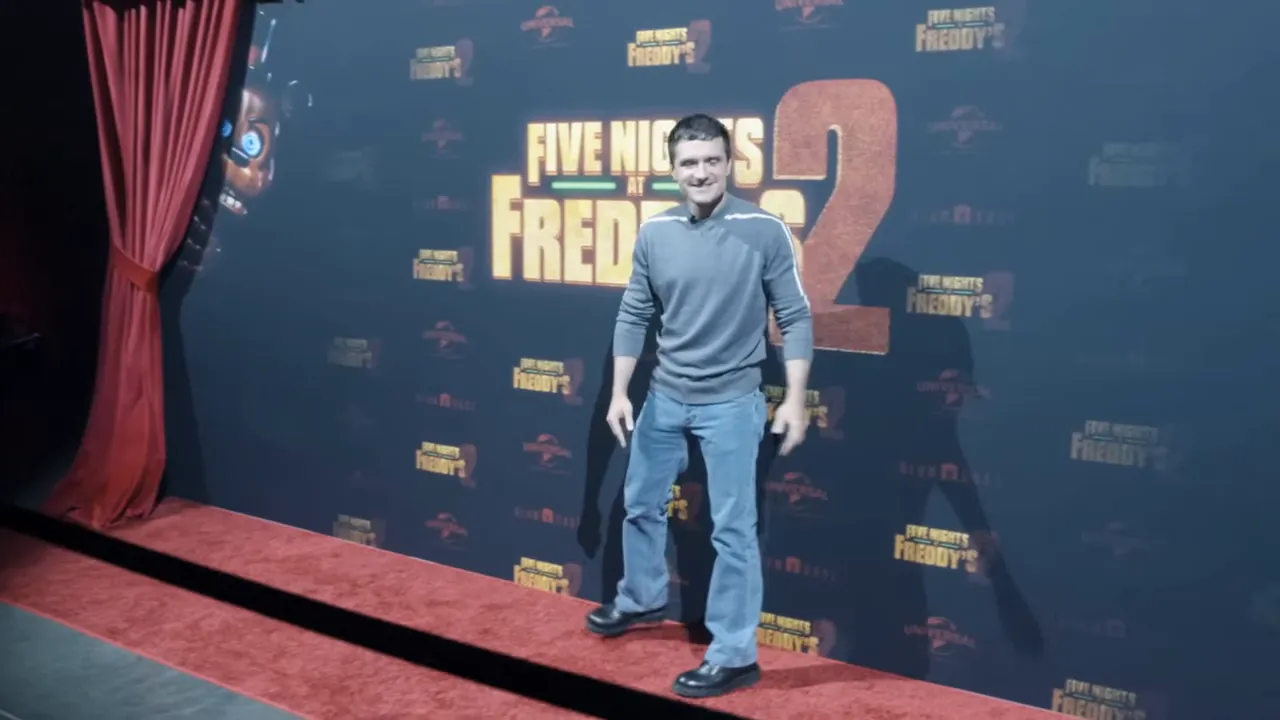
Would you rather work at Freddy’s or compete in the Hunger Games?
I would rather work at Freddy’s. Why? Because at least there’s a chance to survive. The Hunger Games is designed as a no-win competitive environment. Freddy’s, chaotic and dangerous as it is in fiction, still leaves room for strategy, alliances, and hidden variables you can exploit. It’s a weird calculus, but when you stack the odds, Freddy’s seems like the option that allows for improvisation and escape.
Arcade games and childhood memory
If you want to see me light up, mention arcades. My favorite was the Arctic snowmobile game—the one with the wind blast that tried to make you feel like you were really up in snow and speed. There’s a physicality to arcade experiences that modern gaming has sometimes smoothed out. Insert a coin, take a risk, feel the machine’s death or victory. That ephemeral, tactile nostalgia is an ingredient in the FNAF world too: games and attractions that once brought joy now carry an echo of something else.
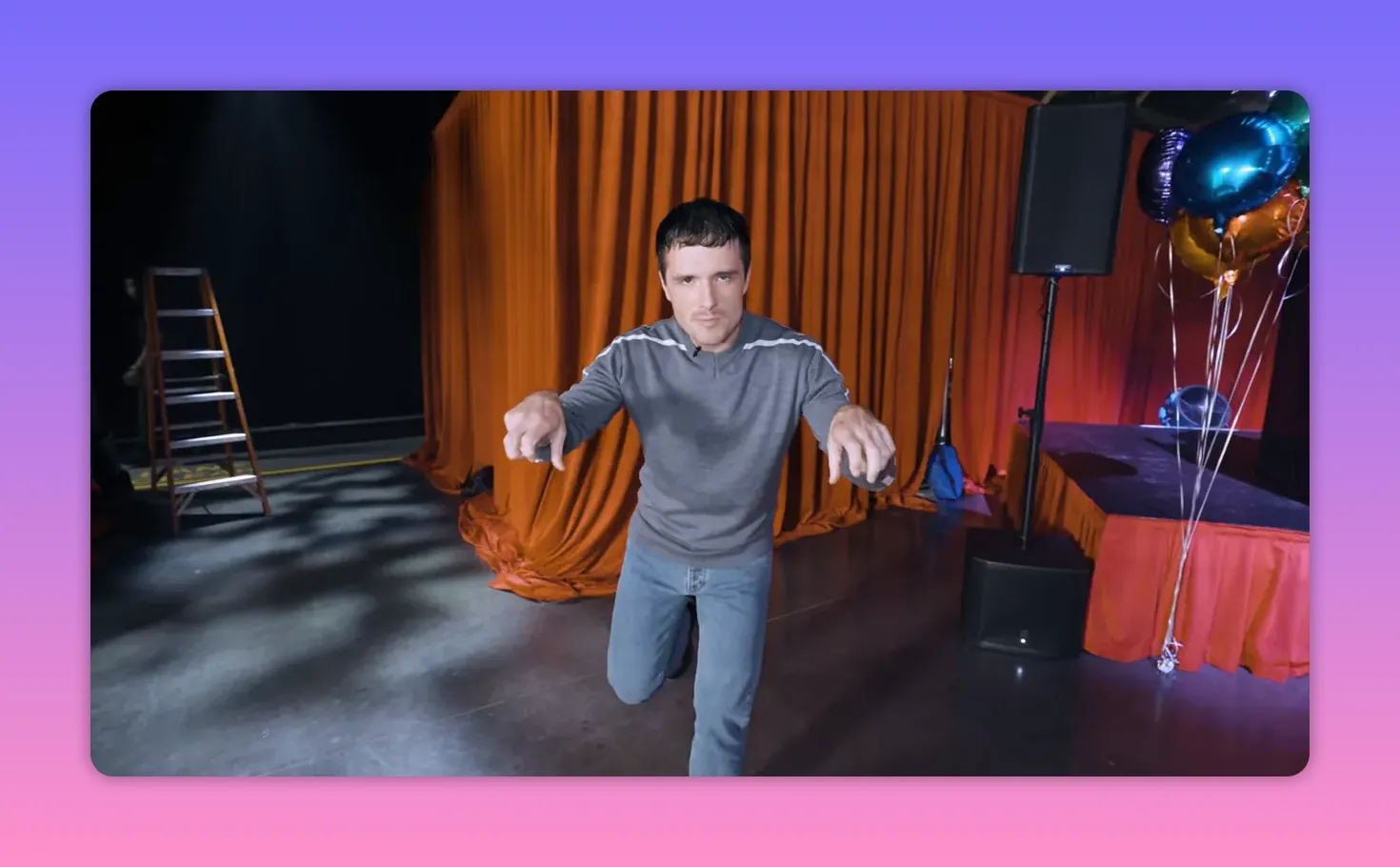
Am I a horror fan? Definitely
Horror has always been a big part of my tastes. My favorite horror movie? The Shining. It’s a masterclass in atmospheric dread and a perfect example of how a film can create a deep, slow-burn terror that lingers long after it ends. There’s an attention to detail, to mise-en-scene, and to psychological unraveling that feels like a blueprint for what good horror should aim to do.
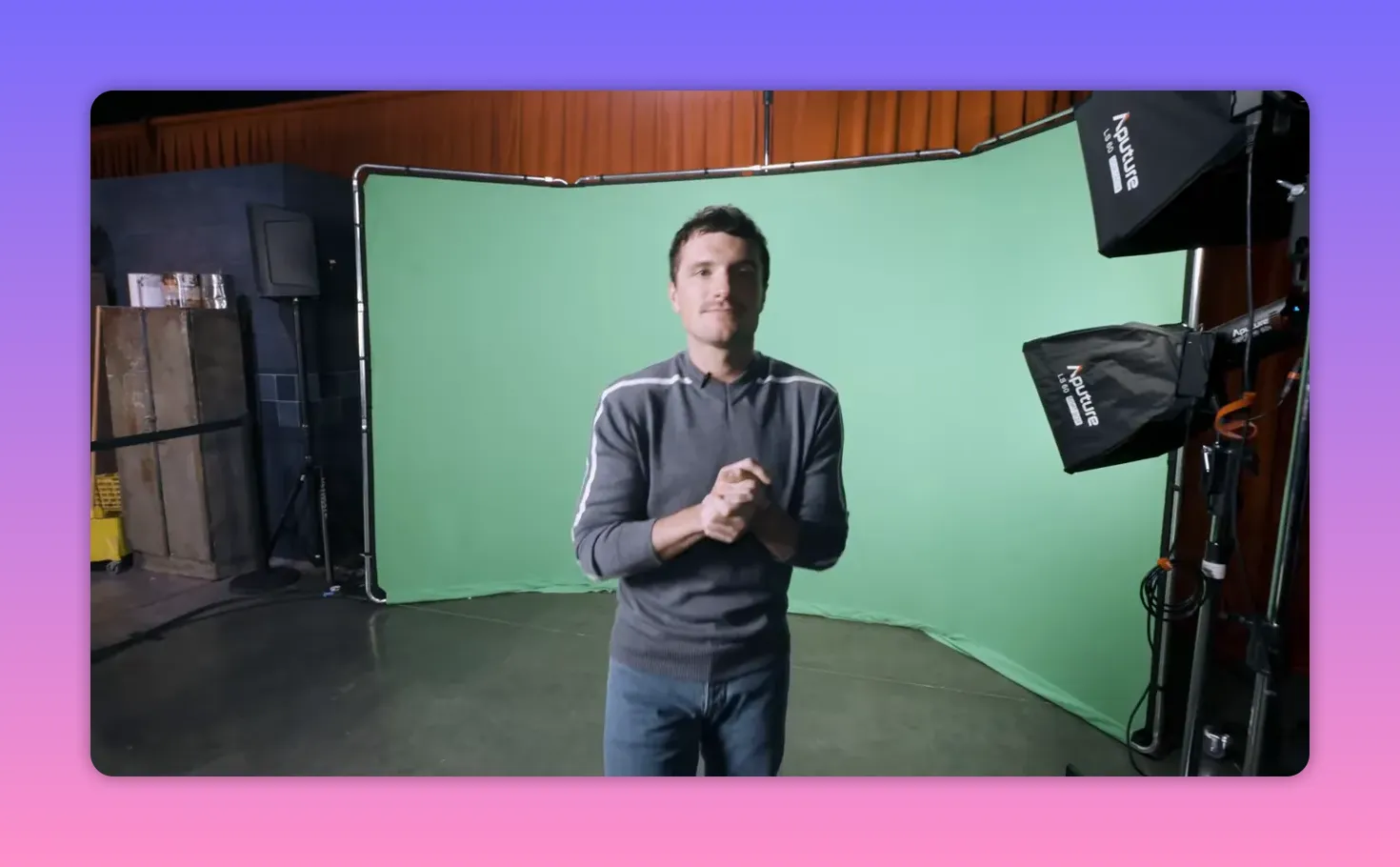
What horror teaches every actor
Horror asks actors to play both the ordinary and the extraordinary at the same time. You must root a character in truth while pushing them into situations that are surreal. My training in horror has been to always find the human center—the regret, the humor, the boredom—that makes the extraordinary moments hit harder.
On lore: are we experts or piecing it together?

I’m piecing it together, for sure. Working on an adaptation of a game with a sprawling backstory means you encounter a dense mythology stitched across multiple media. That can be thrilling and a bit bewildering. Instead of treating the lore like a puzzle we had to master before filming, we approached it as a living thing: part of performance, part production design, part narrative clue that audiences can discover along with the characters.
Translating game mechanics into cinematic rules
Video games often depend on mechanics—tension built from limited resources, checklists, and predictable cycles. Translating that into film means converting interactivity into expectation. A film can simulate game mechanics by creating repeated patterns, indicating rules that the audience and characters can observe and then test. That gives viewers the pleasure of prediction and the shock of subversion when those patterns break.
What scares me?
People ask, are you frightened of clowns, zombies, ghosts, or animatronics? For me, ghosts are probably the scariest. There’s a kind of existential vulnerability to ghost stories. They deal in lost time, in history that refuses to lie still. That said, specific actors can be genuinely unsettling: Matthew Lillard, who plays William Afton, genuinely scares me. And that’s saying something, because fear is as much about performance as anything else.
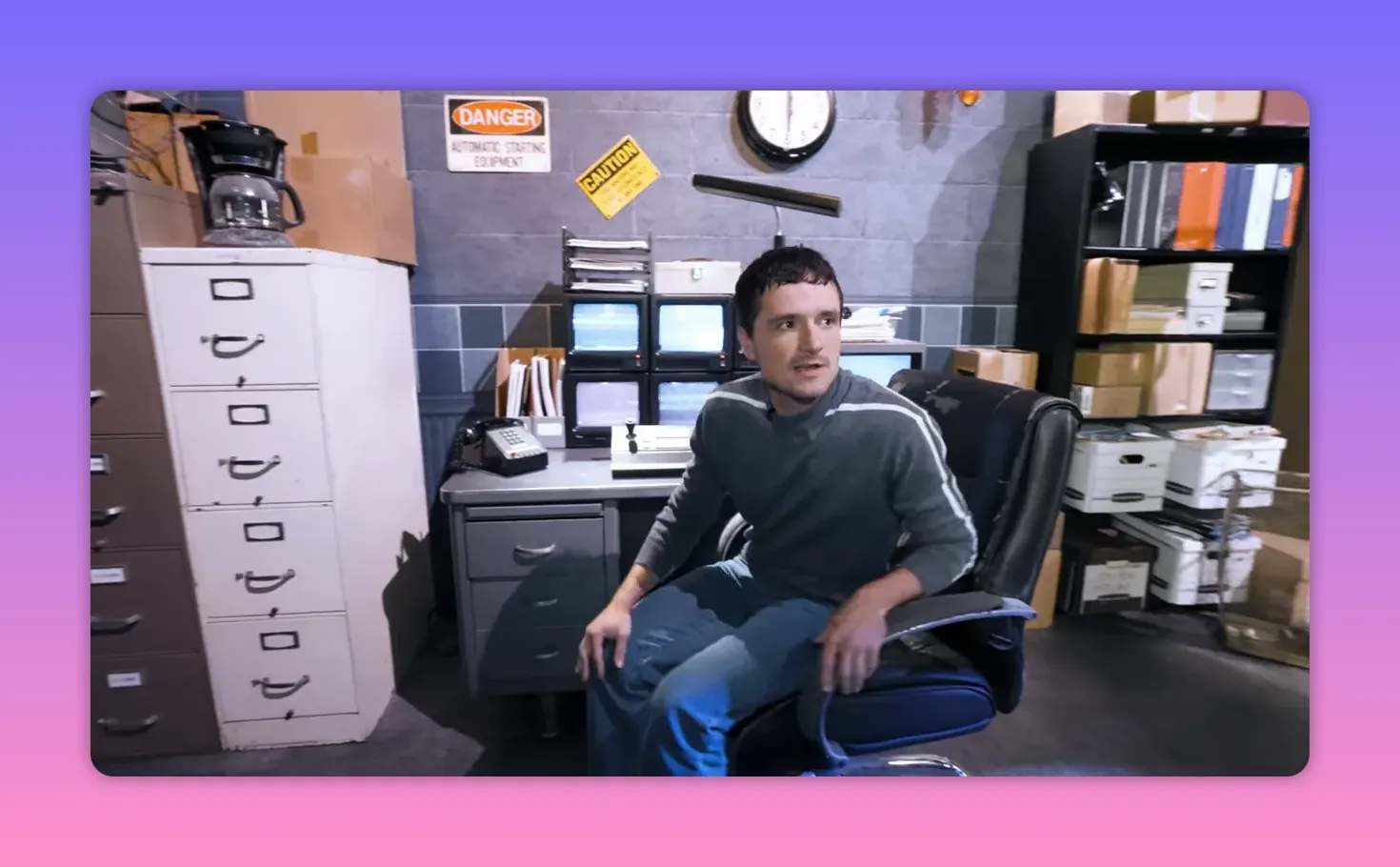
Flashlight proficiency: a surprisingly specific skill
Yes, I am now an expert flashlight user. In the context of the story and performance, mastering simple, believable physical skills makes a huge difference. The way you point a flashlight, flood a hallway with it, or use it to spot a movement can calibrate tension in a scene. It’s technique meets muscle memory.
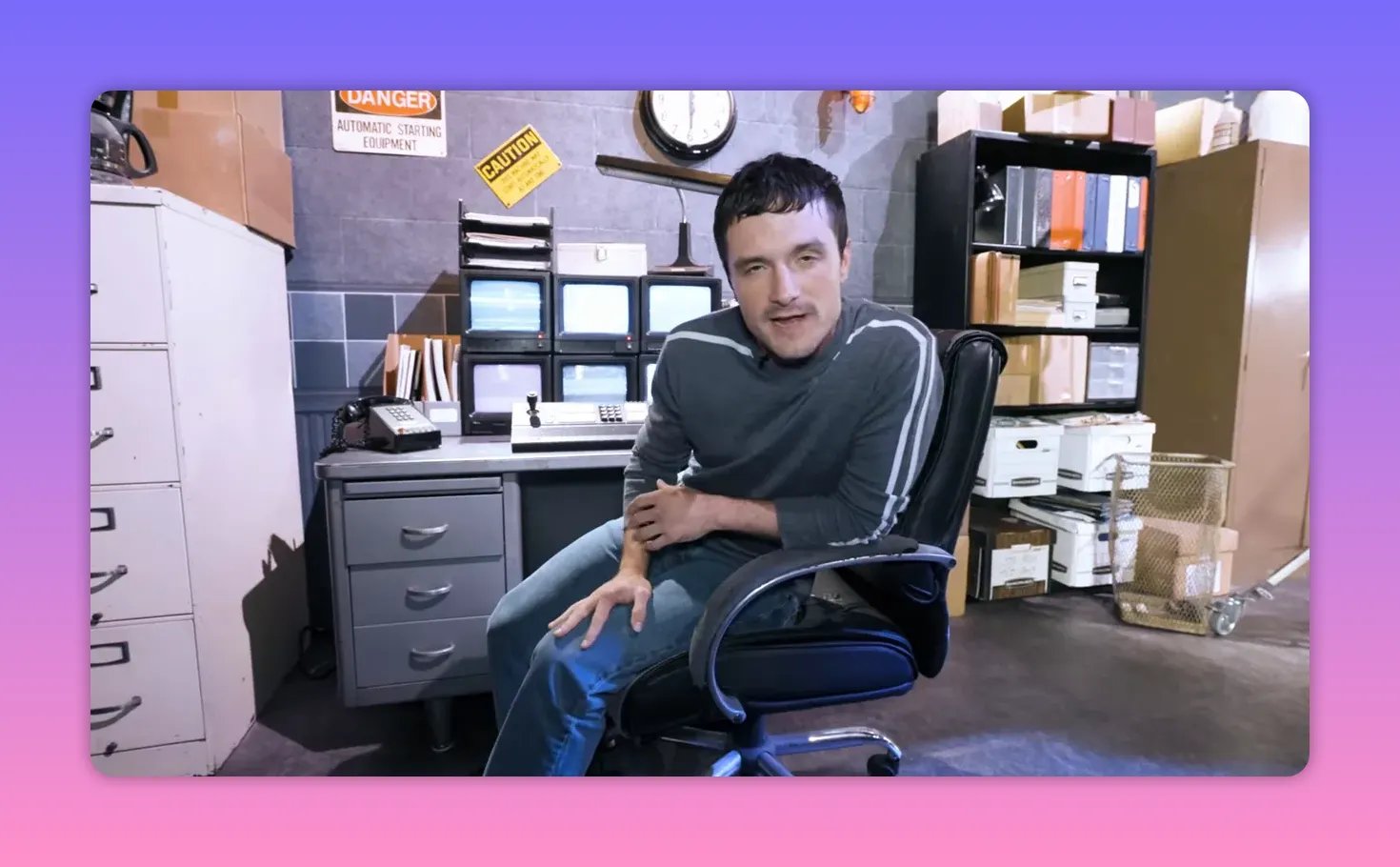
Flashlight techniques that actually matter on set
- Flood: Use a wide cone when you need to reveal as much as possible and give space to your co-actors or environment.
- Spot: Narrow the beam for focused discovery, like catching a detail that changes the scene’s stakes.
- Flick: Brief, anxious flicks communicate panic and uncertainty without extra words.
- Hold steady: A steady light communicates control and gives the camera something concrete to track.
What drew me to Five Nights at Freddy’s as a project
There are a few layers that hooked me. First, there’s the odd, creepy nostalgia of it. Something about combining the warm glow of kid-oriented entertainment with the cold mechanics of haunted machinery creates a strange emotional cocktail. Second, the story plays with the boundary of dream and reality. That is compelling for any actor because it allows you to push the limits of what a scene can physically and emotionally hold.
Third, this world asks real human questions: what do we hide from our children, how do communities retell trauma, and how does nostalgia mask danger? Those themes are universal and make the horror resonate beyond jump scares.
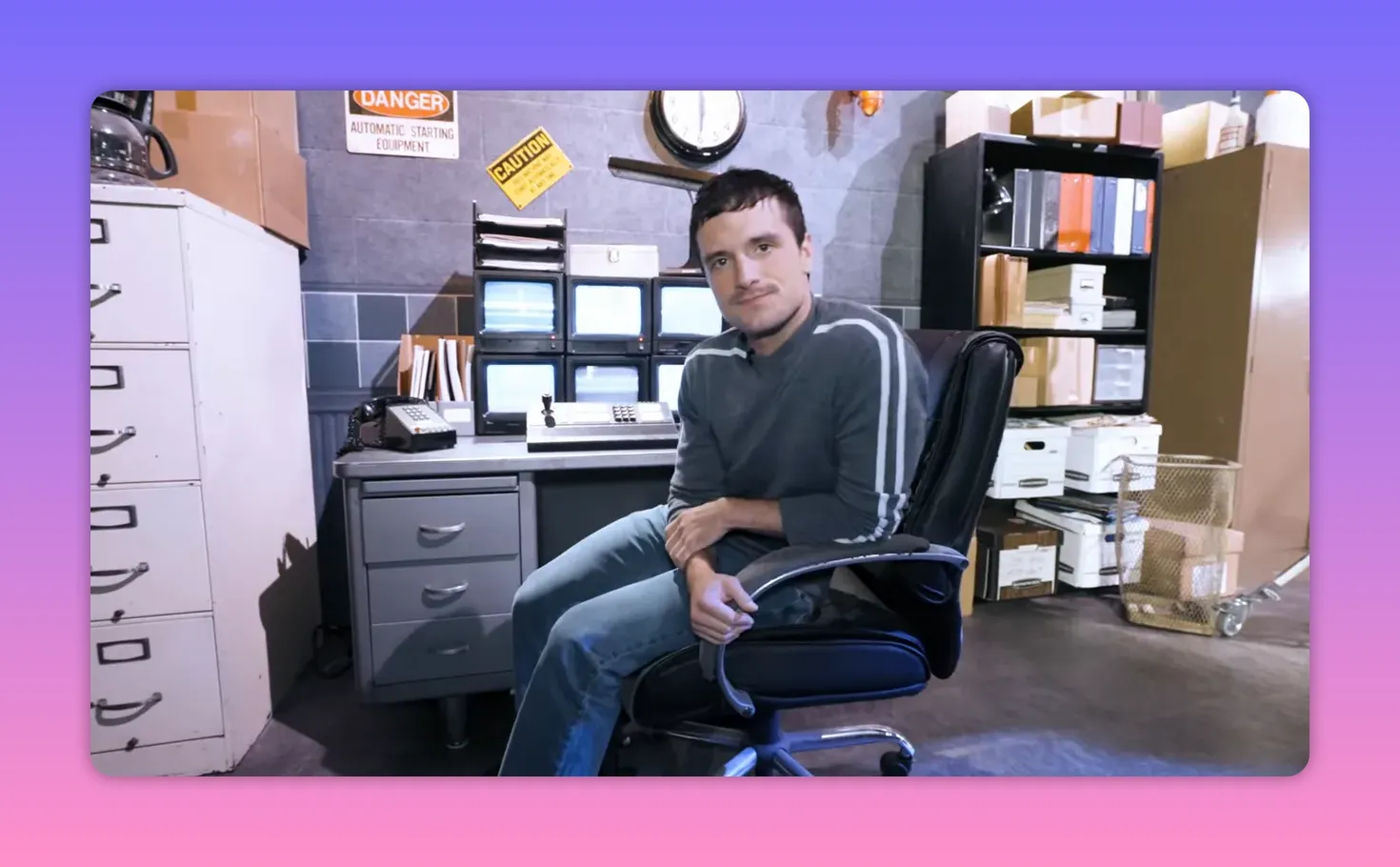
Why Five Nights at Freddy’s 2 is a theatrical event
FNAF 2 opens on December 5. This sequel returns to a world that surprised and captivated a wide audience. The first installment was a box-office phenomenon and left a lot of story threads that begged for expansion. The second film deepens the mythology, introducing new characters and darker secrets about Freddy’s origin. It’s constructed to deliver not just scares, but a communal cinematic experience.
There’s an energy you get in a theater during horror that amplifies everything: the collective inhale before a reveal, the ripple of gasps, the laughter that follows tension. This film was designed with that shared environment in mind. Seeing it in a crowded theater turns watching into an event, and the movie into something you feel viscerally with the crowd.
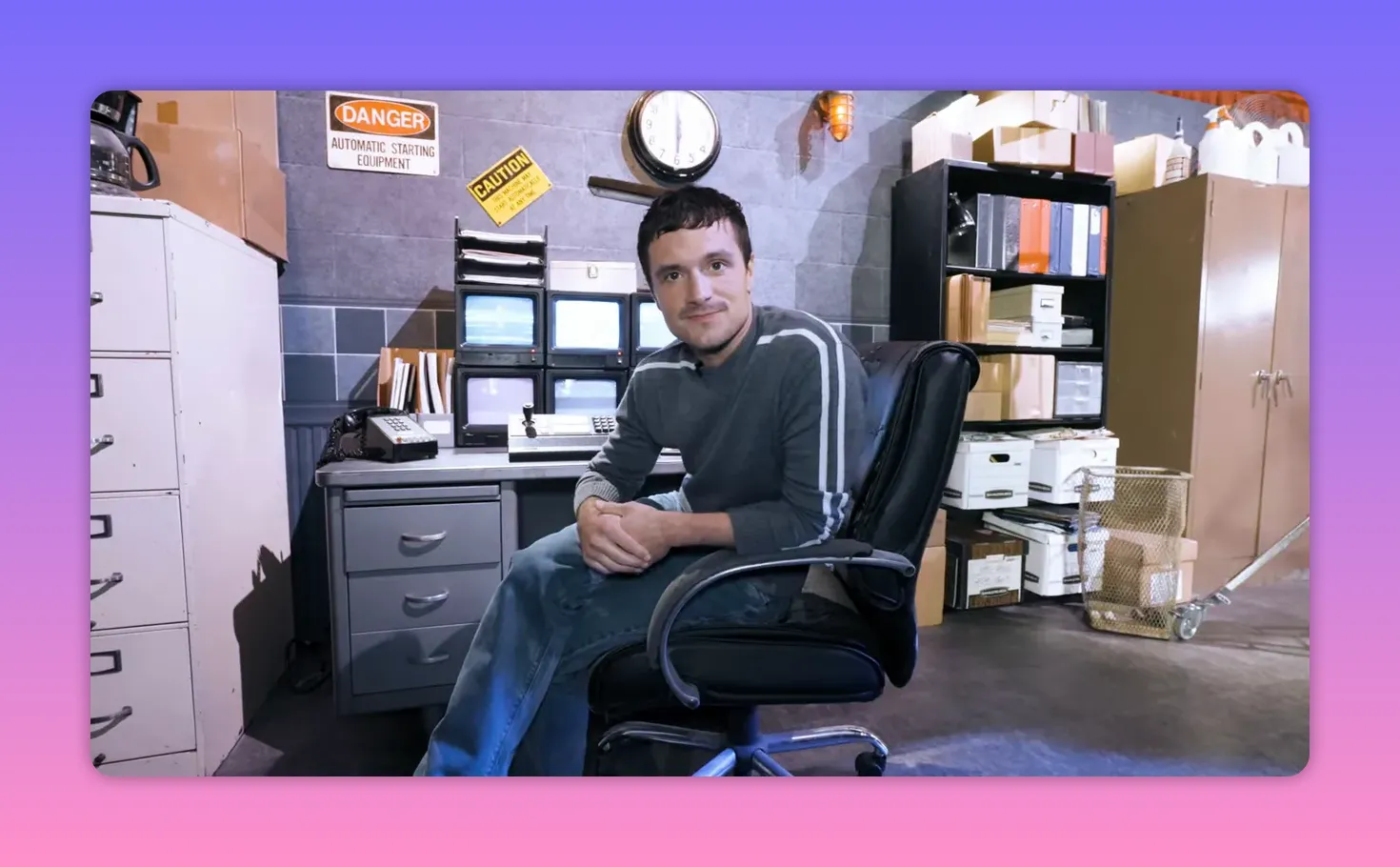
Plot snapshot and what to expect

Without giving away spoilers, here’s the framework. Five Nights at Freddy’s 2 revisits the aftermath of a supernatural nightmare and shows how time and local myth can twist stories into something campy. The town throws a Fazfest to commemorate the curious legend. At the heart of it are a few central players: Mike, who has the burden of truth; Vanessa, a police officer trying to protect that truth; and Abby, Mike’s 11-year-old sister, whose decision to reconnect with the animatronics triggers a terrifying chain of events.
The sequel is not just about jump scares. It peels back layers of origin story, revealing buried secrets about Freddy’s history and the people who shaped it. The presence of William Afton, played by Matthew Lillard, raises the stakes, tying the modern hauntings to an older, darker past.
Cast, crew, and the creative backbone
The film returns director Emma Tammi, who guided the world’s tone with a sure hand in the first film. Writer Scott Cawthon, the creator of the original game series, is back intimately involved, which helps preserve the franchise’s DNA. Producers include Jason Blum and Scott Cawthon, a team that marries genre instincts with fidelity to the source material.
The cast mixes returning players like Theodus Crane with notable additions. Freddy Carter, Wayne Knight, Mckenna Grace, Skeet Ulrich, and of course Piper Rubio bring new dynamics that deepen the story. That blend of old and new is purposeful; the movie explores legacy, how stories propagate, and how towns mythologize their pasts.
Working with Matthew Lillard
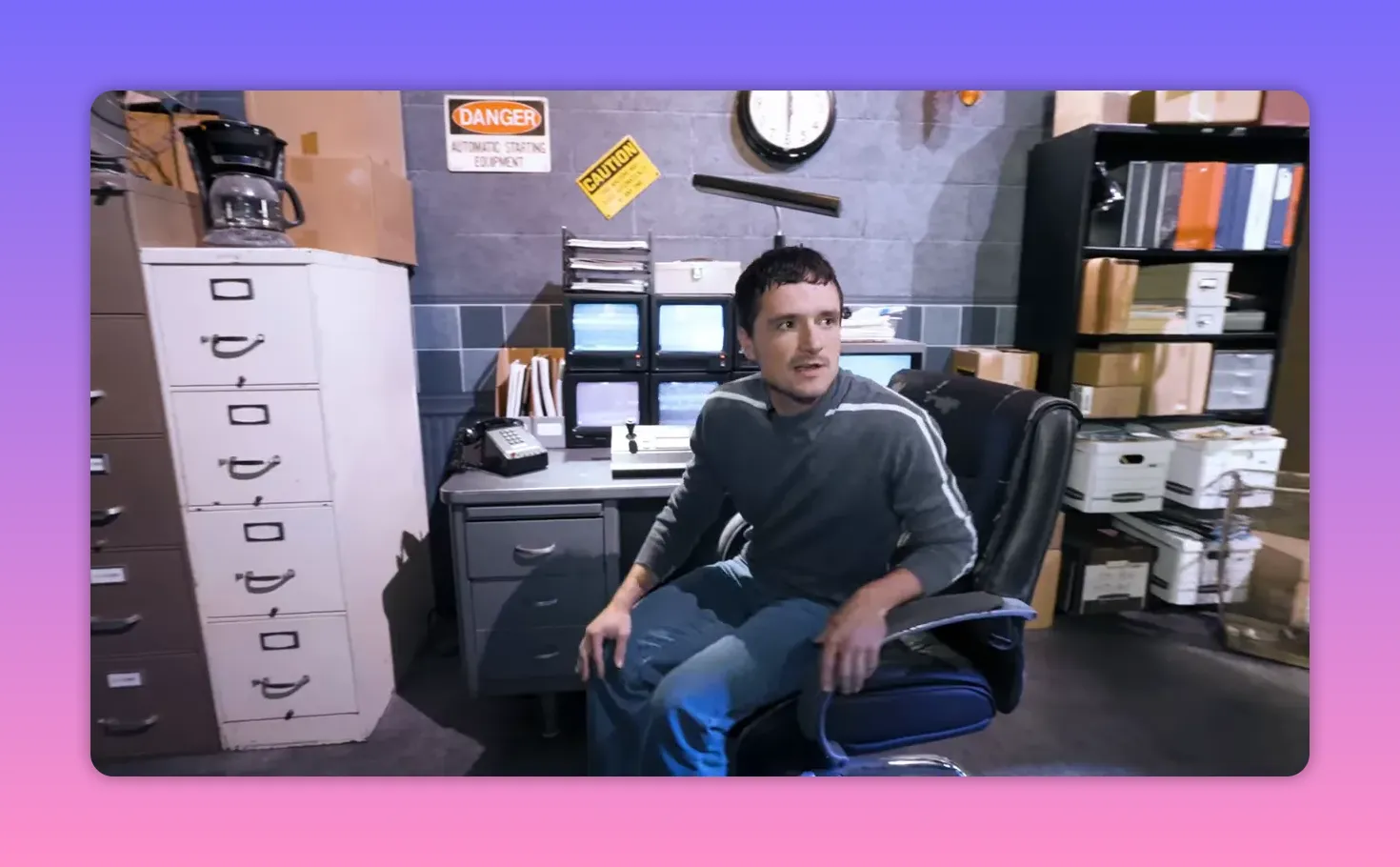
Matthew Lillard as William Afton is a major presence. I warned you—I was honestly a little scared. He brings a bold energy that infects scenes with real menace. Afton is not just a villain in the archetypal sense; he’s an embodiment of the franchise’s central dread. Lillard honors that complexity and makes those moments feel perilous in a way that elevates the entire film.
How we handled lore and accessibility
One challenge of adapting a beloved game series is balancing fidelity to lore with accessibility for newcomers. We wanted longtime fans to feel rewarded and newcomers to feel invited. That meant layering exposition carefully. Instead of dumping history, we revealed it in textures: a poster, a child’s drawing, a whispered line that hints at a dark past.
That approach respects the audience’s intelligence and curiosity. It also keeps the pacing moving—every reveal matters because it both answers a question and raises another.
The role of nostalgia and folklore in modern horror
Nostalgia can be comforting, but when filtered through folklore and fear, it becomes strange and subversive. Fazfest is a perfect fictional example: a celebration of a campy legend that covers up a more sinister origin. That inversion, turning cheer into dread, is potent in horror because it forces you to reconsider things you once loved. It asks whether attachment blinds us to danger.
Why community settings are powerful in horror

Setting horror in a communal place—a pizza joint, a festival, a fairground—creates tension between the public face of things and the private trauma they hide. People gather, have fun, and perform normalcy even as the past simmers under the surface. That contradiction is fertile ground for story. It lets the film examine how societies sanitize their histories and how monsters can hide in plain sight.
Performing fear honestly
Acting in horror is about honesty. Overplay fear and you slip into parody. Underplay it and you lose dramatic stakes. The trick is finding the ordinary humanity that keeps the moment believable: a mundane gesture, a misplaced apology, a tired joke to cut tension. Those small, mundane pieces are what audiences latch onto when the unnatural intrudes.
“I can flood it. I can spot it. Whatever you need.”
That line about the flashlight is half-banter, half-pride. The physical choices you make—how you hold a light, where you look, the rhythm of your breathing—are tiny decisions that sum up to a believable terror response.
Why see it with a crowd
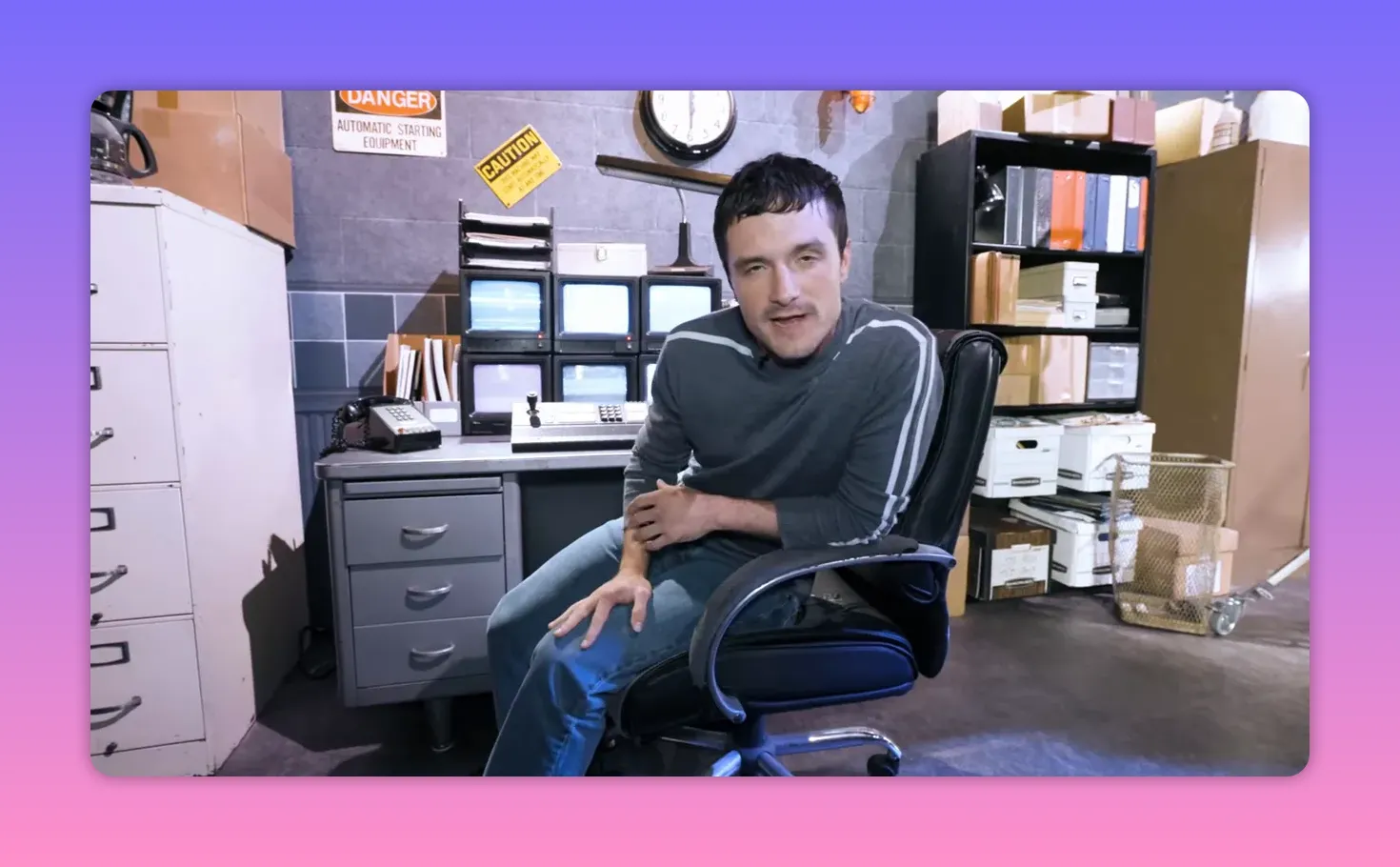
Horror is a collective emotion. In a packed theater you do not only experience fear; you experience community. People laugh when nervous, clap when the tension snaps, and sometimes call out in the wrong moment and you all share a nervous giggle. FNAF 2 is engineered for that. It wants to be felt in a room full of people because the film uses beats that are amplified by audience reaction. You will feel the film, not just watch it.
Production notes and the legacy of the first film
The first film opened to a record $80 million and became the highest-grossing horror film of its year, cementing a strange mainstream appetite for this blend of nostalgia and dread. That success gave the sequel room to expand the mythology and take bigger creative swings. For cast and crew, it meant the pressure of expectation and the freedom to explore a wider world without losing the intimacy that made the original resonate.
Returning pieces of the creative team—director Emma Tammi and producer Jason Blum, along with Scott Cawthon—helped steer the sequel with an eye for both spectacle and nuance. The result is a film that aims to satisfy franchise fans and lure new viewers into a world that is creepy, sad, and oddly human.
Final thoughts: fear as a tool, not the only point
Horror often gets reduced to jump scares, but the best work in the genre uses fear as a tool to interrogate deeper themes: memory, guilt, and the stories we tell to survive. FNAF 2 is about more than animatronics coming to life. It’s about how communities remember their past, how secrets metastasize into legend, and how children and adults alike carry the consequences of those choices.
If you like atmospheric dread, layered myth, and a movie that wants to be felt with a crowd on opening weekend, this one is for you. And if you see it in a full theater, pay attention to the small things—those are the moments that stick with you after the credits roll.
FAQ
Who is your favorite animatronic character?
Cupcake. Small but mighty. It’s tiny, unexpectedly menacing, and proves that a small detail can have huge impact on the feel of a scene.
Which animatronic scares you the most?
Ironically, Cupcake again—because of its small size and the disproportionate threat it represents. Small things can be terrifying in horror.
Are you good at playing the Five Nights at Freddy’s game?
No, I have never actually played the game. My approach to the film was more about storytelling and the emotional truth of the characters rather than mastering the game mechanics.
Would you make a good real-life security guard?
Yes, I think I could. I do not mind spending time alone, and things that go bump at night do not bother me much. But fictional security work involves a different, more intense kind of pressure.
What do you like on your pizza?
I like everything. There is no ingredient I’ve met that I don’t like. Thin crust or deep dish depends on the mood, and pineapple on pizza is a definite yes for me.
Who from the cast could genuinely survive Five Nights at Freddy’s?
Piper Rubio’s character Abby. She’s a super fan in the FNAF world and knows the lore, which gives her a survival advantage.
Would you rather work at Freddy’s or compete in the Hunger Games?
Work at Freddy’s, because there’s at least a chance to survive. The Hunger Games is designed to be fatal for most competitors.
What’s your favorite arcade game?
The Arctic snowmobile game—the one with the wind blast that made you feel like you were actually racing in snow.
Are you a horror fan and what is your favorite horror movie?
Yes, I love horror. My favorite is The Shining for its atmospheric dread and mastery of slow-burn terror.
Do you understand the FNAF lore better now?
I’m still piecing it together. Working on the film involves learning as you go and discovering layers of the story rather than arriving as a franchise expert.
What scares you the most among clowns, zombies, ghosts, or animatronics?
Ghosts. They carry a historical weight and existential unease that feels particularly unnerving to me. Also, Matthew Lillard’s performance is legitimately scary.
Are you an expert flashlight user now?
Yes. I can flood and spot as needed. It’s a small skill but it matters—how you use the light affects tension and believability.
When is Five Nights at Freddy’s 2 coming out and why should it be seen in theaters?
It opens December 5. It is a cinematic experience designed to be felt with a crowd: a shared atmosphere that amplifies the scares and the emotional beats.
Where to find out more
For those who want to dig deeper into the world and the people behind it, the film is produced by Blumhouse and Scott Cawthon. The sequel expands the mythology introduced in the first film and brings new faces and darker secrets to Freddy Fazbear’s Pizza. If you are curious about how folklore, nostalgia, and modern horror converge, this sequel is positioned to be an interesting case study.
And if you’re planning to go, bring a friend, buy your tickets early, and be ready to pay attention to the little things. Those are the ones that’ll stick with you.


