

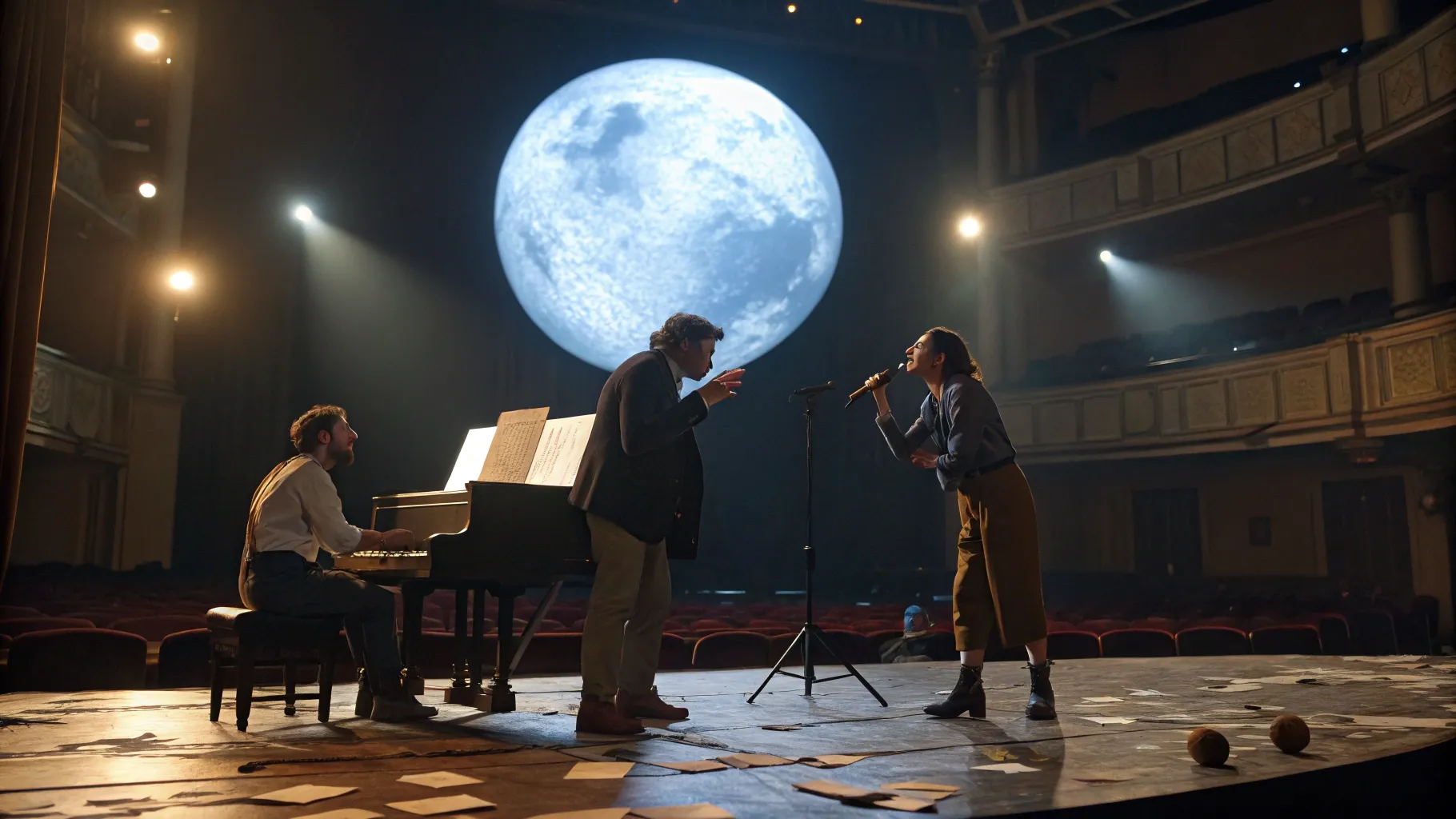
Creative partnerships are messy, glorious, and essential. What looks like a single voice on stage is often the product of a dozen tiny arguments, a few brilliant accidents, and a stubborn refusal to settle. The exchange captured below reads like a masterclass in how musical collaborators pitch, spar over, and finally commit to risk. It traces the push and pull between commercial instincts and emotional honesty, and it shows why the best ideas survive not because they are safe but because someone insists they mean something.
The pitch: big, theatrical thinking
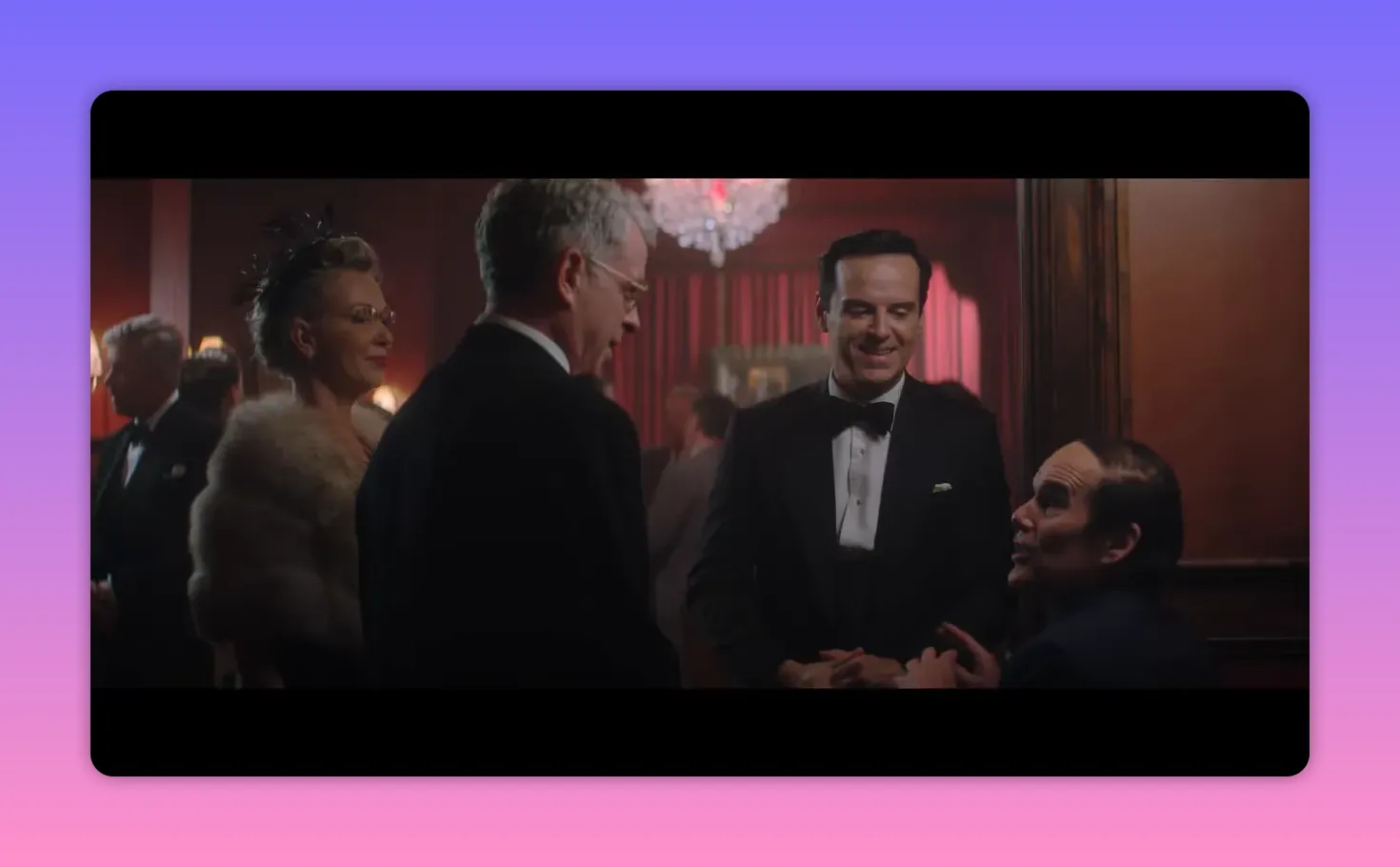
Conversations open with applause and bravado. Producers toss out titles the way gamblers throw dice: Connecticut Yankee, Camelot, Marco Polo. Each pitch swings between practicality and fantasy. One producer imagines a lucrative revival; another sketches an epic three-ring musical circus that runs four hours with a dinner break. The scale of ambition is striking. Big ideas land first as spectacle: satire, parody, and wildly imaginative set pieces.
Underneath the jokes about “cannibals doing porgy and bass” and three-act extravaganzas is an important question: what will make an audience care? The quick answers are novelty and spectacle. The deeper answer is an emotional hook that gives the audience a reason to enter the world on stage.
The tension between commerce and craft
One collaborator wants structure: scheduled mornings, clean deadlines, no late-night hunts for inspiration. The other thrives on spontaneity, riffs, and last-minute magic. That conflict is classic. It surfaces when a producer says, “we have to work like professionals,” and the creative replies that the old method produced hits for decades.
This friction is not a flaw. It is a productive tension. Structure protects time and output. Chaos keeps invention alive. The healthiest partnerships learn to value both. One person can insist on discipline; the other can remind the team that art often needs room to breathe.
Dream shows and the importance of emotional truth
The debate about what to write—revival versus original—reveals another lesson. Spectacle can sell tickets. But emotional truth sells loyalty. One collaborator states plainly, “All I want is to write a show we both love.” Another insists, “I want to write shows that have some emotional portion.” Those lines point to the same north star: a show must make the audience feel something beyond laughter.

Take the hypothetical epic about Marco Polo. The producer imagines world satire, national musical cliches, and flamboyant numbers. The emotional center, however, is quieter: a man legend-made, rendered vulnerable by a younger woman who makes him “bleed.” That contrast — spectacle outside and human tenderness inside — is what transforms a series of gags into a narrative that lingers.
“We take this legendary, larger-than-life man, and we make him bleed.”
Examples that clarify the stakes
- Oklahoma: cited as a deeply American, emotionally resonant hit that connected with wartime urgency.
- Connecticut Yankee: proposed as a revival that could be updated with satirical numbers reflecting current events.
- Marco Polo: imagined as grand, satirical, and grounded by a simple love that humanizes the legend.
These examples show how creators toggle between topicality and timelessness. Satire and parody respond to the moment. Emotional cores create timelessness.
Practical lessons for creative collaboration
- Define the emotional center first. Before you design the big set pieces, know what you want the audience to feel. A spectacle without heart is a parade; a heart without craft is sentiment.
- Balance discipline and spontaneity. Schedule work blocks so ideas can be produced, then reserve white space for the sparks that turn good into unforgettable.
- Protect the argumentative process. Tough conversations about tone and audience are part of refining an idea. They are not roadblocks but chisels.
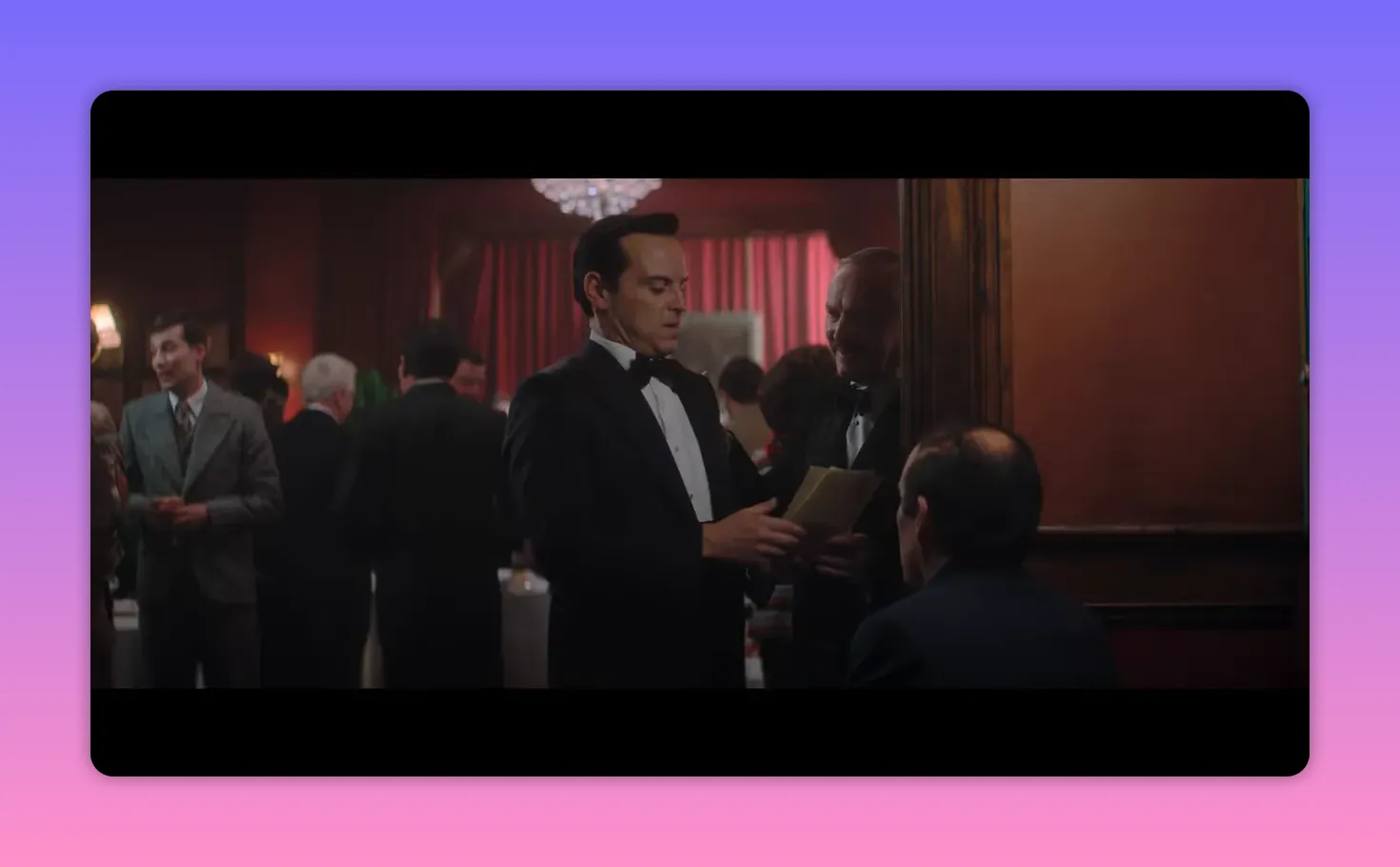
- Iterate ruthlessly. “Rewrite it and rewrite it again” is a pathway from concept to clarity. Keep what serves the emotional truth; cut the rest.
- Know your audience but don’t pander. A hit can be purposeful and smart without sacrificing its soul. A show that asks something of its audience often rewards them more richly.
How to apply these ideas to your creative work
Whether you are writing a musical, building a product, or launching a brand, begin with the human claim at the center. Ask: who will care and why? Frame your big, showy ideas around that claim. Use structure to create momentum. Use improvisation to find the unexpected detail that makes people remember.
FAQ
How do two collaborators balance discipline and spontaneity?
Set fixed windows for focused work and reserve separate time for exploratory sessions. Agree on checkpoints and deadlines so spontaneity can be shaped into deliverables.
What makes a musical emotionally resonant?
An emotionally resonant musical has a clear human core that the audience can recognize. Infuse spectacle with personal stakes, and ensure characters face choices that reveal vulnerability.
Should creators chase commercial hits or personal projects?
The most sustainable path blends both. Commercial projects can fund experiments, while personal projects keep creative purpose alive. Aim for hits that also matter to you.
How can a revival feel fresh without losing its essence?
Update references and staging to speak to current audiences, but preserve the original emotional throughline. New gags or numbers work best when they amplify the story rather than distract from it.
What should teams do when visions clash?
Lean into the disagreement. Test both approaches with small experiments and use audience response or clear creative criteria to decide. Respect and curiosity usually outlast ego.


