

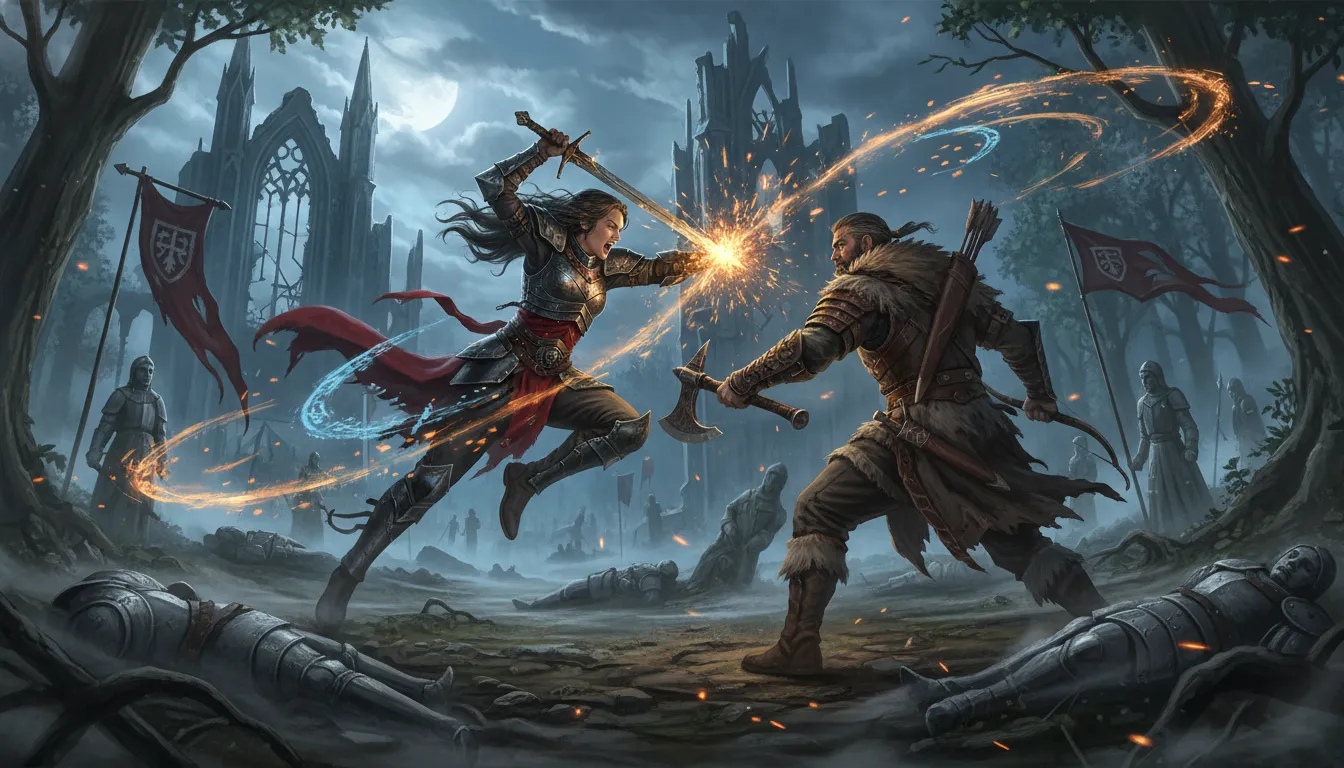
The battles in the Snow White and the Huntsman series are not just action set pieces. They are story moments that force characters to choose who they are under pressure, reveal painful histories, and pay off long-buried tensions. From ragged skirmishes in moonlit forests to cathedral-like sanctuaries torn apart by steel and spellcraft, each confrontation earns its place by shaping character and theme as much as by dazzling the senses.
This is an exploration of those fights: why they work, how they build the mythology of the world, and what filmmakers and storytellers can learn from staging combat that matters. Expect breakdowns of pivotal beats, analysis of character arcs, and close attention to the motifs that run through the sequence of conflicts.
The arc of the warrior princess
At the heart of these battles is a transformation. A character who once lived at the center of a fairy tale—sheltered, idealized, and defined by beauty—becomes a strategist, a soldier, and finally a leader. That shift is rarely abrupt on screen; it is made believable because it is earned across trials, losses, and moments of moral testing.
The emotional core is simple and devastating: love and power pull in opposite directions. Lines like
“I loved you. That’s why I’m stronger than you.”
illustrate how affection and strength are not mutually exclusive. The protagonist’s love becomes the fuel that allows her to resist the corrupting allure of power. Where the antagonist uses beauty and manipulation, the heroine turns love into resilience.
Battles become rites of passage. Early skirmishes test survival instincts. Mid-film engagements force strategic choices, and the final showdown is as much an ethical confrontation as a physical one. The progression is deliberate: each fight draws out a different aspect of the heroine’s growth.
The Huntsman: reluctant hero, loyal anchor

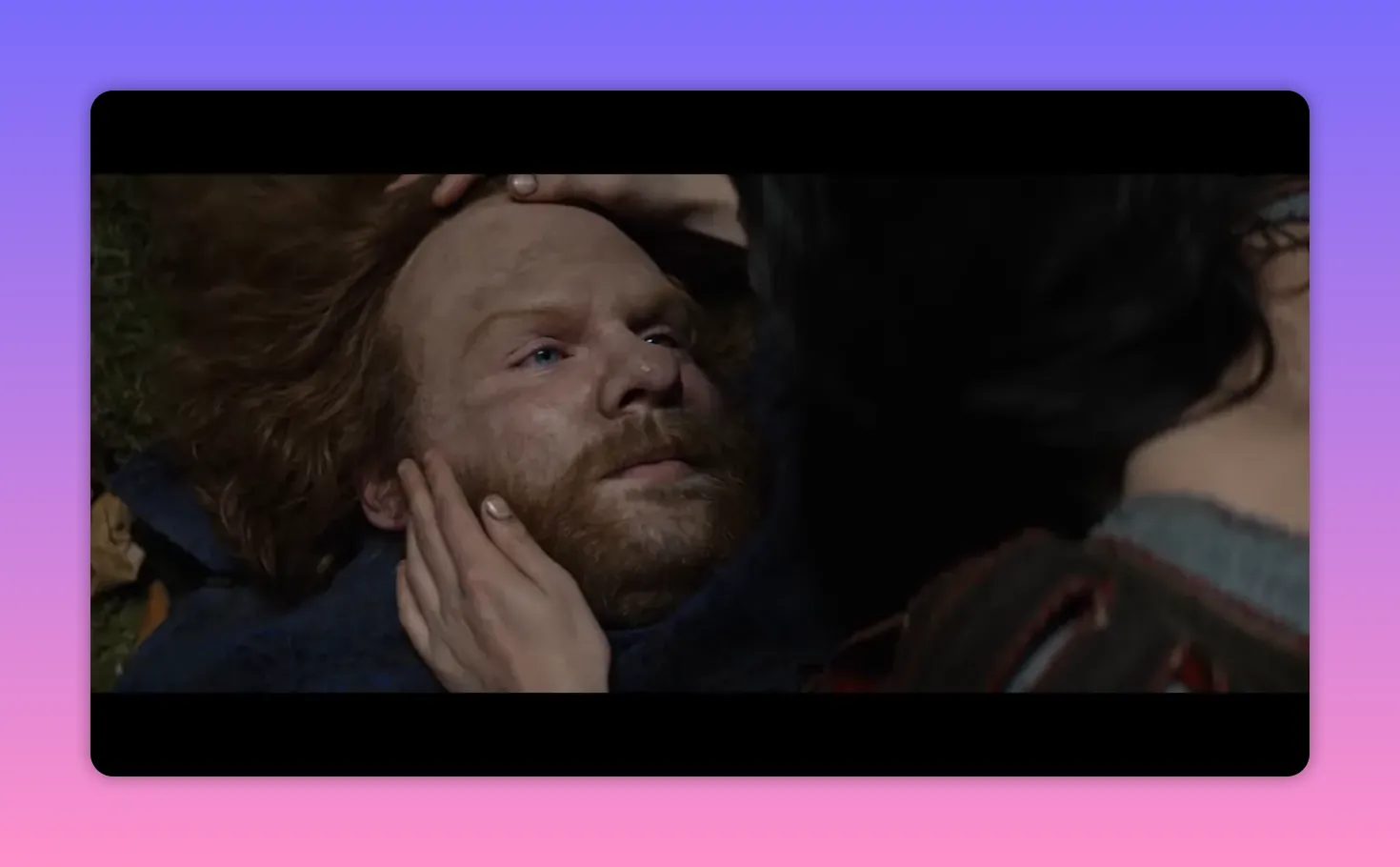
The Huntsman begins as a man who survived by staying alive. His skill with blade and survival instincts are obvious, but so is his emotional armor. Over the course of the conflicts he moves from mercenary to mentor to co-leader—someone who refuses to abandon the people he cares for, even in the worst moments.
Small beats in combat tell us a lot about him. When he says,
“I won’t leave you, miss.”
it is not just a promise to a single person; it is a narrative decision about responsibility. That line anchors his later choices in battle. He is a steadying presence amid chaos and often the one who makes the pragmatic call—who watches the flanks, who pulls allies out of danger, who chooses the middle path between reckless bravado and cowardice.
His combat style reflects his personality: economical, devastating, and precise. In large set-piece fights he is the pivot that lets the heroine be more than a reactive force. He buys moments for her transformation to complete itself.
The Queen’s dominance: more than a villain
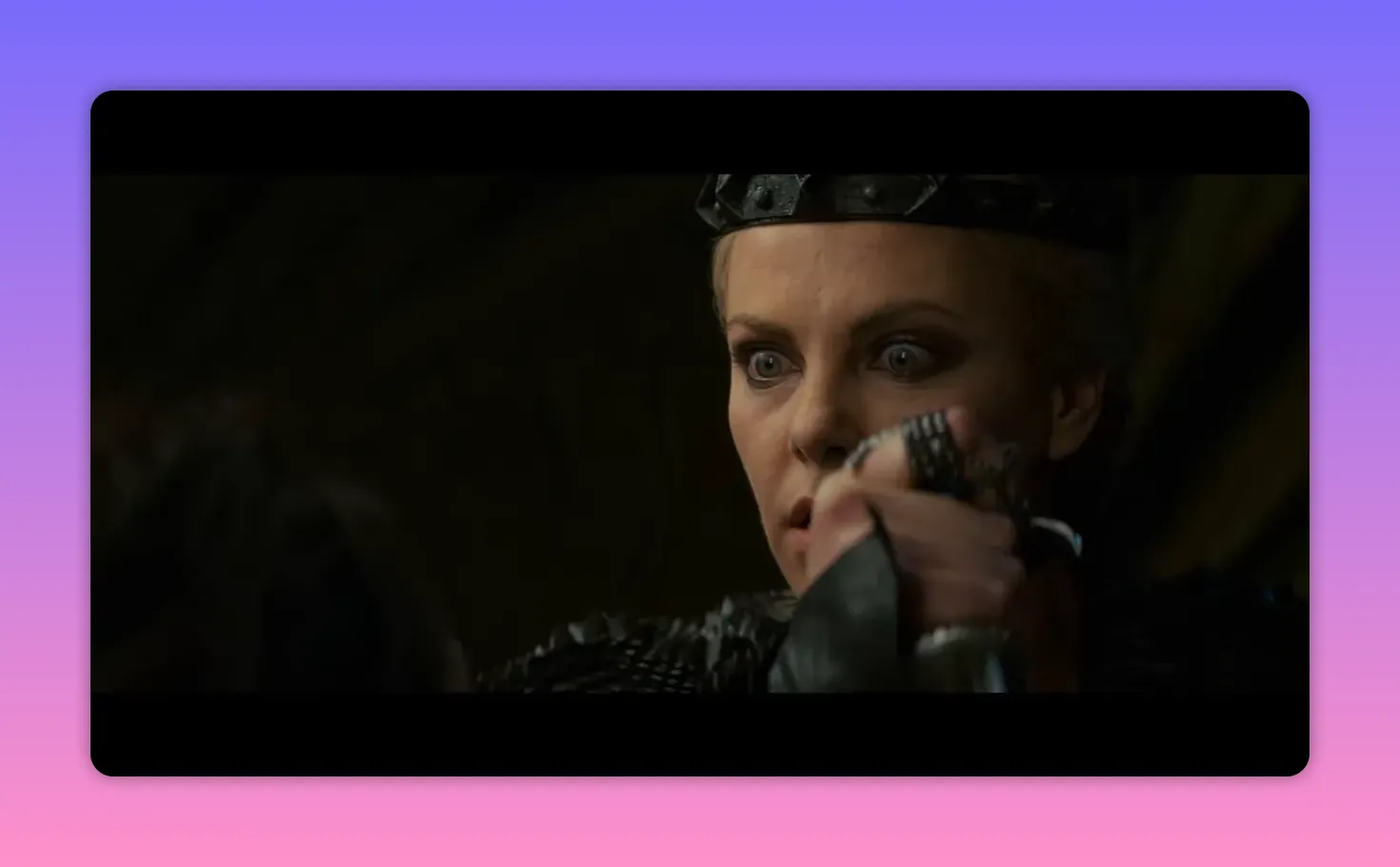
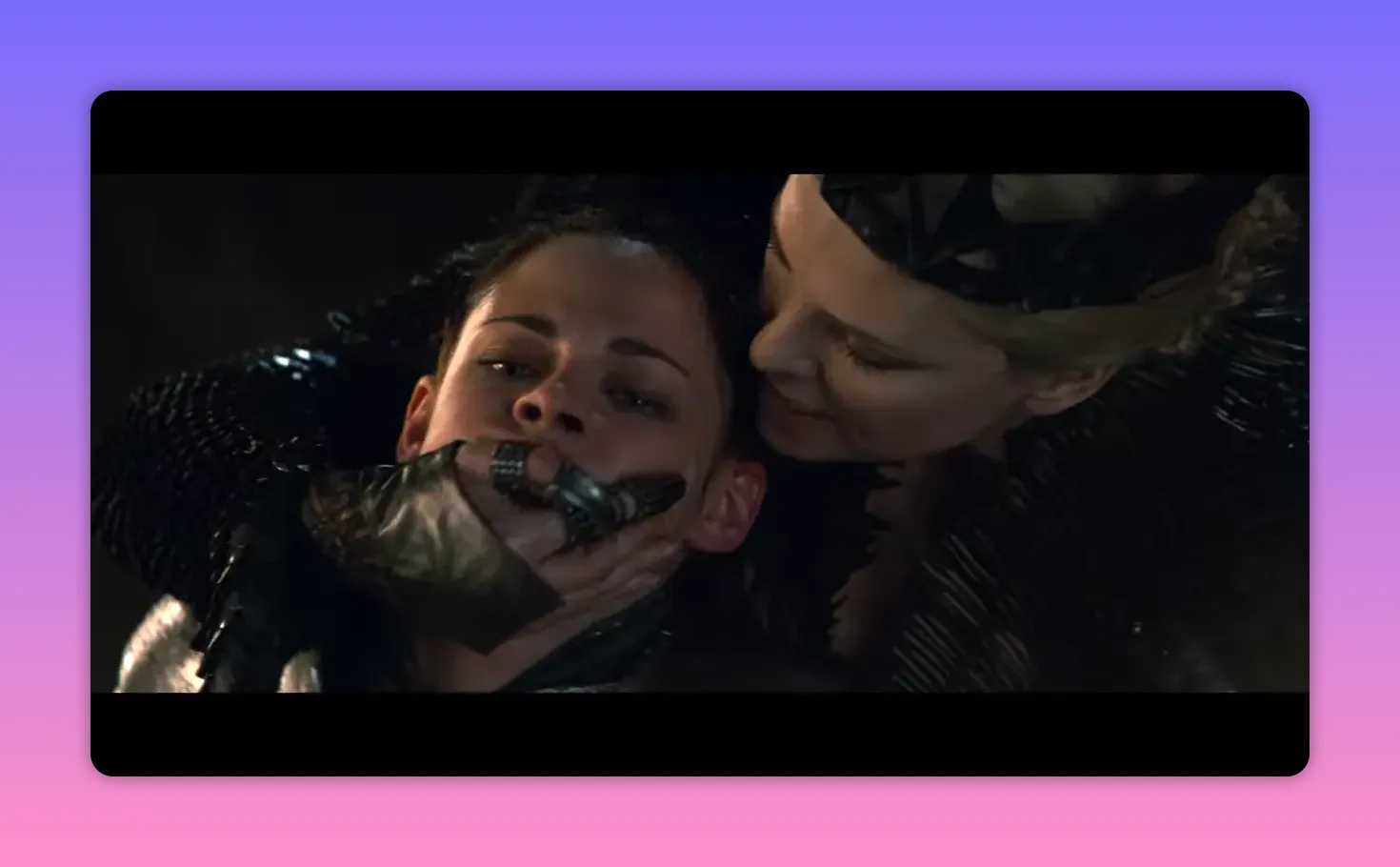
Great antagonists feel inevitable. The most memorable lines, delivered in a calm, almost rehearsed tone, make it clear why the world fears them. The queen is terrifying not simply because she kills, but because she knows how to weaponize history and identity. Her voice in battle is less about shouting than about corrupting: twisting past grievances into a mandate for violence.
Listen to the bravado and obsession in lines like
“I’ve lived many lives… Blood it is! And only by fairest blood is it undone.”
These words are confessional and doctrinal—they reveal a worldview where purity is processed through violence. The queen does not merely fight for domination; she believes the world must be remade in her image. That conviction makes every clash with her feel existential. It is not about territory, but about reconstruction of reality.
Environment as a combatant
What makes a fight scene unforgettable is rarely the number of explosions. It is the way the surroundings become a partner in combat. In these sequences the landscape is constantly shifting: rickety bridges, sanctuaries, burning halls, and twisted forests all set distinct rules for how characters must move and fight.

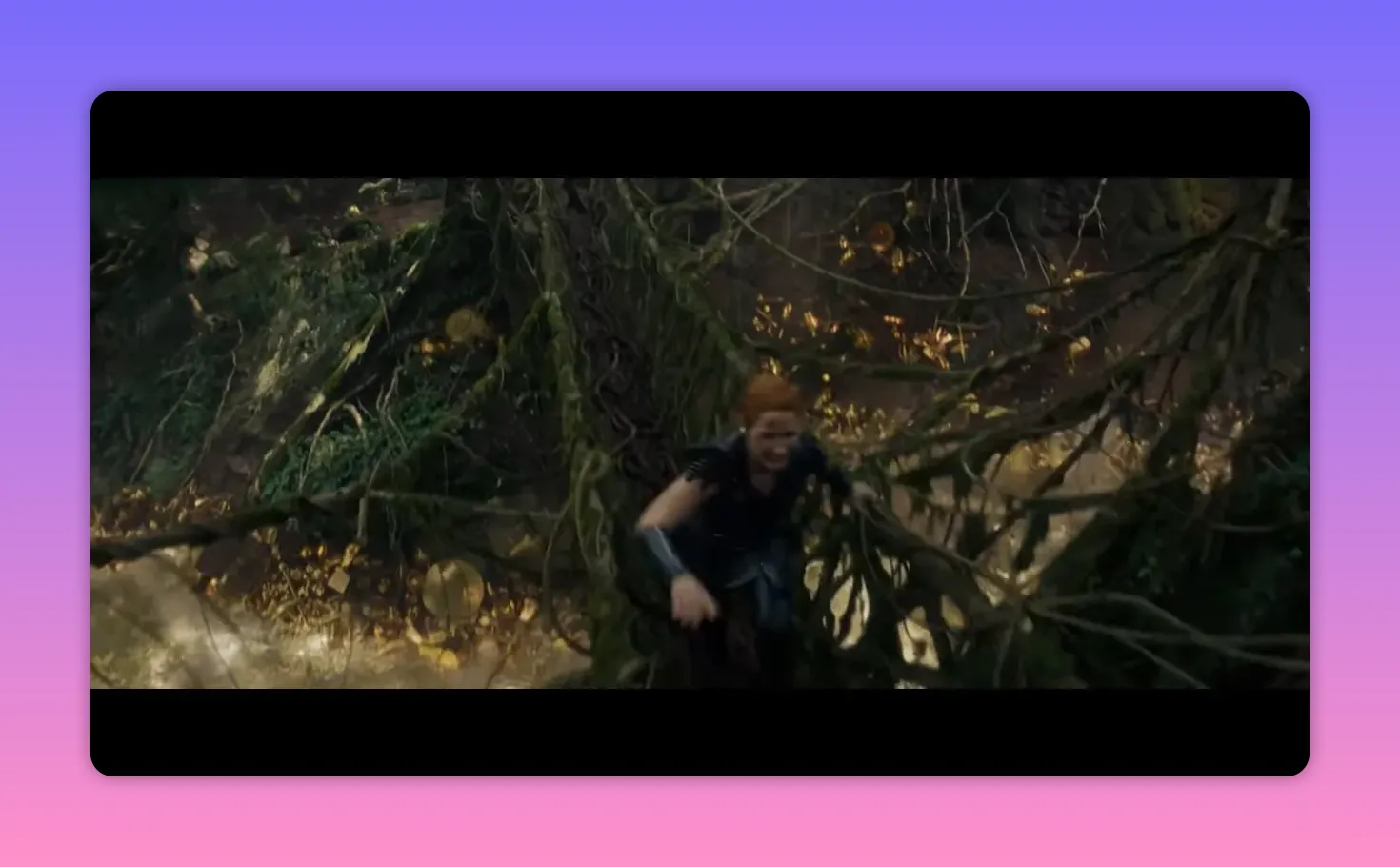
The wobbly bridge sequence is a great example. A bridge is not just a location; it is a test of balance, trust, and timing. Characters who stumble become vulnerable not only to enemy blades but to the laws of physics. Lines like
“Oh, this bridge is wobbly.”
cut against the heroics and insist on fragility. Cinematic staging that plays the environment into the choreography gives the crew of actors something real to react to and the audience a visceral sense of danger.

Magic and physicality: balancing spectacle and stakes
These battles inhabit a world where both swordplay and sorcery exist. The trick is to keep magic from short-circuiting tension. When a character can simply obliterate an opponent with a gesture, the physical fight can feel pointless. The solution is to make magic costly, emotionally tethered, or limited in scope.
The queen’s use of magic is theatrical and theatricalization alone is not enough. To remain dramatic, magic must have rules. Making it tied to life force, ancestry, or sacrifice prevents it from becoming a lazy shortcut. When spells exact a toll—when they require the caster to give up something meaningful—the audience understands why fights remain tense even in a world of enchantment.
Key battle breakdowns
Below are the major confrontations, organized as a progression that mirrors character development and thematic escalation. Each section analyzes what the fight does narratively, how it is staged visually, and the emotional payoff it delivers.
Opening skirmish: survival and stakes (Early)
The first combat sets the terms of the world. This is where weapon skill, tactics, and the presence of magic are introduced. When the action opens, it is often chaotic and raw: quick cuts, close quarters, and ragged breathing. The goal here is to tell the audience what is possible and what it costs.
- Narrative purpose: Establish that survival takes cunning, not just nobility.
- Visual beats: Mud, sudden ambushes, and an emphasis on small, tactical movements.
- Emotional thread: Trust is earned slowly; each wound informs future choices.
Forest pursuit: using the land as camouflage
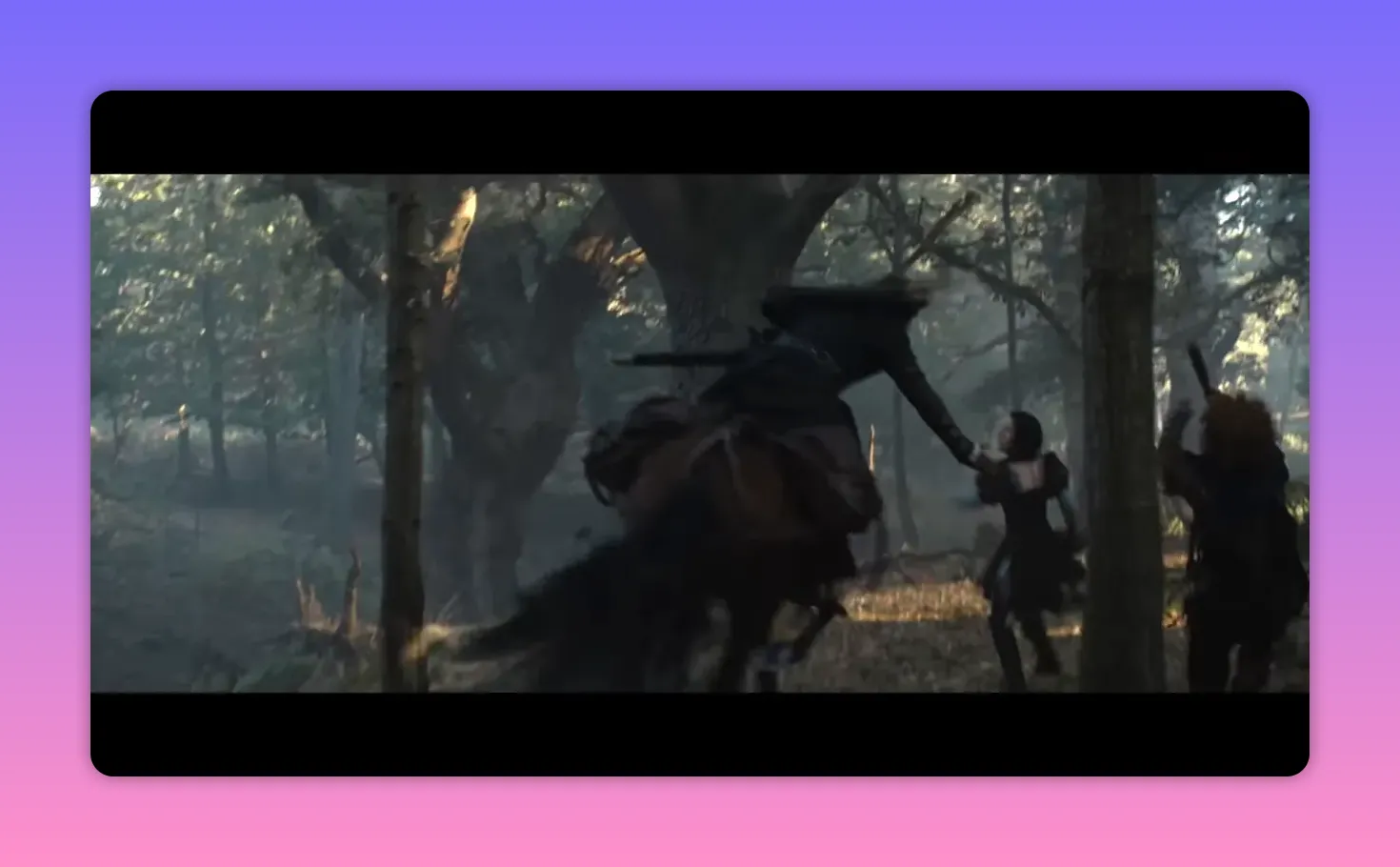
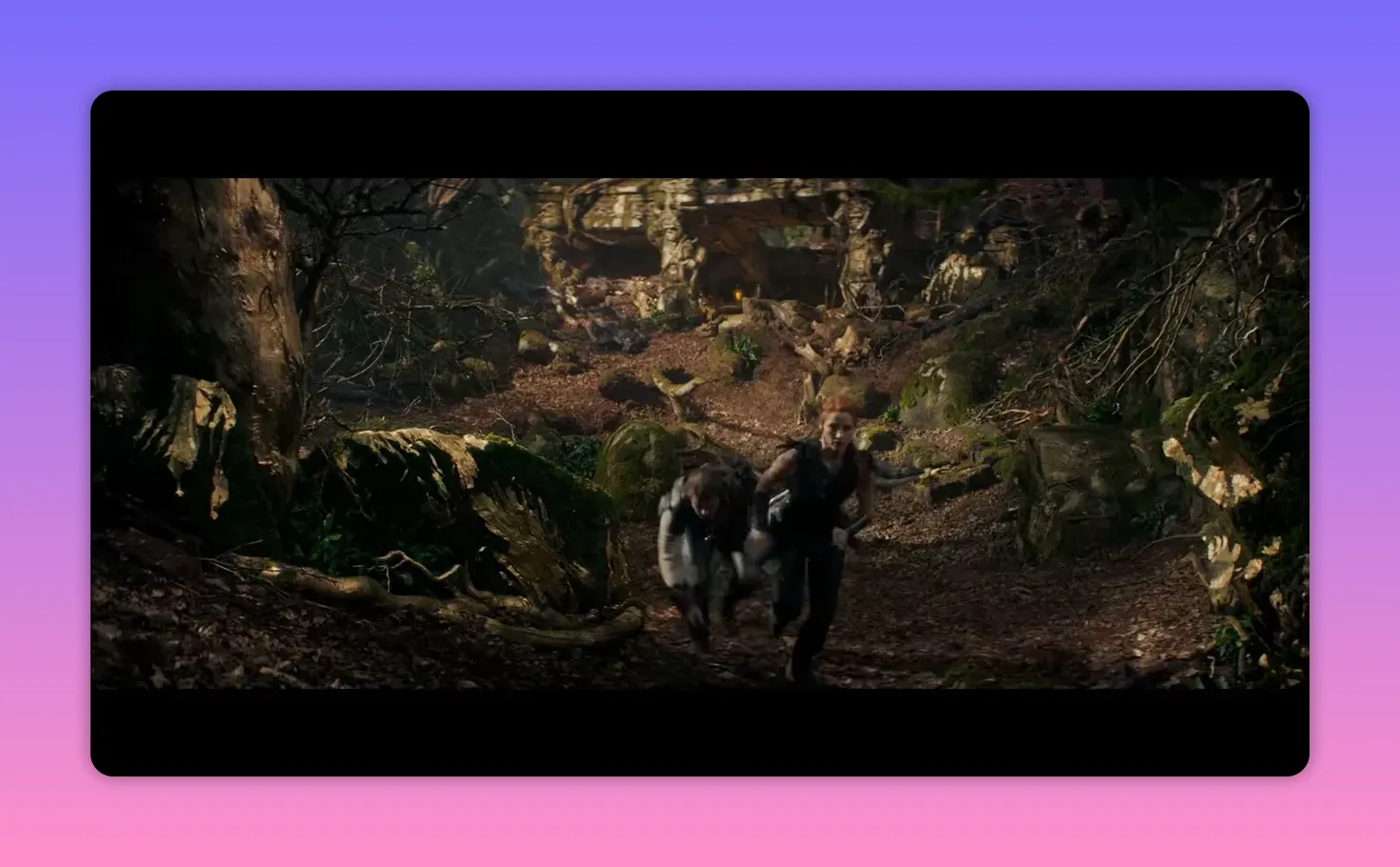
In the enchanted woods, terrain becomes both ally and enemy. Ambushes are common; visibility is limited. The choreography favors guerrilla tactics—hit-and-run strikes, traps, and creative uses of the environment. These scenes underline the Huntsman’s proficiency and the heroine’s adaptability.
- Narrative purpose: Build chemistry between the two leads by forcing cooperation under stress.
- Visual beats: Shifts from bright daylight to shadowed undergrowth to heighten uncertainty.
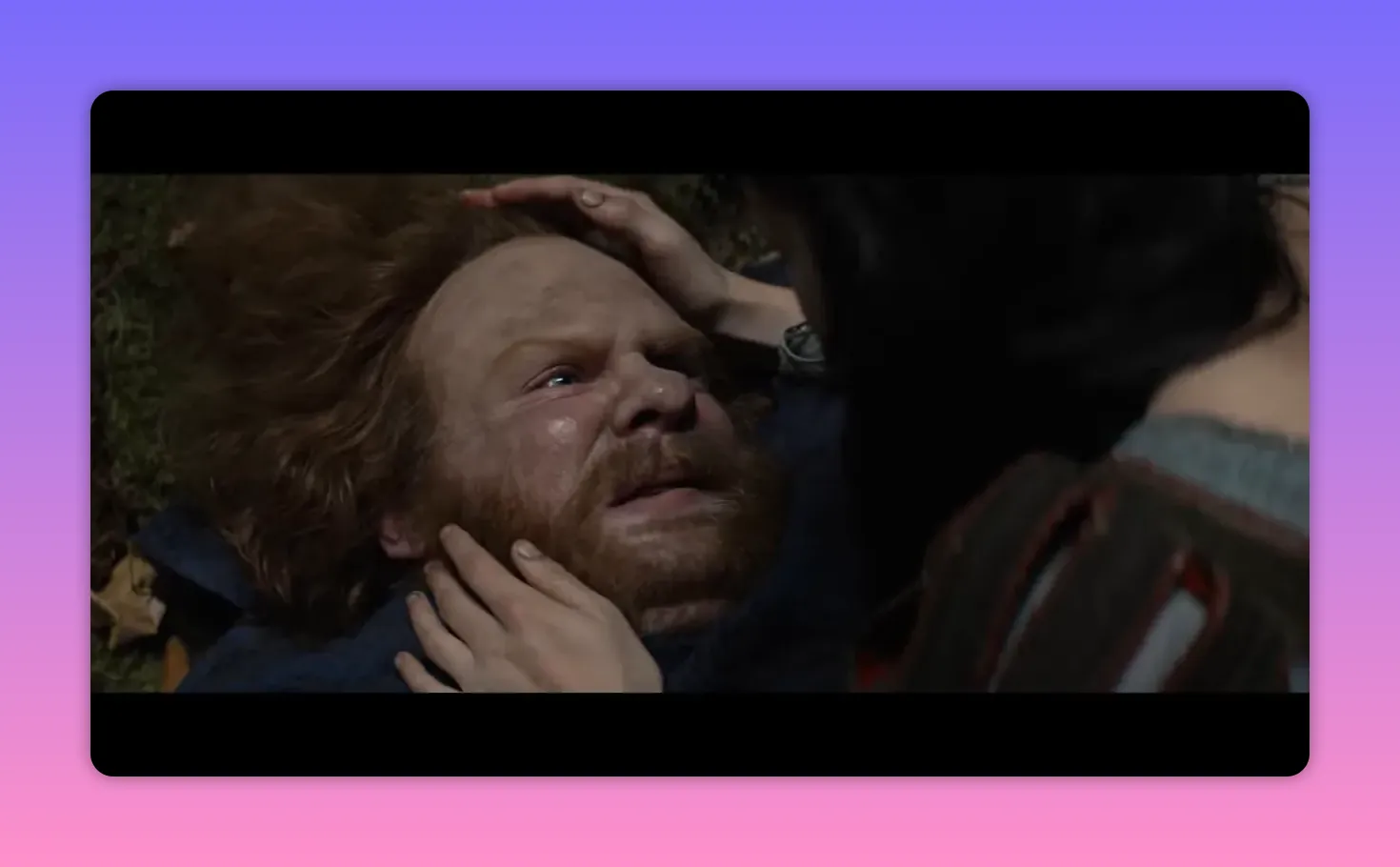
- Emotional thread: Small acts of devotion—dragging an ally to safety, refusing to abandon a wounded comrade—speak louder than speeches.
Bridge crossing: precarious momentum (Midpoint)
Physically exposed locations are perfect for mid-movie turning points. A wobbling bridge functions as a ladder: the characters that cross it undergo a moral advancement. The scene’s tension comes from the constant threat of environmental failure coupled with enemy pressure. Dialogue on the bridge often mixes levity and fear to humanize the danger.
- Narrative purpose: Create vulnerability, force a delegation of roles under pressure.
- Visual beats: Shaky camera angles, wide shots that emphasize height, and the creak of ropes and wood.
- Emotional thread: Humor tamped down by peril; trust tested in split-second decisions.

Sanctuary assault: the politics of war

An attack on a sanctuary is an attack on ideology. The space usually symbolizes refuge and faith, so its desecration raises the stakes beyond military victory. When combat moves into these kinds of interiors, choreography shifts to accommodate architecture: columns, high ceilings, and sanctified relics become obstacles and weapons.
- Narrative purpose: Expose the moral bankruptcy of the antagonist who drags battle into sanctified spaces.
- Visual beats: Firelight flickering across pillars, long shadows, and the shattering of symbols.
- Emotional thread: Survivors must reconcile the cost of winning with the damage done to what they sought to protect.

Final confrontation: ideology versus humanity
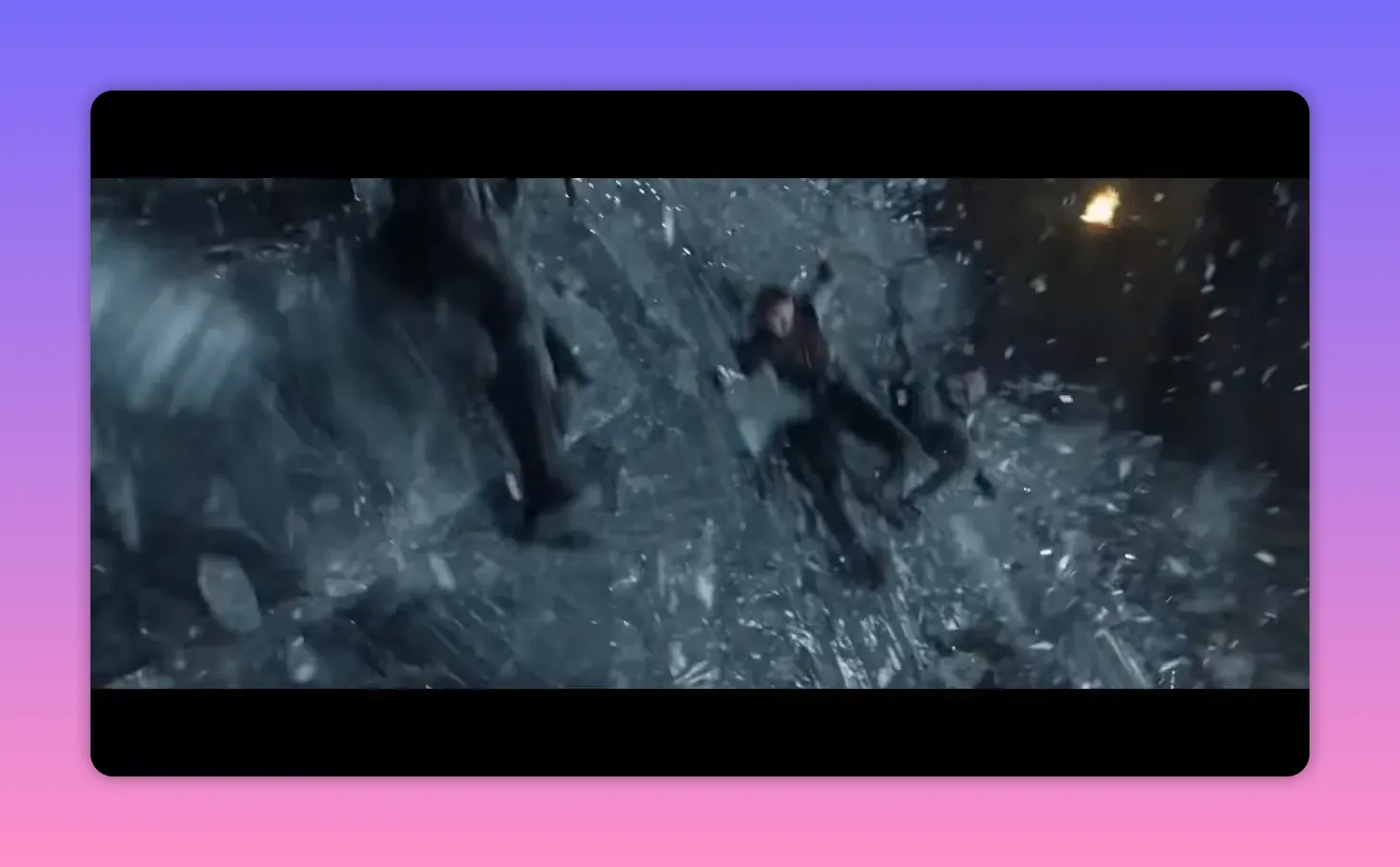
The climax of the conflict is not always the most explosive sequence. The best climaxes are sculpted so that every prior beat—personal losses, moral compromises, small victories—matters. The final duel pits the protagonist’s belief system against the antagonist’s corrupted doctrine. Forcing a face-off in an emotionally charged location amplifies the stakes.
- Narrative purpose: Resolve the character arcs and the ideological conflict in the most direct way possible.
- Visual beats: Intimate framing for personal exchanges, intercut with large-scale collapses that indicate the world is changing.
- Emotional thread: Catharsis and cost. Victory carries scars.
Costume, props, and symbolism
Costume and props do heavy narrative work in these fights. A piece of armor, a sword that has seen generations of use, or a pendant that never comes off can carry more meaning than a thousand lines of dialogue. The repeated presence of an object can anchor the audience emotionally and signal character continuity.
A single line—
“I’ve never taken it off.”
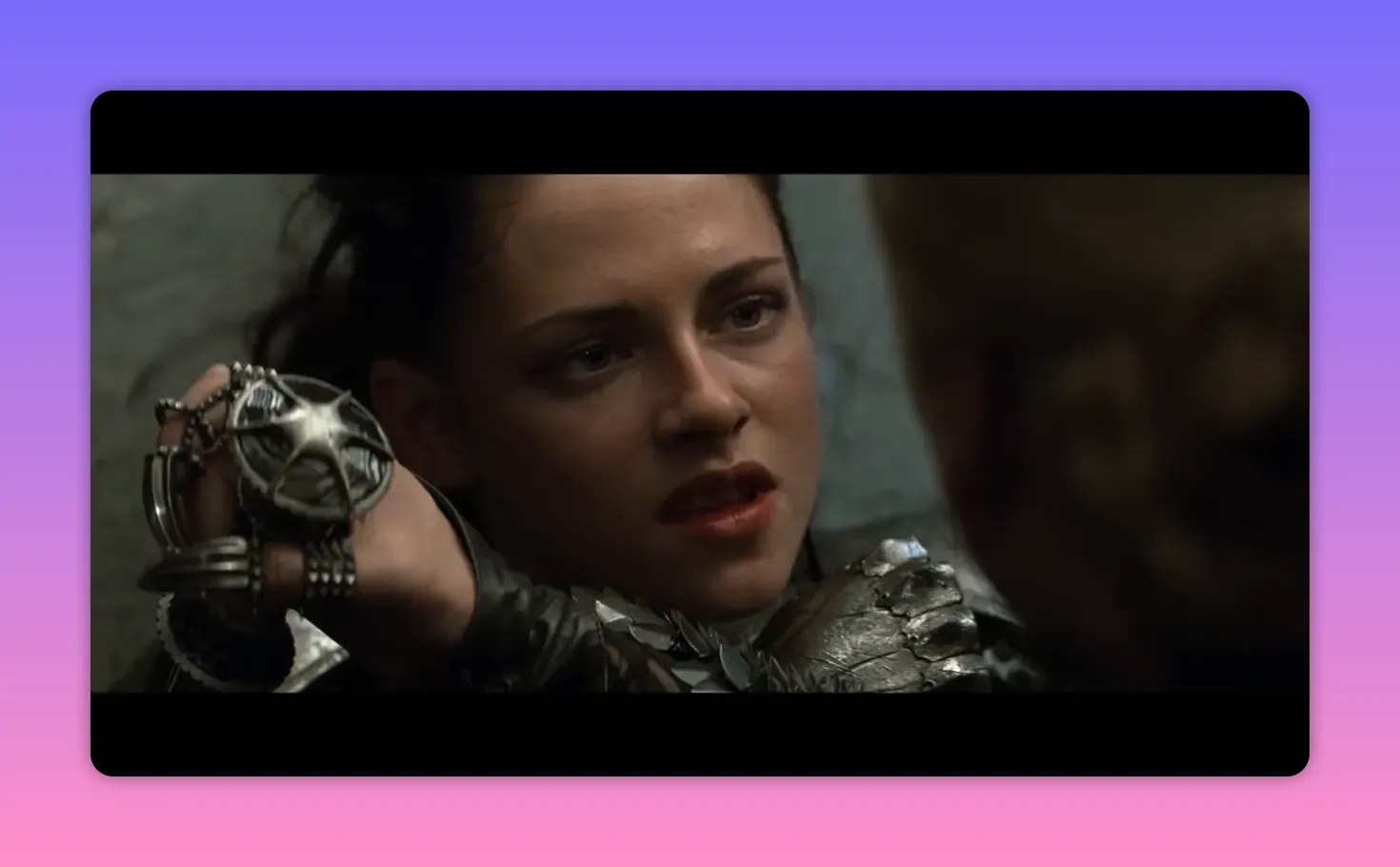
—speaks volumes. It could refer to a piece of jewelry, an emblem of office, or the physical manifestation of a vow. Such objects become talismans or burdens. The camera lingers on them in key scenes, reminding viewers of the personal stakes beneath larger conflicts.
The motif of blood is crucial. It is invoked not just as gore but as heritage, sacrifice, and corruption. When the antagonist declares
“Blood it is! And only by fairest blood is it undone.”
the phrase condenses the series’ moral dilemma: who gets to define purity, and what horrors follow when purity is enforced by violence?
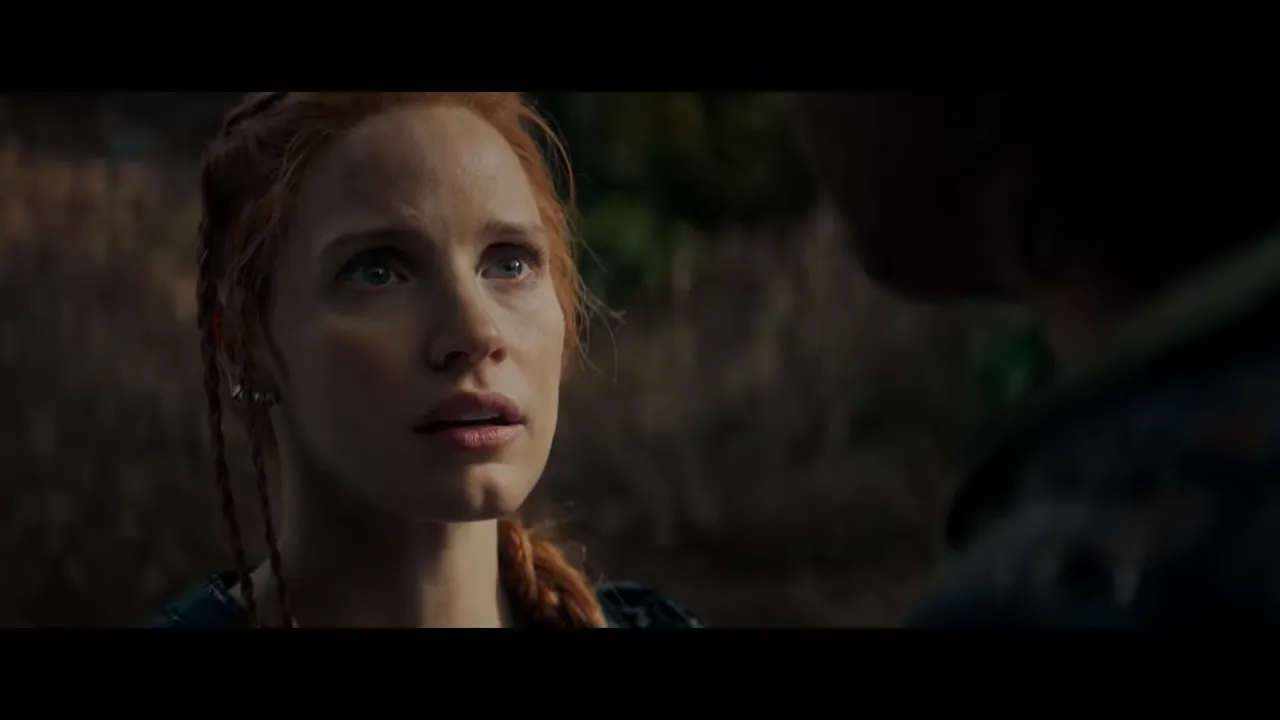
Sound, voice, and taunt: dialogue that lands in combat
Sound design matters. The clang of steel, the intake of breath before a strike, the soft crackle of a dying fire—these elements create texture. But so does dialogue. Short, cutting lines during fights work best when they reveal character rather than scoreboard stats.

Taunts serve multiple purposes: they distract, they provoke, and they reveal the inner life of the speaker. A villain who calmly explains their doctrine mid-fight is more chilling than one who simply rants. Calmness suggests inevitability. For example, when a character calmly points out a hero’s past failures, it becomes an emotional strike rather than just an insult.
Why these battles feel earned
There are several structural choices that make the combat resonate emotionally beyond spectacle. Each choice is a lesson in building memorable conflict.
- Character-driven stakes: Combat happens because the characters have personal reasons to fight. Those reasons are precise and visible to the audience.
- Escalation with consequence: Every fight changes the playing field. Losses carry forward and affect later choices.
- Limit magic to avoid deus ex machina: Magic is powerful when it has cost and restrictions.
- Use the environment: Landscapes and architecture are not passive backdrops; they alter tactics and emotion.
- Tactical variety: Mix large-scale clashes with intimate duels so pacing never grows stale.
Performances that anchor the chaos
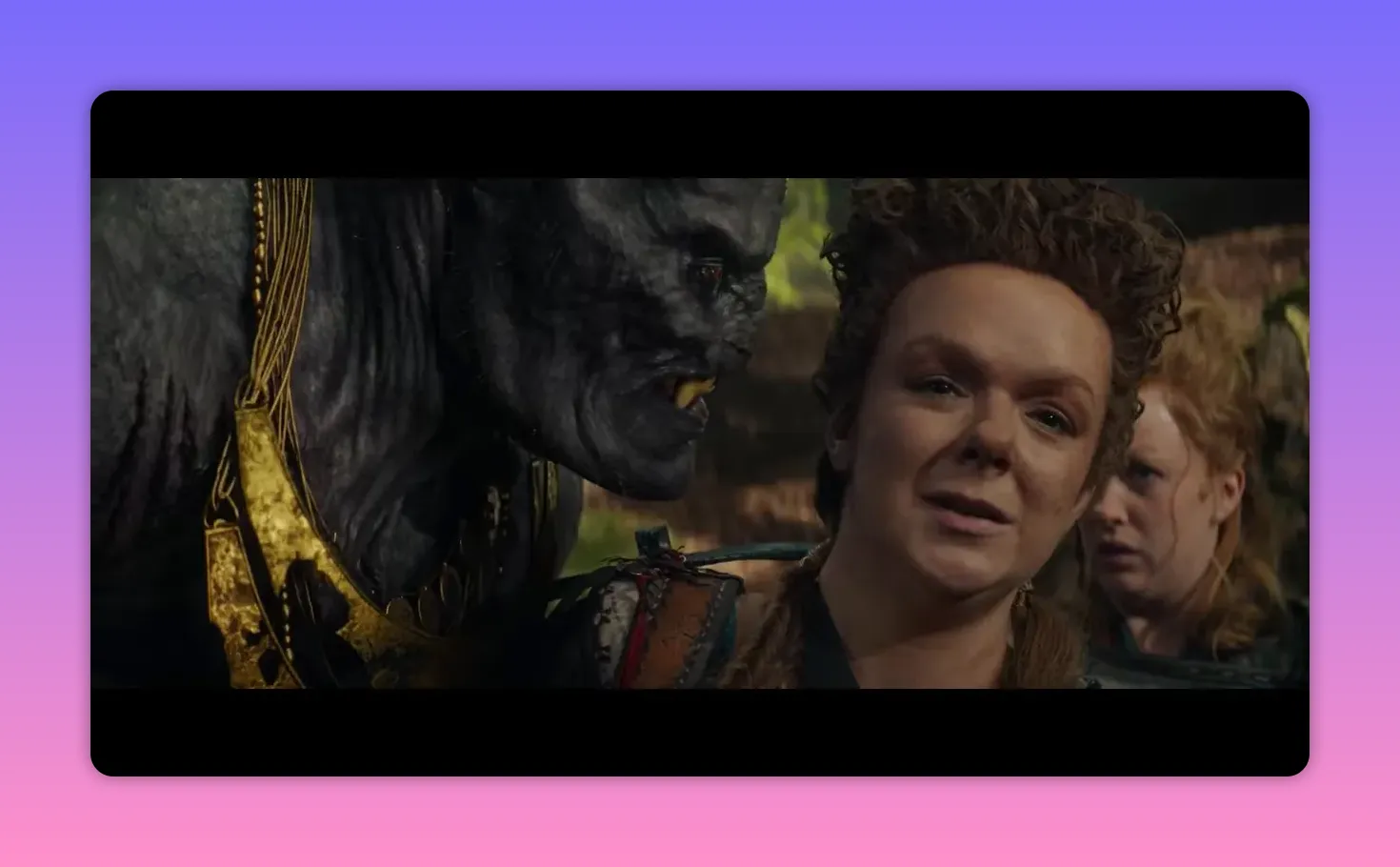
Action is only as believable as the performances it houses. A dramatic line delivered amidst combat can change the meaning of an action. Consider the quiet moments when a character whispers a plea or a confession between strikes. Those tiny beats are what audiences remember.
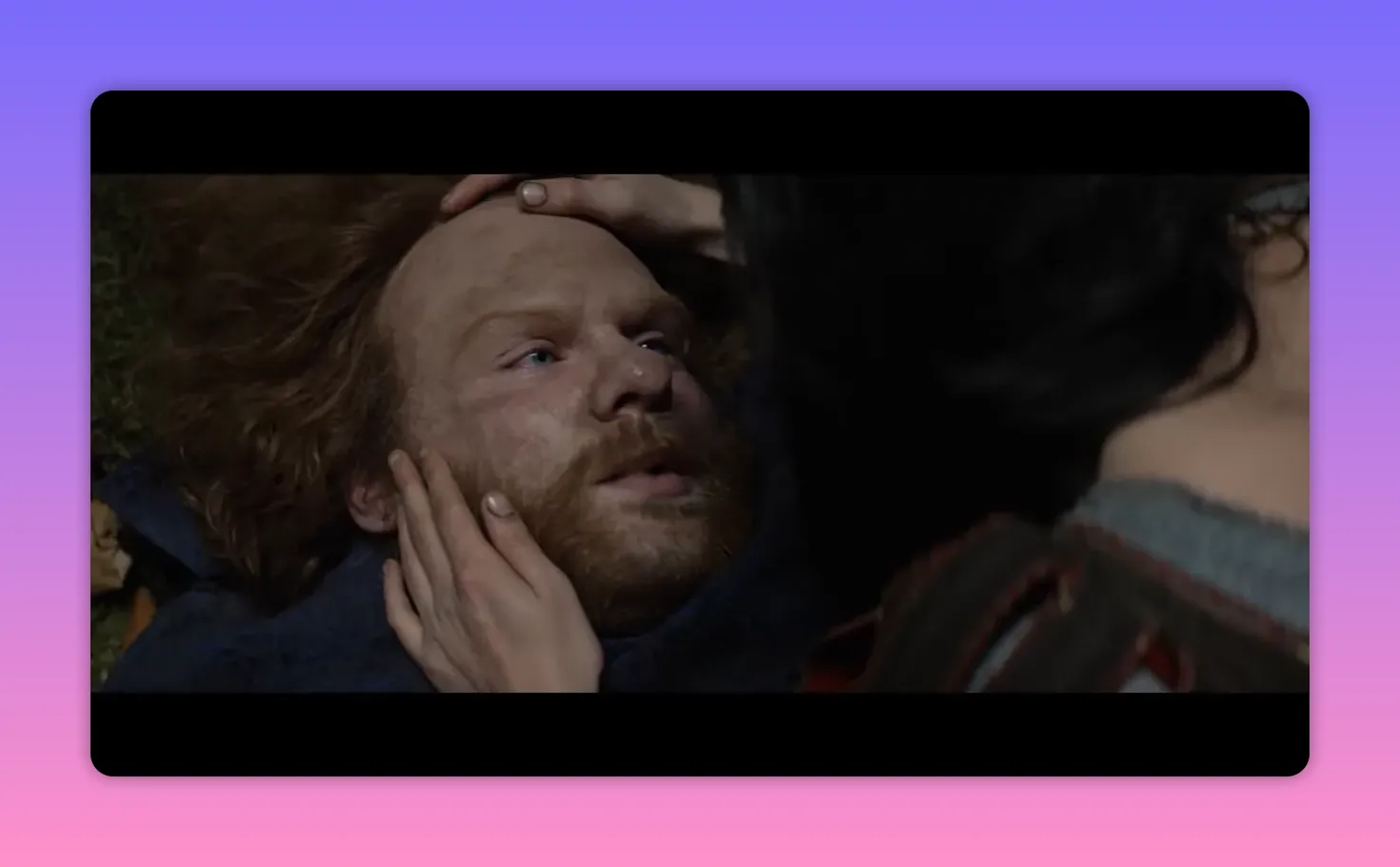
Human moments—breathless apologies, promises to stay, last-minute regrets—turn battle into theater. The Huntsman pulling someone to safety. The heroine steadied by a memory. The antagonist’s cold recitation of doctrine. These are the emotional anchors.
Lessons for storytellers and filmmakers
If you want fights that matter, borrow these principles:
- Fight for character first. If a battle does not change a person, it is just noise.
- Make each action meaningful. A sword stroke should reflect a choice.
- Use location dynamically. Let the space dictate creative choreography.
- Limit omnipotence. If magic exists, give it constraints and consequences.
- Honor emotional rhythm. Alternate high-energy sequences with quiet, revealing moments.
- Let symbols do heavy lifting. A single prop can carry a through-line across battles.
Applying these guidelines brings narrative clarity to spectacle. Viewers will not only remember the choreography but also the reasons those fights were worth staging in the first place.
How choreography supports storytelling
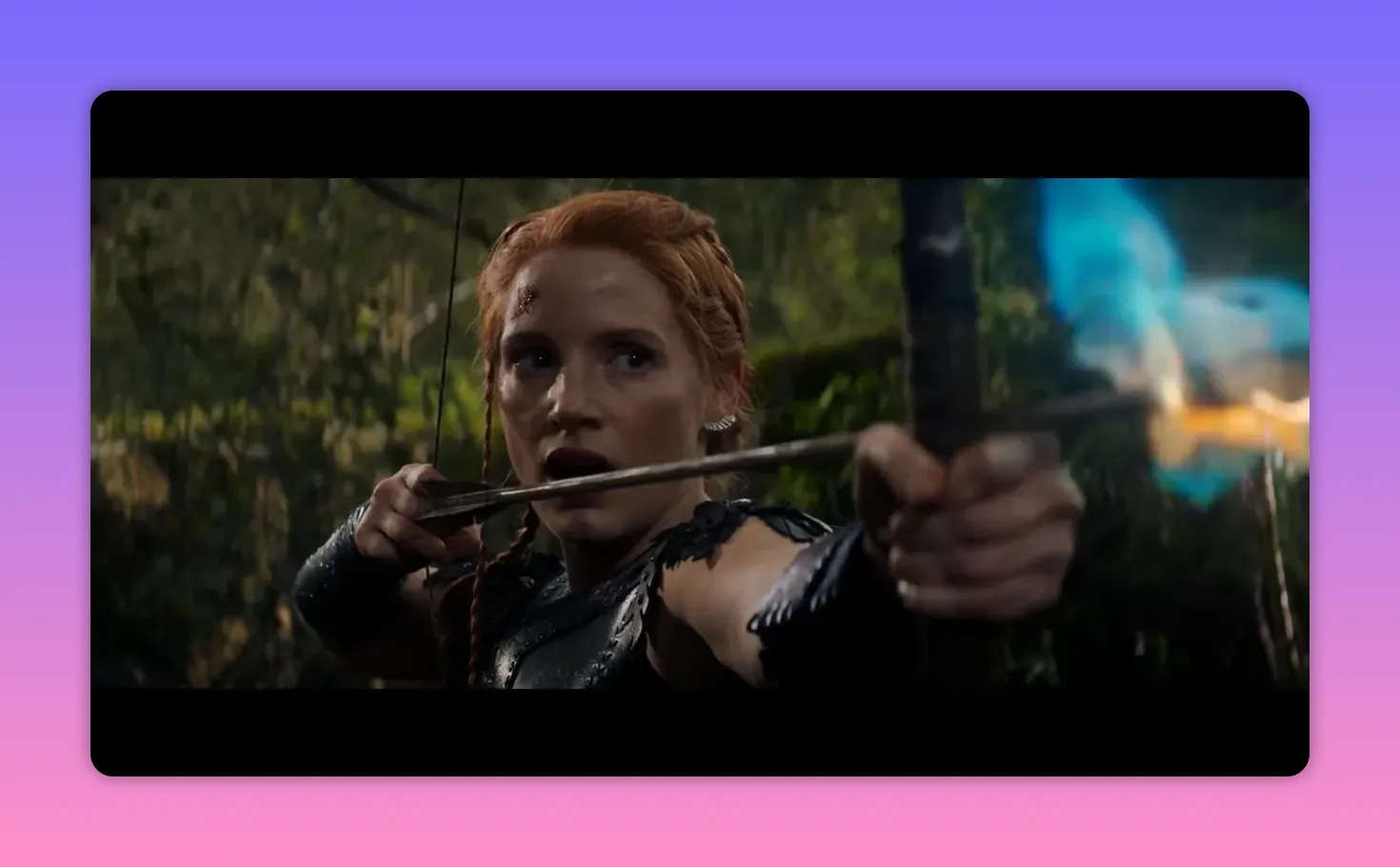
Combat choreography is often judged on two levels: clarity and emotion. Clear choreography communicates who can do what and how a conflict might resolve. Emotional choreography reveals why characters make the choices they make while fighting.
Clarity benefits from readable silhouette, distinct beats, and spatial awareness. Emotion benefits from human gestures: a hesitation before a strike, a hand reaching out instead of drawing a sword, a reluctant killing blow. The best sequences marry the two so that each move expresses both a tactical function and a beat in character development.
Thematic threads woven through conflict
Several themes recur across the battles and bind them into a unified narrative:
- Redemption through sacrifice. Characters often pay a price to atone or protect others.
- Love versus domination. Affection is shown as a counterweight to the desire to remake the world by force.
- Identity and blood. Blood as lineage, as curse, and as liberation is a central motif.
- Power’s corrupting ease. The promise of absolute control is always seductive, and the true test is whether characters resist that ease.
These themes are not preached. They are dramatized through combat, dialogue, and visual symbolism. A successful battle scene supports the theme rather than distracting from it.
Visual language: color, light, and silhouette
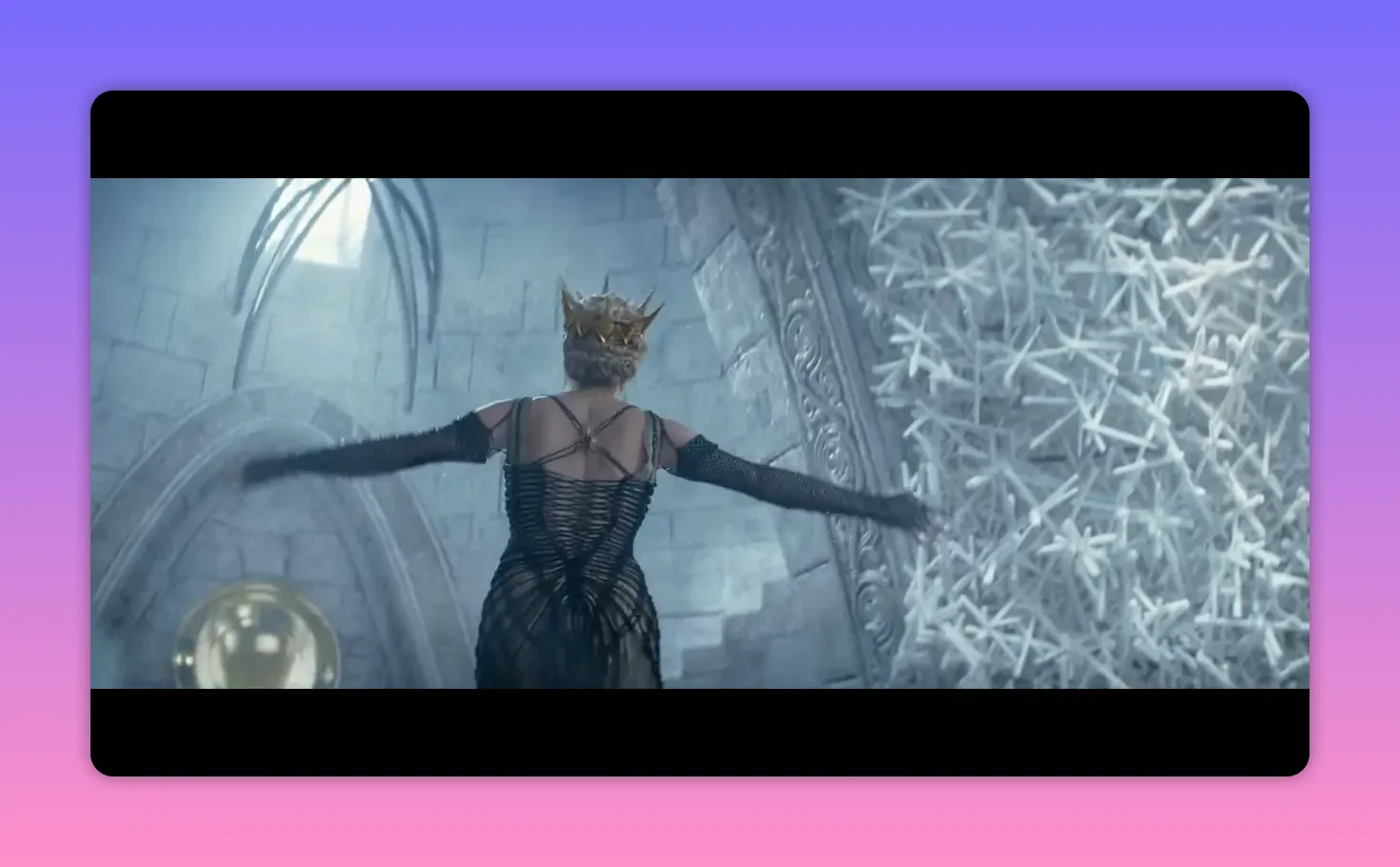
Battles rely on visual shorthand to communicate mood quickly. Color palettes signal stakes: cold blue grays for despair, warm reds and golds for zealotry. Silhouettes inform us of the type of combat—sword versus sword, quick stabs versus sweeping attacks—and allow quick understanding even in fast cuts.
Light is especially important. High-contrast lighting emphasizes moral binaries during key exchanges: a character bathed in shadow may be flirting with corruption, while one lit from behind can feel isolated or transcendent. Such choices help the audience emotionally parse the carnage and focus on what matters.
What makes a final victory feel earned
An earned victory must meet three criteria:
- Prior investment: The audience must care about the characters involved. That care comes from earlier arcs and small details.
- Cost: Winning should require sacrifice. A costless triumph feels hollow.
- Change: The world must be different afterward. If nothing is altered, the conflict was inconsequential.
When a protagonist wins after laying everything on the line, the audience experiences catharsis. The victory functions as both narrative resolution and emotional release.
Who leads the major battles and how do their roles differ?
The heroine and the Huntsman share leadership but in different ways. The heroine embodies moral leadership and long-term strategic vision—she fights for an ideal and for the people she loves. The Huntsman provides tactical leadership: hands-on expertise, battlefield instincts, and the steady pragmatism that keeps plans grounded. Together, they balance heart and skill.
Does magic make combat less meaningful?
Not if it has limits. Magic remains meaningful when it costs something, is tied to lineage or sacrifice, or is strategically constrained. Treating magic as another kind of resource that can be exhausted or corrupted preserves dramatic tension.
How should environment shape choreography?
Let the environment create rules. A narrow bridge calls for cautious, single-file tactics; a cathedral with columns invites hit-and-run attacks using cover and vertical movement. Using the environment to force creative solutions increases variety and narrative interest.
What role do props play in emotional storytelling?
Props function as emotional anchors. A worn sword, a pendant never taken off, or a mirror can carry backstory without exposition. They become physical representations of promises, guilt, ancestry, or identity.
Why is restraint important in fight scenes?
Restraint ensures that each beat carries weight. Overusing spectacle dulls emotional impact. Strategic restraint—holding back a big move until it matters—elevates the eventual payoff and highlights character choices.
Are character motivations before fights more important than choreography?
Yes. Spectacle without motivation feels empty. The choreography should reveal motivations—who hesitates, who fights with rage, who protects others—turning physical action into story revelation.
Where can the films be watched for more context?
The two main titles in the series are Snow White and the Huntsman and The Huntsman: Winter’s War. They are widely available through major digital retailers and home entertainment platforms. Seeking out both films gives the full narrative and thematic context for the battles discussed here.
Closing: why these battles linger
Iconic battles stay with us because they change something fundamental—about characters, about the world, or about how we think of power. In the Snow White and the Huntsman saga, fights are never gratuitous. They are instruments of transformation, exposing who each character is at their most vulnerable and most resolute.
When sword meets shield or spell meets resistance, what matters is not how many bodies fall but who rises and who is irrevocably altered. Those are the fights worth staging. Those are the fights worth remembering.


