

Setting the Stage: The Poppies, Frenzy, and Flashbulbs
The carpet is crowded, the hosts are joking, and a cascade of cameos floods the room. Stars arrive in waves, whispering sidebars and whispering product plugs. In the middle of the razzle-dazzle is a single knot of tension and anticipation: a long-awaited reunion of a beloved pop outfit, the Style Boyz, and the question everyone secretly wants answered — will they perform together again?
Moments before the lights hit the stage, laughter, misdirection, and a few ego-driven confrontations set the tone. One performer jokes about being accompanied by an array of brand-sponsored appliances. Another tastes the acid of backstage politics when a manager and artist collide over authenticity and money. These scraps of chaos are not just scene-setting; they reveal, in microcosm, the larger forces acting on modern pop stardom: image management, marketing, and the thin line between fame and farce.
The Conflict: Fame, Money, and a Manager’s Meltdown
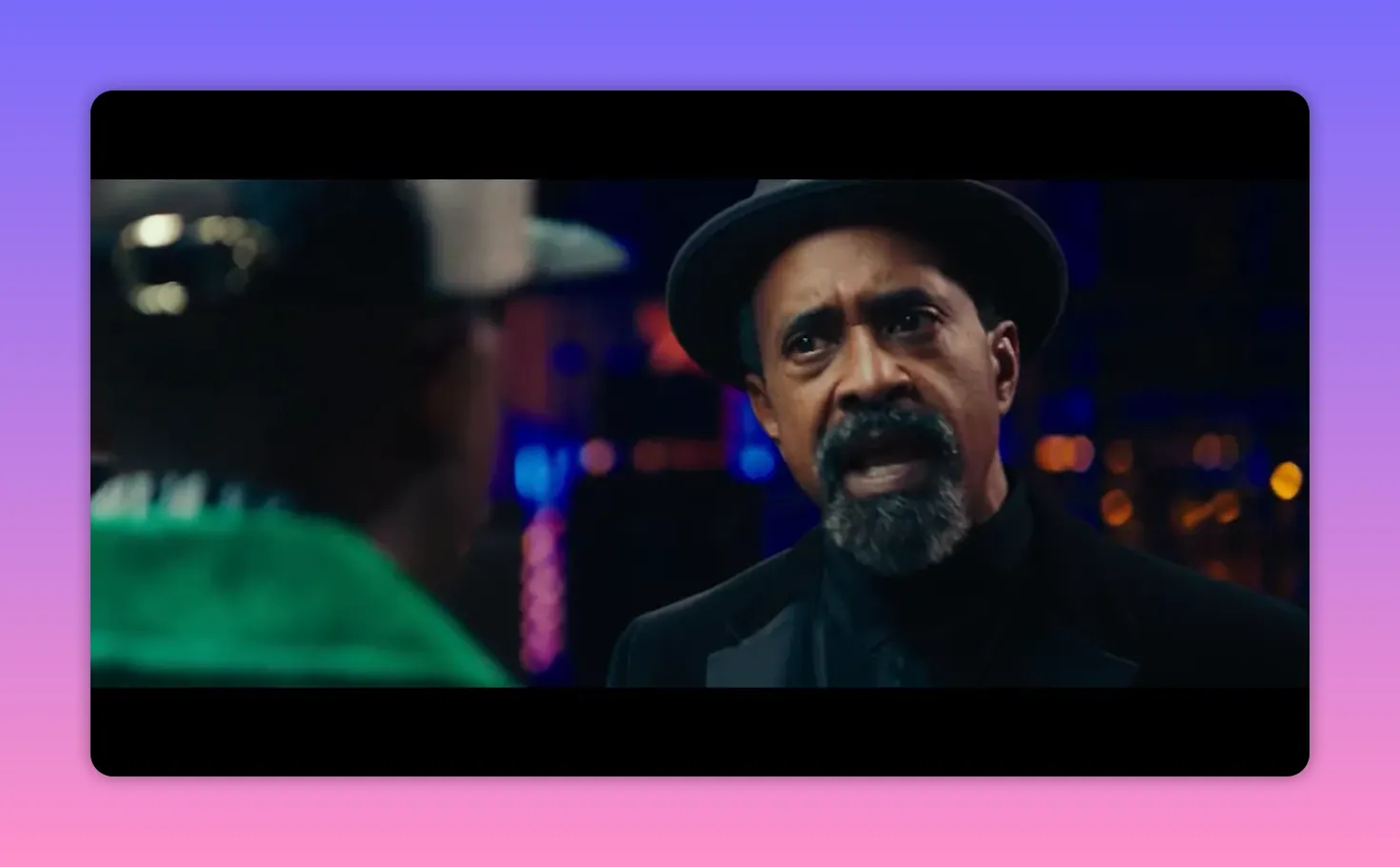
There is a brief but crucial exchange that crystallizes the thematic undercurrent of the whole event. A manager is called out in front of the assembled stars. The complaint is blunt: sellout. The manager’s reaction is even more revealing — indignation spun into a theatrical, borderline animalistic retort.
“You ain’t nothing but like a fake sellout money hungry pop ass manager… I will eat your head.”
It is funny and alarming at once. That raw outburst is comedic gold because it lays bare a truth people usually sugarcoat: the entertainment industry is about transactions, and as a public figure you constantly negotiate the cost of your credibility. The scene captures the absurdity of those negotiations. It also shows how quickly personal and professional lines blur in show business — where a “check cashing” decision can become a public shaming and a moment of performance in its own right.
Three Minutes to Decide: Art or Nostalgia?
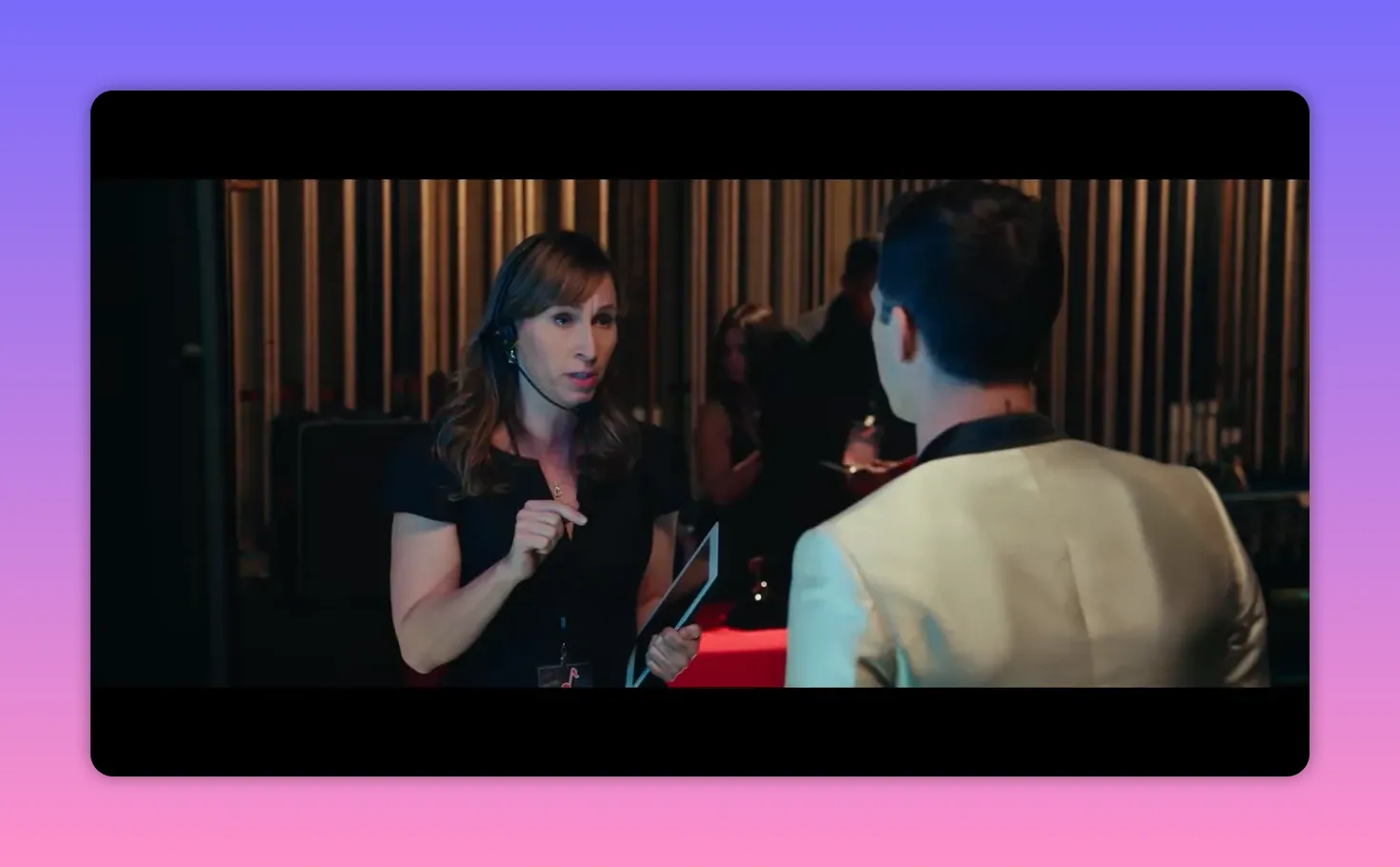
As curtain time approaches, a logistical twist forces an artistic choice: one song, three minutes. Which act will get the slot — the current solo material or the reunion anthem that promises nostalgic payoff? The tension is electric because it is more than time management; it is a choice between two identities.
On one side is the present: a solo artist who has been built into a brand, whose new single is the product of modern music commerce. On the other is the past: the Style Boyz, whose collective voice and shared history are a direct ticket to distributed joy. The three-minute ultimatum becomes a spotlight on reinvention and legacy. In three minutes, you can either reassert your current self or resurrect the myth that made you famous.
The Announcement: A Reunion and an Invitation to Wonder
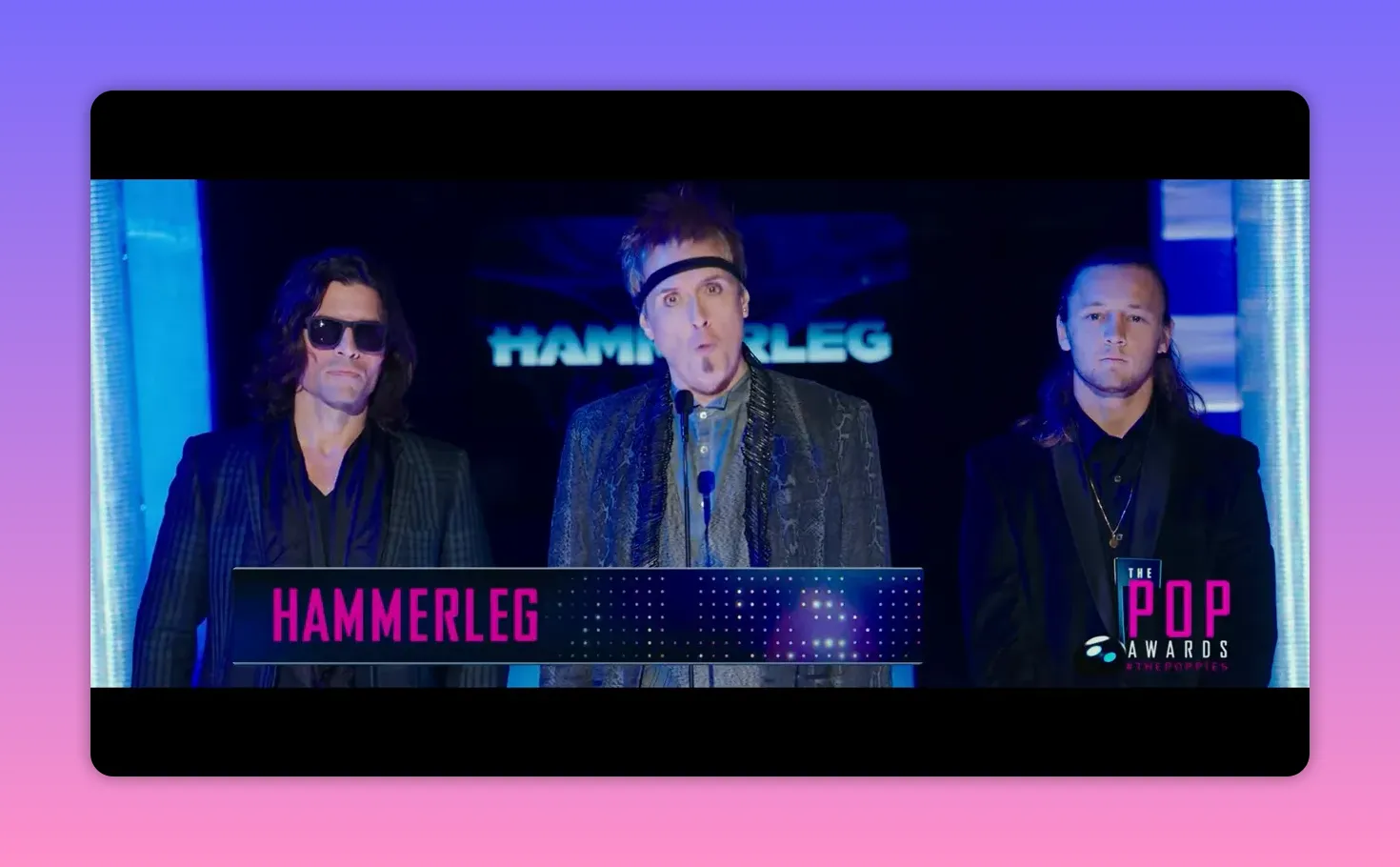
The announcement comes with an old-fashioned flourish: a stage introduction like a wrestling match and an explicit nod to collaboration. The host teases a “special guest” and hints at creative research — the discovery of a trove of journals filled with what they call “incredible thoughts.”

Those journals are a device and a metaphor. They stand in for an irreverent creative source: raw, ridiculous, and overflowing with image-based jokes that function more like modernist poetry than conventional pop lyrics. When the author’s imagination is described as capable of conceiving a “snow white dove in the pitch black night” or “a milk dud sitting in the acid rain,” the result is comic surrealism that simultaneously pokes fun at pop lyricism and embraces the childlike capacity for conjuring vivid, bizarre metaphors.
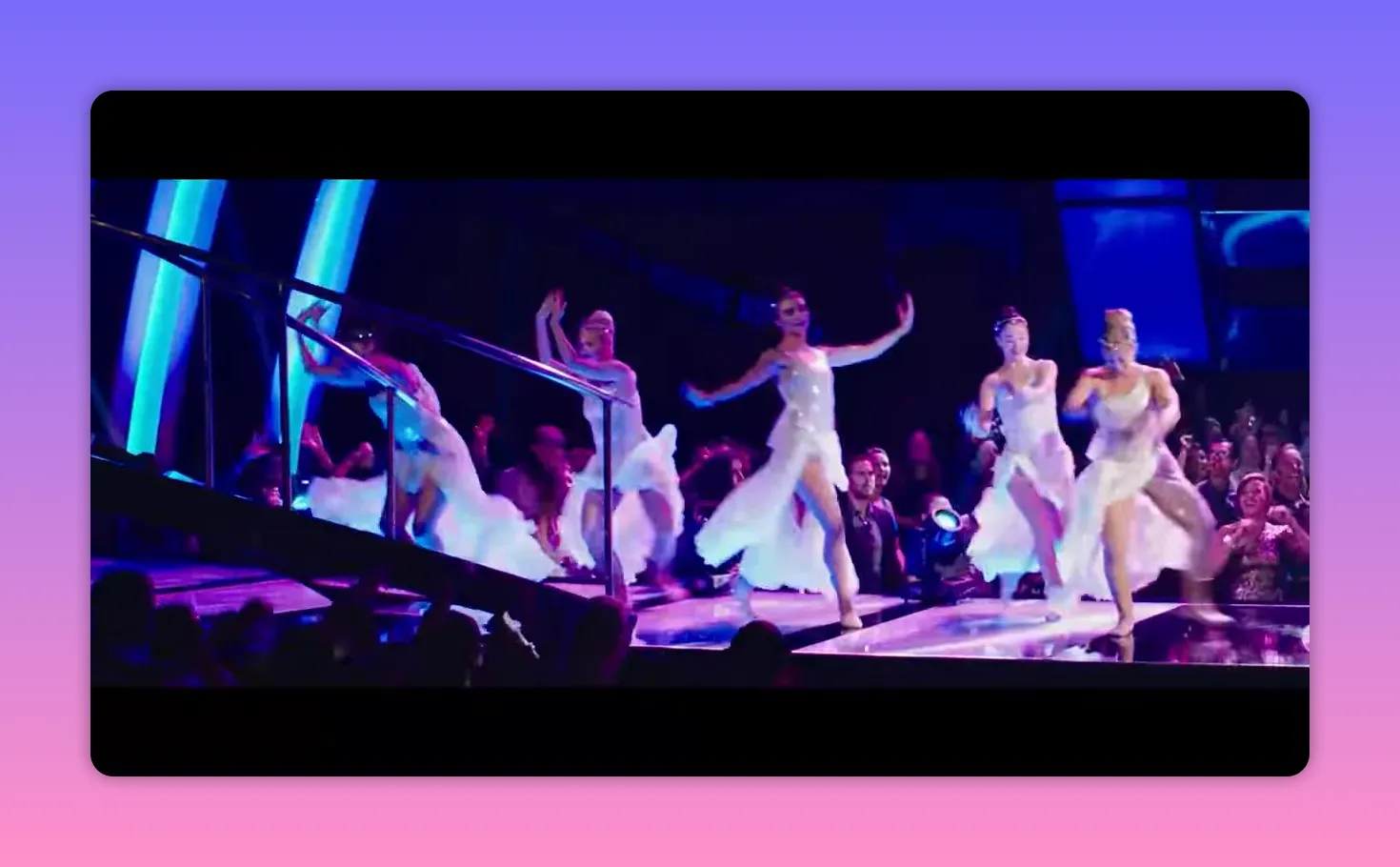
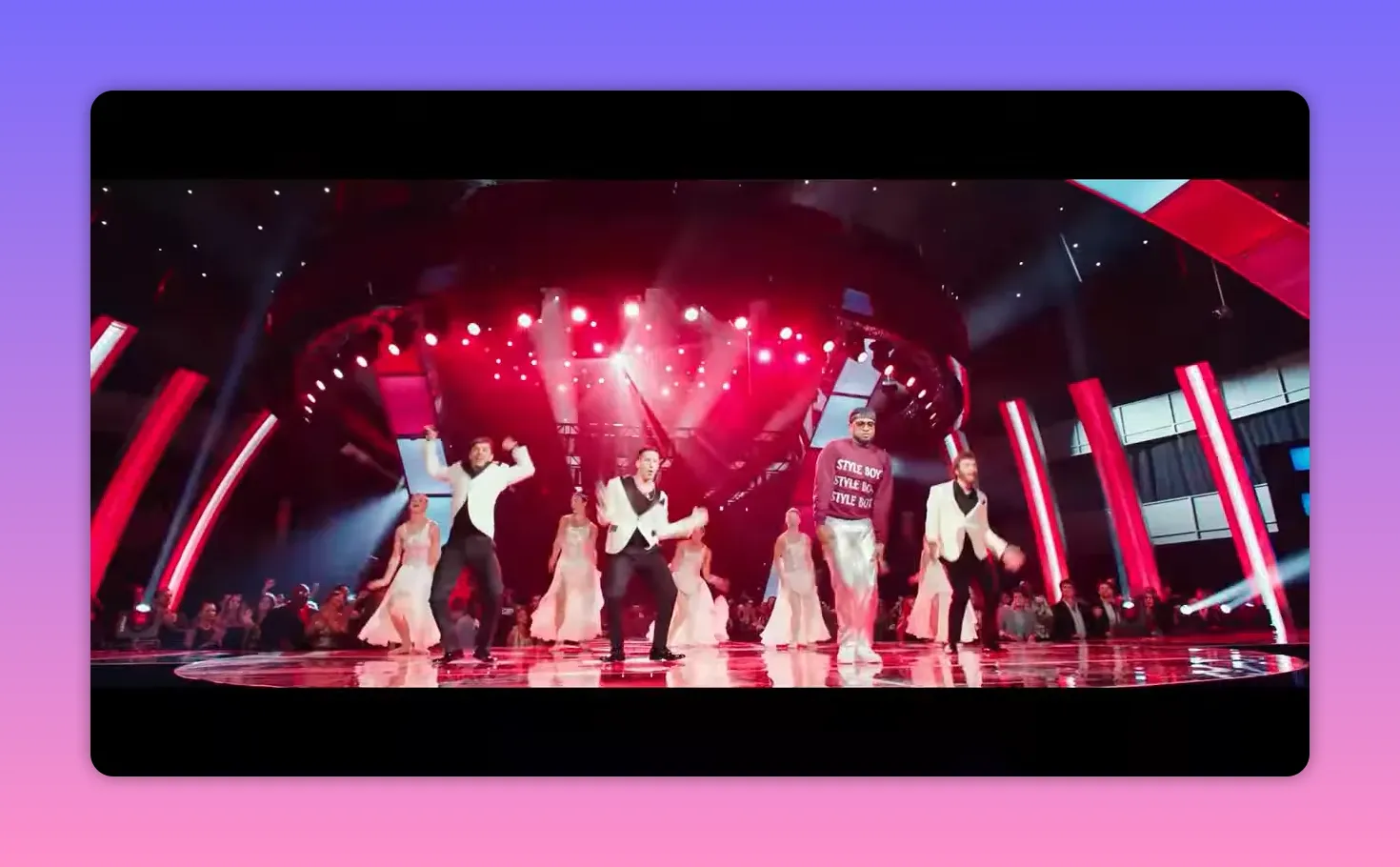
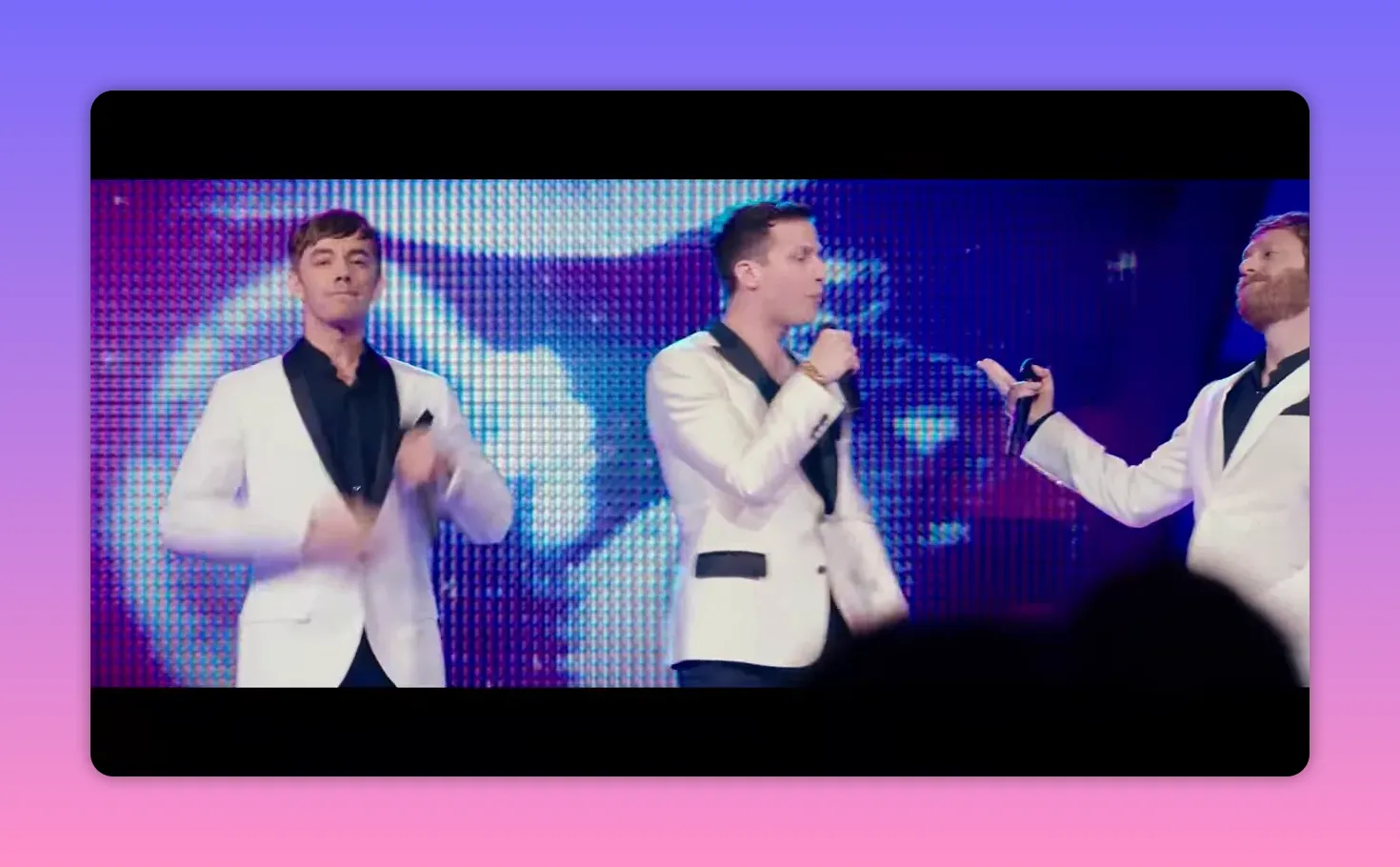
Performance as Ritual: The Style Boyz Take the Stage
What unfolds is less a song and more an incantation of absurdist imagery. Lines tumble out like mental snapshots, each one constructed to be visually irresistible and punchline-ready. The effect is hypnotic: a barrage of mental images that are both silly and oddly moving when stacked together.
Some examples of the recurring motifs:
- Juxtaposition of opposites: snow white dove in pitch black night; carrot in the desert. These are crisp images that create a tension between expected contexts and surprising placements.
- Sensory mismatch: a kitten hugging a dog; a fish playing guitar and singing. These flip typical relationships and rely on cute dissonance to get laughs.
- Absurd logic: TV is free, but what is the cost? GPS and yet we are still lost. These are philosophical spoonerisms masquerading as throwaway lines.
- Escalating silliness: the list grows deliberately stranger — from ballerinas waiting for buses to a man breaking his leg inside a hospital — deepening the comedy by pushing stakes and tone up and down.
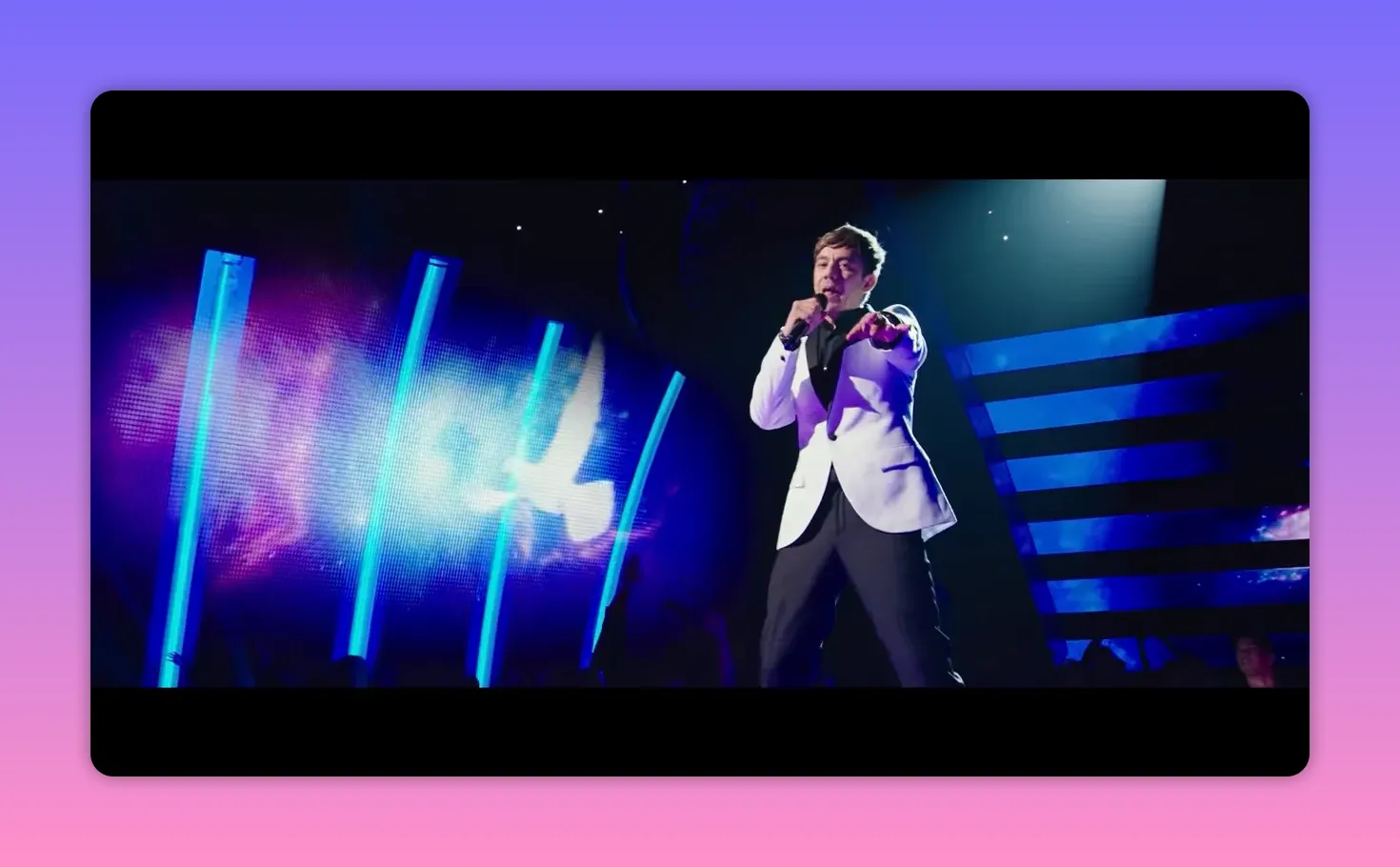
The Style Boyz do not simply recite; they inhabit these images. Each line is delivered with exaggerated sincerity, like scholars trying to explain a new theory of the universe. That deliberate seriousness is essential. The more sincerely the absurdity is presented, the more the audience is willing to suspend disbelief and to find emotional truth inside the nonsense.
Breakdown: Why “Incredible Thoughts” Work
At the center of the performance is a concept they keep returning to: “incredible thoughts.” This phrase is not just a gag; it is a miniature manifesto for creative play. It declares that small, fleeting mental pictures can have a destabilizing power. When compiled and sung with conviction, they become more than jokes. They become a way of seeing.
Several craft lessons are embedded in this approach that any creative worker can borrow:
- Collect the tiny ideas: keep a list, even if the items look dumb on their own. A compendium of small images becomes a reservoir you can dip into.
- Stack images to create momentum: density of quick, vivid images overwhelms analysis and invites emotional reaction before rational critique kicks in.
- Deliver absurdity with gravity: irony often lands harder when the performer treats the material as important rather than winkingly self-aware.
- Use sensory mismatch to surprise: combining senses and contexts that don’t usually meet generates fresh metaphors and comedic energy.
The Subtext: Nostalgia, Authenticity, and Reinvention
Underneath the jokes, there is a current about how pop culture thrives on nostalgia and reinvention. A reunion is not merely a reunion; it is a negotiation. For older fans, the return of the Style Boyz is a cathartic reliving of youthful fandom. For the artists, it is a negotiation with the past that can either smother or invigorate their present work.
That subtle tension is mirrored in the shorter scene we saw earlier with the manager. Authenticity is always up for sale, and reinvention is often packaged as a return. The Style Boyz reunion becomes a symbolic resolution — a band regaining its voice and using its collective legacy to create a new kind of musical mischief.
Costume and Theatrics: The Fish, The Donkey Roll, and Visual Punchlines

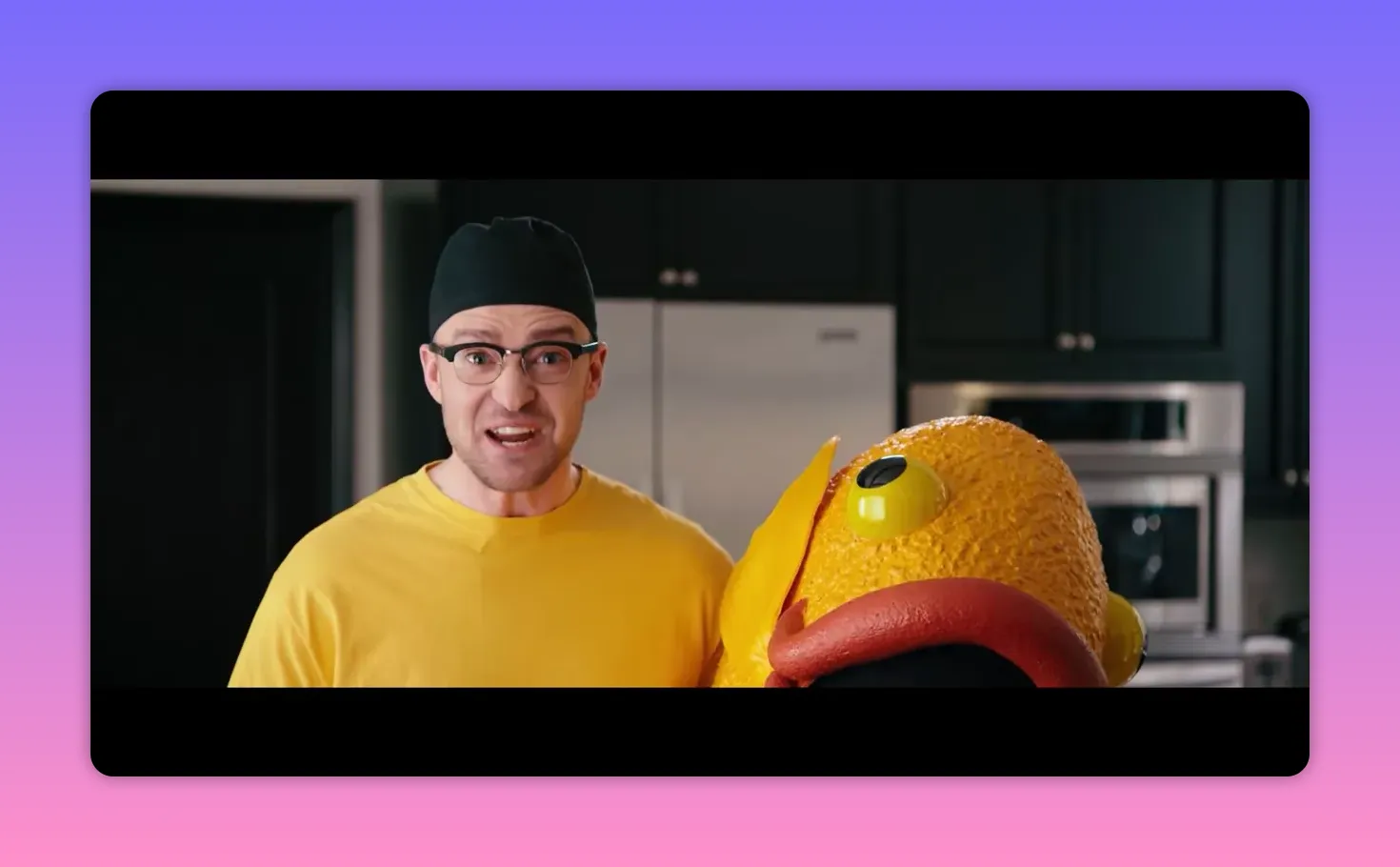
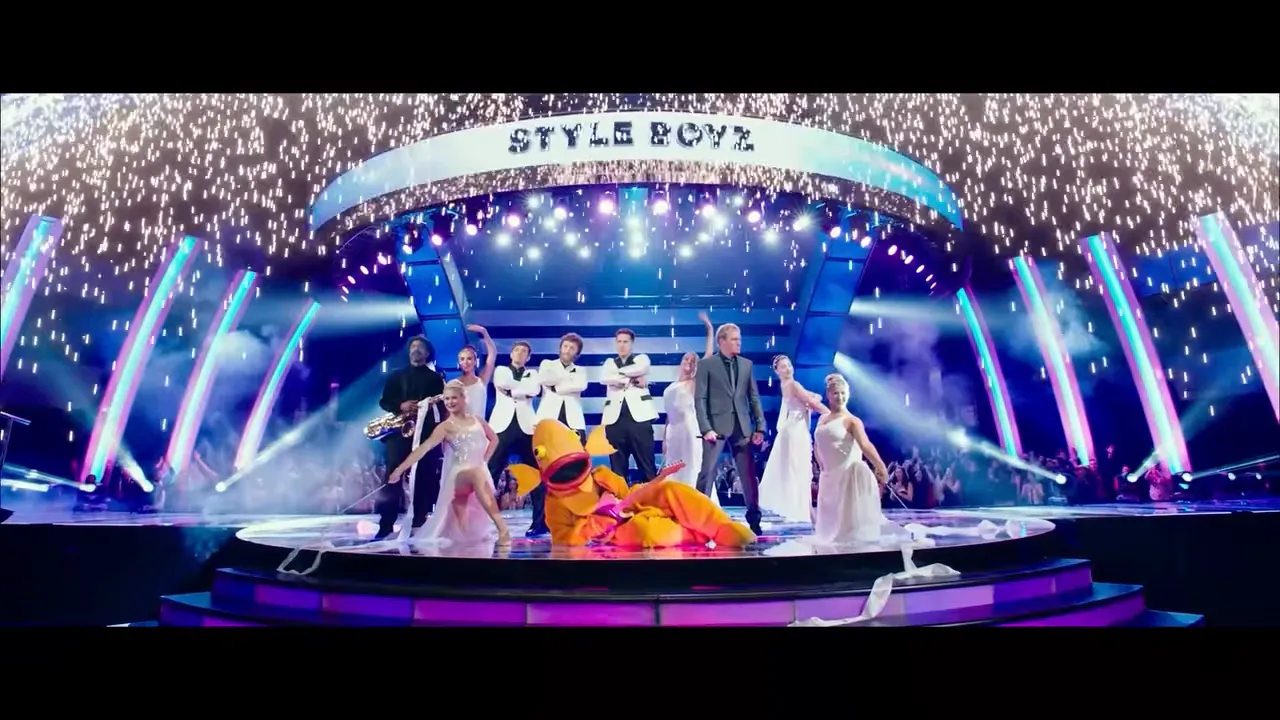
Some of the performance’s strongest laughs come from visual payoffs. A character in a fish costume plays the literal embodiment of one of the group’s jokes — which is itself a joke about how pop spectacle translates figurative fantasy into flesh-and-blood (or foam-and-fabric) spectacle. The fish reveals the performative machinery behind the comedic lyric: a thought becomes a prop.
Then there is the “donkey roll,” a physical gag that becomes a part of the group’s mythology by the end of the set. Physical comedy has always been central to effective stagecraft because it translates language into movement. When a performer does something silly but fully committed, it humanizes them and invites the audience into shared delight.
Sound Design and Rhythmic Strategy
Although the lyrics are intentionally absurd, the song itself is tightly produced. The music serves as the scaffolding that holds the surreal narrative together. A simple, catchy piano line, a strong beat, and predictable hooks make the performance digestible. This allows the audience to follow along even as the lyrics veer into nonsense.
There is method in the madness: a familiar pop arrangement lowers cognitive load and opens space for the wild imagery to dominate. The result is a pop song that functions like a carnival ride — the music is the track, and the images are the attractions you see whipping by.
Performers as Characters: Persona and Play
Each performer inhabits a distinct persona. The lead has the swagger of a megastar who is both self-aware and in denial about his fallibility. The supporting members bring their warped sensibilities into tight harmonies and comic timing. The manager and the on-stage hosts function as satirical foils. This theatrical layering is a lesson in how persona and play can deepen a musical moment into a full theatrical experience.
When stagecraft, character work, and music all align, the moment becomes more than a song — it becomes an event.
Why This Moment Matters: Cultural Commentary Behind the Laughter
Beyond the jokes lies a pointed commentary about pop culture’s cycle of creation and consumption. There is an economy to excitement: fame inflates, collapses, and is repackaged as nostalgia. Meanwhile, artists navigate branding deals, social media imperatives, and genuine creative urges.
The performance manages to ridicule and celebrate this system simultaneously. It recognizes that spectacle is intrinsic to pop, yet insists that even the most calculated spectacle retains the capacity to surprise and, occasionally, to mean something.
Practical Takeaways for Creatives and Performers

Whether the goal is to write a pop hit or to craft a memorable performance, there are clear lessons embedded in the scene:
- Honor the ridiculous. Not every idea needs to be refined into seriousness. Small, silly images are often the easiest way to make an emotional connection.
- Leverage nostalgia strategically. Returning to a past identity can be powerful if it is used to create something new rather than to recapture an old feeling wholesale.
- Remember production is a framework. Use conventional pop structures to scaffold more experimental or surreal content.
- Commit fully to performance choices. Whether it is a costume, a physical gag, or a vocal inflection, full commitment sells the joke and creates shared delight.
- Collect and deploy “incredible thoughts”. Keep a journal of odd images and lines; even the dumb ones can be stitched together into something surprising.
Favorite Moments and Lines That Stick
Some lines are simply too delicious to ignore. They work like comic haikus — short, image-dense, and riffable.
- “A snow white dove in the pitch black night.” A perfect paradox that draws immediate imagery.
- “TV is free, but what is the cost?” A clever inversion that turns a throwaway commercial phrase into a philosophical frame.
- “A milk dud sitting in the acid rain.” Gross but oddly evocative — a sensory mashup that sticks.
- “What if a fish could play guitar and also sing?” A simple childlike question that sparks an entire visual gag.
How This Approach Translates to Other Creative Fields
The techniques used here apply beyond pop music. Writers, designers, comedians, and directors can borrow these methods to enliven their work:
- Use juxtaposition as a primary tool. Placing familiar elements in unfamiliar contexts jolts audiences into attention.
- Build rhythm from repetition. Rapid-fire images create a musicality of their own even without traditional melody.
- Create characters who embody ideas. Personas help translate abstract concepts into memorable actions and lines.
- Think in visuals first. Many of the best comedic lines start as images rather than verbal cleverness.
The Emotional Payoff: Why People Cheer for Reunion Moments
Reunions hit a specific emotional frequency. They promise continuity: a bridge from the past to the present. Even if the reunion is framed as satire, the visceral satisfaction is genuine. It is the satisfaction that comes from seeing a beloved formula reaffirmed and transformed. It is communal, celebratory, and sometimes even cathartic.
That emotional payoff is why so many reunions work. They are not just nostalgia; they are a ritual that gives the audience permission to relive a memory while acknowledging that time has passed.
Where the Line Between Parody and Tribute Lives
Effective parody pays attention to the mechanics of what it’s mimicking. It replicates the beat, the cadence, and the affect of the original. That is exactly what makes a performance like this land: it is both a takedown and an homage. The Style Boyz sound like a boy band because they understand what makes a boy band feel right — the harmonies, the earnestness, the choreographed faux-intimacy — and they amplify those aspects to ridiculous extremes.
By doing so, they reveal the emotional circuitry of pop music: how hooks and harmonies are designed to make listeners feel included, and how image and spectacle are deployed to forge identity. A parody that understands this circuitry becomes more than critique; it becomes a love letter.
Closing Notes: The Power of Letting Go
At its core, the whole sequence celebrates the liberation that occurs when performers stop trying to be taken seriously and simply embrace spectacle. That willingness to look foolish is not a weakness. It is a creative strategy that opens the door to authenticity. The performers let go of control for a moment, and the audience responds by opening up in return.

Comedy, especially musical comedy, often finds its greatest truth in surrender. This performance succeeds because it understands that surrender is not capitulation. It is a different kind of control — the deliberate choice to be wild and childlike and true to playful instincts.
FAQ
Who are the Style Boyz and why does their reunion matter?
The Style Boyz are a fictional pop group whose identity plays off boy band tropes: tight harmonies, choreographed moves, and mass appeal. Their reunion matters because it explores how nostalgia, musical identity, and public image interact. A reunion becomes a ritual that reconnects artists and fans, and it offers a chance to transform past success into present creativity.
What are “incredible thoughts” and why are they effective in songwriting?
“Incredible thoughts” are small, vivid, and often absurd images or lines. They work in songwriting because they create immediate, shareable mental pictures. When stacked together with rhythm and sincerity, they produce a sense of momentum and emotional resonance. Collecting and using these micro-images can turn ordinary lyrics into memorable hooks.
How can performers use absurdity without losing an audience?
The key is balance. Use conventional frameworks — familiar melodies, predictable song structures, or clean production — to anchor the audience. Within that framework, introduce absurd elements with confidence. The contrast between a stable musical base and wild imagery helps the audience accept the absurd and even celebrate it.
Who ends up in the fish costume and why is that reveal important?
The announcement reveals that one of the performers was in the fish costume. The reveal matters because it translates a lyric into a tangible, visual gag. It demonstrates how a metaphor in song can be literalized in performance, which heightens comedic payoff and reinforces the connection between language and theater.
How can songwriters cultivate their own catalog of “incredible thoughts”?
Keep a running journal or voice memo of odd images and lines. Do not censor yourself; collect what seems dumb or too small. Periodically revisit these notes and experiment with combining lines to build momentum. Treat the notebook like a treasure trove — the more disparate items you have to choose from, the more likely you are to find surprising connections.
Is parody a sustainable creative strategy for long-term careers?
Parody can be sustainable if it evolves. Successful long-term creators use parody as a tool to comment on culture while also developing new material that shows artistic growth. When parody becomes the only identity, it can flatten an artist’s range. But used strategically, parody can renew relevance and open doors to fresh collaboration.
Final Thought
When spectacle, sincerity, and silliness collide, the result can be unexpectedly poignant. The reunion of a beloved group, the escalation of absurd imagery into communal laughter, and the courage to look foolish combine to create a performance that is both a parody and an affirmation of pop culture’s enduring emotional power. The lesson is simple: collecting small ideas, stacking them with rhythm, and delivering them with full-hearted commitment can turn a silly moment into a memorable one.


