
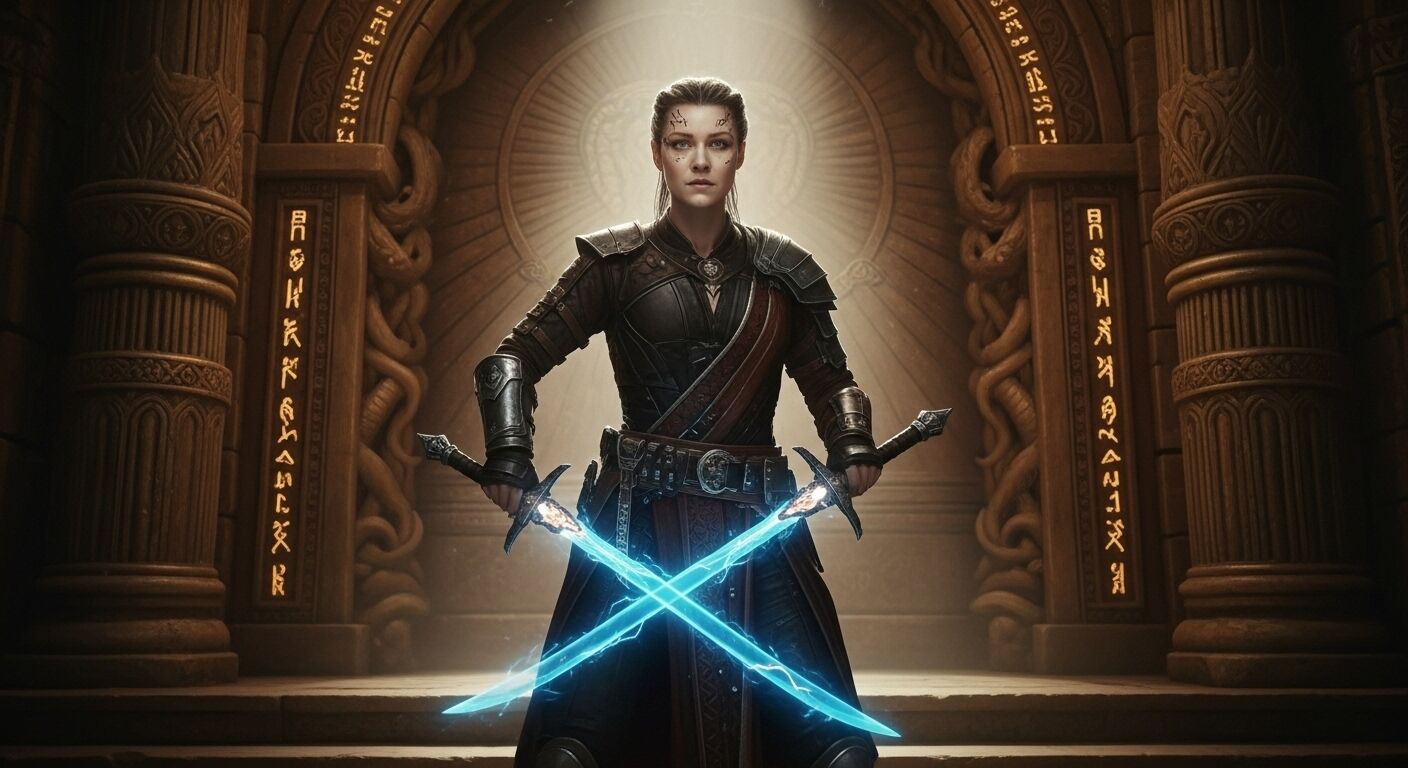
The Sun Eater saga has cemented its place as a modern masterwork of epic space opera, blending the philosophical weight of Dune with the sprawling galactic conflict of classic science fiction. Book Six, Disquiet Gods: The Sun Eater: Book Six, promises not only a continuation of this ambitious narrative but a dramatic, high-stakes turning point for its exiled central figure, Hadrian Marlowe.
After five volumes of tragedy, triumph, and galaxy-spanning destiny, this installment asks a potent question: Can a hero find redemption after walking away from the ultimate war? Our in-depth, spoiler-free review explores the crushing burden of duty, the horror of the Cielcin war, and the eldritch terrors that await a reluctant legend.
The Sun-Eater’s Redemption: A Spoiler-Free Look at Disquiet Gods
Disquiet Gods is not a book for the uncommitted. It demands, and rewards, familiarity with the saga’s intricate history. The tone is one of profound dread and urgent, desperate action. Two centuries have passed since Hadrian Marlowe’s infamous act of assaulting the Emperor—an act that defined him and sent him into self-imposed exile—and the galaxy is demonstrably worse off for his absence. The stakes feel higher than ever, driven by a two-pronged existential threat: the pervasive, relentless Cielcin war and a terrible, spreading galaxy plague that is decimating humanity’s realms.
This narrative setup creates immediate, compelling tension. The reluctant return of Hadrian is handled with the gravitas it deserves, painting him as less of a savior and more of a weary old soldier being dragged back to a conflict he desperately tried to escape.
The Core Plot: What Brings Hadrian Marlowe Back From Exile?
The inciting incident is the arrival of a messenger in Jadd, bearing a summons, a Sollan Emperor pardon, and a desperate plea. The Emperor needs the one-time hero for a mission only he can accomplish.
The Weight of Two Centuries: An analysis of Hadrian’s Long Exile
For nearly two hundred years, Hadrian Marlowe has lived outside of his Empire, his duty, and his service to the strange, powerful being known only as the Quiet eldritch being. This vast passage of time means the galaxy he returns to is fundamentally different—more besieged, more broken, and more in need of a miracle. His reputation precedes him, but now it carries the dual weight of legend and abandonment. The Hadrian Marlowe return is fraught with political peril and personal trauma.
The Galactic Scourge: Detail on the Cielcin Threat and the Galaxy Plague
The relentless advance of the Cielcin is now compounded by a terrible plague, forming an overwhelming crisis. The plot does an excellent job of illustrating the physical and societal decay caused by these twin calamities. The Cielcin are no longer just a military threat; they are a sign of the Empire’s terminal decline, forcing the Emperor to rely on a man who once betrayed him.
HAPSIS and the Watchers: The Impossible Mission

The central, impossible task is delivered by HAPSIS intelligence organization, the Emperor’s secret first-contact entity. They have located a Watcher, one of the immense, powerful, and dreadful beings that the Pale Cielcin revere as gods. To counter the Cielcin’s terrifying, religious fervor and their seemingly limitless power, Hadrian is tasked with tracking and confronting this entity. This objective elevates the conflict from a mere military campaign to a clash of cosmic powers, touching upon the very nature of belief and reality in the Sun Eater universe.
The New Generation and Old Gods: Key Characters and Eldritch Entities
The personal dimension of the epic is maintained through the dynamic between the returning hero and his kin.
Hadrian and Cassandra Marlowe: The Complex Dynamic
Accompanying the old hero is his daughter, Cassandra. The inclusion of Hadrian Marlowe’s daughter Cassandra ensures the personal stakes remain high. She represents the future Hadrian left behind, forcing him to confront the legacy of his choices not just on a galactic scale, but on a familial one. Their journey across the galaxy is as much a race against time as it is a complex exploration of their strained relationship.
The Power of the Quiet: Revisiting the Influence
Hadrian’s original flight was from the will and service of the Quiet eldritch being. His return, necessitated by the Cielcin’s success, inevitably drags him back into the orbit of this vast, enigmatic entity. The tension between the Emperor’s political needs and the cosmic agenda of the Quiet remains a pivotal, underlying force. This is a critical element for fans of the deeper lore.
Analysis: The Major Themes of Disquiet Gods
Legacy, Guilt, and Duty
The overarching theme of Disquiet Gods: The Sun Eater: Book Six is the confrontation of a flawed hero with his inescapable destiny. Hadrian spent two hundred years trying to outrun his duty, but the universe—and the will of the Quiet—has drawn him back. The novel delves into the crushing guilt of abandoning the Imperium only to find that his sacrifice was ultimately futile, forcing him to ask if the only true redemption is found in accepting the fate you tried to deny.
A Galaxy in Decay
The pervasive sense of decay—both biological (the galaxy plague) and political (the relentless Cielcin war) injects a powerful sense of pessimism into the narrative. The book is not simply a quest; it is a mournful voyage through a dying civilization. This dark, serious tone is what defines the Sun Eater series and is perfectly captured in the atmosphere of the Disquiet Gods review.
Internal Link Suggestion: Readers interested in the history of the Imperium should check out our analysis of the founding of the Sollan Empire. External Link Suggestion: Find out more about the author and the entire Sun Eater series on the official Goodreads page for the series.
Answering Your Questions: Essential Details for Sun Eater Fans
This section addresses the most common search questions directly, bolstering the content’s “topic authority” and PAA performance.
Is Disquiet Gods a good starting point for the Sun Eater series?
No. Given that it is The Sun Eater: Book Six, the novel is deeply entrenched in the mythology, character history, and political structures established in the previous five volumes. We highly recommend starting with Sun Eater: Book One to fully appreciate the context of the Hadrian Marlowe return and the significance of the Quiet eldritch being.
What is the significance of the “Quiet” in the Sun Eater saga?

The Quiet is an immense, enigmatic, and possibly benevolent eldritch entity that Hadrian Marlowe was tasked with serving. His flight from its will is a defining event in the series, and its role in Disquiet Gods promises to be crucial as the cosmic stakes rise.
Who are the Watchers that the Pale Cielcin worship?
The Watchers are described as immensely powerful beings, possibly comparable to the Quiet in scale, who are revered as gods by the Pale Cielcin. Locating and confronting one of these entities is the impossible mission given to Hadrian by the Sollan Emperor.
What kind of relationship does Hadrian Marlowe have with his daughter Cassandra?
The relationship between Hadrian and Cassandra is strained, complicated by the two centuries of Hadrian’s absence and the heavy legacy he carries. She is a reluctant participant in his final mission, but her presence offers a vital, personal counterpoint to the galaxy-wide devastation.
When does Disquiet Gods take place in the Sun Eater timeline?
The plot of Disquiet Gods begins nearly two hundred years after the events that led to Hadrian Marlowe’s exile and subsequent disappearance from the galactic stage.
How does the plague affect the Empire in Disquiet Gods?
The pervasive galaxy plague acts as a debilitating factor, weakening the Empire’s ability to resist the Cielcin. It is not just a disease but a symbol of the Empire’s systemic failure and decay, accelerating the need for drastic, desperate action.
Does Disquiet Gods conclude the Sun Eater series?
No, Disquiet Gods is The Sun Eater: Book Six and is not the final installment. While it represents a major turning point in the Cielcin war and Hadrian’s personal arc, the final conclusion to the Sun Eater saga is still to come.
The Final Verdict: Is The Sun Eater: Book Six Worth Reading?
Disquiet Gods: The Sun Eater: Book Six is a monumental addition to a truly epic series. It delivers everything fans have come to expect: grand scale space battles, intricate political maneuvering via organizations like HAPSIS, complex moral dilemmas, and the palpable presence of terrifying, Lovecraftian entities. The return of Hadrian Marlowe is handled perfectly—not as a simple victory lap, but as a tragic necessity driven by a collapsing galaxy.
Who is this book for?
This book is essential reading for established fans of the Sun Eater series. It is highly recommended for readers who enjoy dark, sweeping science fiction with a strong emphasis on character-driven tragedy, ancient mysteries, and cosmic power, akin to A Fire Upon the Deep or the later volumes of Dune. If you want a story where the hero must overcome the failings of his past to save a future he barely recognizes, look no further.
Our Rating and Recommendation

Disquiet Gods is a triumph of modern epic space opera. It is a must-buy for any Sun Eater fan, and it sets the stage for what promises to be an explosive conclusion to the Cielcin war arc.
| Category | Rating (Out of 5) |
| Plot Execution | 5 |
| World-Building | 5 |
| Character Depth | 4.5 |
| Pacing & Tension | 4.5 |
| Overall | 5/5 |


