

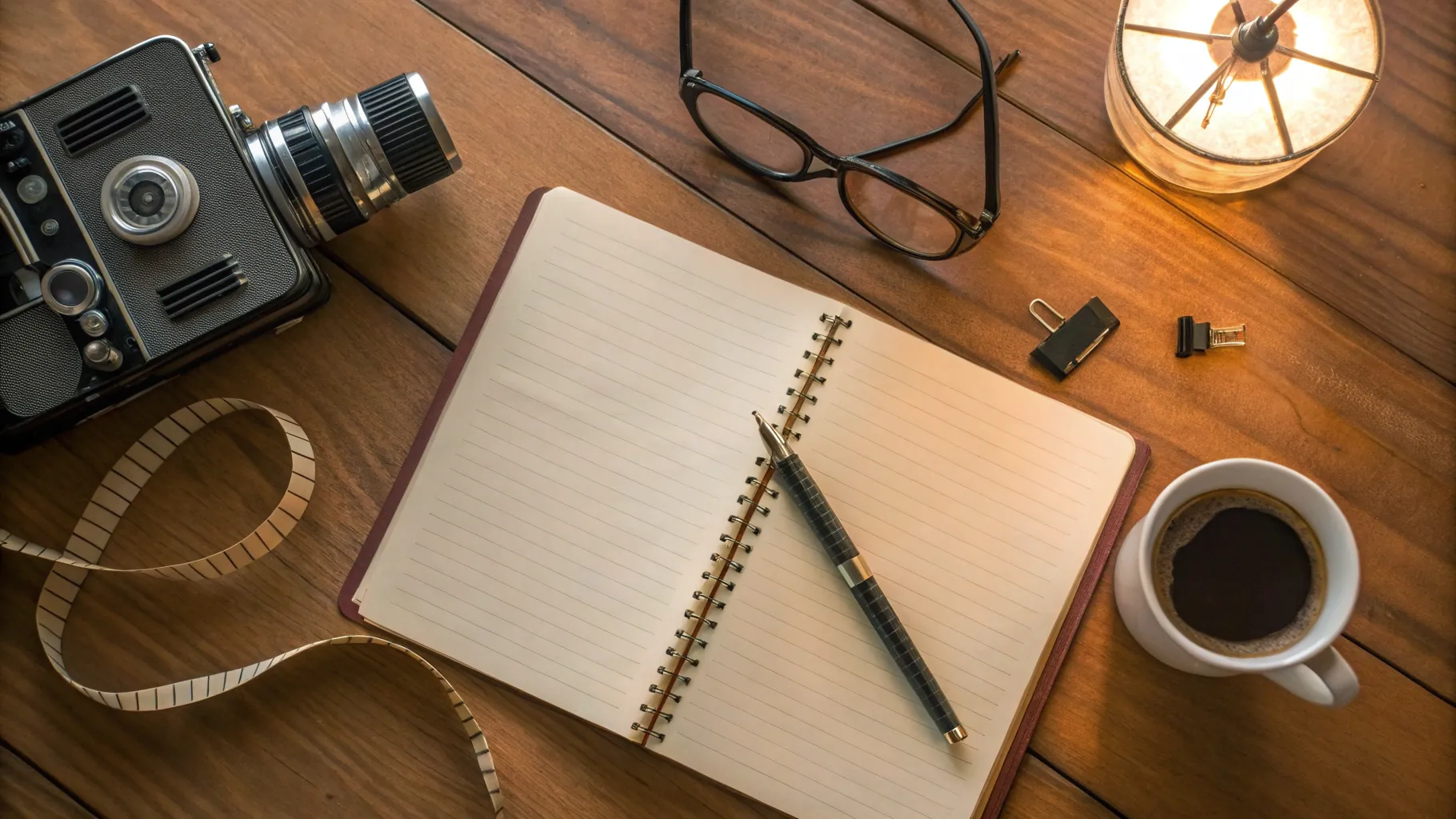
Creativity does not arrive as a single grand revelation. It shows up in small, persistent ways: a question stuck to the wall, a two-minute experiment on obsolete film, a bubble bath that clears the static. The practice many creators repeat like liturgy — writing every day — is less about discipline for discipline’s sake and more about keeping an antenna tuned. That antenna is everything.
This piece collects one filmmaker’s practical lessons and personal discoveries about creative life: how to stay in the wave when it comes, how tools become canvases, why limitations can be generous, and why routine is not the enemy of wonder. If your work depends on intuition, attention, or the slow accumulation of small acts, these ideas are written for you.
The Question That Started the Project: What Is Creativity For?
A film called Devoted in Time began as a curiosity: where does creativity come from, and what role does it play in society? Instead of answering from a distance, the approach was personal and local — follow a painter, study the painters he mentors, and watch what happens when an ordinary studio becomes the laboratory for inspiration.
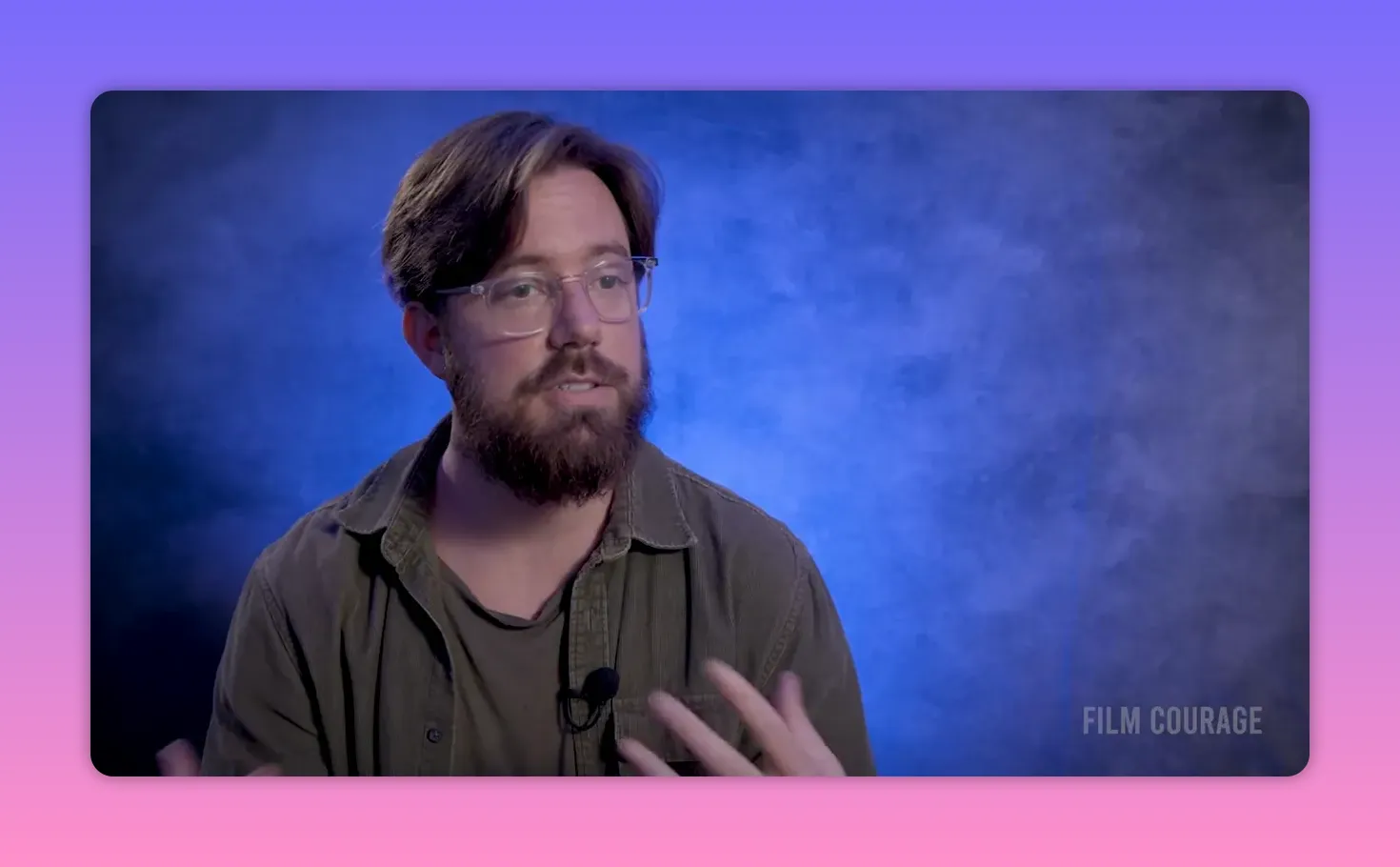
There are two frames in which creativity can be observed. The first is the cultural: how schools, funding, and shared values either support or throttle creative work. The second is intimate and immediate: how one maker prepares, fails, tries again, and, in one case, contemplates going to space to paint.
Both frames matter. The wider context tells us why artistic practice needs champions; the intimate context tells us how an artist’s daily habits, fears, and rituals shape the art itself.
Follow the Wave, Not a Map
Many filmmakers are trained to treat a project like a road trip with a fixed itinerary: write the script, schedule thirty shooting days, lock in the budget, then deliver. The risk in that model is telling oneself the answer before the work has had a chance to speak back.

Instead, follow a creative wave. Let curiosity land you somewhere, and then let your process inform the destination. This requires tolerating the unknown. It also makes the work feel less like a product and more like an inquiry.
Practical tip: Treat your initial idea as a seed, not a blueprint. If you get one small element right — a question, an image, a phrase — spend time letting it unfold. That is often where the most original work is waiting.
Choosing Your Canvas: Formats, Textures, and Intentionality
We live in an unprecedented era of tools. Super 8, 16, 35, 65 millimeter film stocks sit beside every sensor you can imagine. Each medium has its own grain, its own chemistry, its own voice. The present moment is closer to painters than any previous era because you can choose the canvas your story wants.
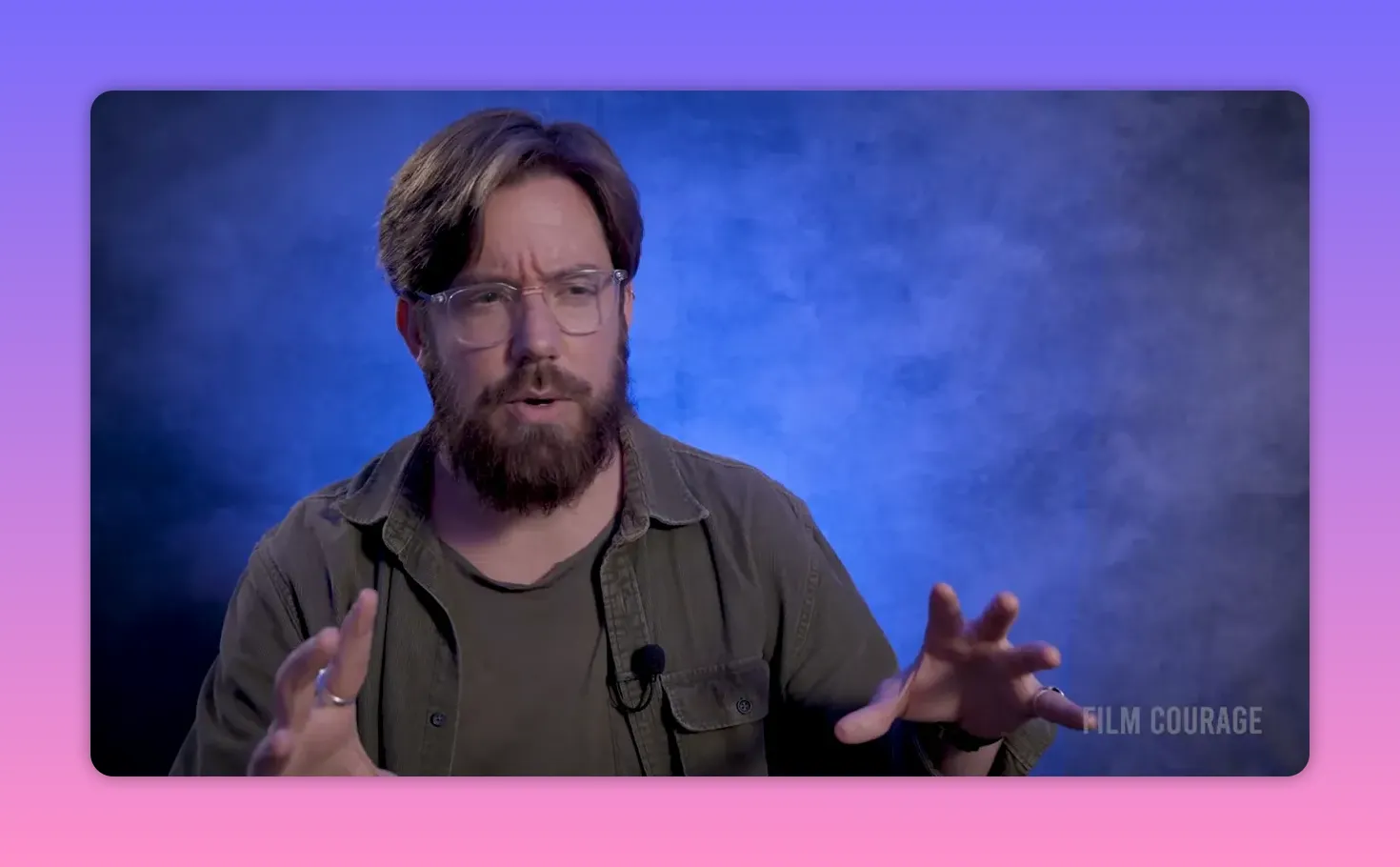
That choice matters. A VHS aesthetic is not merely a filter applied after the fact. The real randomness and imperfections in analog make an image feel alive in a way that a perfect digital simulation cannot reproduce. When you choose a format intentionally, you are choosing the language your work will speak.
The Bolex: A Camera That Shapes the Work
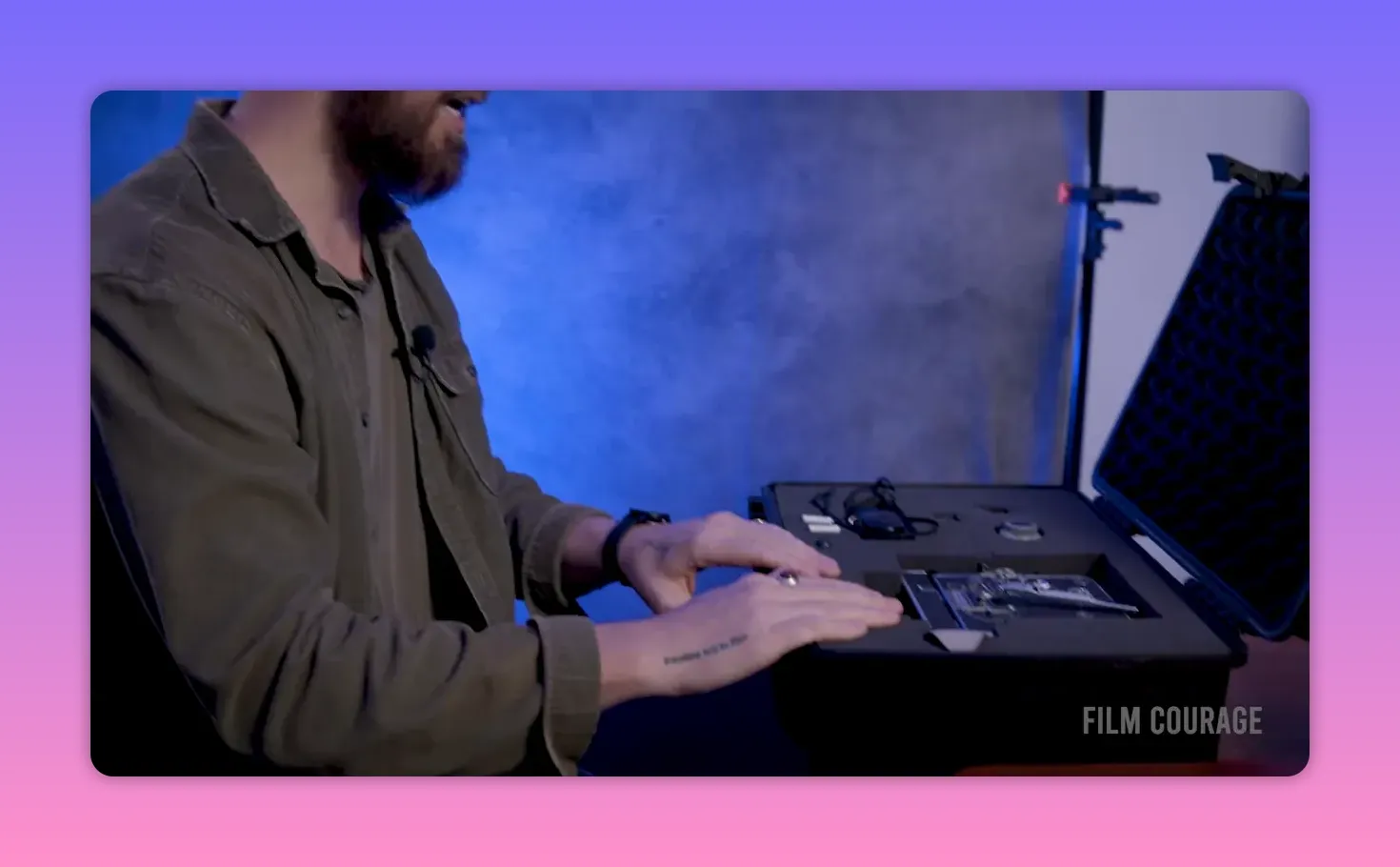
For one filmmaker, the Bolex 16 millimeter camera became not just a tool but a philosophy. It is compact, mechanical, and honest. Limited to 100-foot rolls (about three minutes of footage at 24 frames per second), it becomes a built-in editorial decision maker. You walk into a space and know you have three minutes. What will you say?
The camera allows rewind, double and multiple exposures, single-frame capture, and a hands-on mechanical intimacy you cannot fake in post. Those constraints create a paradoxical freedom: you are forced to be deliberate, to place the camera where it matters, to craft fewer images that will carry more weight.
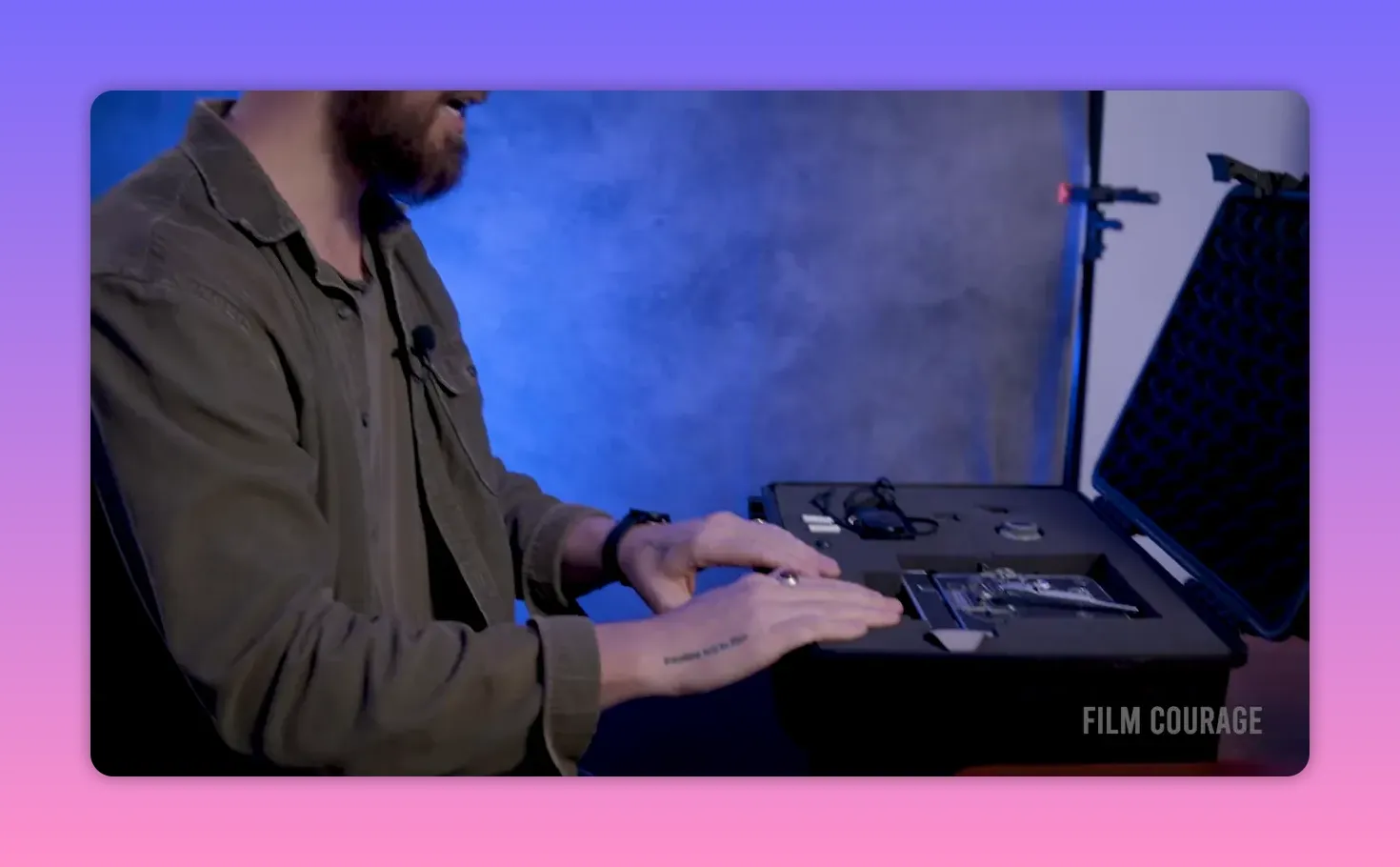
There is also a humility to its cost and tradeoffs. Buying one can mean skipping a month of rent. Using it means accepting quirks, such as audible motor noise or the need to sync sound separately. But the payoff is tactile beauty and a distinct visual language that often outlives the creator.
Shooting Film vs. Shooting Digital
Shooting on film is a commitment to a different workflow and a different set of priorities. Film grain is not an overlay; it participates chemically in the image. The limitation of three-minute rolls stops you from shooting coverage for coverage’s sake and forces thoughtful composition.
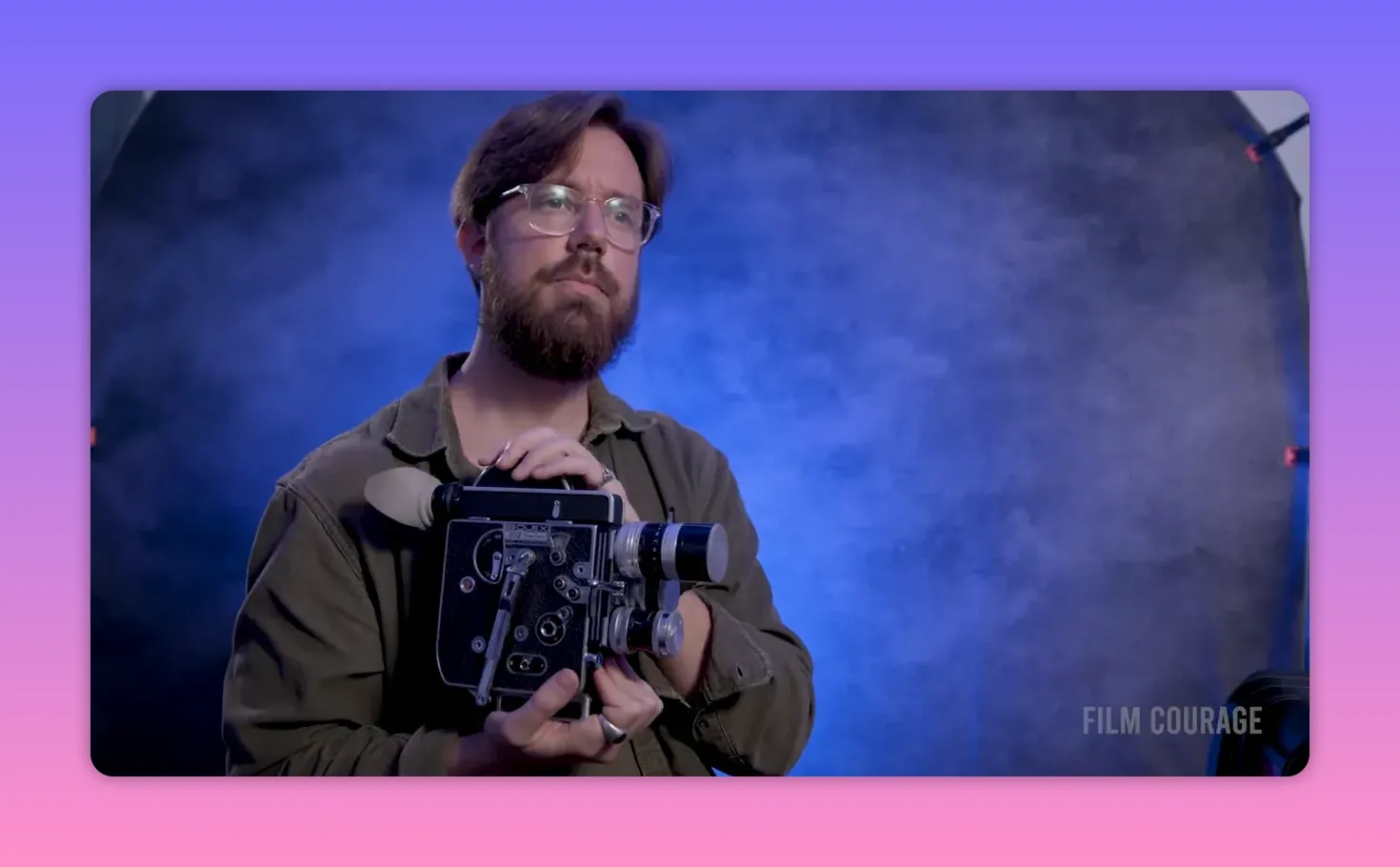

Processing and scanning the negative into a 4K file is part of the modern workflow. The finished result combines analog texture with the practical benefits of digital editing. If your goal is longevity, the chemical negative — preserved properly — can outlast most hard drives.
Routine and Ritual: The Practical Magic of Bubble Baths and To-Do Lists
Creativity is often mysterious until you notice how mundane habits create its conditions. A regular ritual — a bubble bath, a morning walk, ten minutes of breath counting — is not escapism. It is antenna maintenance.
The bath is where sudden questions arrive: which interview to ask next, which image to chase. Quiet ritual clears the static so ideas can land.
Equally practical are small organizational habits. A to-do list is a creative tool as much as a productivity hack. Checking an item off releases a tiny chemical reward and keeps momentum alive. The mantra “never have a 0% day” is not about perfection. It is about cumulative progress. One percent, every day, adds up.
Write Every Day: What It Really Means
“Write every day” is brilliant advice because momentum is the engine of craft. That daily practice trains you to sit even when nothing is happening. You learn to move past the tyranny of the perfect opening line and produce rough drafts you can shape later.
Some practical habits to make it real:
- Handwrite a first draft. Paper thinking slows down your mind and often produces more honest sentences. Then transfer and revise on a screen.
- Set a tiny daily target. Even ten minutes or two sentences count. Habit trumps intensity that you cannot sustain.
- Create a ritual window. A consistent time or small pre-writing sequence primes your mind. That bubble bath and the list before sleep are rituals that do that work.
When Loss Reframes a Life’s Work
Grief changes priorities. A sudden death in your circle can shift why you make art. One filmmaker experienced this when a beloved landlord — the person who found him a place to live and cared for tenants during hard times — died in his arms. That moment created a period of deep reassessment: what was worth making, and who mattered?
The answer led to a new series called My Flesh, My Blood, an intentional set of short films about the relationships between parents and children. Shot on Super 16, the series is modest in scale but ambitious in human consequence. Its purpose is to repair and to honor. It is a vivid example of how loss can clarify the questions you want your work to ask.
Turning Subjects into Poetic Portraits

Documentary does not have to be explanatory. One powerful approach is to assemble portraits as poetry rather than narrative argument. Let scenes breathe. Let images pair with moments of silence. Provide fewer conclusions and more invitations to feel.
When subjects trust you, when you allow them editorial input, the resulting work often becomes something they own. That investment in ethical collaboration is essential: make work with people, not merely about them.
Indie Filmmaking: Money, Choices, and the First Release
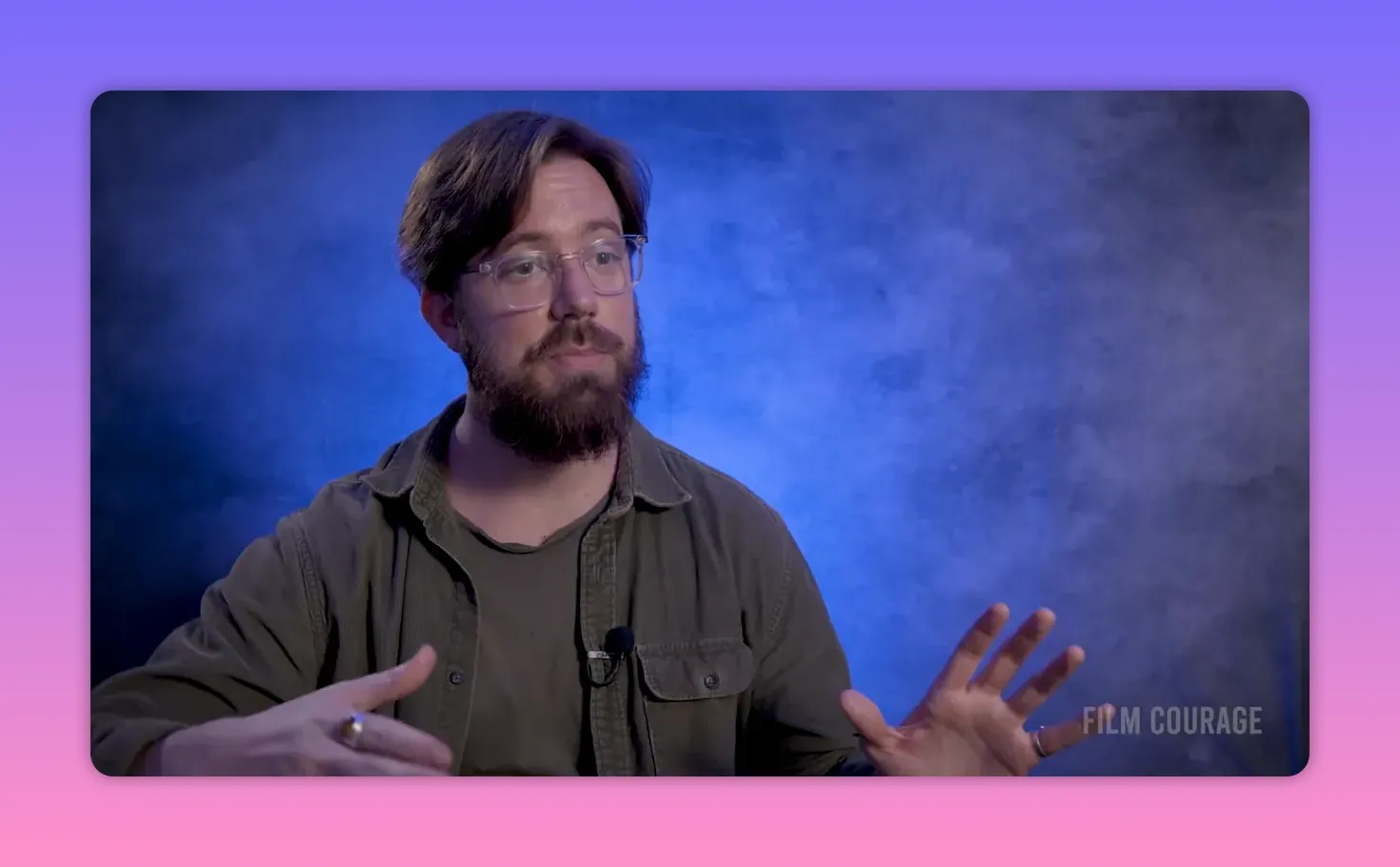
There are practical myths to debunk. You do not have to befriend a billionaire to be a filmmaker. Many meaningful works are made on shoestring budgets. The barrier, more often, is the story you tell yourself before you start. If your imagined budget prevents you from beginning, you have built an obstacle that did not exist.
That said, money matters when you get to release. Putting a film out requires resources for marketing and distribution. A distributor can open doors, but even then, the filmmaker usually must be willing to push in targeted ways to reach an audience.
Lessons from a First Release
- The first film is a calling card. Distribution legitimizes future work. The first release is often more about showing you finished something than making money.
- Set aside marketing funds. Even a small budget for Google ads or targeted social pushes can make a big difference.
- Think like a builder, not a jackpot seeker. One film rarely changes everything overnight. Keep creating and your earlier work gains new viewers with each subsequent project.
Collaborators, Mentors, and the Joy of Showing Up
Project launches are not solitary acts. Long-term collaborators — producers, boom operators, colorists — form a creative choreography. A boom operator who reads your script multiple times, an editor who understands your cadence, a producing partner who believes in a dream: these people multiply your capacity.
There is also an ethic of presence: show up even when there is no budget. When you sit in a studio and do interviews for weeks without cameras rolling, you are collecting trust and material. That presence is a form of patient investment.
Meditation, Sobriety, and the Antenna
Meditation is not a luxury for creative people; it is an operational tool. Ten minutes of breath work or sensory quietness can realign decisions, calm anxiety, and sharpen perception. It helps preserve that clarity where ideas land.
Some practical notes about building a meditative habit:
- Keep it short and consistent. Ten minutes daily is better than an hour once a week.
- Use simple techniques. Counting breaths, focusing on slow exhales, or following a recorded bowl tone are all effective.
- See it as recalibration. Meditation is a habit for clarity, not escape.

There is a wider point about sobriety and attention. Substances can change creative perception in the short term, and for some people that can feel like a breakthrough. Over time, many artists find that sobriety widens the antenna. If you are trying to tune into subtle signals, clear bandwidth matters.
Movement, Posture, and Longevity
Filmmaking is physical. Editing is sedentary and unforgiving to the spine. Standing desks, daily skate sessions, or a five-minute dead hang from a pull-up bar can protect your body and mind. Small daily movement prevents the slow grind of creative fatigue.
Pets and the Daily Weather of the Heart
Companionship softens isolation. A pet is routine, accountability, and affection — small things that steady a day when the project is hard. Feeding, playing, and even worrying in the right proportion provide a different currency than praise or ticket sales.
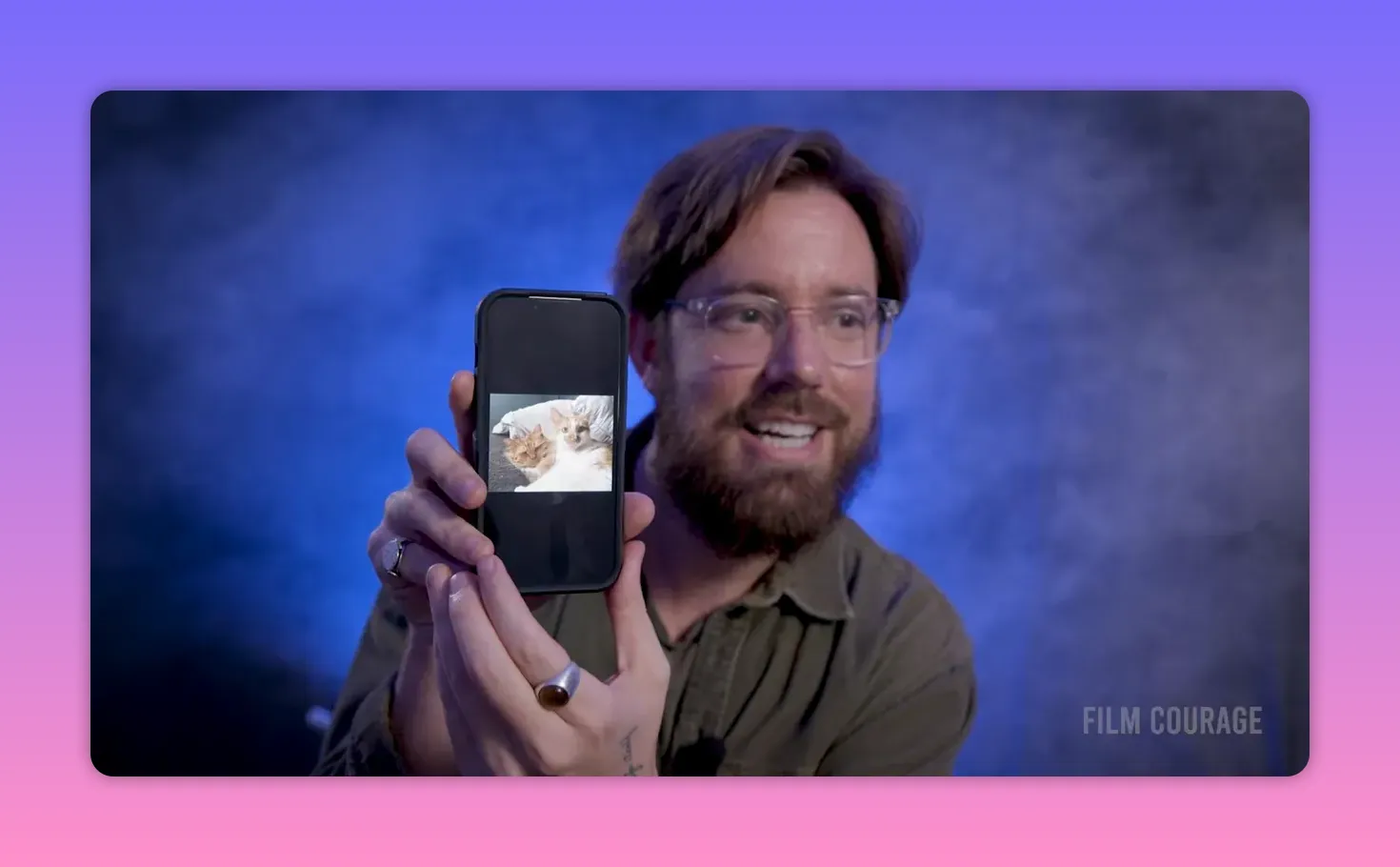
Choosing an animal is practical: cats can be left alone, dogs require more structure. Both return a kind of nonjudgmental presence that helps balance the volatility of creative life.
Why Leaving Empty Space Matters
There is a temptation to resolve every story, to grant audiences a conclusive arc that comforts and rewards. But offering a conclusive end is not always an act of generosity. Sometimes leaving space invites the viewer into co-authorship.
Films that resist tidy endings can be more fertile. They ask viewers to stay with the question, to ruminate, and to apply what the work provokes to their own interior life. Open endings are less about indifference and more about continuing a creative conversation.
“It is not where you place the camera but why you place it there.”
That maxim reframes technical choices into ethical and psychological ones. Camera placement becomes a direct route into the human mind. When you ask why — rather than how — you turn craft into empathy.
Practical Production Notes for Making Work with Limited Resources
- Start where you can see. Shoot in places you have access to. Shoot with people who trust you. Permission beats pretense.
- Limit the frame. Set constraints and use them. Short film rolls, single-day shoots, and small crews force attention and inventiveness.
- Collect sound separately. If you use a wind-up camera or any footage that cannot record sync audio, plan for a reliable audio recorder and a careful post workflow.
- Plan for marketing early. Allocate 10–20k if you can. If you cannot, budget small targeted ad spends and grassroots outreach.
- Preserve negatives well. If longevity matters, invest in proper storage and a reputable lab for processing and scanning.
On the Risk of Selling Out (and the Value of Saying No)
There will be opportunities to take the easier path — a paycheck that compromises a casting decision, a distribution route that requires you to dilute a voice. Turning those offers down may feel costly in the short term, but choose with the future in mind. The lessons you learn making a difficult film with trusted collaborators will outstrip quick money in creative growth and long-term integrity.
Marketing Your Work Without Losing Your Soul
Marketing is craft, not shame. Learn basic targeting, use small ad spends wisely, and build relationships in communities that care about what you make. Facebook groups, niche newsletters, and curated screenings often yield more engaged viewers than a scattershot social campaign.
A distributor is an amplifier; they do not replace the need for the filmmaker’s voice in outreach. Take ownership where you can. Show up, tell the story of why this work matters, and remember distribution is part of the creative arc, not merely a business transaction.
When the Wave Slows — How to Keep Making
There will be lulls. Creative life is nonlinear. When the wave slows, fall back on the habits that sustain momentum: a small daily writing practice, a short technical experiment, or a playful micro-project. Never let the lack of a grand idea stop the accumulation of small acts.
“Never have a 0% day” is not hyperbole. Even one small note, one short shot, or one page half-written keeps the creative muscles warmed.
Final Thought: The Real Currency
The currency of creative life is inspiration shared. You can measure success in distribution deals and festival laurels, but there is deeper profit in the quiet moments when someone thanks you for making something that helped them. That direct human return is rare and priceless.
FAQ
How does writing every day help a filmmaker?
Writing every day trains attention and momentum. It reduces the friction of starting, produces drafts you can revise, and keeps you connected to the questions that drive your projects. Even short daily entries create a cumulative archive of ideas to draw from during production or editing.
Why shoot on film when digital seems easier?
Film imposes limits that force deliberate choice. Its grain, color, and chemistry produce unique textures that are not simple digital simulations. Film can also foster discipline: three-minute rolls mean more considered frames. Finally, properly preserved film negatives can outlast many digital storage formats.
Is it necessary to be broke to be creative?
No. Financial hardship is neither a prerequisite nor a moral badge. However, learning to make work under constraint builds problem-solving muscles and resourcefulness. The goal is not to romanticize struggle but to recognize that creative risk often involves financial uncertainty.
How much should I set aside for marketing?
For many indie features, a small marketing reserve of 10k to 20k can provide essential reach. If that budget is unrealistic, invest in targeted ads, grassroots outreach, and partnerships with communities that care about your subject. Plan marketing early, not as an afterthought.
What daily routines actually improve creativity?
Short daily practices that reliably produce clarity: ten minutes of meditation or breath work, a brief walk in morning light, a handwritten page of free writing, a simple to-do list with one achievable creative task. The consistency matters more than the duration.
Can I learn filmmaking without film school?
Yes. Many successful filmmakers learned through a mix of resourcefulness, working on sets, self-education, and showing up consistently. Film school can be helpful, but experience, experimentation, and committed practice are equally powerful teachers.
How do I find collaborators who will stick with me?
Show up, be reliable, and create a pattern of mutual investment. Long-term collaborators are often found by making many small projects together, sharing credit and process, and building trust through consistent presence, not one-off transactions.
What’s the single best habit to develop first?
Start a daily micro-practice that you can maintain: write two sentences, do ten deep breaths, or shoot one short clip. The smallest consistent habit is the gateway to larger, sustained creative practices.


