


There is a special kind of magic in short, silly challenges. Set the scene with a Halloween twist, add a dash of Disney nostalgia, invite pairs who know each other well, and you get a whirlwind of laughter, teamwork tests, and surprise wins. On a crisp afternoon in Bournemouth I put that exact formula to the test with a Halloween edition of Friends Like Me—three micro-games, three chances to sync up with your partner, and the reward of choosing a Disney-themed prize from a tempting cart.
The concept: quick, themed games that reward teamwork
Short-form party games are powerful because they demand instant decisions and reveal how people communicate under pressure. Each game here was designed to spotlight different skills: tactile intuition, calm and effective verbal guidance, and instinctual sync. The rules were simple, but the stakes felt deliciously high because the prize was Disney-flavored and the atmosphere was playful and seasonal.
Core design goals
- Speed — each challenge is bite-sized so momentum stays high.
- Accessibility — rules are straightforward so anyone can join in quickly.
- Shared responsibility — players must rely on one another rather than individual skill.
- Theming — Disney elements and Halloween atmosphere give every round emotional resonance.
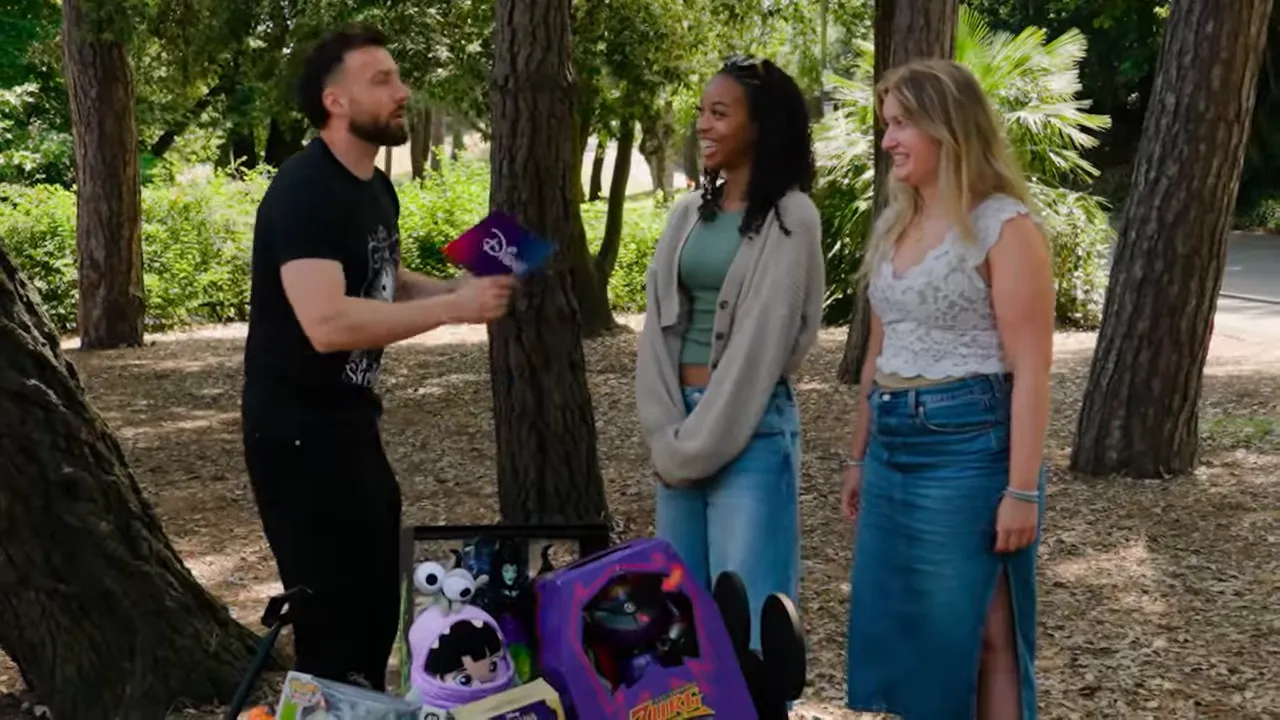
Meet the teams and the prize cart
Pairs had the advantage of shared history. Knowing someone since year seven, for example, gives you shorthand cues that strangers do not have. When that shorthand is combined with a high-pressure setting, it makes for wonderful, unexpected moments.
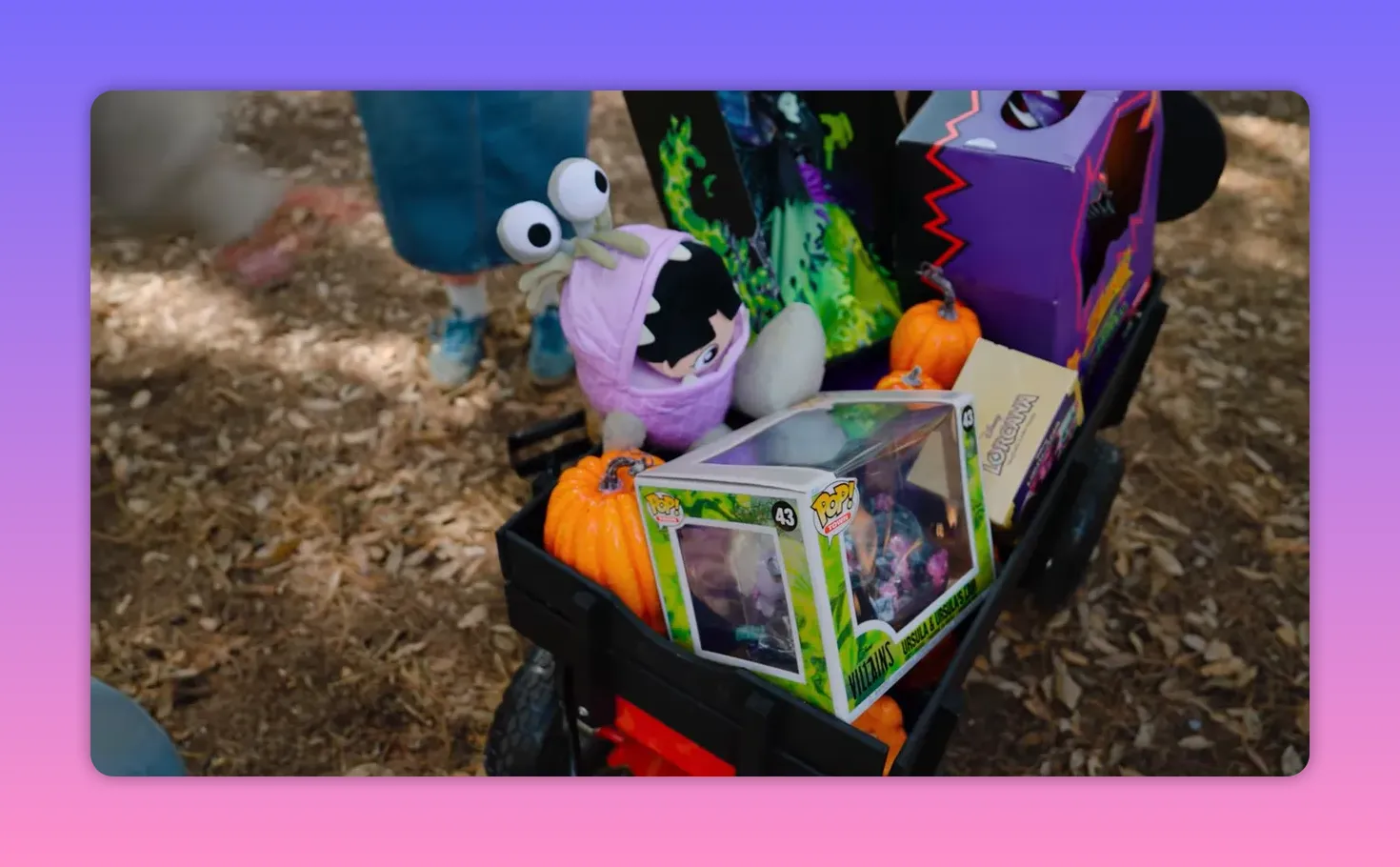
The prize setup was part of the motivation: a cart full of Disney treats—plush backpacks, Funko Pops, and character goodies. Having tangible rewards that align with the theme is a psychological nudge; suddenly every instruction matters.
- Ask pairs what they would pick before games begin. That preference becomes a fun, motivating detail to return to later.
- Be explicit about the prize mechanics. Pass three challenges, choose one item. Simple and effective.
Challenge 1 — Hands of Horror: trusting touch over sight
Hands of Horror is a tactile guessing game. Players reach into a covered box, feel around, and collaborate to identify a Disney-themed object without seeing it. The team gets 30 seconds to communicate and decide on a single guess. The tension comes from limited time, ambiguous textures, and the pressure to articulate sensations quickly.
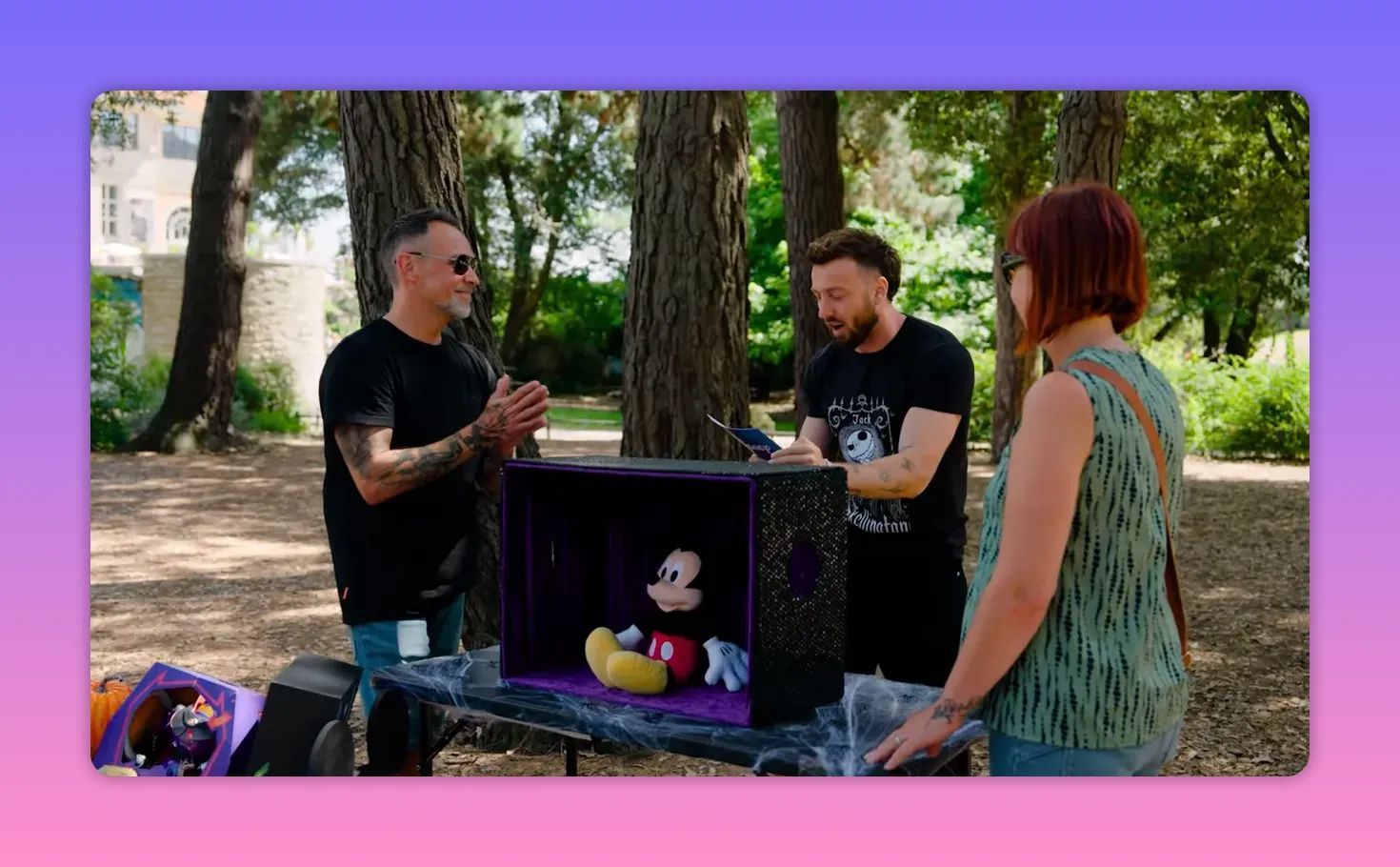

Because touch is a slower, more interpretive sense than sight, the team dynamic centers on translating vague impressions into specific objects. Is that a paw or a fin? Big ears or a mane? Saying everything aloud helps: texture, temperature, rigidity, and any distinctive shapes should be shared immediately.
What worked for the pair I watched
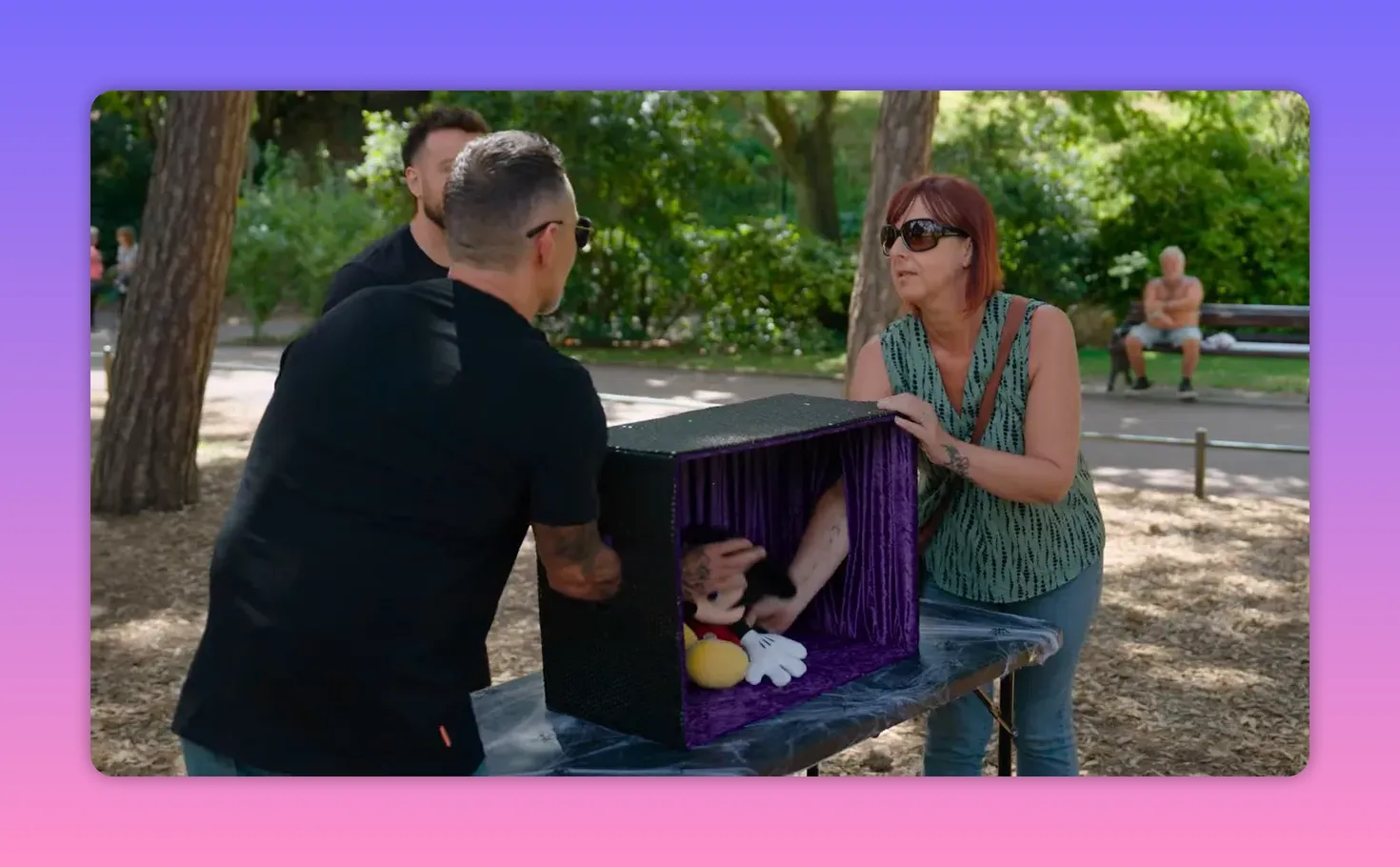
They kept it methodical. Short, clear phrases like “big ears,” “claw on the back,” and “feels like a foot” were perfect. When one person suggested Mickey, the other expressed doubt and offered an alternative. That hesitation provoked one final clarifying move: name the thing. The winning move was quick and decisive: someone said “Mickey” and another teammate accepted it and sealed the answer.
Lesson: use sensory language and decisive calls
Under time pressure, give short sensory reports and then force a decision. Use words like soft, hard, hollow, ridged. If the team can agree on a single word within the first 10–15 seconds, they dramatically increase their chance of success.
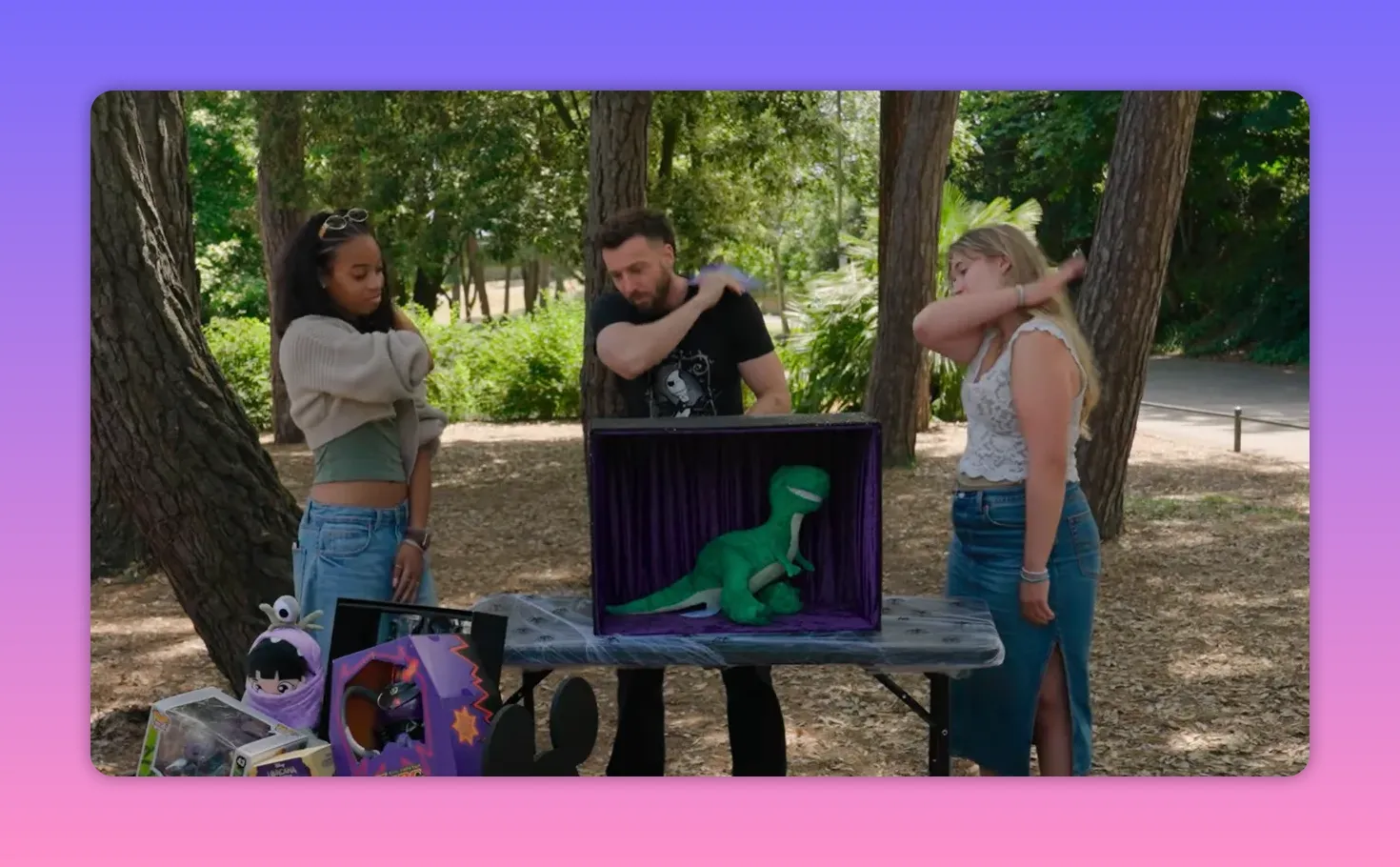
How to run Hands of Horror at home or at a party
- Choose objects with distinct tactile features: plush ears, a plastic crown, textured claws, or a smooth apple model.
- Place a cloth over the opening to keep the object hidden and maintain the spooky vibe.
- Use a timer set for 30 seconds to create urgency.
- Encourage players to name their impressions aloud and avoid long monologues.
Challenge 2 — Appledey Boppity Boo: classic apple bobbing, modern twist
Appledey Boppity Boo is a theatrical reimagining of apple bobbing. One team member is blindfolded and must retrieve a “poisoned” apple from a shallow water bowl using only their mouth. Their partner stands by and gives only verbal instructions. The pair has one minute. The twist is that the instructor must translate spatial cues quickly and calmly to a disoriented partner.
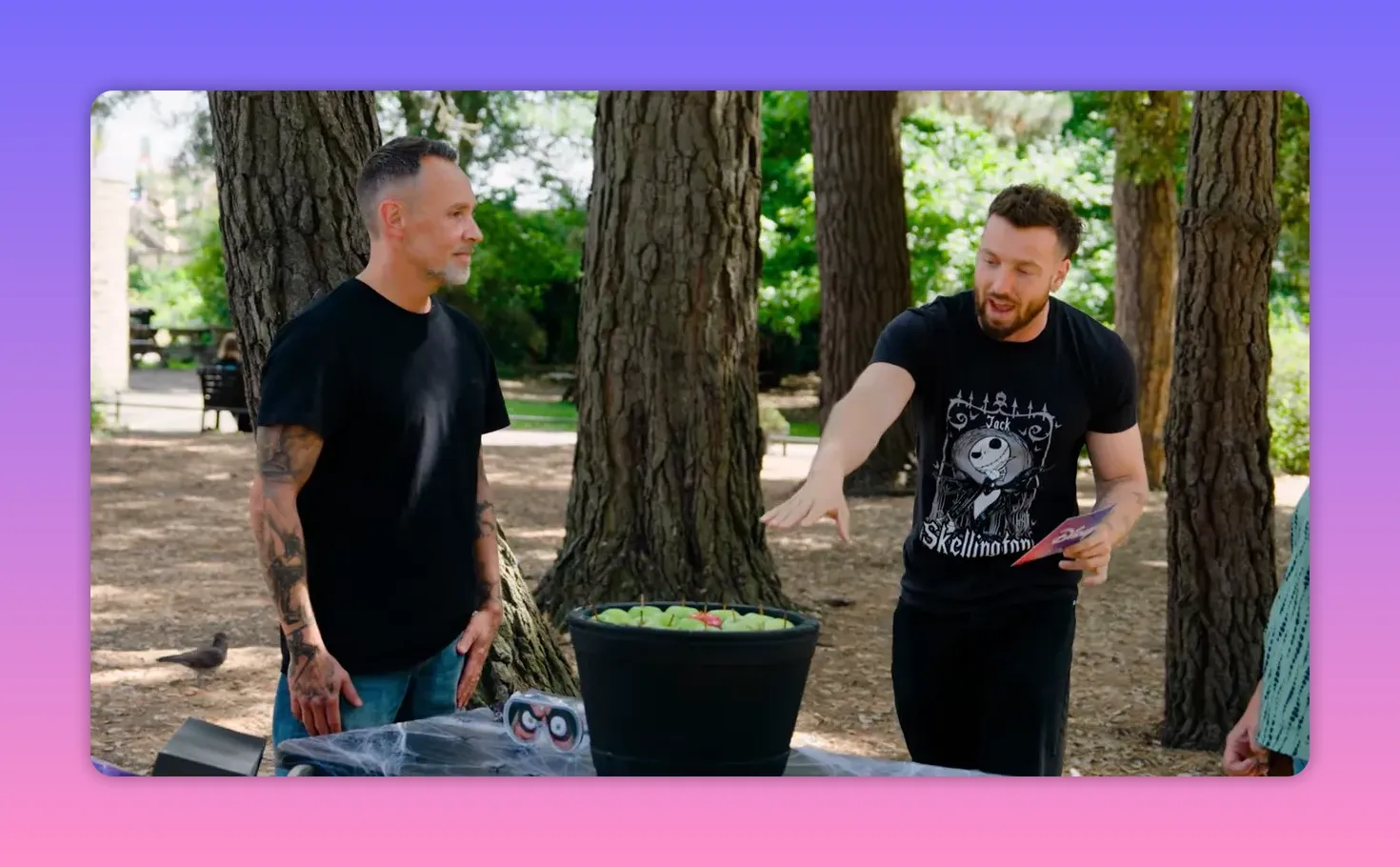
The game looks simple, but it tests precise verbal guidance. The person directing must use specific directional cues—forward, right, down—while keeping the tone steady. The blindfolded player must trust that guidance and be ready to act when the instruction sequence points to a bite.
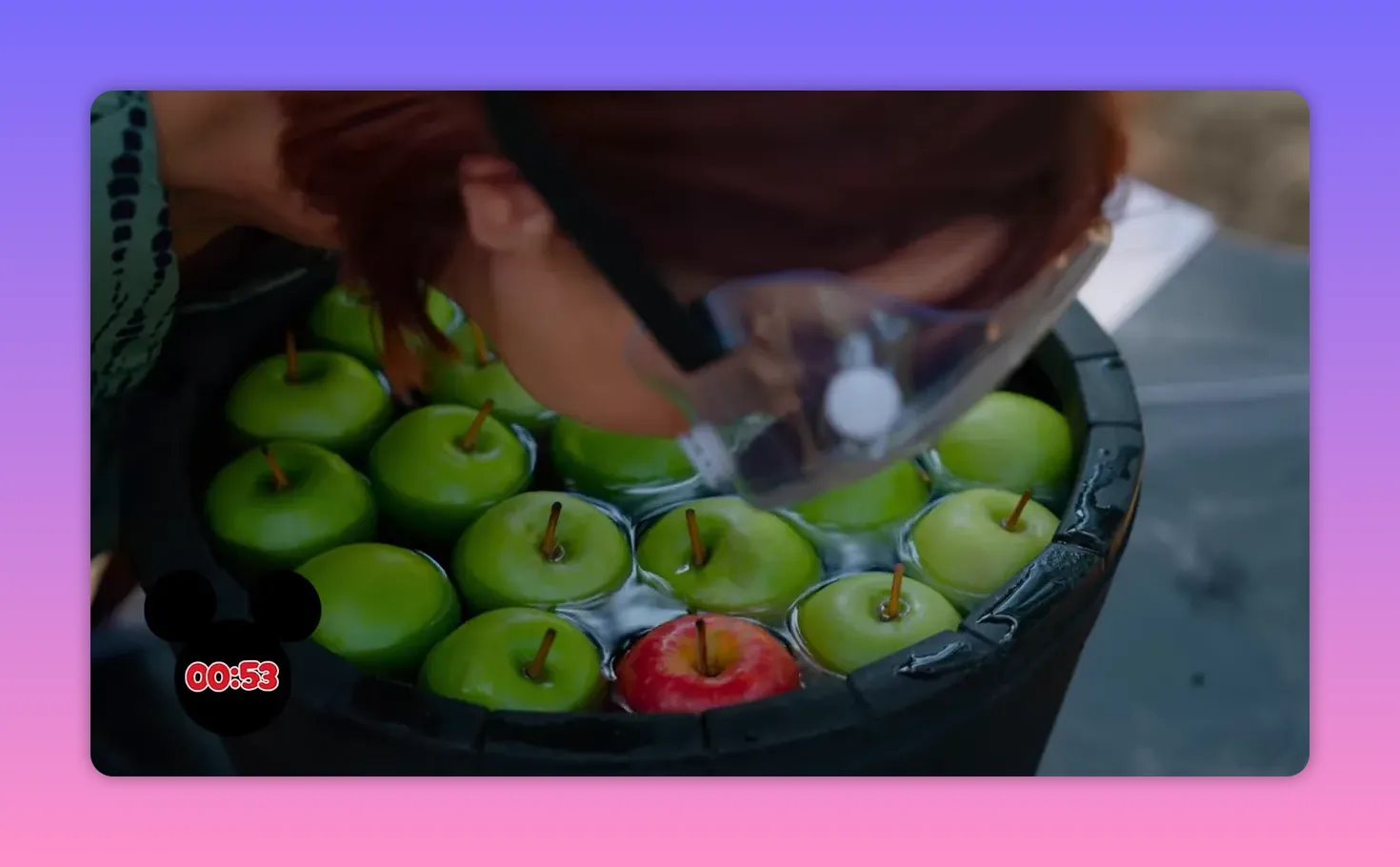
Why calm direction matters
High-energy shouting can scramble a blindfolded player’s sense of position. Calm, repeated cues help them build a mental map. The pair I observed used repetitive single-word directions: down, right, forward. When it came to the final moment, the partner counted down and prompted “bite,” turning all that ambiguity into action.
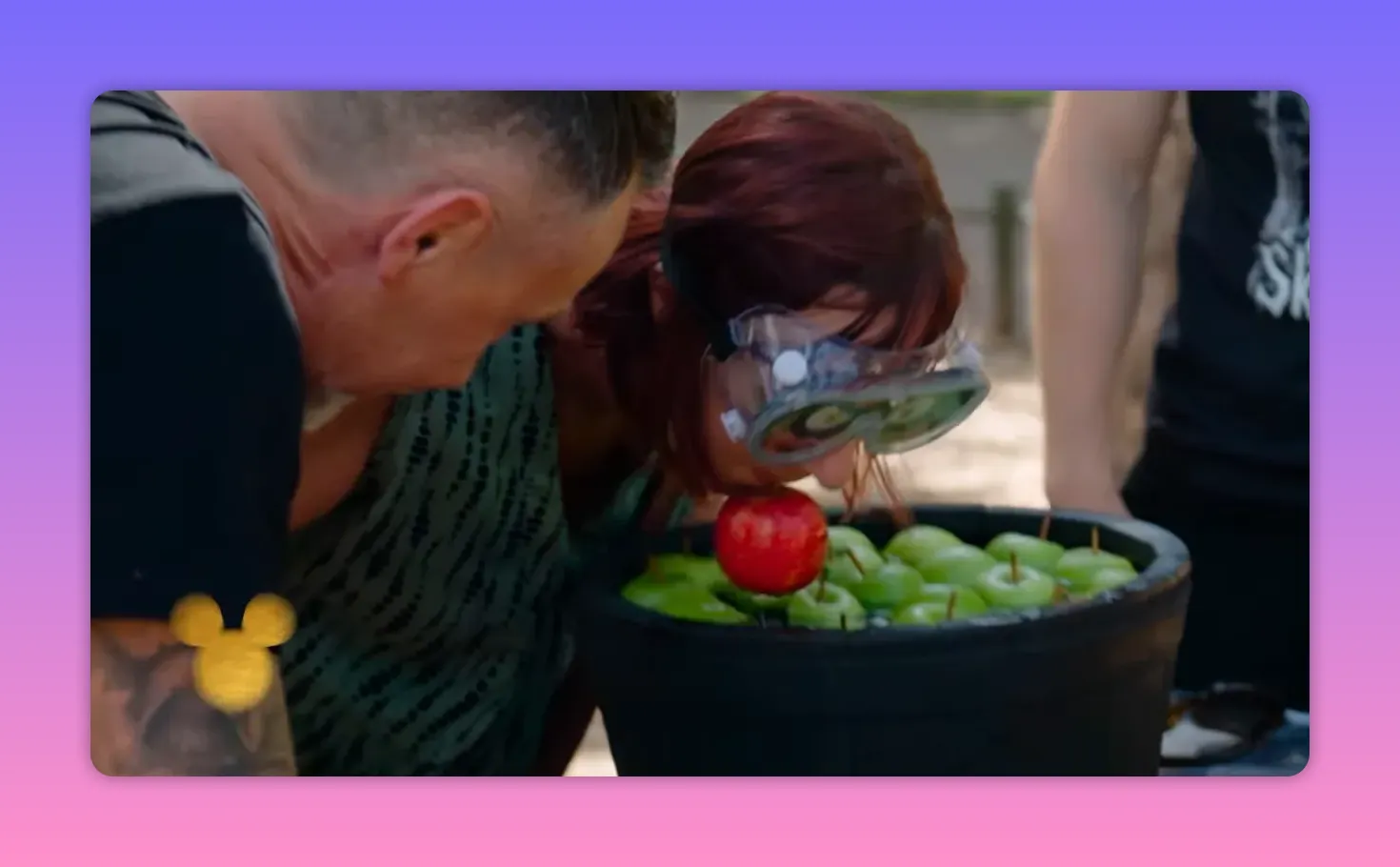
Safety and fairness tips
- Use shallow water and a wide bowl to minimize splashing and choking risks.
- Opt for clean, inedible props or fully sanitized fruit if using real apples.
- Have towels and a clearly marked “stop” signal available so the blindfolded player can end attempts at any time.
- Rotate roles so everyone gets a turn as both director and bobber.
How to coach a partner during Appledey Boppity Boo
If you find yourself giving directions in this game, remember three rules:
- Use single words and repetition — “forward,” “down,” “right.” Repeat until the bobber responds.
- Minimize extraneous commentary — long sentences increase cognitive load.
- Provide confirmation cues — “a little left” or “bite now” helps the bobber make the final move with confidence.
When those elements are in place, a calm guide can get a bobber to the apple without soaking them or losing time. The winning moment is almost always a quiet, perfectly timed “bite” prompt.
Challenge 3 — Let It Go: the psychology of coordination

Let It Go is deceptively simple. Two players each hold an arm of a small Boo doll. On the cue “let it go,” each either releases or holds. If both make the same choice—both release or both hold—they win. The game is a quick study in coordination, intuition, and partner knowledge.
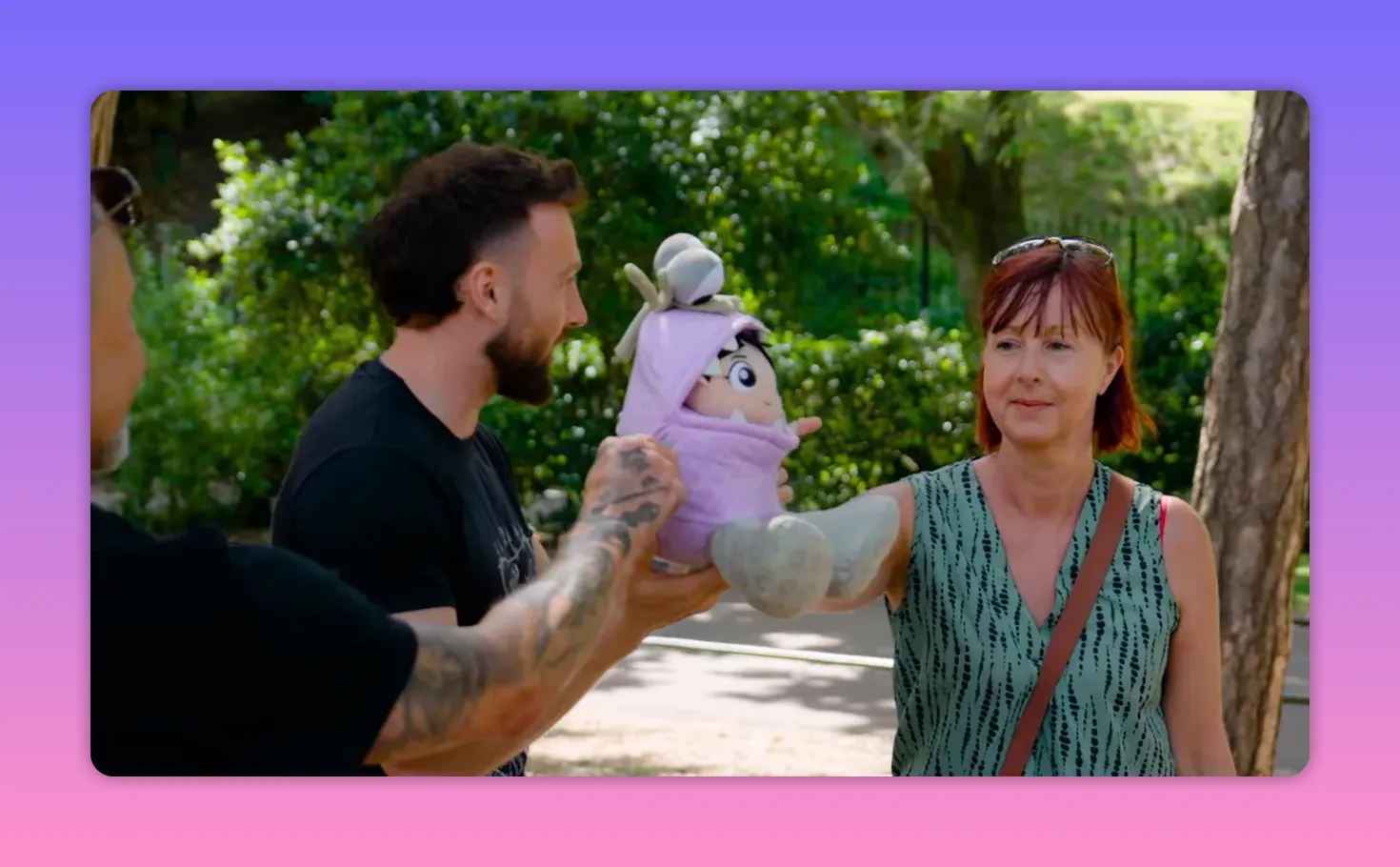
What makes this interesting is the interplay between wanting to match and wanting to second-guess. Do you assume your partner will be bold and let go? Or cautious and hold? The best teams have a mental model of each other and either talk briefly beforehand or rely on gut feelings.
Strategies that increase the chance of matching
- Pre-agree on a rule — set a default: both release unless otherwise specified.
- Read micro-cues — even with closed eyes, you can feel tension in your partner’s grip.
- Use personality as a predictor — who is more daring? Who usually concedes? Those patterns help decide.
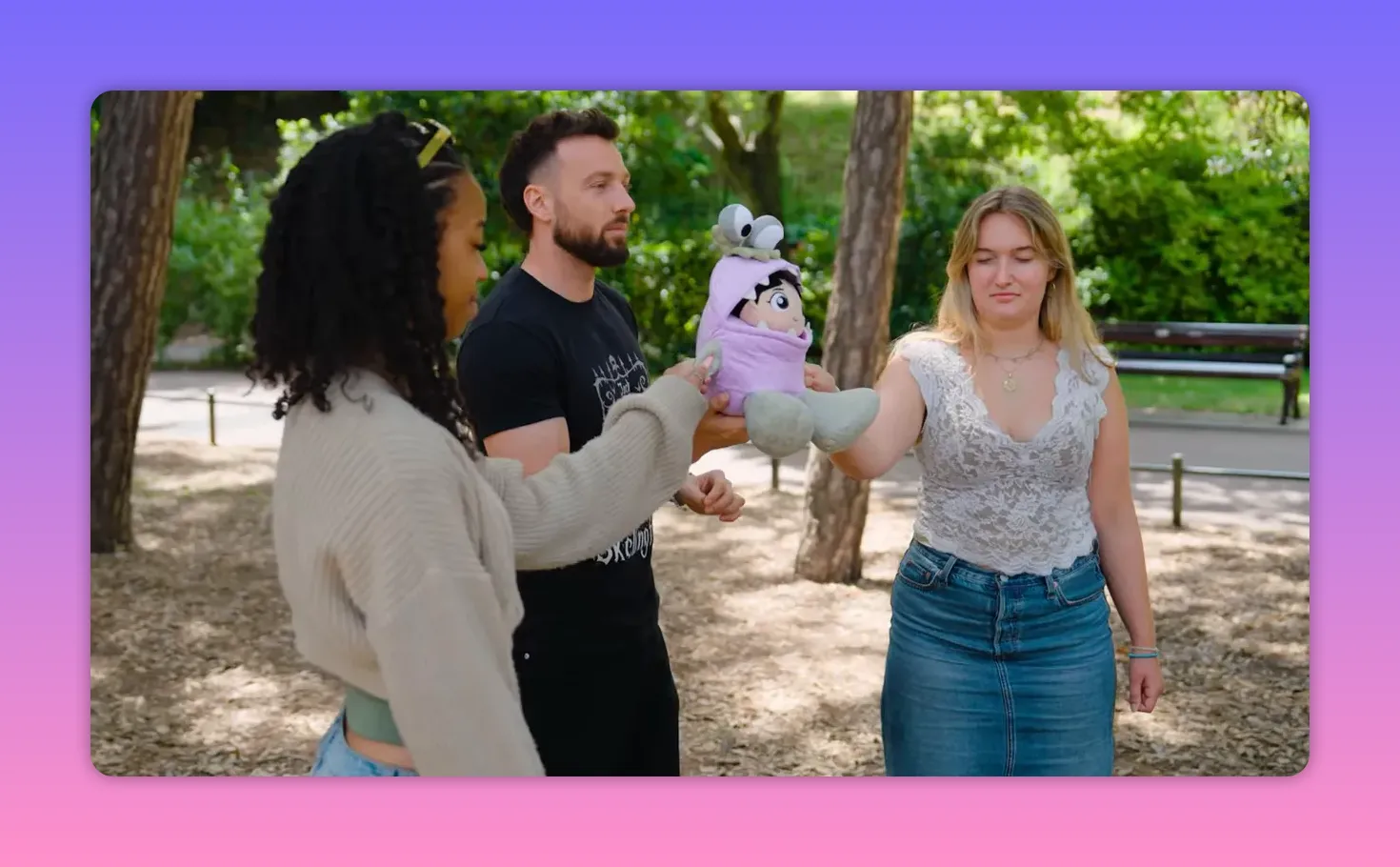
For the Bournemouth pair, the moment cracked open with laughter and a tiny bit of theatrical panic. The shared history helped; they were able to anticipate each other’s instinctive choice and synced up. The reward that followed—two Funko Pops—made the risk feel worthwhile.
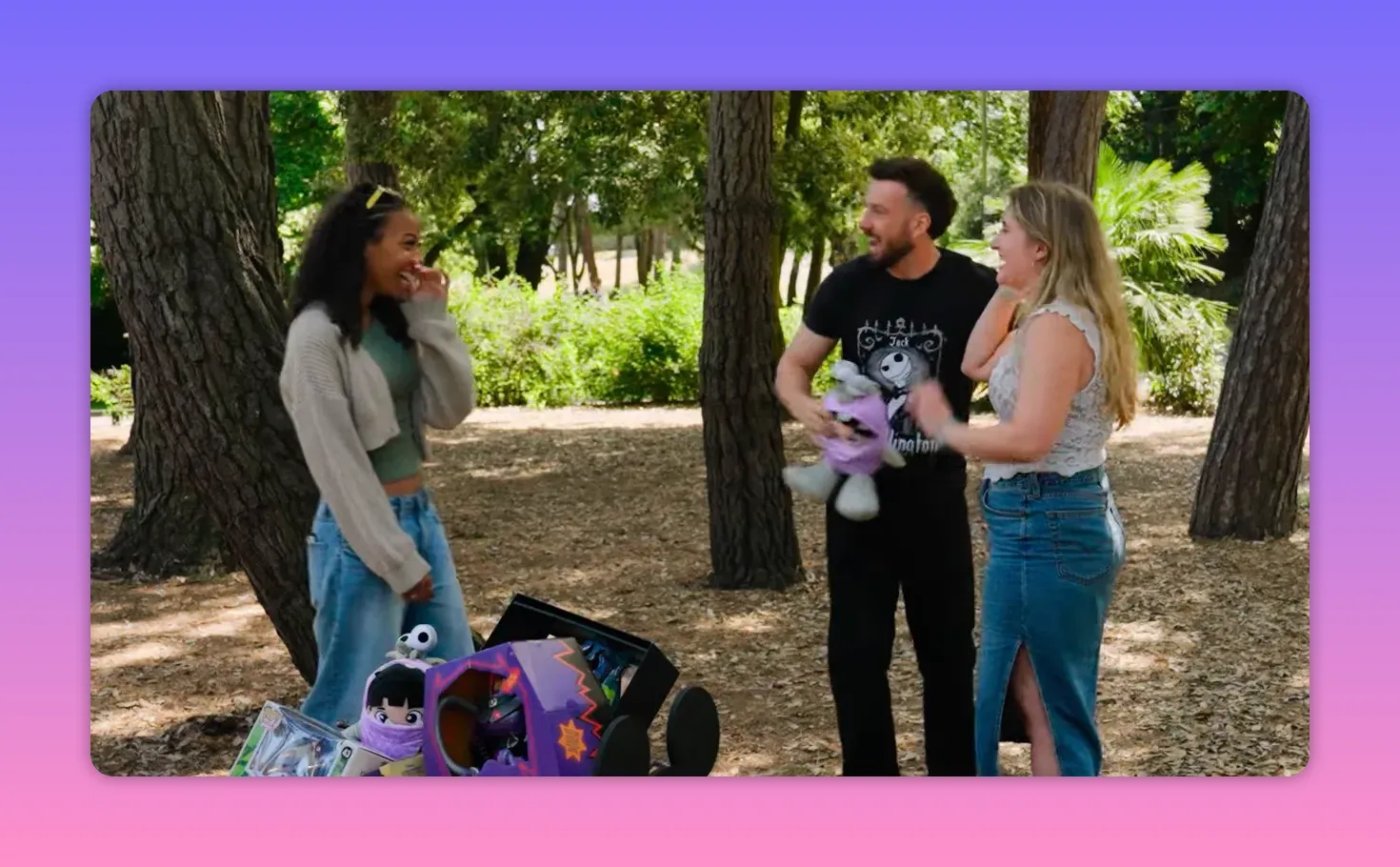
The reward moment: picking a prize
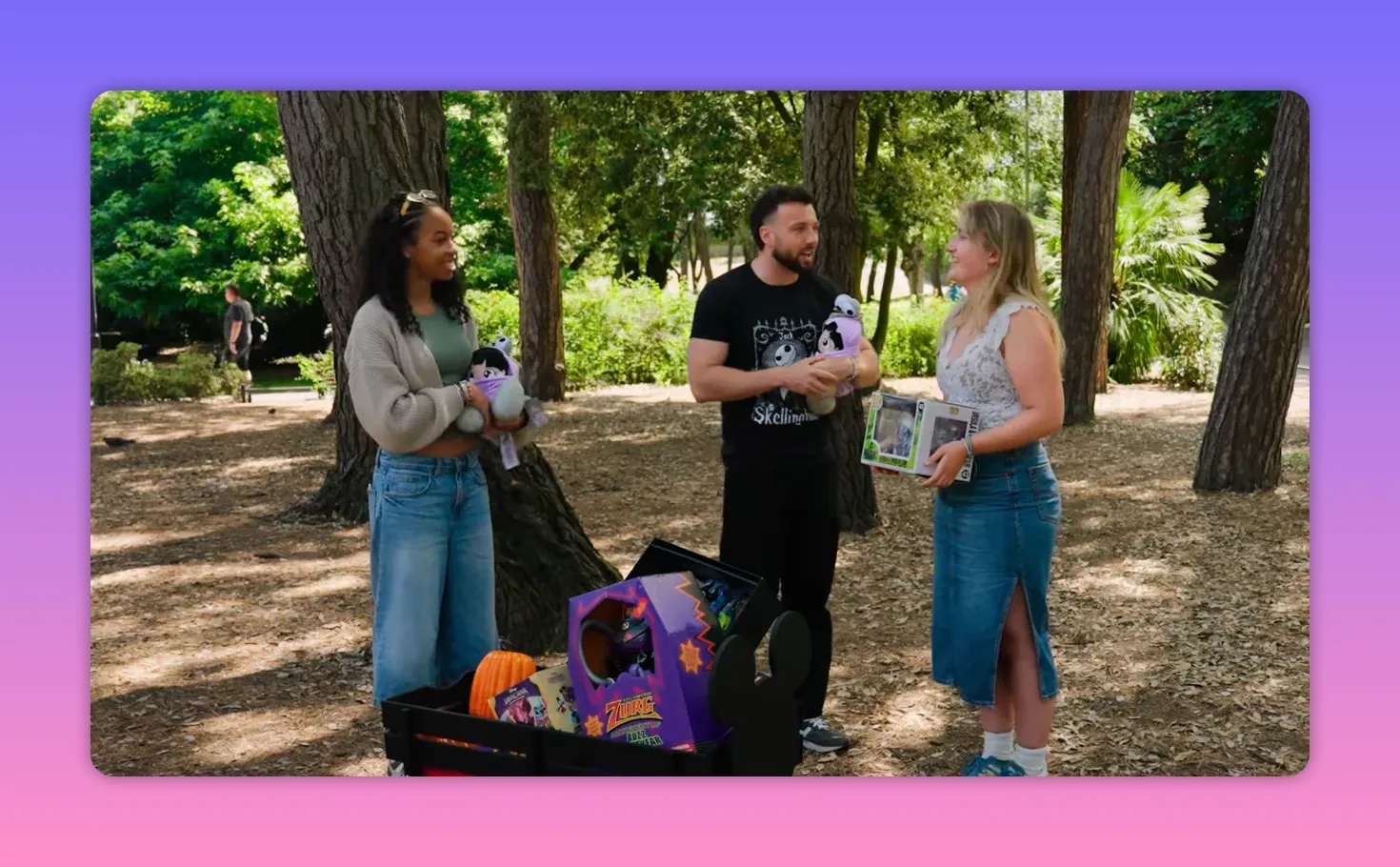
Prizes were central to the appeal. The team that passed all three challenges picked from the cart and chose Maleficent Funko Pops. A well-chosen prize does more than reward the winners. It turns the experience into a memory and provides social proof: future teams see the payoff and want in.
There are three psychological reasons to include desirable themed prizes
- Incentive — people take games more seriously when there is a meaningful reward.
- Emotional connection — Disney items trigger nostalgia and attachment.
- Social currency — winners get to show off their prize, which fuels friendly competition.
How to host your own themed micro-challenge event
Hosting an event like this is simpler than it sounds. Here is a complete checklist and a few templates to get you started.
Supplies checklist
- Covered box for tactile guessing (Hands of Horror)
- Variety of tactile props (plush toys, plastic crowns, toy claws, small figurines)
- Blindfolds and a shallow bowl for apple bobbing
- Sanitary wipes, towels, and a stop signal
- Small Boo doll or similar for Let It Go
- Timer or stopwatch
- Prize cart with themed items
- Optional: seasonal decorations and music
Sample running order for a 45-minute session
- Welcome and team pairing: 5 minutes
- Explain rules and show the prize cart: 3 minutes
- Round 1 — Hands of Horror: 10 minutes (including quick resets)
- Round 2 — Appledey Boppity Boo: 12 minutes
- Round 3 — Let It Go: 5 minutes
- Prize selection and wrap-up: 10 minutes
Script snippets to keep the energy running
- Opening tagline: “Spooky smiles and Disney style—three quick games, one magical prize.”
- Instructions for Hands of Horror: “You have 30 seconds. Say what you feel, then make a final call.”
- Appledey Boppity Boo cue: “Blindfold on. Directors only speak in one-word commands. And 60 seconds, go.”
- Let It Go alarm: “Close your eyes. When I say let it go, if you both do the same thing, you win.”
Adapting games for different audiences
One of the strengths of these micro-challenges is adaptability. Here are variants for kids, adults, and mixed groups.
- Kids — use softer objects, avoid real water, replace apple bobbing with a dry sensory version (e.g., retrieving a beanbag from a fabric-lined tub).
- Mixed-age — pair younger players with older mentors and increase time limits to give kids a chance to articulate their impressions.
- Adults — add layers like time penalties for incorrect calls or trivia tie-breakers related to the props.
Teamwork takeaways: what these games reveal
These short challenges are a window into how people coordinate under pressure. They reveal communication preferences, leadership styles, and trust levels. Here are four patterns to watch for and ways to encourage better coordination next time.
Common patterns
- The Leader-Follower split — one person directs, the other executes. This works when roles are clearly accepted.
- Democratic call — both offer input and vote on a single answer. It is inclusive but slower.
- The Panic Pair — both people speak at once and contradict. Quick intervention from a neutral host can reset them.
- The Silent Sync — minimal words but strong nonverbal cues and intuition. Often found in close friends or long-term partners.
How to optimize performance
- Designate roles quickly: ask who wants to lead before starting the timer.
- Encourage concise language: short phrases beat long explanations under time pressure.
- Practice once: a quick trial run reduces the stress of the first real attempt.
- Use positive reinforcement: celebrate small wins to build momentum.
Why the Disney theme works so well

The power of branded themes is emotional. Disney characters carry stories, feelings, and shared cultural memories. When you add a holiday layer like Halloween, cultural associations become richer. These themes make micro-games feel cinematic and meaningful in a way generic props do not.
Players are not just playing for an anonymous prize. They are playing for a character that could sit on their shelf and evoke childhood joy or holiday nostalgia. That connection elevates the stakes, meaning small games feel big.
Prize ideas beyond Funko Pops
While Funko Pops are excellent because they are collectible and visually satisfying, there are many other prize options that match the theme and maintain excitement.
- Mini plushes featuring classic characters
- Themed backpacks or tote bags
- Character pins and badges for event lanyards
- Gift cards to a themed store or experience
- Decorative mugs or seasonal ornaments
- Custom mystery boxes with a small mix of items
Putting a competition twist on your event
If you want to scale these micro-games into a larger competition—say, across multiple days or with public voting—consider two systems:
- Bracketed elimination — teams face off head-to-head. Winners advance to a final where the prize is larger.
- Cumulative points — teams accumulate points across different games. The highest scorer chooses the grand prize.
Make sure to publish clear rules, deadlines, and any eligibility criteria if the competition crosses jurisdictions or involves prizes of monetary value.
Final reflections: why short-form games create lasting memories
There is a special alchemy when you pair a short challenge with a lovable theme and a tangible reward. These elements create an emotional arc that is compact but meaningful: anticipation, stress, collaboration, surprise, relief, and celebration. That arc is exactly what makes these little events feel like real occasions.
Whether you are designing a Halloween party, a team-building exercise, or a community fair, the template is the same: keep it fast, make it thematic, and put people in situations where communication and trust matter. The rest will follow—the laughs, the triumphant cries, and the victorious prize picks.
What are the rules for Hands of Horror?
Teams have 30 seconds to reach into a covered box and feel a hidden object. Players must describe tactile sensations aloud and decide on one single answer. If their guess matches the hidden item within the time limit, they pass the round.
How do you run a safe version of Appledey Boppity Boo?
Use shallow water, sanitized props, or a dry alternative like a fabric-lined tub with a soft object. Provide towels, a stop signal, and ensure the blindfolded player can opt out anytime. Keep directions short to avoid chaos and splashing.
Can Let It Go be used for team-building?
Yes. Let It Go is a rapid coordination exercise that highlights trust and shared decision-making. Use it to surface communication styles and to prompt discussions about predicting teammates’ instincts. It works best as an icebreaker or a closing activity for short events.
What prizes work best for themed micro-games?
Collectibles like Funko Pops, small plush toys, themed backpacks, pins, and mystery boxes are effective. Choose prizes that match the theme to reinforce the emotional appeal and encourage participation.
How can I adapt these games for children?
Increase time limits, use softer and safer props, avoid real water for apple bobbing, and add visual cues. Pair children with adults for guidance and keep instructions playful and short.
What communication strategies help teams succeed in these games?
Assign roles quickly, favor short sensory phrases, repeat key direction words, and decide on a final caller to make the final decision. Calm, confident directions often beat frantic ones.
Is there a way to run a larger competition using these games?
Yes. Use bracketed elimination or cumulative points across multiple rounds. Publish clear rules, timelines, and eligibility criteria for transparency. Offer escalating prizes to sustain interest over multiple sessions.
Are there any age or accessibility considerations?
Yes. Consider mobility and sensory limitations: provide alternative roles (e.g., judge, timekeeper) and adapt physical tasks. Offer non-visual cues for blindfolded games and avoid items that trigger allergies or distress.
Closing note
When games are simple, themed, and social, they create unforgettable moments. Whether you are planning a Halloween-themed gathering, a pop-up festival, or a small community event, these three micro-games provide a sturdy template: tactile mystery, guided trust, and instinctual coordination. Mix in a themed prize cart, a few instructions, and a generous helping of encouragement, and you have the recipe for a magical afternoon where everyone leaves smiling.


