

The thing I’ll say about Five Nights at Freddy’s 2 is that it gives fans more of what they wanted—only cranked up to level 11. If the first chapter proved that a game-to-film adaptation could translate atmosphere, dread, and character into mainstream horror success, the next installment doubles down on all of it: more animatronics, more iconic locations, and a deeper dive into the mythos that made the franchise a cultural phenomenon.
Why this sequel matters
After the first film became the highest grossing horror film of its release year, expectations were never going to be small. The original’s combination of practical creature work, tight direction, and a faithful adaptation of the game series earned both fans and new audiences. This follow-up doesn’t just continue the story. It expands the world in surprising ways while staying true to the DNA that made the source material so unsettling.
There is a deliberate decision at the core of this new chapter: honor the original game’s aesthetic and fan expectations while escalating everything. That means larger-than-life set pieces, more complex animatronic characters, and a willingness to explore the franchise’s darker origins. For longtime followers, that translates to payoff. For newcomers, it means a carefully constructed atmosphere where every detail—from office layout to puppet mechanics—is designed to build tension.
What to expect from the tone and scale
The sequel embraces a cinematic, heightened tone. Description aside, the film intentionally amplifies the elements fans know and fear. The atmosphere feels more concentrated. Jumps are more inventive. The setting is expanded beyond one claustrophobic night watch into a community that has turned tragedy into spectacle. Imagine the carnivalization of urban legend: merchandise, festivals, and a town that has both commodified and sanitized its trauma.
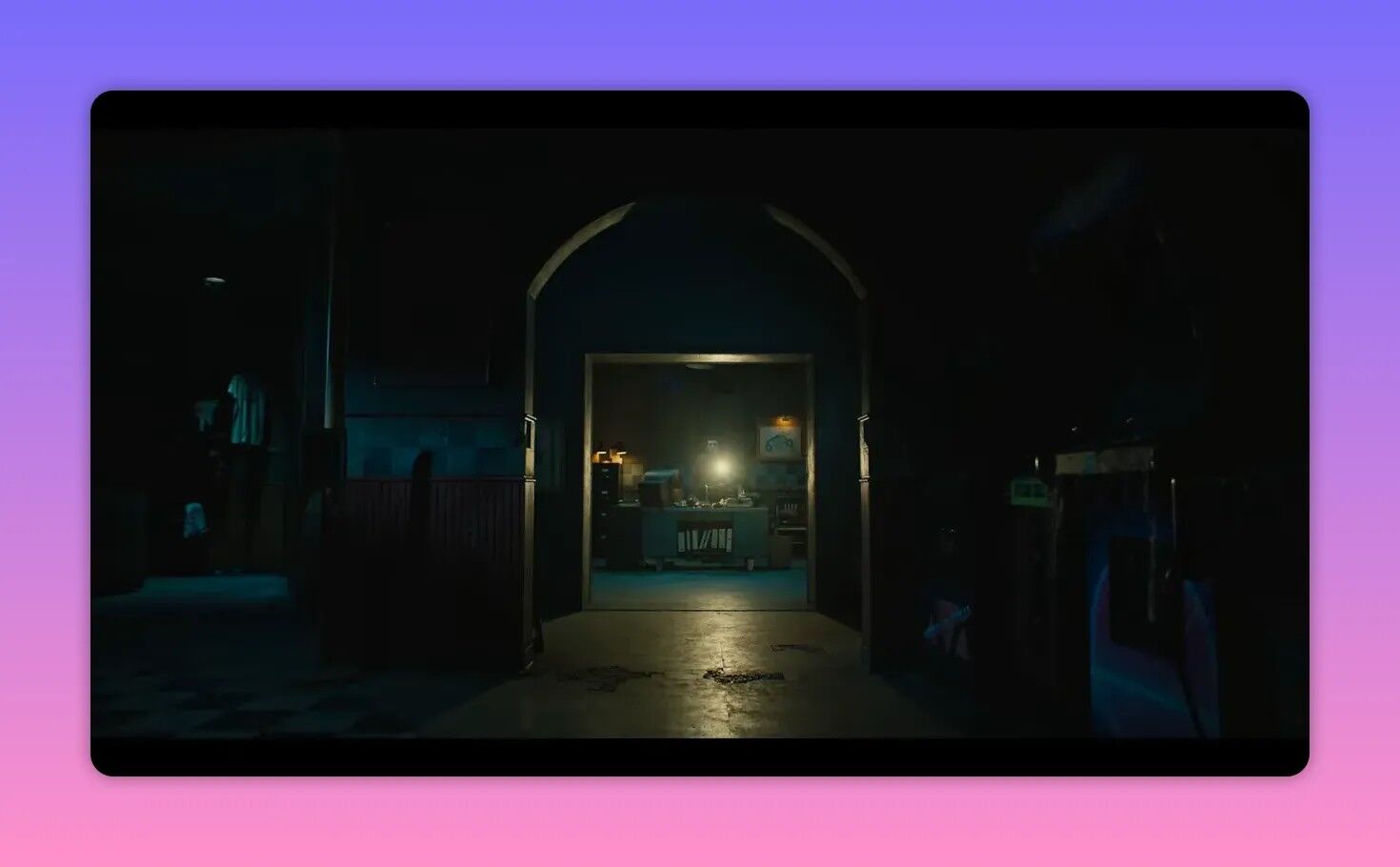
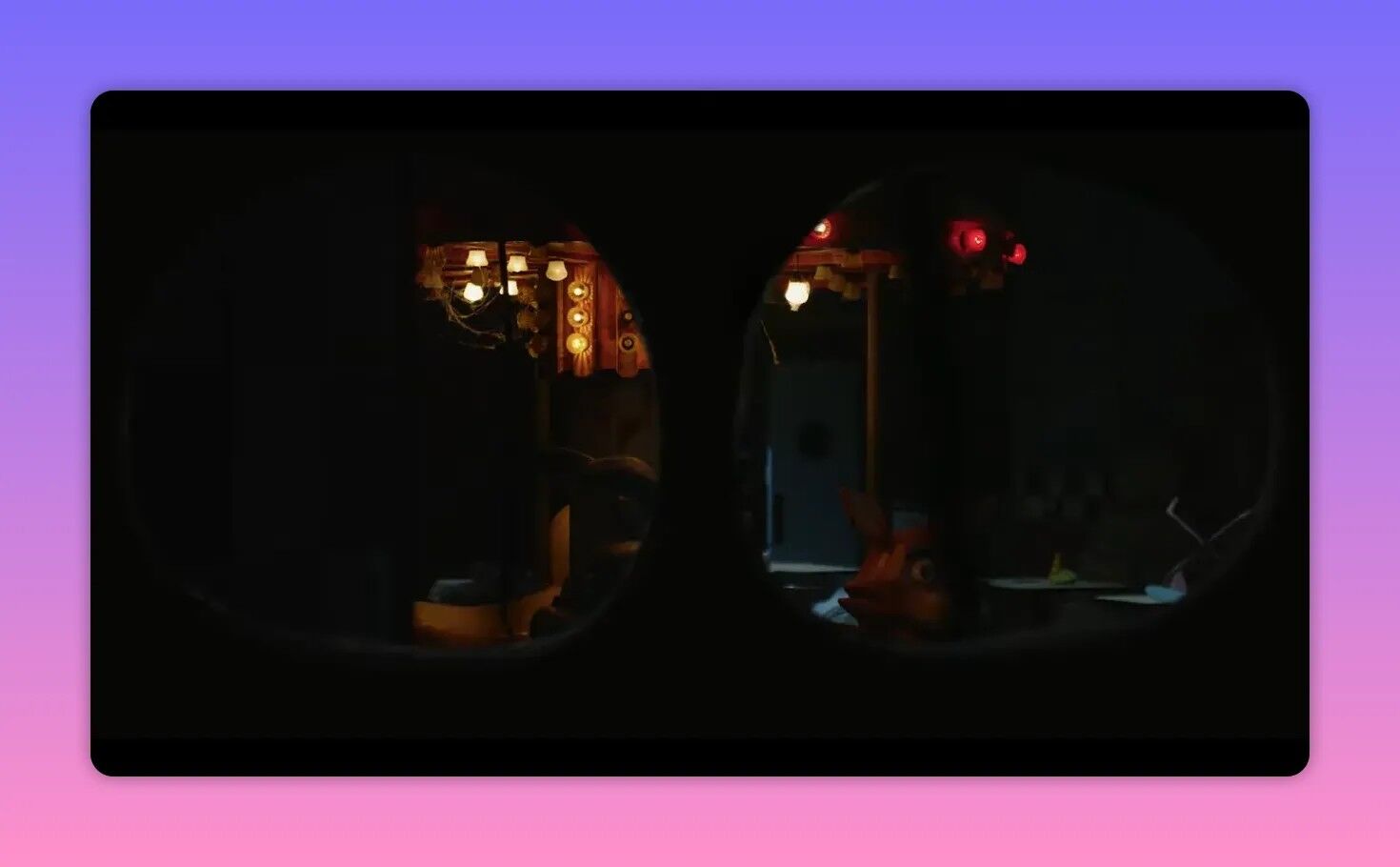
The office is so one to one. It’s like wearing a VR headset looking at the game.
That line captures an important creative objective: deliver an experience that feels almost identical to the interactive source material. It is not just about recreating visuals. It is about replicating the emotional rhythm of the game—the helplessness, the dread, the frantic problem solving—while leveraging film language to make those moments visceral for an audience.
Animatronics as characters, not props
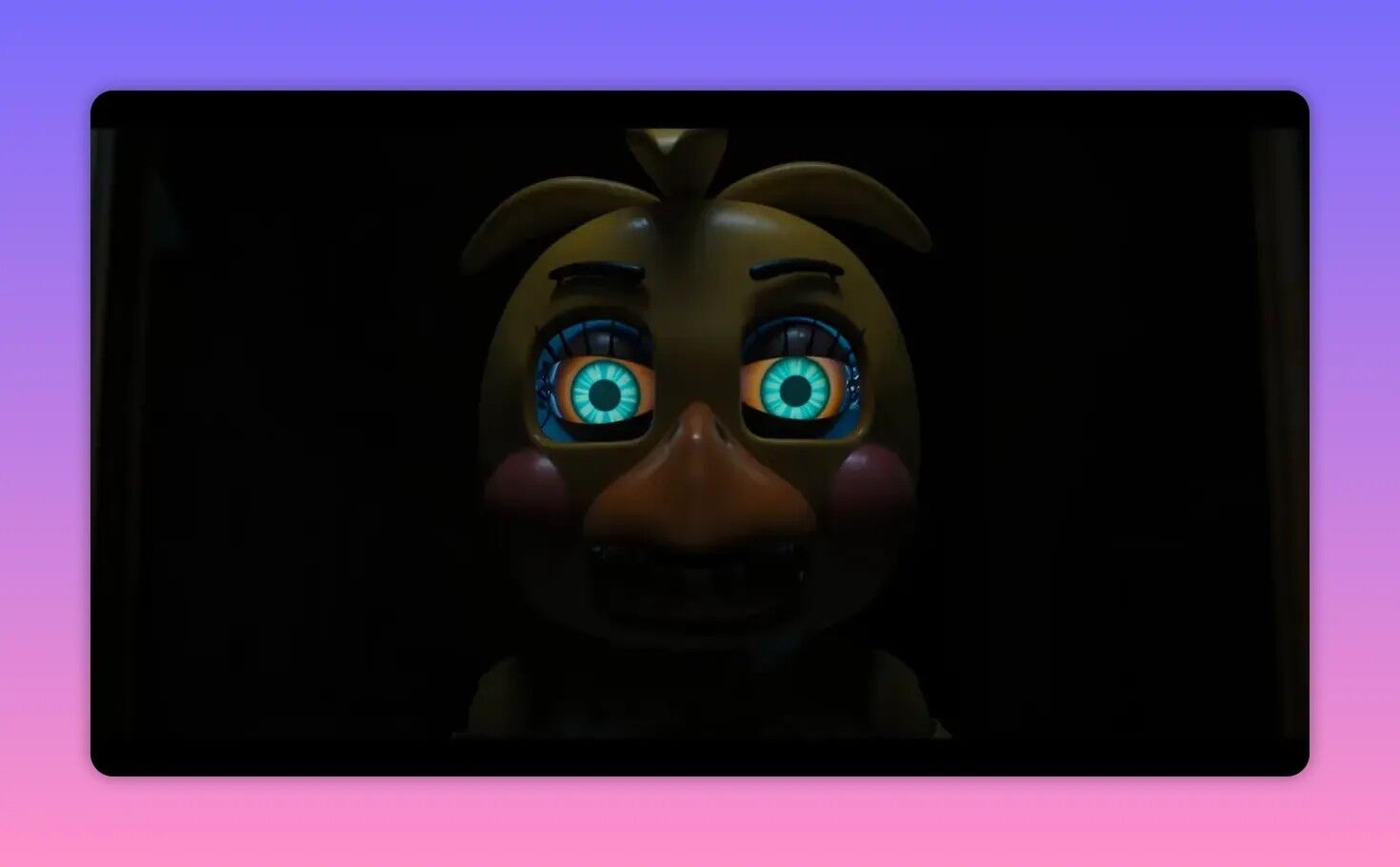
One of the strongest commitments from production is treating the animatronics as real characters. They are not mere background monsters to be tossed into the frame; they are central players with design, movement, and presence. Practical effects studios with decades of puppetry expertise collaborated to make creatures that read on camera as both mechanical and eerily alive.

That matters because practical animatronics offer an unmatched physical presence. A well-built puppet will cast light, reflect in glass, and interact with actors in a way digital constructs struggle to mimic. When a practical animatronic turns its head, there is resistance in the joints, a small whir, and an uncanny weight. Those subtleties help the audience accept the creature as something tangible—something that can breach the world of the characters.
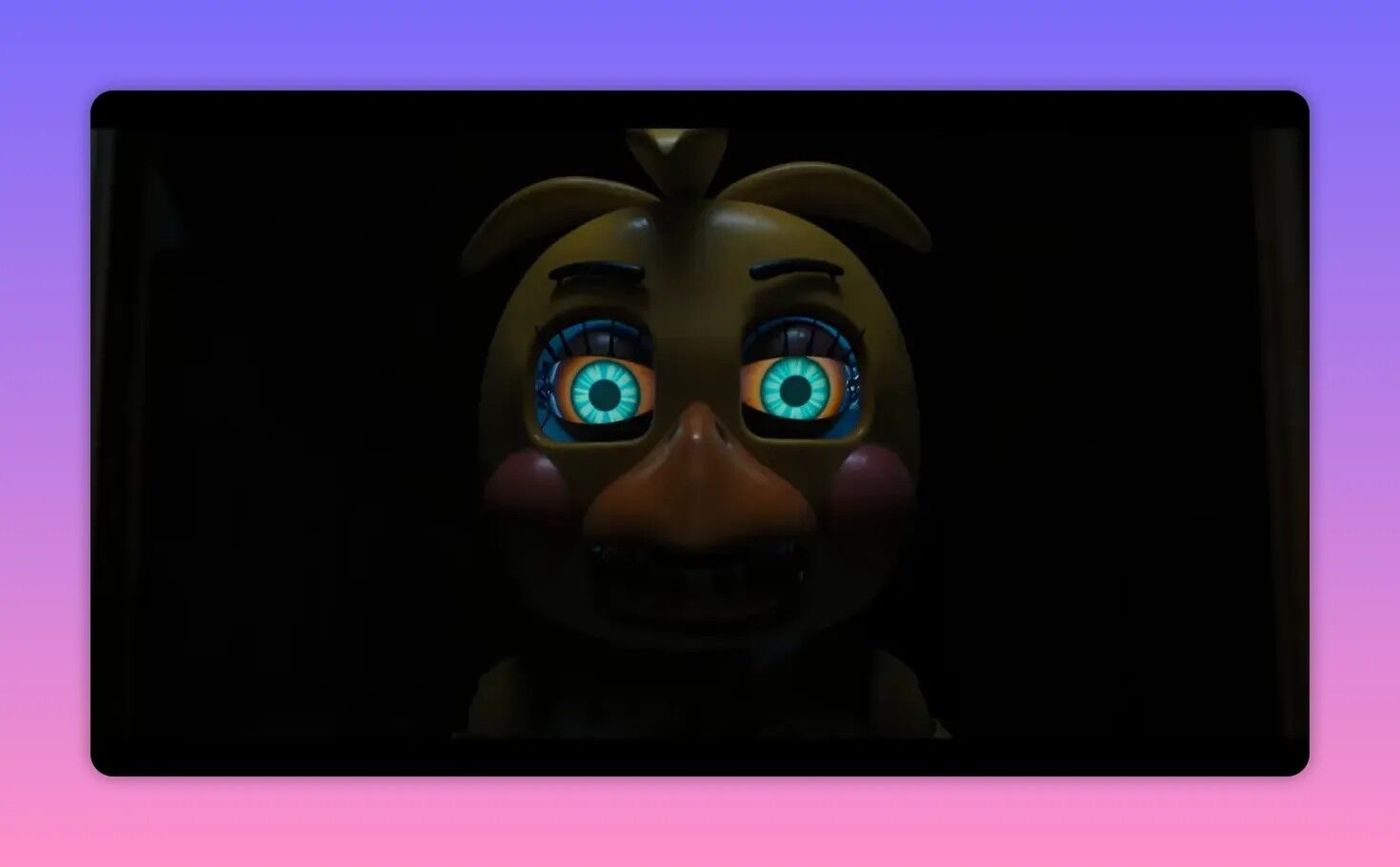
Expect a wider roster of animatronics than before, each with distinct silhouettes and behavioral patterns. The film leans into variety—classic icons and newer additions—so that scenes become dynamic, with tension created by unpredictable movement and proximity rather than formulaic jump scares.
Design choices that keep fans grinning and gasping
Designers worked with a clear mandate: prioritize authenticity to the game’s look while elevating textures and details for the big screen. That means fabrics, wear and tear, and mechanical complexity were all layered in during production design. Costuming and set dressing deliberately reference game frames and fan-favorite imagery.
Everything’s just like cranked up to level 11.
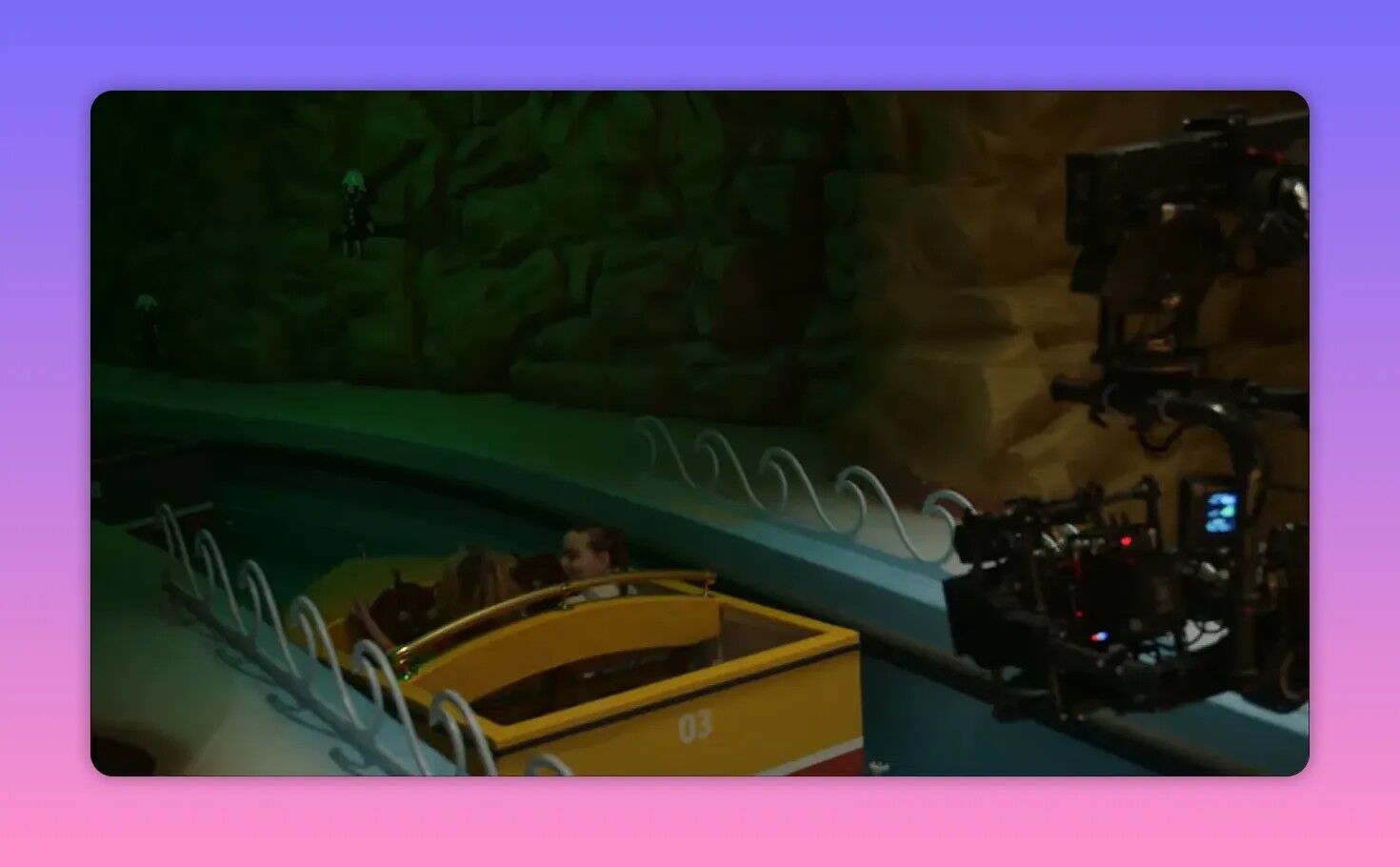
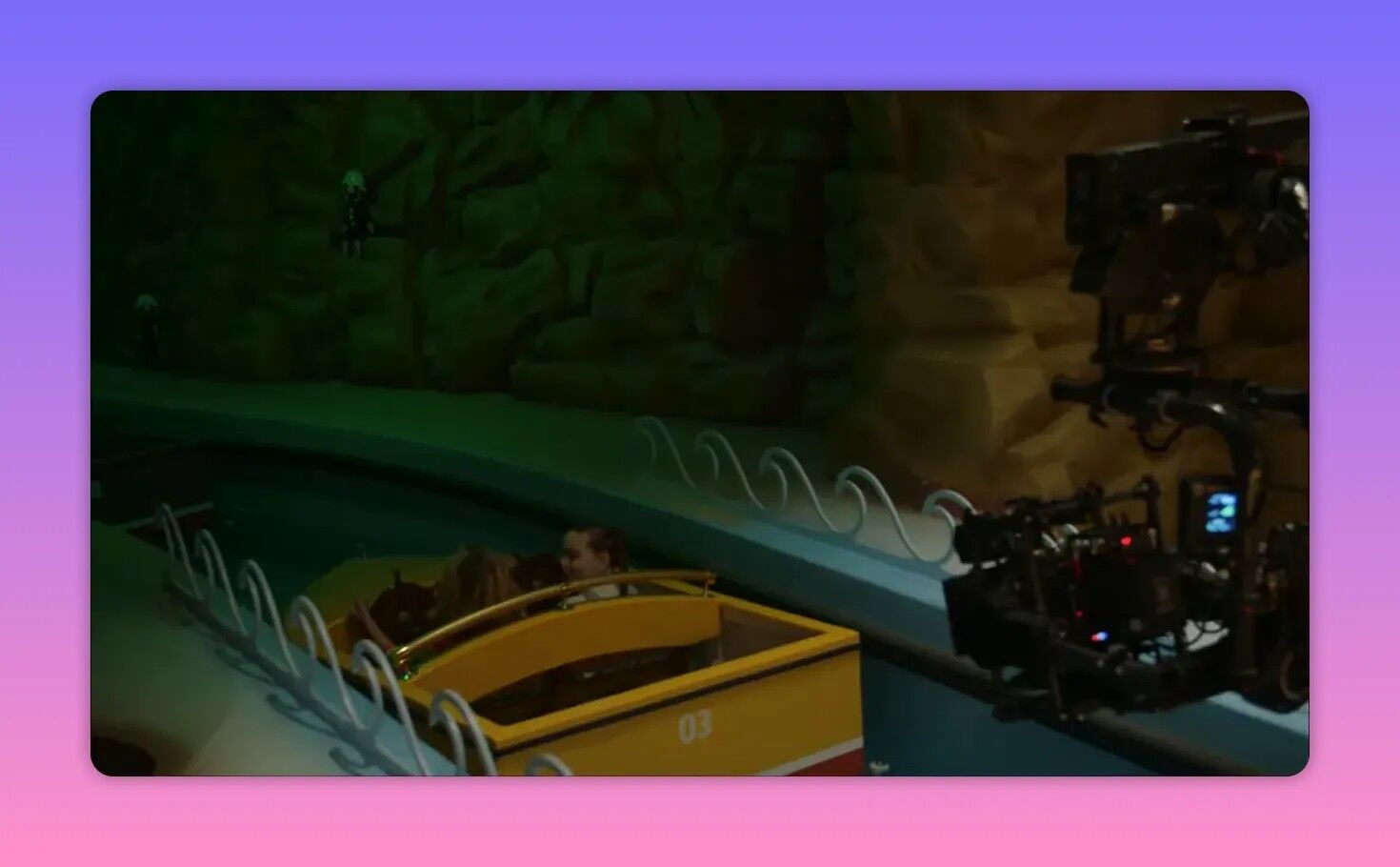
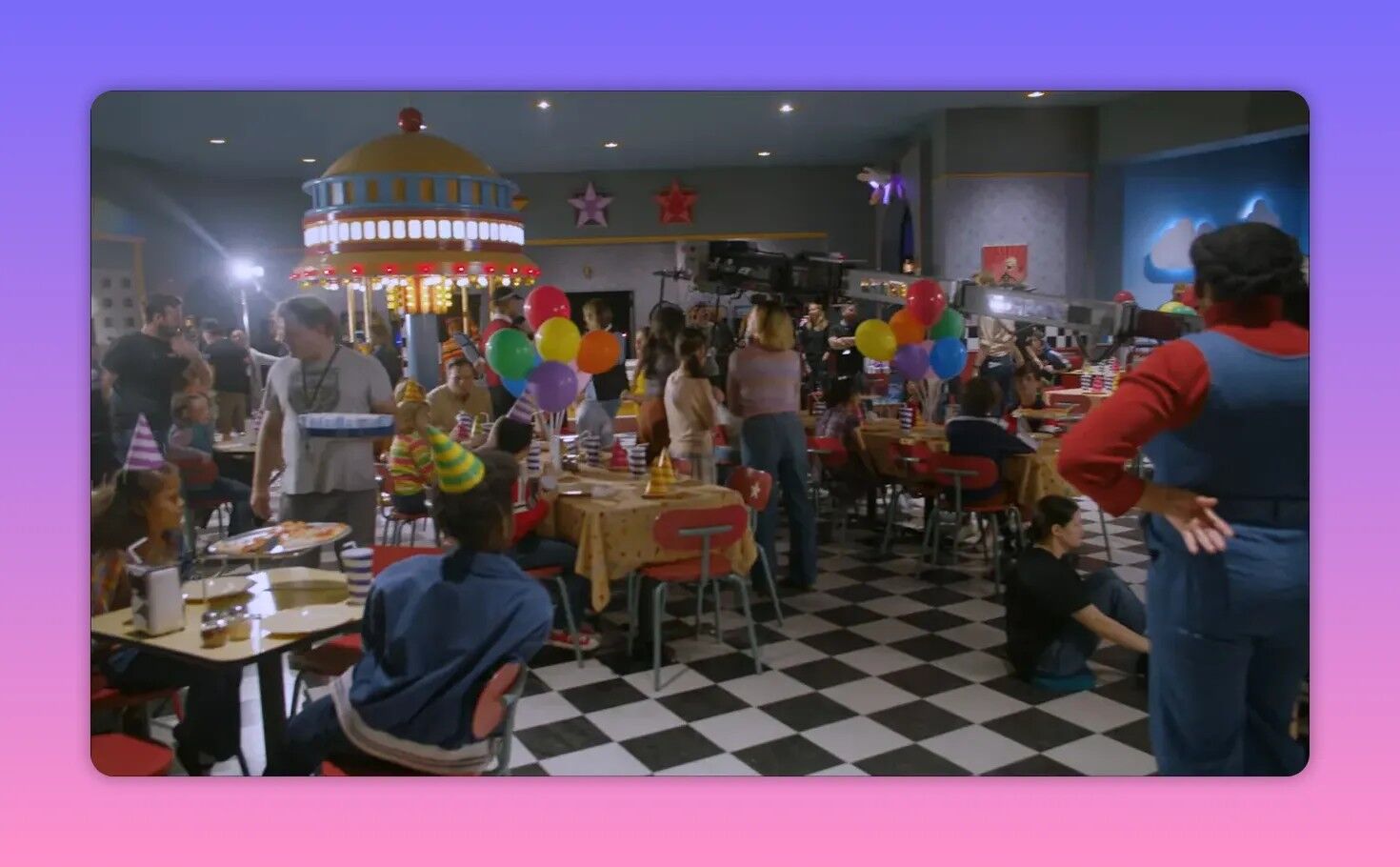
That enthusiasm explains the scale of creative ambition. The sequel isn’t trying to be subtle. It wants to be unmistakably, overwhelmingly Freddy’s. The presence of a new pizzeria location—complete with a river running through the space—signals a willingness to reimagine the franchise’s universe. The river element is not cosmetic; it alters sightlines, creates new opportunities for suspense, and presents physical barriers that directors can play with during chase and reveal sequences.
Locations and production design: pushing the world outward
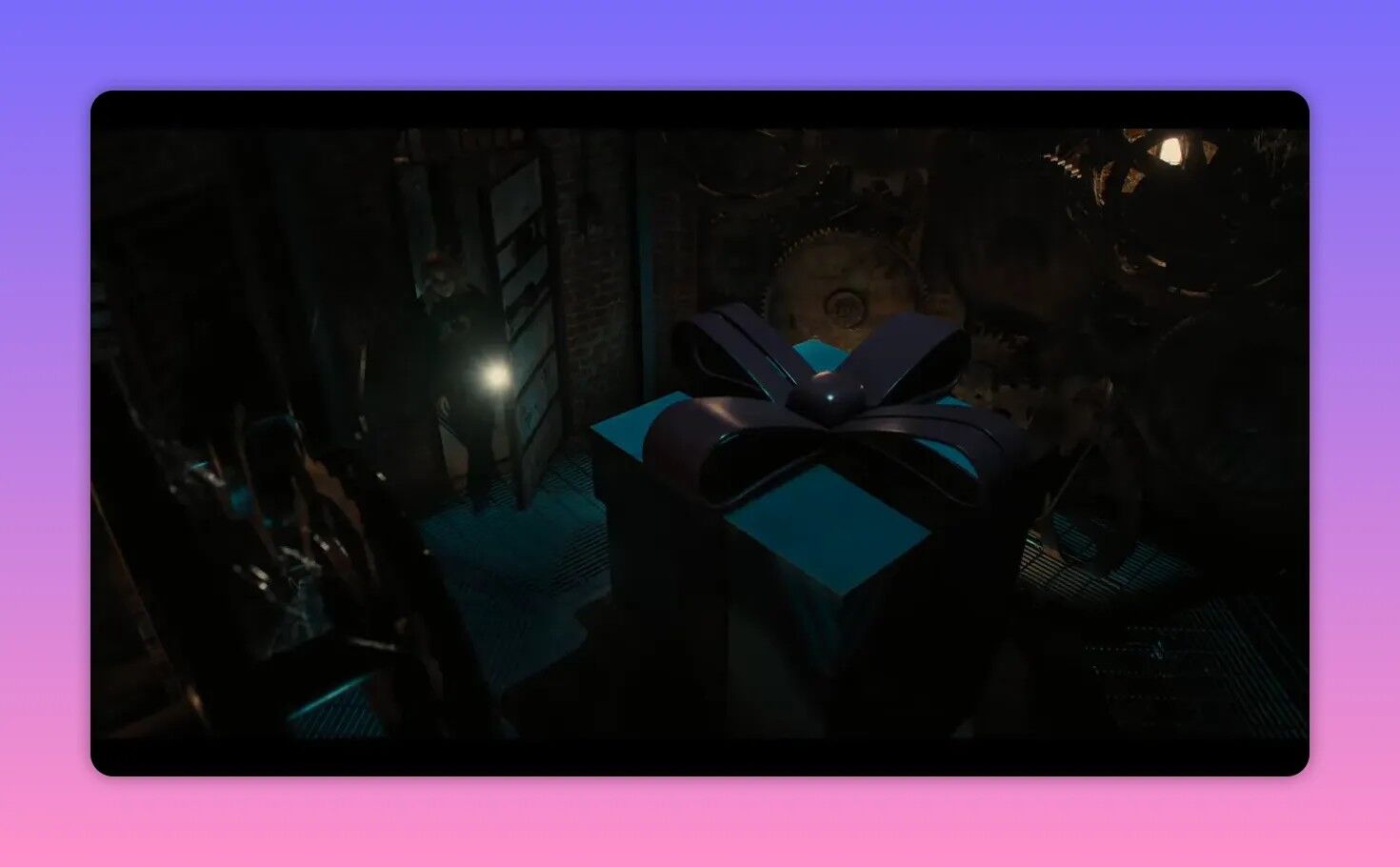
Rather than confining the story to one kitchen, office, or backroom, the sequel expands the geography of Fazbear’s. This broader canvas lets the filmmakers contrast the banal with the bizarre. Street-level marketing for Fazfest, neon corridors lined with animatronic displays, and an updated arcade atmosphere all contribute to a living, breathing world where horror hides behind promotional banners and mascot costumes.
Expanding locations also changes pacing. The game’s tight loop came from repetition and limited space. Expanding the setting adds movement and variety to the film form, letting scenes breathe and tensions build across environments. It introduces longer sequences that can oscillate between eerie quiet and sudden terror, all while maintaining the dense atmospheric tension that defines the franchise.
Characters and the human heart of the story
At the center of the return are characters who ground the supernatural with real emotional stakes. The sequel revisits familiar faces while introducing new ones whose arcs intersect with the franchise’s mythology. The film’s emotional core is not the animatronics themselves but the humans who loved and feared them—especially the child characters whose relationships to the characters drive the narrative forward.
That balance is critical. Horror saturated with philosophical pondering risks losing its visceral pull. Conversely, pure spectacle without emotional stakes tends to fade from memory. By giving characters genuine attachments—to friends, to town history, to trauma—the story becomes about preservation and loss as much as it is about survival.
Cast highlights and performances

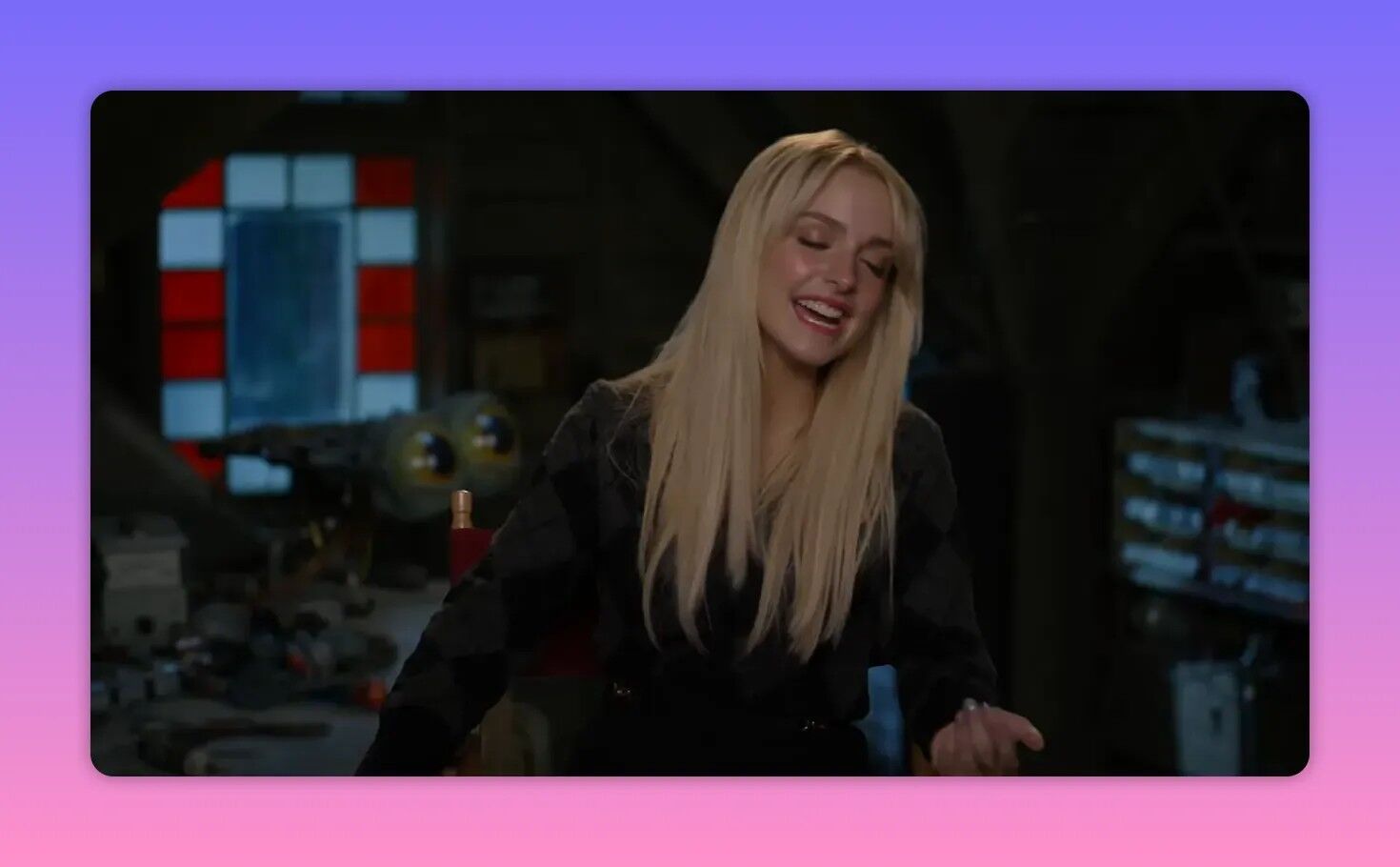
Performances anchor the film. Returning actors bring continuity, while new cast members offer fresh perspectives. The production mixes veteran performers with younger talent, and that tonal variety helps create believable family relationships and community dynamics. One of the young cast members has been a fan of the franchise for years, calling the role a dream job, which translates into a performance that is both affectionate and authentic.
When actors are true fans of the material, they tend to respect the beats that matter to other fans: a lingering glance at a mascot, a knowing beat of silence when an animatronic enters a frame, a react shot that sells terror without overacting. Those small details are what separate a generic horror sequel from one that feels lovingly curated.
Practical effects and the Henson legacy
Practical creature work plays a starring role. The Henson studio—renowned for decades of puppet and animatronic craftsmanship—brings its expertise to bear on the new characters. The result is a set of animatronics that behave and register like living threats. Each creature’s articulation, skin texture, and electronics are tuned to look convincing under film lighting.
Practical effects require choreography. Puppeteers and actors rehearse space, timing, and eye lines to make interactions seem spontaneous. When done well, these collaborations create sequences where fear arises organically from proximity and movement rather than artificial jump edits. The production leans into that discipline, ensuring the audience feels the animatronics as co-actors.
Direction and the creative team
Directing this kind of sequel is an exercise in empathy and restraint. Empathy because the creative team must understand what fans loved and why. Restraint because elevating scares rarely comes from doing more of the same; it comes from reconfiguring familiar elements into surprising beats. The director’s role here is to orchestrate scares, atmosphere, and character drama without diluting the franchise’s identity.
Working alongside the original game creator as a writer is a strategic strength. That continuity ensures the film’s lore stays coherent while allowing cinematic innovations. Producers with horror pedigrees contribute experience in pacing, marketing, and tonal clarity, which is crucial when adapting a property that has such a devoted fan base.
Story elements and myth-building
Instead of retreading previous territory, the sequel explores the mythology behind Freddy’s in a way that expands the timeline. The town’s collective memory has turned a horror story into a local legend, and the film interrogates how communities package and forget trauma. That thematic thread makes the film more than a series of set pieces; it becomes a story about the consequences of forgetting.
At the same time, the narrative inserts a personal stake: children reconnecting with animatronics they loved, only to discover these characters carry darker secrets. The collision between nostalgia and horror is a familiar trope, but here it is handled with clear intent: to reveal a deeper origin and reframe what those mascots mean to the town and its inhabitants.
How the film honors game mechanics

The film borrows the game’s sensory framework—limited perspective, sudden threats, and the tension of being watched—and translates those mechanics into cinematic language. The office sequences, for instance, recreate the claustrophobic viewpoint and the tactical anxiety of monitoring multiple threats. Camera placement, sound design, and editing work together to mimic the same hyperawareness players experience when playing the game.
That approach does more than please fans. It creates immersive sequences where audiences participate emotionally and mentally. Watching characters scan, close doors, or frantically reroute power becomes a vicarious experience of surviving the game’s night watch. Practical design choices—like the VR-like fidelity of the office—make those moments land harder.
Why fans will be especially pleased
Fans tend to crave two things: fidelity and escalation. Fidelity gives respect to the original material; escalation shows the adaptation has something new to offer. This production seems committed to both. By recreating the visual and emotional beats of the games and then amplifying them—more animatronics, expanded set pieces, and a deeper look into the franchise’s dark history—the filmmakers are positioning the sequel as both homage and evolution.
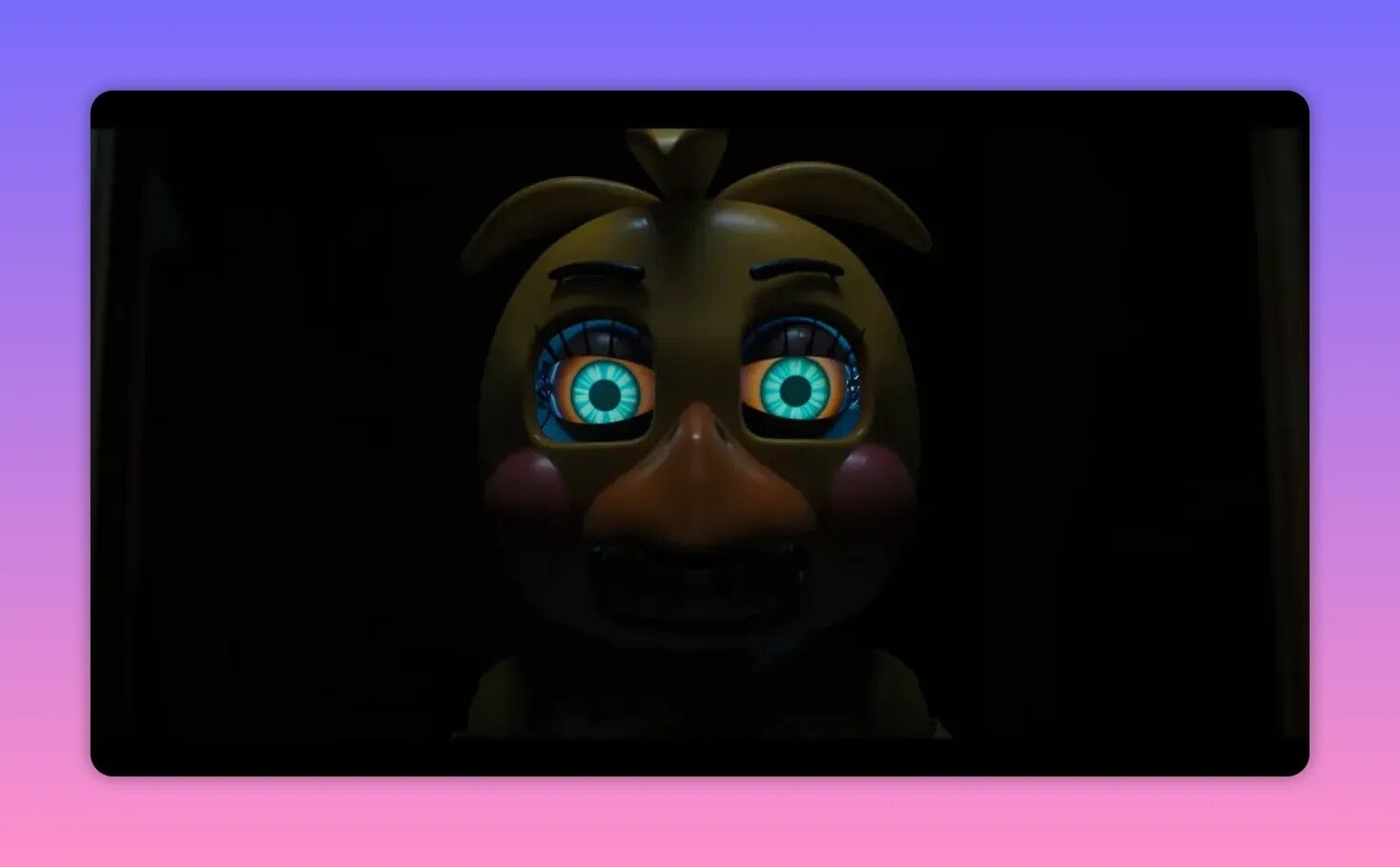
There is also a palpable sense of fan service that is not cheapened by pandering. Nostalgic elements are woven into the narrative in ways that feel earned. When a familiar tune plays or a classic animatronic silhouette appears in shadow, it registers because it serves story and character rather than purely evoking memory.
Sound design and music
Sound is a character in its own right. In a franchise built on the idea of things coming alive in the dark, the layering of mechanical groans, a childlike melody turned sinister, and sudden silences are essential for tension. The production uses sound to create expectation and dread. A squeak in the corridor, a distant fanfare, or the unmistakable clank of servos tells the audience a threat is imminent even before the camera confirms it.
The score complements these elements by subverting the playful themes associated with a family-friendly venue. Twisted lullabies and slowed melodies make the familiar unfamiliar, turning comfort into menace. That intellectual inversion of expectation is central to why the franchise resonates: it plays on the uneasy overlap between childhood wonder and adult horror.
Marketing and cultural impact
The first installment’s box office success changed how studios view game adaptations. It proved that with a focused creative vision and respect for the core material, a horror game can translate into mainstream cinema. This follow-up builds on that momentum and positions the franchise as a durable piece of pop culture with story potential beyond a single film.
Marketing wise, leveraging community enthusiasm is smart. When actors and crew who love the material publicly express their fandom, it carries authenticity. That authenticity helps maintain goodwill among dedicated fans and invites newcomers to experience what made the source material so compelling.
Practical notes for audiences

Expect a film that is both faithful and bolder. It will likely have intense sequences that rely on atmosphere, practical effects, and sound design rather than just CGI frights. It will reward viewers who are familiar with the lore, but it will also present a contained story about identity, memory, and the dangers of commodifying trauma.
Those sensitive to childhood imagery turned dark should be prepared: familiar mascots and toy-like figures are used as vehicles for horror. For many, that inversion will be precisely the point of the experience. For others, it might feel unsettling in a way that lingers after the credits roll.
Lessons from the production that apply to adaptation
- Respect the source material while allowing cinematic form to expand its possibilities. The sequel keeps the game’s core sensibilities and reinterprets them for film.
- Prioritize practical effects when applicable. Physical creatures provide an immediacy that helps audiences suspend disbelief.
- Balance nostalgia with narrative purpose. Homages work best when they serve character and plot rather than exist only to please.
- Use setting as a storytelling tool. A river in a pizzeria or a festival in town changes how scenes play out and allows for creative suspense.
- Sound matters. In horror, what you hear often triggers dread faster than what you see.
Final impressions
The sequel promises to be a substantial next chapter for the franchise—a carefully calibrated mix of fan service and fresh scares. It trusts the audience to feel nostalgia and fear simultaneously. It invests in craft, from animatronics to design, and it leverages a stronger world to tell a denser story. If practical execution matches intent, this will be a sequel that satisfies long-term fans and offers newcomers an entry point into something larger than a single night of terror.
Frequently Asked Questions
When is Five Nights at Freddy’s 2 releasing in theaters?
The film opens in theaters on December 5. Ticketing and theater listings can typically be found through major ticket sellers and the official movie site.
Does this sequel continue the story from the first film?
Yes. The sequel takes place one year after the events of the initial film and explores how the community has responded, how the story has become a local legend, and how those myths conceal deeper origins linked to the Freddy’s franchise.
Are the animatronics practical effects or CGI?
The production heavily emphasizes practical animatronics crafted by experienced puppetry and effects teams. This approach ensures a tangible presence on set, augmented where appropriate by visual effects for complex moments.
Who are the key cast members involved?
The cast includes returning and new performers. Notable names associated with the sequel include Josh Hutcherson, Elizabeth Lail, McKenna Grace, Freddy Carter, Wayne Knight, Skeet Ulrich, Matthew Lillard, and Theodus Crane among others.
How faithful is the film to the game series?
The film aims to be reverent to the game series in tone and iconography while expanding the story for cinematic purposes. It recreates key visual and emotional beats, then scales them up to create new, bigger set pieces.
Is the sequel suitable for children?
This franchise blends childlike imagery with mature horror themes. The sequel contains intense sequences and disturbing imagery involving animatronics, so parental discretion is advised.
Who is behind the creative team?
The film is directed by Emma Tammi, and the screenplay was written by the original game creator. Producers include Jason Blum and Scott Cawthon, ensuring both horror expertise and franchise continuity.
What new elements does the sequel introduce?
New elements include a different Fazbear’s location with unique features like an interior river, expanded animatronic characters, deeper exploration of the franchise’s origin story, and a town-wide festival that changes tone and stakes.
Parting note
Horror thrives when it reveals something about human nature while delivering adrenaline. This installment looks poised to do both: to frighten with convincing physical creatures and to explore the cost of turning tragedy into entertainment. For anyone interested in how a franchise can evolve without losing its core, this return to Fazbear’s is worth close attention.


