


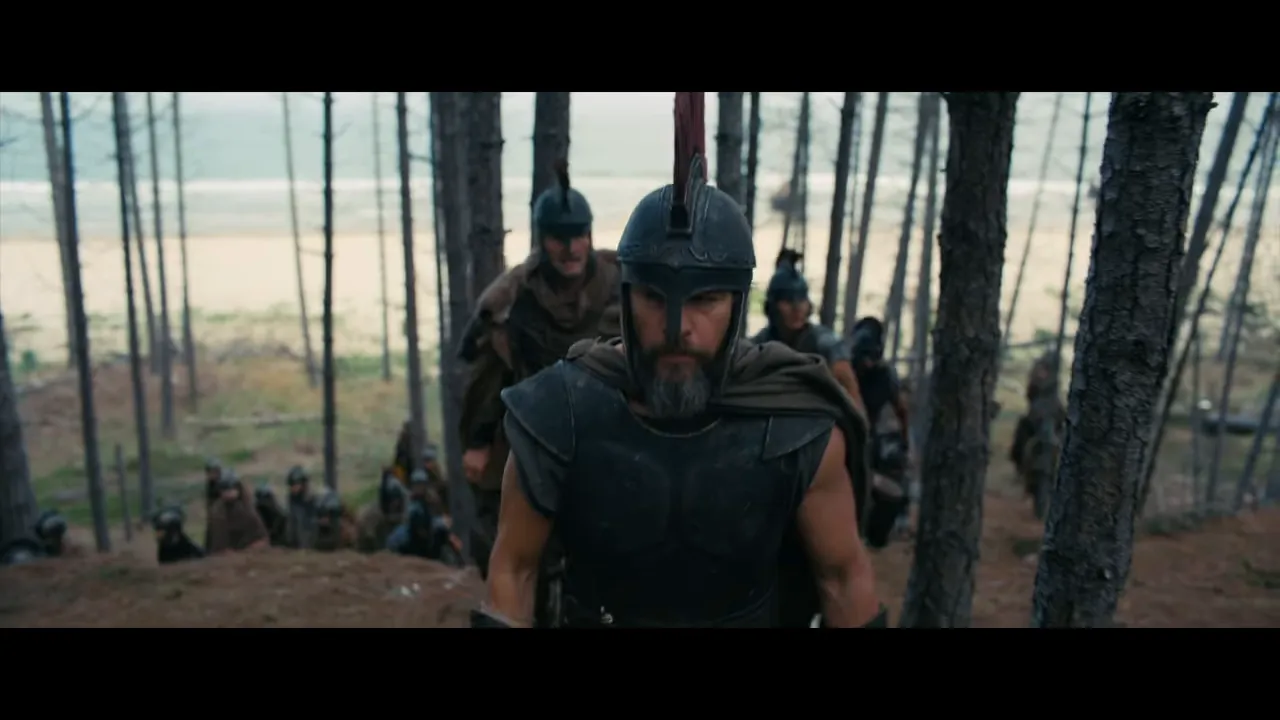
“After years of war, no one could stand between my men and home. Not even me.”
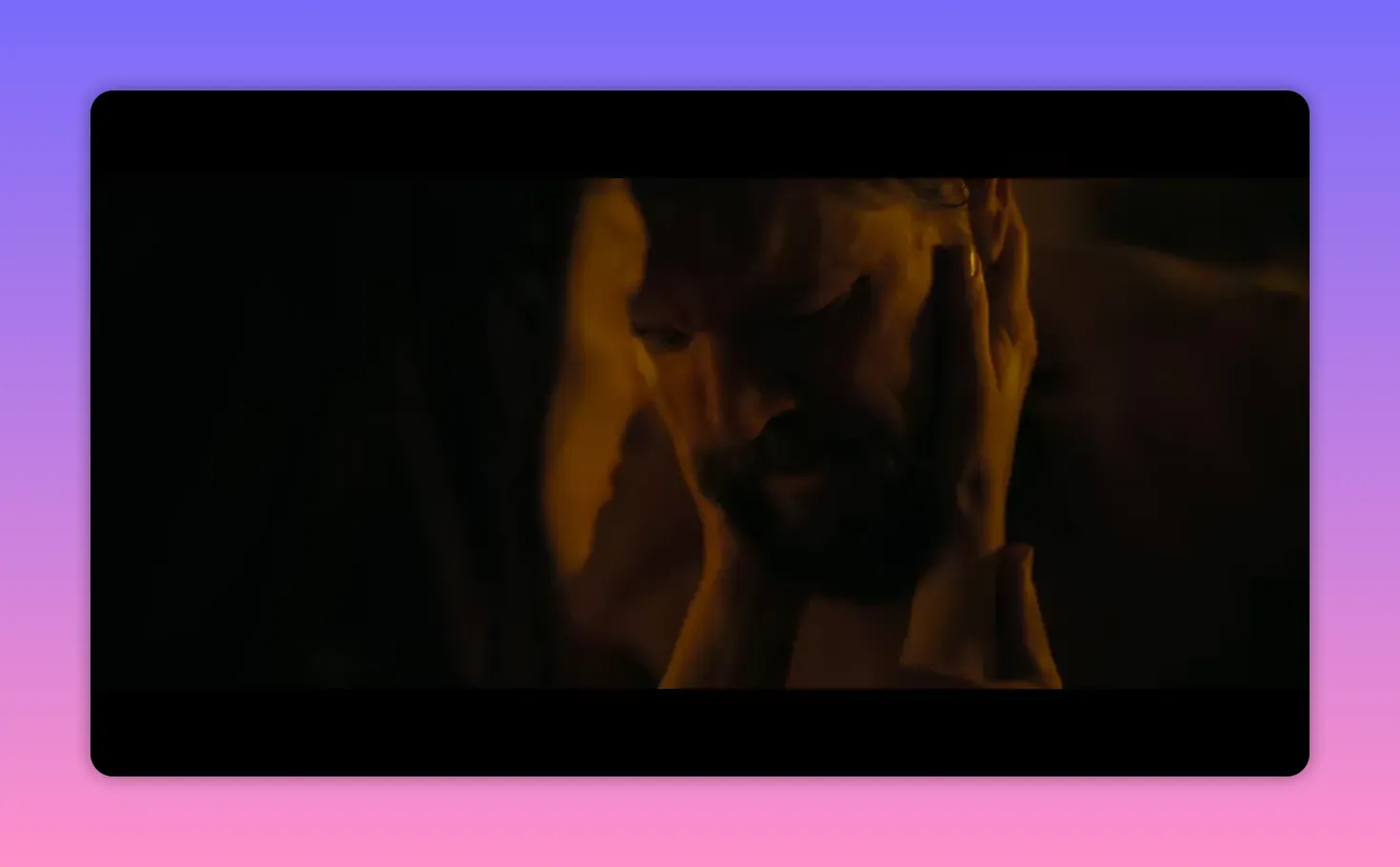
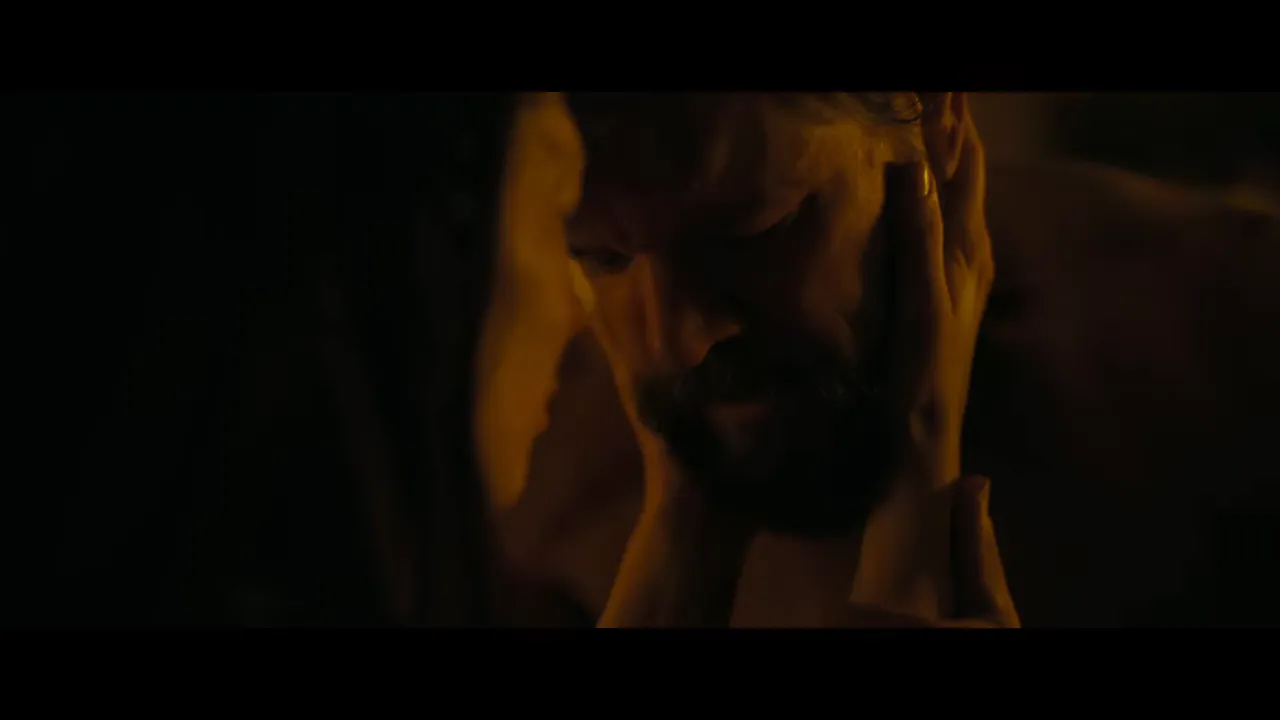
“Promise me you’ll come back.” “What if I can’t?”
The few lines above are small in number but enormous in weight. They condense a story that has been told and retold for millennia into two opposing forces: the iron duty to lead and the fragile hope of return. Those phrases cut straight to the bones of a myth that has defined narratives about leadership, longing, and consequence. They also offer a clear through-line for a contemporary retelling that promises spectacle and intimacy in equal measure.
Why these lines matter
They do not pretzel themselves with exposition. Instead they position us immediately at the center of a classic moral knot. A commander speaking after long conflict. Men finally close enough to claim the land they fought for. A paradox: the leader who led them here admits that even he might not be the one to secure the victory. And then a private, human exchange: a vow to return and the fearful suggestion that returning might not be possible.
That interplay — between the communal and the personal, the battlefield and the bedroom, the oath and the doubt — is the heart of stories about homecoming. It is also the spine of any meaningful adaptation of Homeric material. In those few lines you can already see the larger questions the story will ask: What does leadership obligate? What is owed to the men who follow you? How do promises made in war haunt the quiet that follows?
Thematic centers: leadership, return, and fragility
Leadership examined
Leadership in war is often imagined as blunt and absolute: an unshakeable captain at the prow. But real leadership sits somewhere messier. It is a mix of calculation, charisma, exhaustion, and fear. The line “Not even me” is a rare admission of limitation. It recognizes that a commander, however driven, cannot remove all risk from his men. That recognition reframes heroism not as omnipotence but as the willingness to go where risk is unavoidable. It humanizes the person who must steer others into harm’s way.
There is also an ethical dimension: the leader’s duty to weigh his ambition against the lives entrusted to him. Returning home is not simply an act of personal survival. It is repayment — a social debt — to those who bore the cost. When a leader contemplates that he may not return, the moral calculus becomes immediate and agonizing.

Homecoming and longing
The desire to come home is elemental. It is the quiet mirror to the violent theater of war. The anticipation of returning anchors soldiers to a future beyond conflict. That anchor gives them something to fight for, but it also creates vulnerability — the promise is a future claim that can be broken. The pledge “Promise me you’ll come back” is not cinematic fluff; it is a compact articulation of hope that binds people together. Losing that promise fracturally transforms relationships and reshapes narratives.
Fragility under the guise of strength
“What if I can’t?” is a short sentence that expands into existential territory. It names contingency, mortality, and the unknowability of the future. The admission of potential failure is its own kind of courage. It refuses the theater of invulnerability and trades it for a more dangerous truth: embracing the possibility of not returning forces everyone involved to confront the real cost of their loyalty.

From ancient poem to modern epic: what this adaptation can do
Homer’s original poem is polyglot in tone. It weaves heroic action, domestic intimacy, cosmological wonder, and personal suffering. Translating that multiplicity into a single film requires a clear point of view. There are many possible aims: a war movie that slides into a seafaring odyssey, a character study of one man’s moral and emotional trajectory, or a spectacle-driven reimagination that foregrounds visual and audio immersion. Each approach changes what gets emphasized.
What makes the prospect of a contemporary retelling exciting is the ability to layer techniques. A film can be simultaneously grand and granular. It can deliver sweeping vistas and close examinations of faces that betray doubt. It can let action sequences breathe while also allowing quiet scenes to linger. The lines quoted earlier demonstrate a priority for moral and emotional complexity, suggesting a film that values both the battlefield and the bedroom.

Christopher Nolan’s language: expectations and possibilities
Christopher Nolan‘s filmmaking habits are instructive when thinking about how such a story might be told. His known tendencies include:
- Ambitious technical choices — pushing film formats and camera technologies to new limits to create a visceral cinematic experience.
- Structural boldness — playing with time, perspective, and narrative architecture to explore the psychological landscape of characters.
- Practical effects and craft — preferring real stunts and in-camera effects to create physical authenticity.
- Layered character work — giving protagonists moral dilemmas and cognitive interiority to ground spectacle in ethical stakes.
Applied to a story that balances the intimate and the epic, those tendencies could result in a film that is more than a retelling. It could be a reexamination: a way to read the ancient into the modern. The practical filming methods would help produce believable battles and voyages. Structural play could reframe the classic sequence of departure, trials, and return so that memory and consequence shift the emotional logic of events.
How form can echo content

There is a valuable creative principle at work when form mirrors theme. If the story is about the fragility of promise and the instability of return, then telling it with a structure that bends time and plays with expectations can intensify the subject. Flashbacks, fragmented chronology, and shifting viewpoints can replicate the experience of nostalgia, trauma, and hope. Such devices are not ornamental; they are ways to make the audience feel the uncertainty the characters live with.
Put differently: a film that toys with the audience’s sense of “what comes next” invites viewers to inhabit the characters’ uncertain world. The promise “Promise me you’ll come back” becomes an emotional anchor that reverberates through each structural choice.
Casting as narrative shorthand
Casting choices do narrative heavy lifting before a single line of dialogue is spoken. The announced ensemble offers distinct energy and expectation:
- Matt Damon — brings a grounded empathy and a lean moral center. He can be a physically imposing presence while also communicating weariness and doubt.
- Tom Holland — known for vulnerability and moral earnestness, capable of portraying young zeal and the cost of learning hard truths.
- Anne Hathaway — versatile in roles that require both charisma and emotional depth, ideal for representing home ties and quiet strength.
- Robert Pattinson — possesses the capacity for enigmatic, interior characters, often adding an edge of uncertainty.
- Lupita Nyong’o — delivers grace and gravitas, perfect for characters who command respect while holding inner complexity.
- Zendaya and Charlize Theron — each brings a distinctive presence that can shift a scene from intimate to authoritative in an instant.
These actors suggest a film that values acting nuance as much as scale. Their combined profiles indicate roles that will require emotional clarity, not just physical heroics.
IMAX and the sensory stakes
Using advanced IMAX film technology is not a mere marketing bullet point. The choice of medium informs how sequences are designed. When a director elects to shoot with IMAX film, they are making a commitment to surface detail, frame composition, and scale. The wide frames invite panoramic compositions that make the sea, the battlefield, and the city feel like characters in their own right.
Spectacle alone, though, is not the endgame. IMAX amplifies small details — the tilt of a jaw, the tremble of a hand, the wear of armor. Those micro-gestures matter when the narrative depends on unspoken promises and quiet admissions. A shot designed for IMAX can hold an intimate glance and a surrounding wide shot at the same time, letting audience members read both the personal and the theatrical layers simultaneously.
Sound and score considerations
Sound design and musical scoring will carry equal narrative weight. The sea has rhythm; war has shocks and silence. A score that respects the epic tradition but finds a contemporary voice can ground the film emotionally. Sound becomes the language of absence as much as presence: the echo of oars, the thump of distant drums, the hush when two people speak promises across an uncertain future.
Visual storytelling: choice over explanation
Visually oriented storytelling allows the film to show rather than tell. The decision to use faces, landscapes, and objects as narrative carriers is a classic cinematic move for stories about memory and return. Consider how an empty chair at a table can hold as much narrative information as a stanza of dialogue. Visual cues — a frayed cloak, a child’s toy, a weathered map — can operate like Homeric epithets, compressing backstory into recognizably meaningful signs.
Emotion over exposition
Krampus | The Legend Confronts the Demon: A Deep Dive into Fear, Family, and FolkloreJanuary 7, 2026

The short lines quoted earlier underscore a principle: the most affecting scenes tend to minimize exposition and maximize emotional precision. A promise exchanged in a whisper is often more consequential than a speech. The smallest, most private moments have the power to define an arc that otherwise could get lost in combat sequences and spectacle.
That is why the interplay between large set pieces and intimate scenes is crucial. A film that balances the two can make both feel necessary. The audience’s investment in the action rises when they understand the relationships and stakes at a human level.
Narrative rhythm: building toward return
At its core, the Odyssey story is a journey. But journey stories are not simply linear; they are cumulative. Every encounter, delay, and temptation layers meaning onto the central desire to return. Structuring the narrative to respect that accumulation helps the film avoid the pitfall of episodic incoherence.
What drives the narrative is not only the events that prevent return but the emotional stakes that deepen with each deferral. A leader’s admission that he might not return raises the stakes of every subsequent choice. It turns small delays into tragedies in embryo. This is why a steady escalation — concrete obstacles, moral dilemmas, and personal losses — will likely shape the film’s progression.
Modern resonance: why the story still matters
Myths survive because they speak to perennial human concerns. The story of leaving for war and yearning to come home is universal and timeless. Today, the idea of leaving a known life for causes larger than oneself has contemporary echoes: military deployments, immigration, long-term sacrifice for careers or family. Those instances are not identical to the mythic war of ancient epics, but the emotional mechanics are parallel.
In a time where questions about leadership, responsibility, and truth loom large in public life, a story that interrogates those themes in personal terms can feel particularly urgent. The act of promising to return and the possibility of failing to do so can be read as a metaphor for broader social contracts: the trust citizens place in leaders, the risk of broken promises, and the work required to restore faith after loss.
Potential pitfalls and how the film might avoid them
Adapting a foundational text is a delicate enterprise. There are pitfalls to be mindful of:
- Overreliance on spectacle — If visual grandeur comes at the cost of character depth, then the emotional arc can suffer. The solution: pair the spectacle with moments of silence where character choices are felt more than explained.
- Fragmented narrative without purpose — Nonlinear devices must clarify rather than confuse. Each temporal shift should illuminate character motive or thematic resonance.
- Ignoring source complexity — The original poem is not a single-issue narrative. The adaptation should preserve ambivalence and moral opacity rather than force a univocal moral reading.
If the film keeps its focus on the ethical and emotional stakes behind the action, it can use spectacle and structure as tools, not substitutes, for storytelling.
What the promise scene reveals about character

Analyzing the short promise exchange gives us a blueprint for interpreting larger character arcs. A commander promising to return reveals two qualities: a belief in survival and a commitment to those he leaves behind. The admission that he may not return is a fissure that reveals honesty and fear. Taken together, these impulses signal a character who is morally complex: brave enough to lead and humble enough to acknowledge limits.
That complexity invites empathy. A hero who is permitted to fear is more human than a hero who is only infallible. The tension between oath and doubt allows for a narrative trajectory in which courage has cost and consequence. It also creates space for other characters to respond, to demand accountability, or to carry forward the promise if it cannot be kept.
Supporting characters as moral mirrors
The people around the protagonist serve as moral and emotional mirrors. They reflect the consequences of his choices and offer alternative responses to the perennial question of return. Secondary characters can embody patience, resentment, devotion, or betrayal, and these responses enrich the central tension. In ensemble storytelling, each supporting role adds a vector of consequence to the protagonist’s arc.
For example, a soldier who follows willingly might represent trust and the social cost of the promise. A family member at home who waits can manifest the burden of hope. An antagonist who challenges the leader’s decision to leave would force public accountability. These relationships will determine how the narrative’s moral questions land.
Design elements: costumes, sets, and historical flavor
Design choices reveal worldbuilding without need for expository dialogue. Clothing that shows mending and reuse tells of scarcity. A ship’s salt-streaked wood and patched sails communicate endurance. Costuming and set design that respect both historical texture and cinematic clarity can make a mythic world feel tactile and lived-in.
Importantly, design should avoid fetishizing the ancient into caricature. Subtlety in prop design and costume can help create a believable world that honors its roots while remaining accessible. The goal is to make the environment feel inevitable — as if it could only exist in the particular moral and physical constraints the film sets up.
How the film might balance spectacle and intimacy
Balancing large-scale action with small-scale emotional beats means choreographing rhythm. Big sequences should be earned by the relationships established in quiet moments. A sequence of decisive combat will land emotionally only if the audience cares about those who are fighting. Conversely, intimate moments gain resonance when the stakes of wider conflict are visible.
One method is to alternate scale within scenes. A battle could be intercut with a character-centered close-up that remembers a promise. A long shot of a city could be followed by a single face searching the crowd for someone. These shifts allow the film to maintain visceral momentum while continually reaffirming the human stakes.
What to look for: visual motifs and recurring images
Motifs are another tool for thematic cohesion. Recurring images like the sea, oars, a particular emblem, or a specific piece of clothing can anchor the audience. These motifs become signifiers of the central promise and the consequences of its breaking. They also function as emotional shorthand: when a motif reappears at a crucial moment, its history colors the present.
Watch for objects that return in varying contexts. A promise made against a storm has different resonance when the same promise is recalled under calm skies. The repetition multiplies meaning.
Why restraint can be brave
It can be tempting to answer the story’s moral questions directly. But restraint — the refusal to spell everything out — invites an audience into the work of interpretation. Ambiguity is not a cop-out when it is thematically justified. A story about not knowing whether a promise will be kept benefits from letting certain outcomes remain uncertain. That ambiguity mirrors the lived experience of people in similar circumstances.
Concluding reflections: the story as mirror
Stories about leaving and returning are never only about geographic displacement. They are metaphors for moral risk, trust, and the ties that bind communities together. A leader who confesses the possibility of not returning exposes not only personal fragility but also communal vulnerability. That exposure is a gift to narrative complexity because it forces decisions to be weighed against human consequences.
The lines that open this piece encapsulate those dilemmas succinctly. They are small but dense, hinting at the wider world they belong to. Whether the film that uses them chooses to be an intimate drama, a sensory epic, or a hybrid of both, the heart of the story remains the same: the cost of promises and the weight of coming home.
FAQ
When is The Odyssey scheduled to be released?
The film is scheduled to open in theaters on July 17, 2026.
Who is directing The Odyssey?
Christopher Nolan is directing and producing the film, with Emma Thomas producing through their company Syncopy.
What technology will be used to shoot the film?
The movie will be shot using new IMAX film technology designed to deliver enhanced image quality and scale on large-format screens.
Who are some of the main cast members?
The ensemble includes Matt Damon, Tom Holland, Anne Hathaway, Robert Pattinson, Lupita Nyong’o, Zendaya, and Charlize Theron.
What aspect of the original material does the film focus on?
The core focus appears to be the emotional and moral stakes of leadership and homecoming, exploring the promises made during war and the fragility of returning home.
Will the film be more character-driven or spectacle-driven?
The creative intent suggests an integration of both: grand technical and visual ambition paired with intimate character work to ensure emotional resonance.
Where can I find official updates and social channels for the film?
Who produced the film?
Emma Thomas and Christopher Nolan produced the film under Syncopy, with Thomas Hayslip as executive producer.


