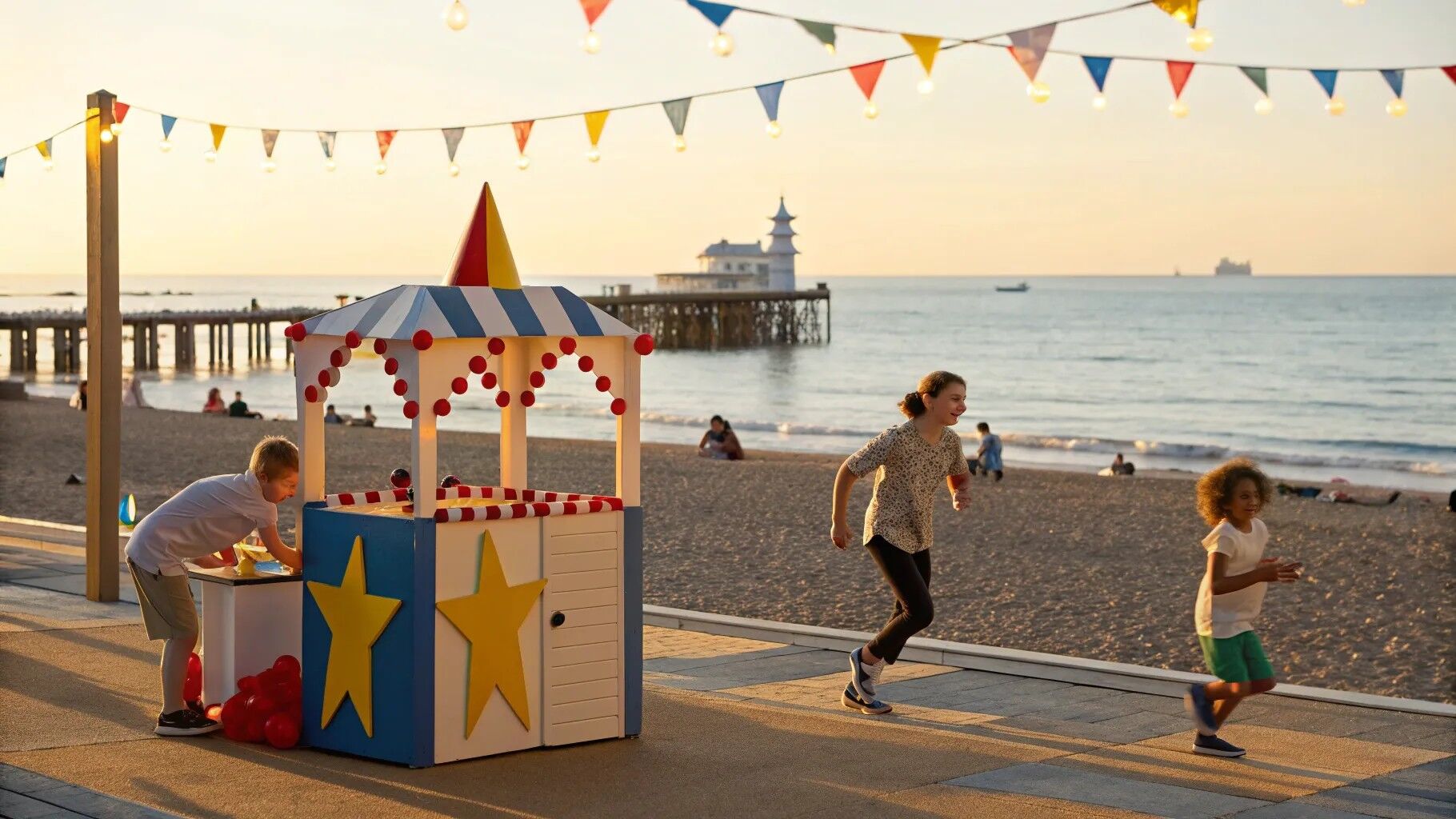
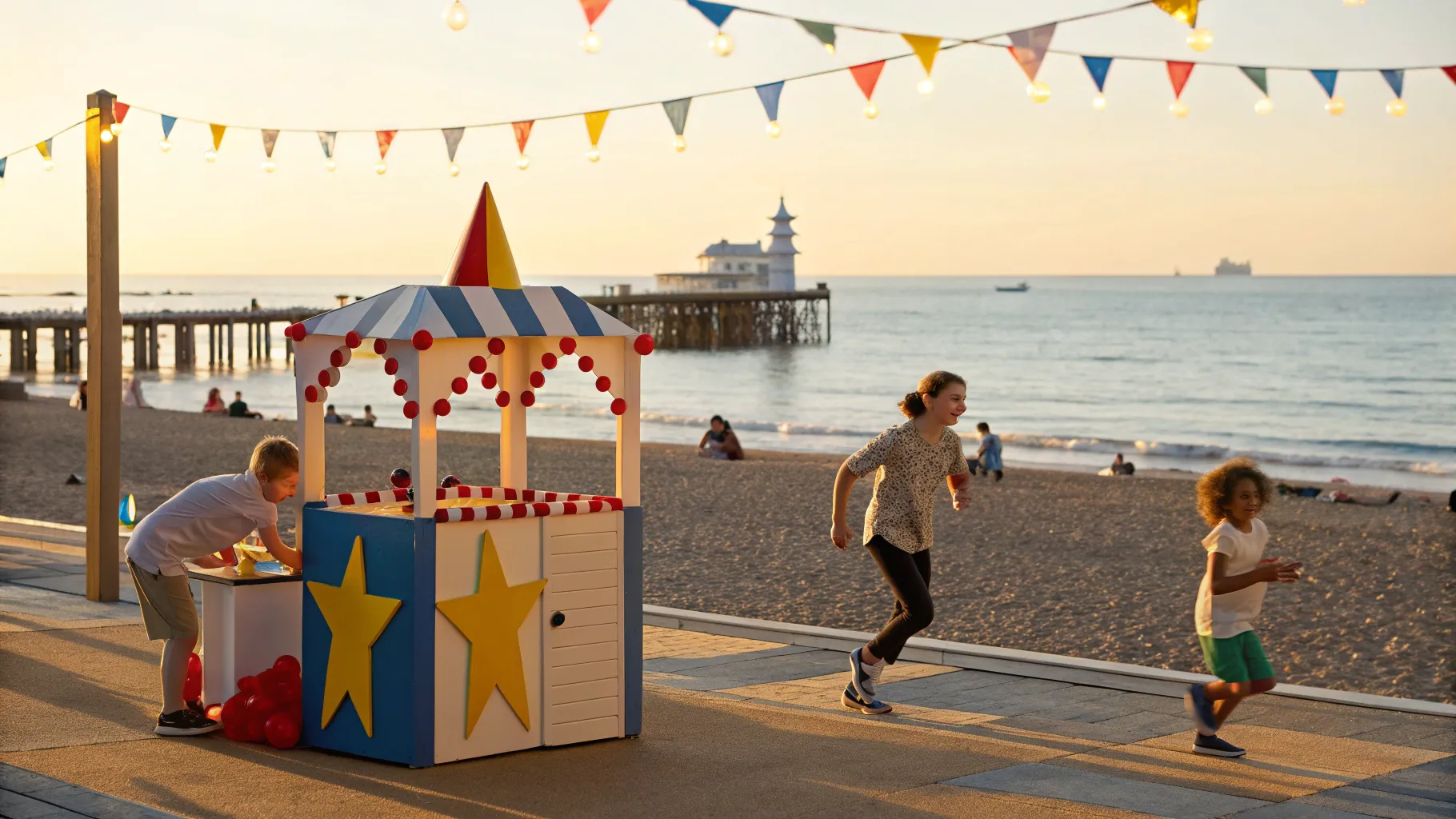
Sunny Bournemouth by the sea was the perfect backdrop for a little bit of competitive fun. I set up a small pop-up game called Friends Like Me and put passing pairs through three Disney themed challenges that tested timing, teamwork, and nerves. The goal was simple: complete the challenges and walk away with a prize. The structure was tight, the rules were straightforward, and the stakes—just a few minutes and a cuddly toy—were delightfully high for anyone who likes a slice of playful competition.
Why quick, themed challenges work so well
Short public games work because they are instantly accessible. With just sixty seconds, thirty seconds, or a single split-second decision, anyone walking by can join in without committing their whole day. Themed challenges, especially ones that invoke familiar characters, bring an emotional shorthand: people already know Woody, Moana, or Minnie Mouse, and that connection gives the game a friendly, immediate appeal.
There are three practical mechanics that make this kind of pop-up competition work:
- Low barrier to entry — quick rules, small time investment, and visible rewards.
- Clear scoring — one point, three points, done. No ambiguity keeps the fun moving.
- Human tension — trust and timing create drama without needing elaborate setups.
Meet the players
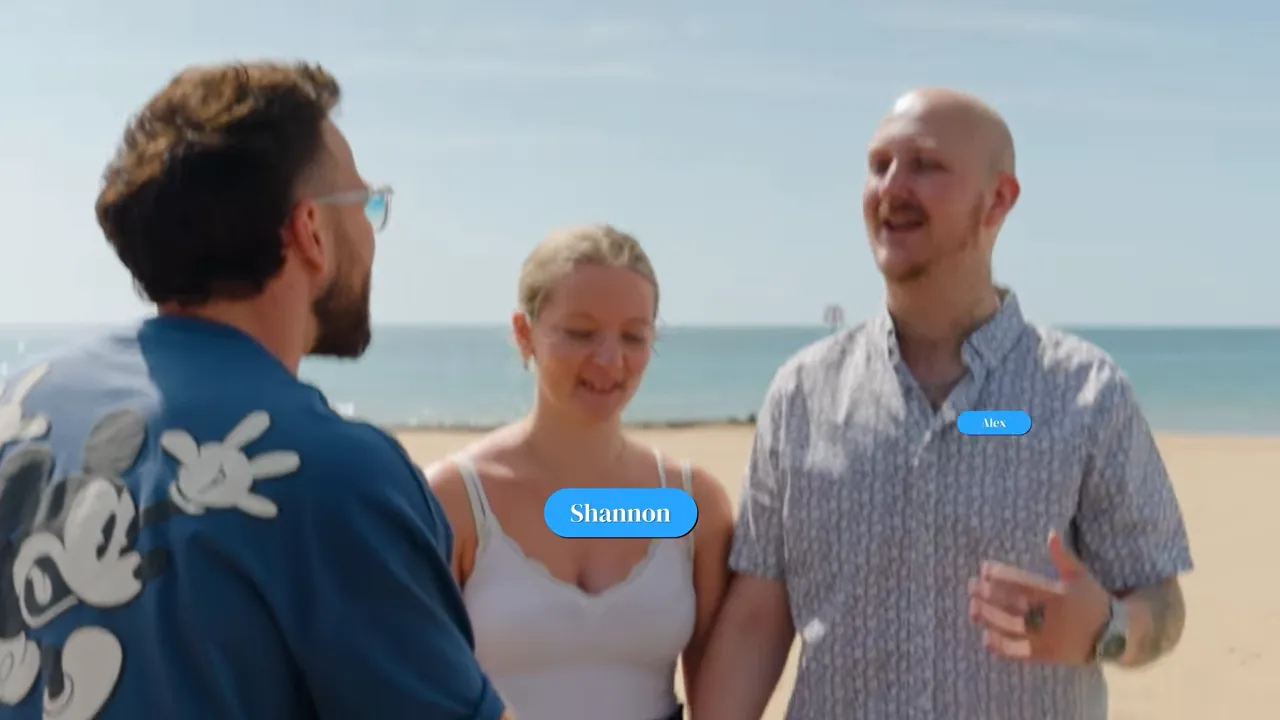
Two lads walking along the beach were more than happy to get involved. They introduced themselves, joked about previous park trips, and immediately started choosing toys they would want to win. That kind of light, friendly rapport is perfect for a public challenge: people relax, have fun, and get carried along by the moment.
Challenge 1: I Want to Be Like You (Blindfolded Mimic)
Rules
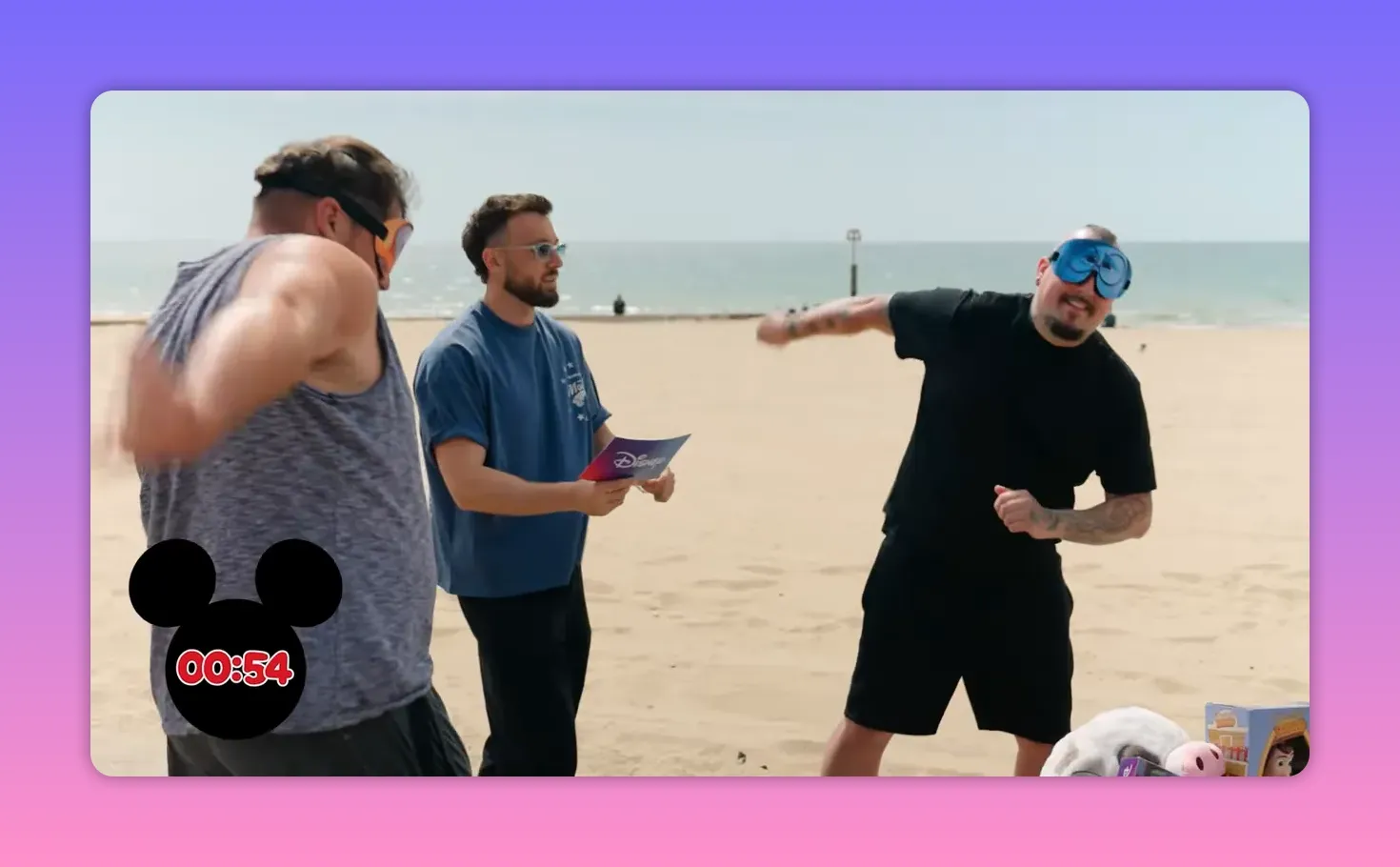
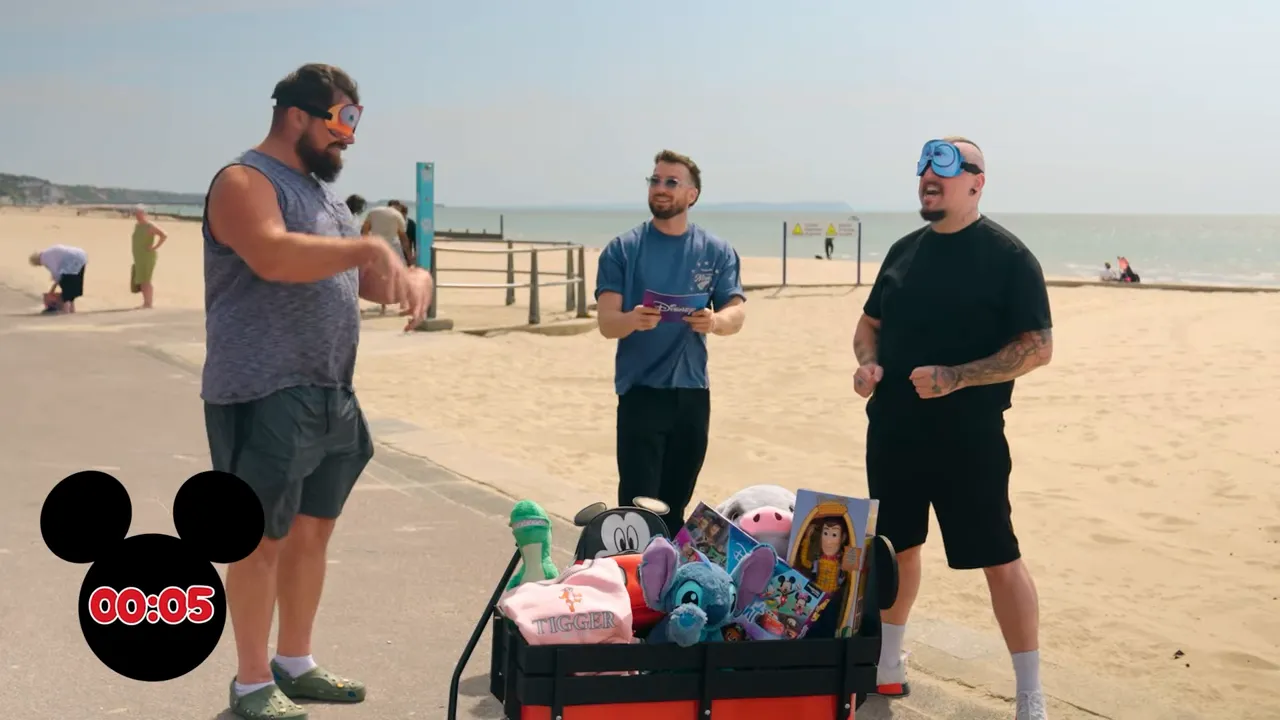
- Two players are blindfolded.
- I call out a Disney character name.
- Each player responds with an action or movement.
- If both players perform the exact same action, they score a point.
- The team has one minute to score three points.
This is a delightful test of mimicry and connection. The trick is that both players are blindfolded and must rely on instinct rather than sight. Are they tuned to each other? Do they share the same mental library of the character? That shared shorthand is what wins the round.
Why this works as a social game

The blindfold mimic is less about memory and more about alignment. Players who travel together or have a shared sense of humor often mirror each other naturally. That mirror effect makes the game incredibly watchable and instantly rewarding when a matching action happens: people laugh, cheer, and the energy spikes.
Tactics that actually help
- Start with universal gestures — for characters like Woody or Tigger, stick to iconic moves: a cowboy tip or a bouncy hop.
- Listen to the host — tone and cadence can offer clues. Sometimes the way a name is said will suggest an action.
- Use rhythm — mirroring small pre-actions like tapping or breathing can help sync the pair before the character callout.
- Keep it simple — complex gestures are hard to replicate identically while blindfolded.
In practice, this approach helped the pair pull off three points within the time limit. They matched on Woody, nailed Tigger, and sealed a final point with Scar. The joy in the exact-match moment is the reason to play this game: pure, shared delight.
Challenge 2: How Far I’ll Roll (Water and Balance)
Rules
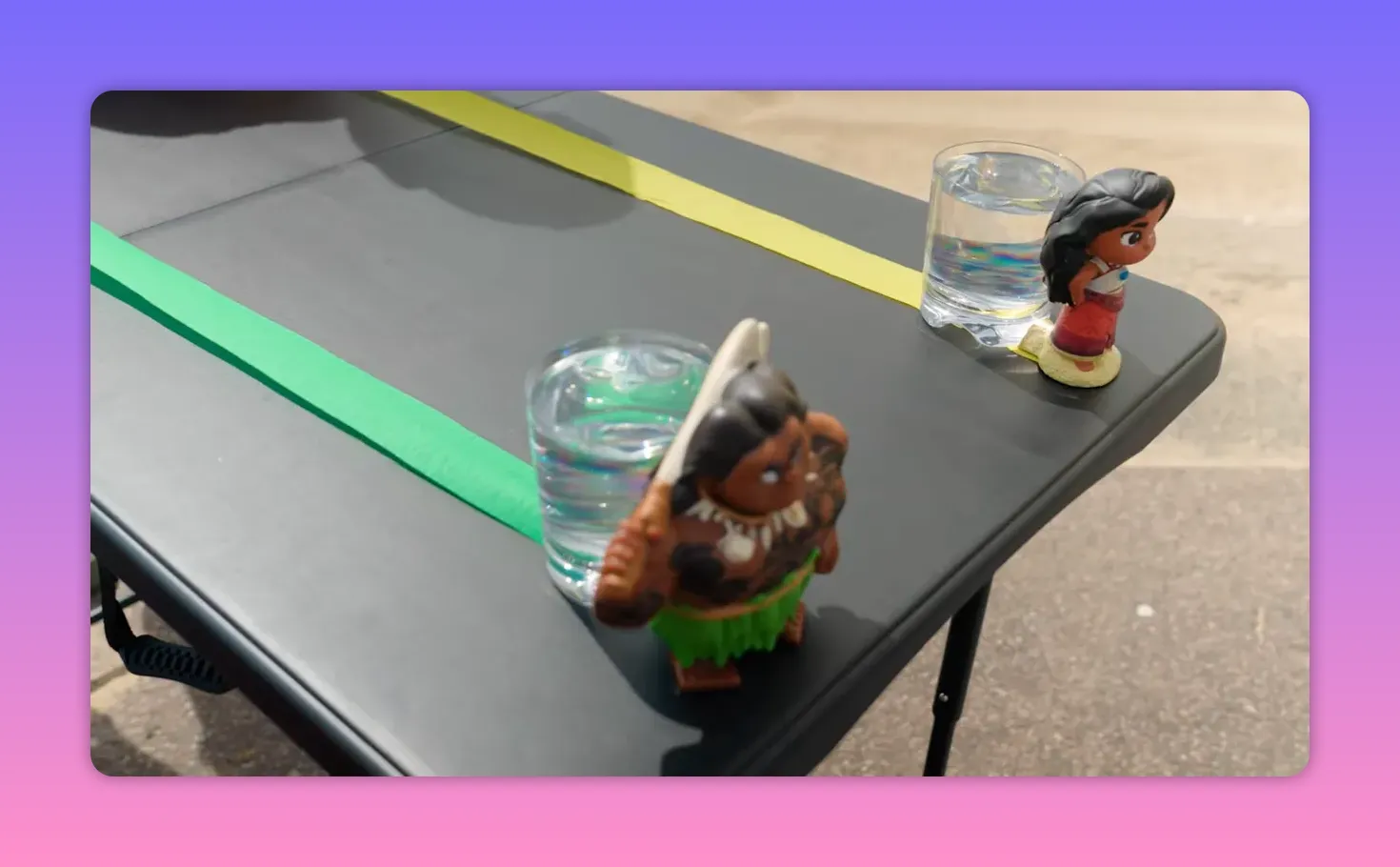
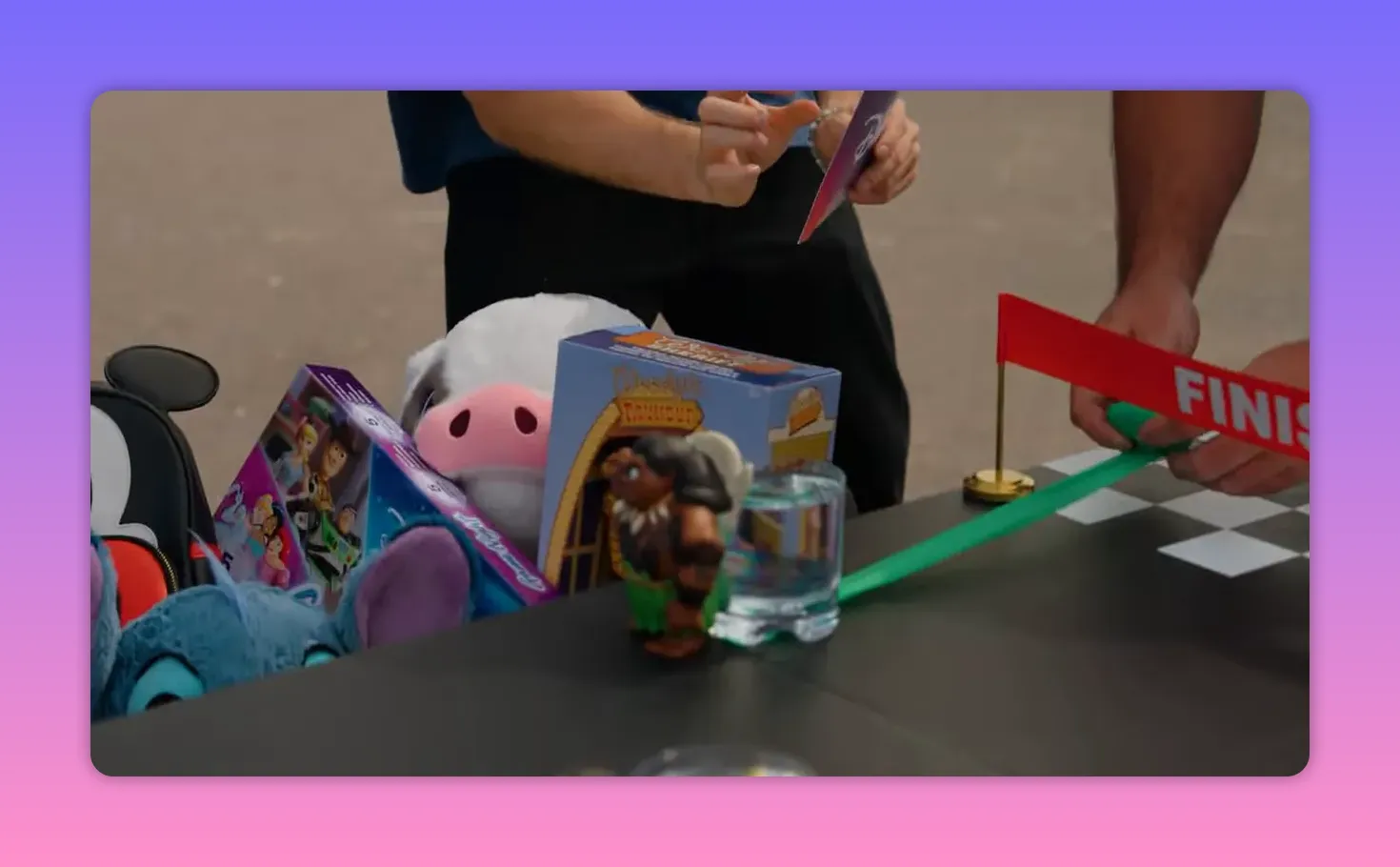
- Each player places a Disney character toy (for example, Moana and Maui) in a cup of water.
- Players must roll the characters back to a checkered finish line without spilling any water.
- At least one character must be touching the line within 30 seconds to win.
- If any spilled water reaches a specific area, it will rip the track and disqualify the attempt.
This is a gentle but tense engineering challenge disguised as a party game. It asks players to balance speed with precision under a strict countdown. Water, of course, is the ultimate mood maker: it amplifies small mistakes into dramatic moments.
Common pitfalls and how to avoid them
- Rushing — accelerating too quickly causes sloshing. Slow, controlled rolls are better than fast, reckless pushes.
- Poor hand placement — keep the cup steady and tilt gently. Use both hands if allowed and keep movement smooth.
- Ignoring momentum — anticipate turns and adjust angle early rather than correcting at the last second.
- Underestimating the countdown — work backwards from the finish line so a small sprint at the end doesn’t upset the cup.
Moments of high suspense in this round are wonderful because everyone can see the risk: if the water spills and tears the track, the attempt is over. That happened once in our game when the cup wobbled and the board started to rip. The result was a mixture of groans and laughter—it is, after all, a playful failure that becomes part of the story.
How to practice for it
- Use a lightweight cup at first to get the feel for rolling pressure.
- Practice at slow speed to understand how the water moves inside the cup.
- Set shorter tracks to practice turns and longer tracks to practice endurance.
In our game, one participant took careful, controlled rolls while the other nearly panicked as the final seconds approached. The patient approach won the day and reminded us all that composure is a competitive advantage.
Challenge 3: Let It Go (Trust and Split-Second Decision)
Rules
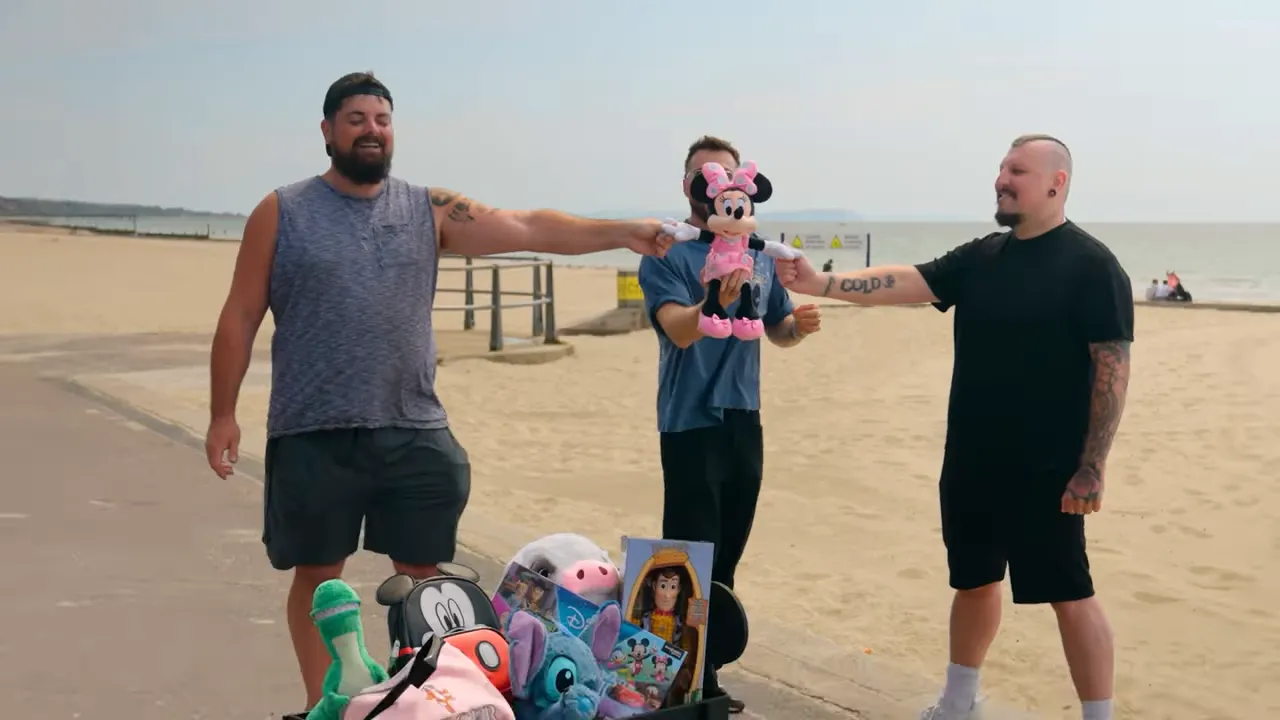
- Players stand on either side of a plush character (for example, Minnie Mouse) and each hold one of its hands.
- On the count, players must either hold on or let go.
- If one player holds and the other lets go, the team loses.
- The goal is for both players to make the same decision at the same time.
This is a classic trust test. It asks teams to synchronize a single micro-decision under blindfolded or half-blind conditions. It is short, high-stakes, and absolutely thrilling when it works. The drama in that split-second reveals a lot about group dynamics, panic response, and instinct.
Why this makes for such a perfect final test

The final challenge distills the whole competition into one moment of shared fate. It forces players to either commit together or fail together. The tension is amplified because it is decisive: one small mismatch determines the outcome. Because it is so quick, the emotional payoff—cheers, sighs, laughter—is immediate and strong.
How teams can improve their odds
- Establish a default — before the count, agree silently that the default is to hold or let go. Even a whispered pre-game agreement helps.
- Match breathing — taking a synchronized breath can help time the decision together.
- Trust the partner — hesitation is often the biggest enemy. Decide quickly and stick to it.
At the end of the challenge, the team managed to coordinate and let go simultaneously. The reaction—screams of joy, cheering, and relief—was the kind of scene that makes quick games worthwhile. By the skin of their teeth, they won a prize each.
Prizes and the joy of choice
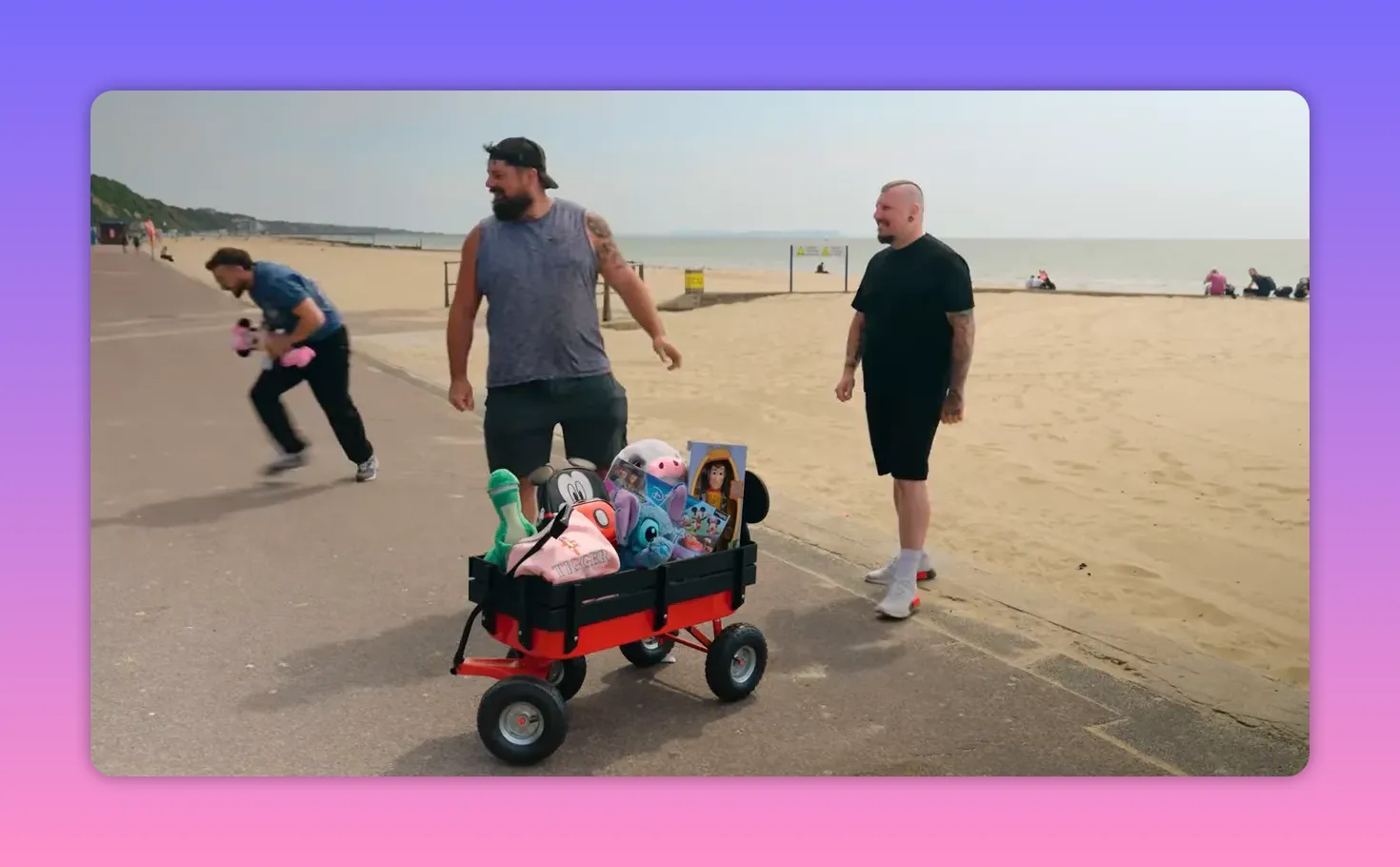
Prizes in small competitions are about more than the value—they are about the moment of choosing and the personal connection to a character. One contestant immediately wanted Woody; another switched to Stitch because his youngest loved that character. That choice turned a tiny victory into a shared family story.
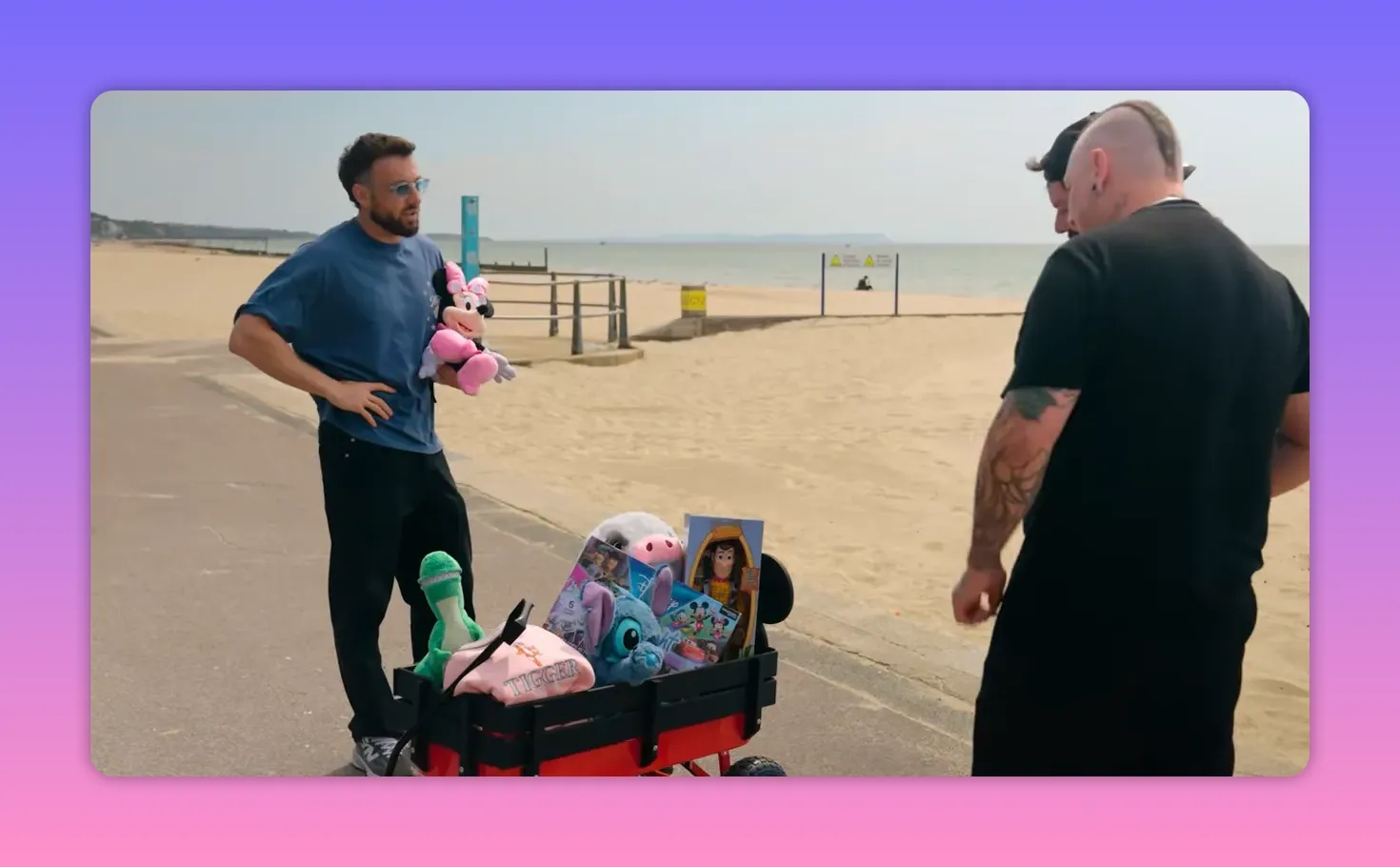
Small, meaningful prizes work best for this kind of event. Here are a few reasons why:
- Immediate gratification — participants can walk away with something tangible right after winning.
- Emotional value — picking a beloved character gives the prize a bigger memory footprint than its price tag.
- Inclusivity — offering a variety of toys and keepsakes allows winners to pick something that aligns with their family or personal taste.
When setting up prizes, remember that the goal is to create a moment. A small cuddly toy can become the catalyst for a future memory about “that time on the beach when we won Minnie Mouse.” That is the real win.
Key lessons from three quick games
What did these little competitions teach us? Here are the takeaways that apply whether you are hosting a pop-up game, running a team-building exercise, or playing in your living room:
- Communication is everything — sometimes it is nonverbal. A shared mental model between teammates beats frantic last-minute coordination.
- Calm beats haste — slow, deliberate decisions generally succeed more often than fast, panicked ones.
- Design for drama — short clocks, visible risks, and familiar themes create moments people want to be part of.
- Participation matters — even teams that did not complete every challenge left with a smile; small participation prizes reinforce that inclusive spirit.
- Make choices personal — let winners pick a prize their family will love rather than imposing a fixed reward.
How to recreate these games: equipment and setup guide
These three challenges are easy to recreate with minimal equipment. Use this checklist to put together a small event or a family game night.
Equipment
- Blindfolds or sleep masks (2+) for the mimic challenge
- A list of familiar characters to call out
- Small plush toys or action figures (Moana, Maui, Woody, Stitch, Minnie, etc.)
- Plastic cups and shallow trays for the rolling challenge
- A short piece of checkered or taped finish line
- A soft mat or protective cover for the surface if you are worried about spills
- Stopwatch or smartphone timer
- Prizes suitable for the audience
Space and safety
Pick a flat, open area. Keep the rolling track clear and ensure spills are contained to protect surfaces. For blindfolded games, have a non-playing assistant nearby to guide participants safely into position. Always check for allergies or sensitivities with props and plush toys.
Step-by-step setup
- Mark your game area with cones or tape to define the audience and participant spaces.
- Lay out prizes in a visible spot to motivate participants.
- Prepare the blindfolds and character lists in advance to keep the pace quick.
- Run a quick safety briefing so players know the boundaries and what not to do with props.
- Time each challenge strictly and give a visible countdown so players can manage their pace.
Variations to keep things fresh
Wrong Hands Challenge?! Sam Thompson's Disney Street Challenges + YOUR chance to WIN!January 7, 2026
If you plan to run multiple rounds or host a longer event, mix up the challenges with these variations:
- Character speed round — call characters quickly and ask for a sound instead of an action.
- Obstacle roll — add gentle obstacles to the rolling challenge that require negotiation and angle control.
- Double trust — for the final challenge, add a brief buzzer element where both must also press a buzzer at the same time in addition to letting go.
- Team relay — make a relay out of the two person tasks by handing over the toy between players at checkpoints.
Tips for hosts
- Be theatrical — a little showmanship goes a long way. Announce characters with flair and keep energy levels high.
- Keep rules simple — clarity reduces hesitation and keeps momentum flowing.
- Encourage risk-taking — players should feel safe to try even if they might fail. Give small participation tokens to everyone.
- Be fair and visible — make sure scoring is transparent and easy for the crowd to follow.
- Be ready for edge cases — have spare props and a quick tie-breaker in case of disputes.
Tips for participants
- Agree a default — before the count, decide whether your instinct will be to hold on or let go. It increases your odds of sync.
- Focus on rhythm — sync breaths, taps, or pre-actions to improve timing.
- Practice patience — when in doubt, slow down; steadiness often wins more than speed.
- Enjoy the moment — small public games are about shared laughs and stories, not perfection.
How competitions and giveaways amplify engagement
Pairing a quick game with a giveaway or mystery prize magnifies interest. In one setup, five lucky winners could win a Magical Mystery Box worth a small but meaningful amount. A clear entry mechanism—such as answering a question or dropping a name in a hat—creates a bridge between ephemeral play and a tangible outcome.
Giveaways should always be transparent and compliant with local rules. Make entry windows clear, specify eligibility, and state how winners will be contacted. That trust keeps the momentum and protects participants from fraud or disappointment.
Questions people often ask
How do teams score points in these Disney-themed challenges?
Scoring depends on the challenge: the blindfolded mimic awards a point for each exact matching action; the rolling challenge requires at least one character to touch the finish line within 30 seconds; the trust challenge ends the round if one player holds while the other lets go. Keep scoring simple and visible to avoid confusion.
What kind of prizes work best for small public competitions?
Small plush toys, character-themed keepsakes, and mystery boxes are ideal. These prizes carry emotional value and encourage participants to choose something meaningful, like a character their child loves. Variety matters: offer multiple options so winners can pick something personal.
How can I safely run blindfolded games in a public space?
Use an assistant to guide players into position, clear the area of obstacles, and provide a brief safety briefing. Keep the playing area small and supervised. If space is limited, have players sit or stand on non-slip mats to minimize risk.
Are there official competitions or giveaways people can enter?
Occasionally there are formal giveaways and competitions tied to events or campaigns. These will specify entry rules, eligibility, deadlines, and prize details. Always check the official terms and be wary of requests for personal financial information—official organizers will not ask for bank details to deliver a prize.
What makes a pop-up game memorable?
Memorable pop-up games combine a strong theme, visible risk or drama, and a small but meaningful reward. The social element—cheers, laughter, and shared failure—creates a story that participants recount later, which is often the most valuable outcome.
Final thoughts
Short, themed challenges capture attention because they promise an immediate emotional arc: tension, decision, result. Whether you are hosting a small event, organizing a family competition, or simply looking to create a memorable moment on the beach, the secret is the blend of clarity, drama, and trust. Keep the rules simple, choose props with personality, and reward participation as much as victory. That combination makes winners out of everyone in the crowd.
“By the skin of your teeth, you have won a prize each.”
That line sums up the charm of small competitions. The outcome may be close, but the memory lasts. Set up the game, invite some friends, and watch how a few minutes of playful contest can stitch a great story into someone’s day.