

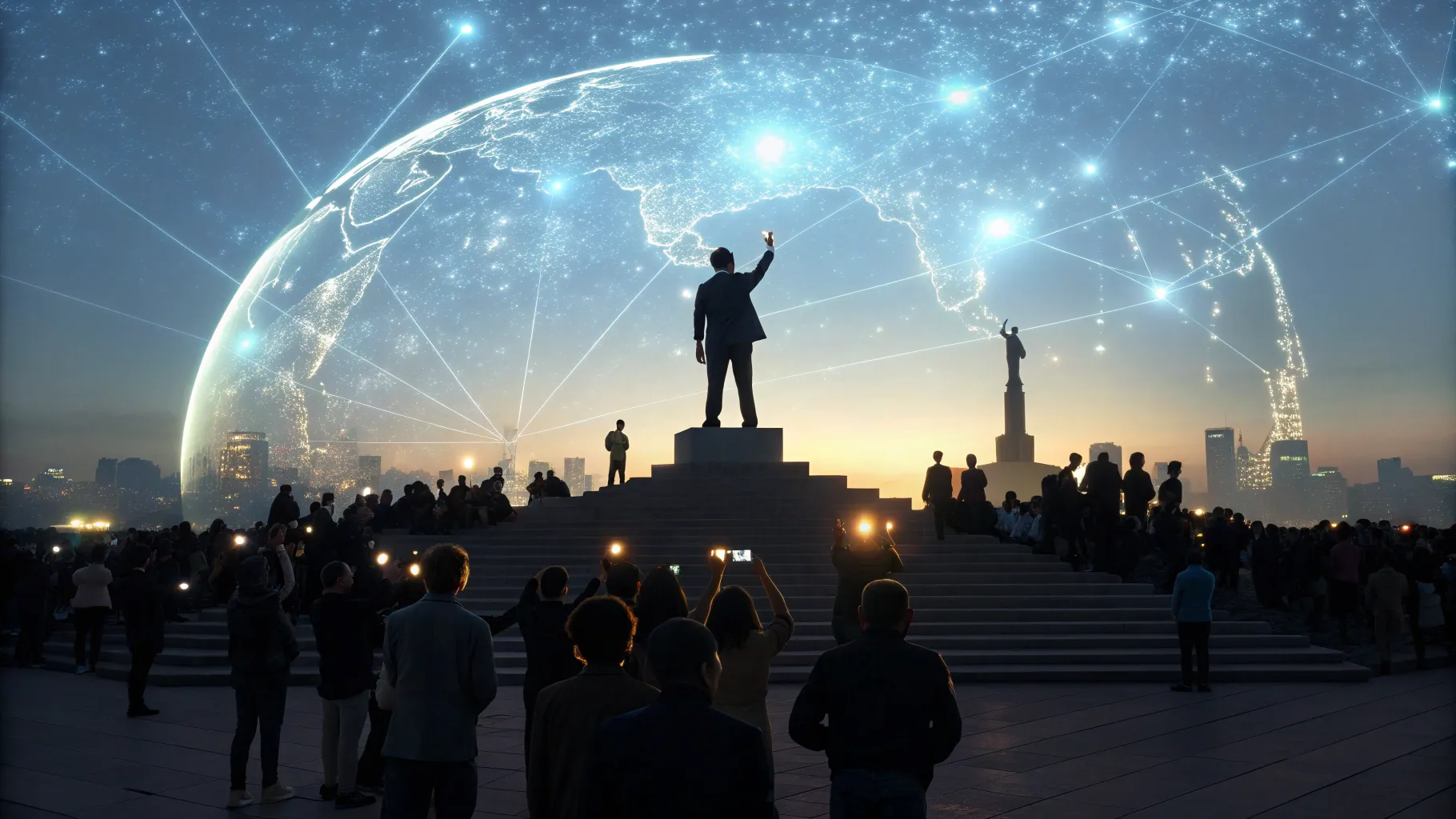
The moment the curtain lifts
Imagine someone stepping into a public square and saying simply, “People have a right to know the truth. It belongs to seven billion people.” A voice like that refuses to treat knowledge as the property of a few. It reframes truth as a shared resource, something that no single institution gets to gatekeep. That sentence alone carries a revolution in trust, governance, and meaning.
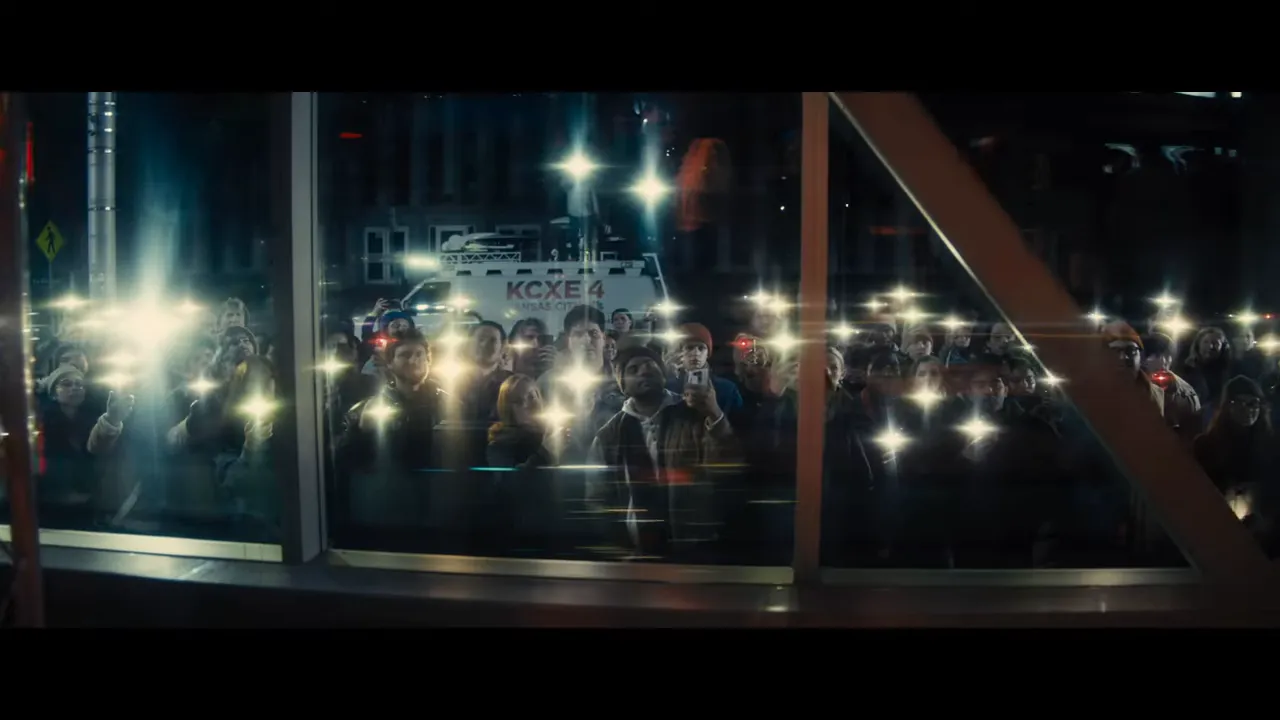
Whether you hear it on a morning bulletin in Kansas City or in an emergency broadcast that ripples across every device in the world, the idea of full disclosure is both exhilarating and terrifying. The claim is not small. It suggests an event that will redraw the boundaries of knowledge, authority, and faith. The phrase “full disclosure to the whole world all at once” is not just theatrical. It is a precise description of a moment when secrecy collapses and reality becomes public property.
Why the idea of disclosure grips us
Humans are storytellers and pattern seekers. We make meaning from complexity by connecting fragments into narratives. The idea that something as profound as contact with others might be real forces a confrontation with our deepest narratives about who we are and where we belong in the universe. The question, “Do you think there could be others?” is more than speculative. It is existential.
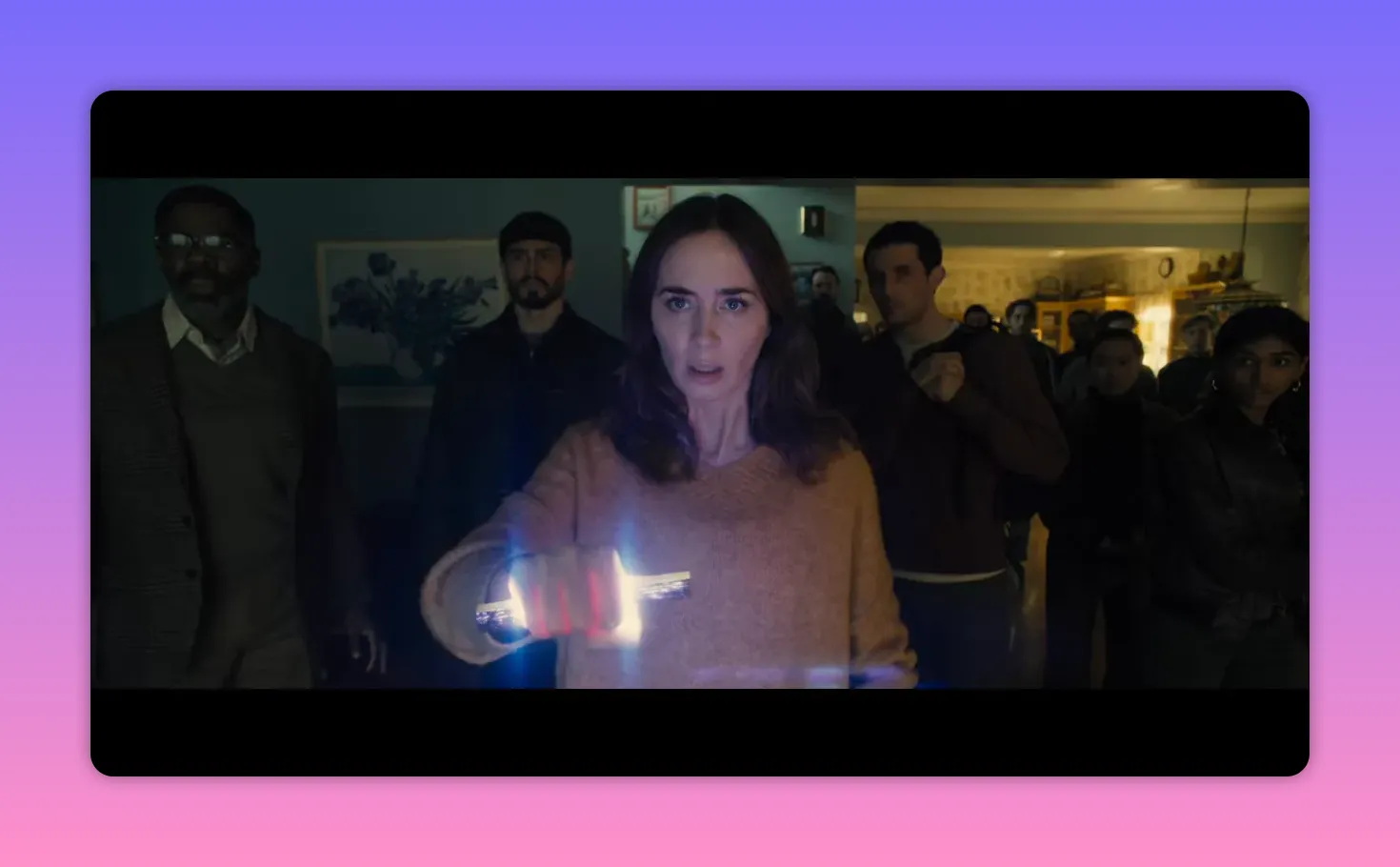
Two instincts collide when the unknown becomes known. One instinct is loss: the fear that comfortable certainties will fracture. The other is hunger: the desire to discover, to expand, to answer the age old query, “Why would he make such a vast universe yet save it only for us?” Whether phrased in theological, scientific, or poetic terms, that question pulls at every belief system we carry.
What full disclosure actually means
To be precise, full disclosure is not a single fact. It is a process and a decision about how to share information that alters collective understanding. It can take several forms.
- Official confirmation of an encounter or artifact accompanied by data and expert testimony.
- Unsealed documentation showing long standing investigations, sightings, and material evidence.
- Public demonstrations that make an event verifiable across independent platforms.
“Would that frighten you?” The answer is complicated. Fear is only one response. Curiosity, disbelief, jubilation, and paralysis all sit on the same spectrum. Disclosure is a social mirror; it shows us how we react when the scope of what we thought we knew increases overnight.

How disclosure can play out: seven phases of societal reaction

When a major truth is revealed, societies tend to move through recognizable phases. These are not neat or inevitable, but they are a useful way to think about how institutions and individuals adapt.
- Shock Emotional and cognitive overload as people attempt to reconcile new information with long held beliefs.
- Verification Scientists, journalists, and independent analysts test claims and demand repeatable evidence.
- Interpretation Religious leaders, philosophers, and cultural creators offer frameworks for meaning.
- Institutional response Governments, agencies, and international bodies convene to negotiate policy and security.
- Normalization New information becomes integrated into daily life, law, and education.
- Innovation Technologies and cultural products arise in response to new knowledge.
- Legacy The disclosure moment is historicized and taught to future generations.
Each phase invites its own opportunities and dangers. Misinformation can proliferate during shock. Panic can lead to overreach by authorities during verification. Interpretation can be weaponized to deepen division. Understanding the rhythm of these phases helps mitigate the harm and accentuate the constructive outcomes.
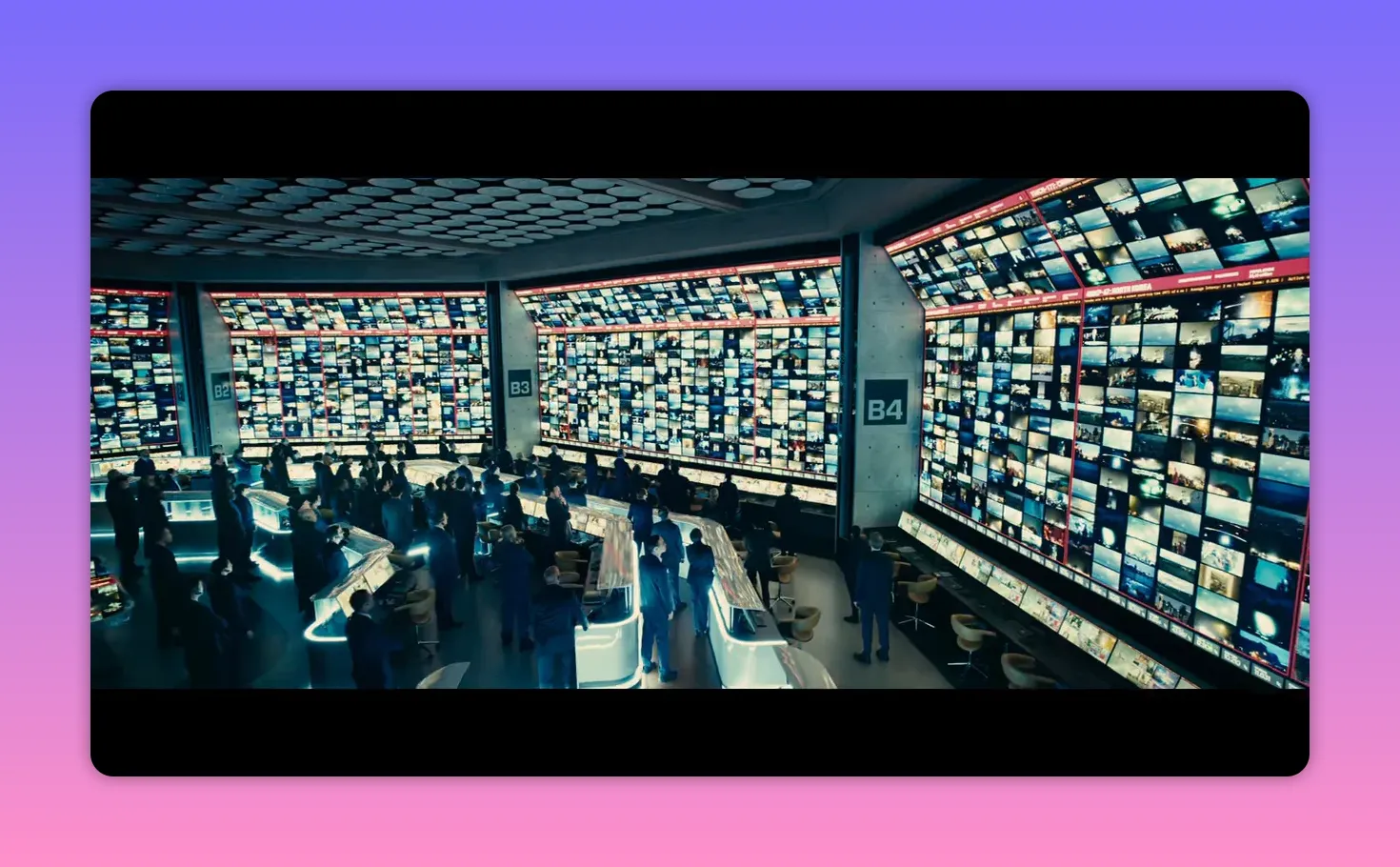
Science and verification: the hard work of proof
Claims that reshape civilization demand rigorous proof. Scientific method, peer review, reproducibility, and transparent data are the bulwarks against fantasy. When an extraordinary claim is made, the best response is not arrogance or dismissal but systems that can test, replicate, and falsify.
That testing requires openness. Closed labs with undisclosed results breed conspiracy. Public access to raw evidence, with clear chains of custody and multiple independent analyses, reduces the danger of fraud and provides a framework for shared trust.
Verification must also include cross disciplinary collaboration. Astrophysicists, material scientists, cognitive scientists, and theologians all contribute different lenses. A discovery that touches so many aspects of life cannot be siloed into a single domain.
Governance and security: balancing transparency with stability
There is a tension between transparency and safety. Governments sometimes withhold information to prevent public panic, to preserve national security, or to protect ongoing operations. But secrecy can erode trust and produce its own harms. A responsible governance approach recognizes two duties simultaneously: the duty to protect and the duty to inform.
- Chain of communication Establish trusted, multi channel systems for public information that do not monopolize the narrative.
- International coordination An event that affects all humanity requires diplomatic mechanisms to avoid unilateral, destabilizing actions.
- Legal frameworks Emergency powers must be narrowly defined, time limited, and subject to oversight.
“Full disclosure to the whole world all at once” sounds dramatic, but the underlying principle is sound. If there is information with global implications, the decision to delay or partition that knowledge has moral consequences. Long term stability is better served by transparency that is responsibly managed rather than withheld indefinitely.
Theology, meaning, and the human imagination
Religion and spirituality will not be bystanders in a disclosure scenario. For many, encounter with others beyond Earth will be interpretive furniture—something that is placed within existing frameworks of meaning. For others, it will be transformative.


Theological questions will become urgent. Is humanity unique? Does ancestral scripture account for non human life? How do doctrines of salvation, purpose, and stewardship adapt? These are not academic queries. They touch the rites people use to give their lives coherence.
Religious leaders who focus on empathy and integration will likely anchor communities better than those who treat disclosure as an existential threat. Faith traditions have a long history of adapting to new cosmologies, though the process can be difficult. The healthiest responses will be those that allow space for doubt and curiosity while providing community and moral guidance.
Economy, infrastructure, and daily life
Disclosure affects more than metaphysics. It plays into markets, labor, and the logistics of everyday life. Supply chains, insurance, and international trade all depend on predictability. Even a brief period of uncertainty can ripple through financial systems.
- Markets Sudden shifts in confidence can trigger volatility. Clear, factual communication helps stabilize markets faster than secrecy or sensationalism.
- Technological adoption If new technologies or materials are part of the disclosure, innovators will race to adapt and regulate them.
- Urban planning Emergency planning, public safety, and transport systems may need rapid reassessment if public behavior changes.
Practical governance must include contingency plans for continuity. The goal is to preserve the everyday while the extraordinary is assimilated into the ordinary.
Psychological and social resilience
Human beings do not react to facts alone. We react to narratives, to the social cues of others, and to our own emotional landscape. Fear can be contagious. So can hope. Building resilience requires both structural and interpersonal work.
- Community networks Local groups, faith communities, and civic organizations are the first line of social support.
- Accessible mental health care Disruption and grief require scalable interventions that reach beyond elite centers.
- Educational outreach Clear, age appropriate explanations reduce anxiety and curiosity alike.
A global truth shared overnight might produce a tidal wave of questions. The best antidote to anxiety is not avoidance but preparation: honest conversations, practical guidance, and spaces that allow for wonder as well as fear.
Ethics: who decides what the public needs to know?
The most potent ethical question is not whether information should be shared but who has the authority to decide. History shows that centralized gatekeeping often corrodes public trust. Ethical disclosure requires accountable processes and an inclusive sense of ownership.
Three principles can guide better decisions.
- Proportionality Share what is necessary to understand and cope, not what is sensational or irrelevant.
- Inclusivity Ensure diverse voices are at the table when interpreting and releasing information.
- Accountability Create review mechanisms so decisions can be evaluated and corrected.

When a societal shift begins with the phrase, “People have a right to know,” those words must be backed by structural practices that honor that right.
The role of storytelling and culture
Public imagination is shaped as much by art and fiction as by news. Stories prepare a culture to metabolize new realities. Narratives that humanize the unknown reduce fear. They invite curiosity and ethical reflection.
Cinema, literature, and music are rehearsal spaces. They allow societies to simulate outcomes, to test moral choices, and to practice empathy. When a disclosure event happens, culture will do more than react. It will translate, mythologize, and reframe the experience for generations.
How to prepare personally without succumbing to panic
Preparation is not the same as paranoia. There are constructive steps individuals can take to be mentally and practically ready for a world that suddenly changes its baseline of what is true.
- Cultivate media literacy Learn how to evaluate sources, verify claims, and spot manipulation.
- Maintain community ties Networks of trust are the fastest way to get reliable information and emotional support.
- Stay curious, not fearful Ask questions that broaden perspective instead of shrinking it.
- Prioritize verified channels Rely on institutions and platforms that have a history of transparency and correction.
- Practice mental flexibility Adaptation requires a willingness to revise beliefs when evidence changes.
Fear is a natural reaction to disruption. The corrective is not suppression of fear but the cultivation of tools that reduce its power: facts, community, and narrative practices that allow meaning to be remade responsibly.
What a responsible disclosure process looks like
If the goal is to serve seven billion people, the process must be designed around fairness, reliability, and humanity. A responsible disclosure process might include:
- Immediate public acknowledgement that an investigation is underway, with timelines and points of contact.
- Release of verifiable data with clear metadata and sources.
- Independent international oversight panels with scientific and ethical expertise.
- Public briefings that are regular, honest, and accessible to non specialists.
- Resources for mental health, economic support, and legal protection for those whose livelihoods are affected.
When disclosure is handled like a civic project rather than a PR event, the outcomes are more likely to be stable and constructive.
Lessons from history: secrecy rarely ends well
History offers instructive analogies. Episodes of withheld information often create deeper distrust than the information itself. Revelations that come from outside official channels usually provoke anger and conspiracy. Conversely, admissions that are timely and transparent tend to produce less social damage.

Secrecy can be rationalized as protection, but the hidden costs are real. Erosion of trust, alternative narratives, and the weaponization of doubt are common sequels to secrecy. Openness, when possible and responsibly managed, reduces the space that fear and speculation occupy.
Imagining a hopeful future
The worst case scenario is collapse into fear and division. The best case is a reorientation into shared curiosity and collaboration. Disclosure can become a catalyst for cooperation: pooling knowledge across borders, elevating science, and prioritizing the common good.
The thought that “they are coming” can be read as menace or invitation. If handled with humility and a commitment to fairness, an encounter with the unknown could accelerate our moral development as a species. It could prompt rethinking of long standing problems, from climate crisis to poverty, because the perspective shift invites collective responses rather than parochial ones.
Practical checklists for leaders and institutions
Leaders tasked with navigating a disclosure moment can use these practical guidelines.
- Communicate early and often Silence creates rumor mills.
- Provide verifiable evidence Make raw data available with clear provenance.
- Engage independent experts Avoid the appearance of a closed club.
- Protect vulnerable populations Ensure that the burdens of transition are equitably shared.
- Coordinate internationally Avoid unilateral actions that escalate risk.
Competent communication is not spin. It is a moral infrastructure that supports trust. The more transparent and accessible the process, the more resilient the society it serves.
Culture, policy, and the new public square
The public square is no longer a single plaza or a single broadcast channel. Communication is distributed and instantaneous. That makes both the task and the opportunity larger. On one hand, misinformation can spread faster. On the other hand, truth can be amplified and verified quickly across many channels.
The architecture of modern media requires new norms for verification. Crowd sourced analysis, open data repositories, and real time scientific commentary can all accelerate trustworthy resolution when structured correctly.

When ethics and wonder meet
Part of the cultural readiness for disclosure is the ability to sit with wonder and maintain ethical clarity at the same time. Wonder asks large questions. Ethics demands responsible answers.
The ethical response to discovery is not to clamp down but to share, to include, and to build institutions that can steward the truth across generations. The best stories of contact are not those that exploit fear but those that expand compassion.
Concluding thoughts
A single sentence can contain a philosophy. “People have a right to know the truth. It belongs to seven billion people.” These words are not simply dramatic. They are a democratic imperative. Knowledge that changes the world must be treated like a public good.
Disclosure is not the ending of secrecy but the opening of responsibility. How a society responds to a moment of revelation tells us the limits and the promise of our institutions. Handled well, full disclosure can catalyze cooperation, reinvigorate science, and offer new sources of meaning. Handled poorly, it can deepen division and erode trust.
The practical choices we make now matter. The way we build channels of verification, the degree to which we include diverse voices, and the emphasis we place on humane communication will determine whether a future disclosure becomes a crisis or a turning point.
Frequently asked questions
What does the phrase full disclosure mean in this context?
Full disclosure refers to the public release of information that substantively changes collective understanding about reality. It implies transparent, verifiable evidence made widely available rather than fragments or classified reports known only to a few.
Who should be responsible for releasing information of global importance?
Responsibility should be shared among credible scientific institutions, independent oversight bodies, and international organizations. Decisions should be transparent, subject to review, and framed to minimize harm while maximizing public access to evidence.
How will governments balance security and transparency?
Effective balance requires limited and accountable secrecy. Authorities can withhold narrowly defined operational details that genuinely threaten safety while releasing the underlying evidence and scientific data necessary for public understanding and independent verification.
Will disclosure cause panic or social collapse?
Panic is a possible reaction but not the only one. Clear communication, community support, and reliable information channels significantly reduce panic. Historical examples show that transparent processes usually produce calmer outcomes than prolonged secrecy.
How should individuals prepare emotionally and practically?
Cultivate media literacy, maintain strong community ties, prioritize mental health resources, and practice intellectual flexibility. Seek verified information and avoid unverified sensational claims that amplify anxiety.
Will religion and philosophy survive a major disclosure?
Religions and philosophies have a history of adapting to new cosmologies. While some doctrines may be challenged, many traditions will reinterpret teachings in ways that preserve meaning and community. The process will be difficult for some but generative for others.
What role will art and storytelling play?
Art, film, literature, and music will help societies process revelation by providing metaphors, ethical dilemmas, and emotional maps. Creative expression is a rehearsal space that helps cultures integrate new realities.
How can we prevent misinformation during a disclosure?
Establish clear verification protocols, open data platforms, and rapid response teams that debunk falsehoods. Encourage cross disciplinary collaboration so claims can be evaluated quickly by qualified independent experts.
What are the long term opportunities disclosure could create?
Disclosure could accelerate scientific collaboration, inspire technological innovation, and prompt global cooperation on shared challenges. It could also deepen ethical reflection about our place in the cosmos and motivate solutions to terrestrial problems that demand collective action.


