

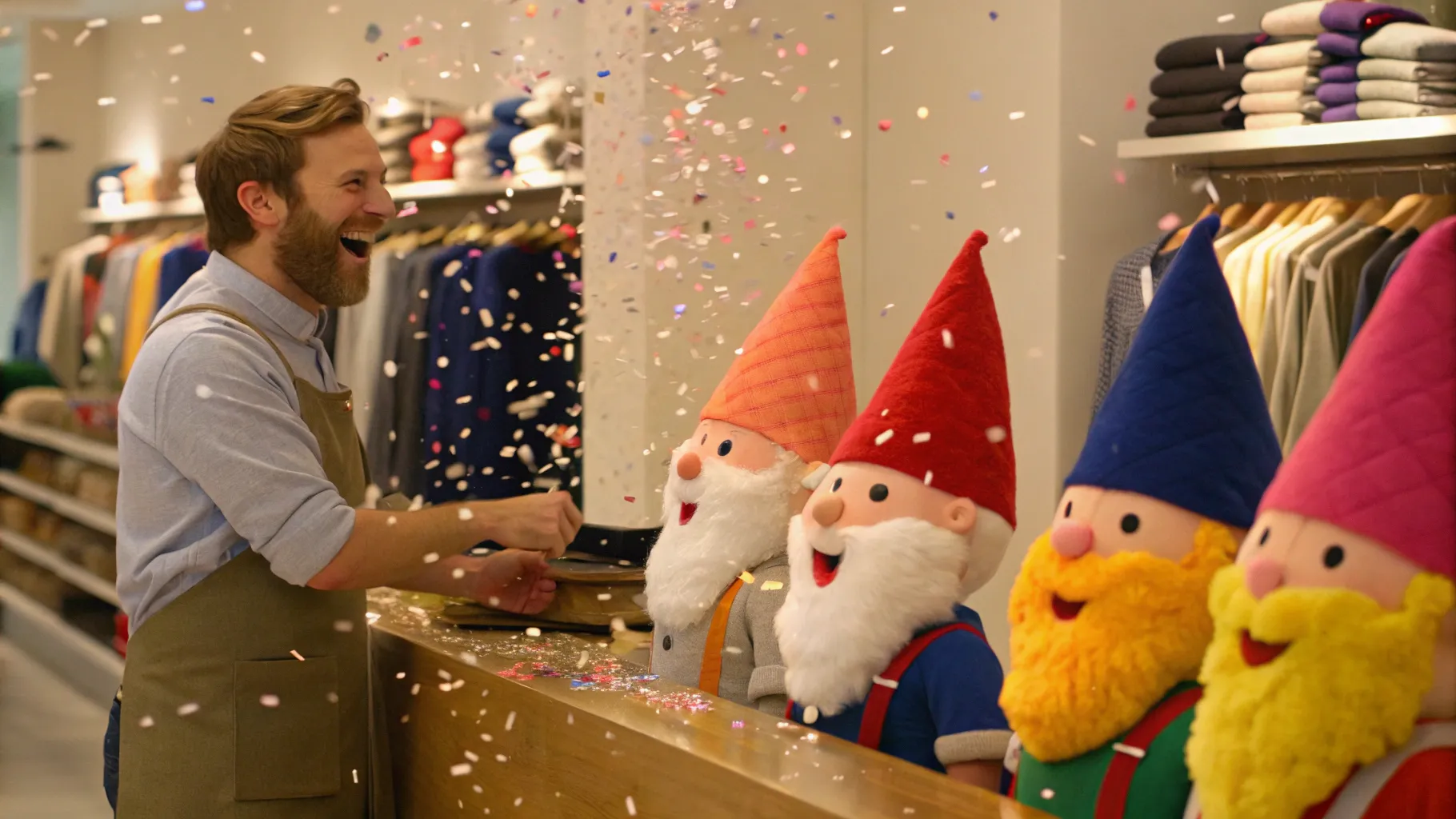
There is something irresistibly joyful about turning a routine checkout into a moment of pure delight. I tested a cheeky little in-store checkout game at a flagship store in London that gives guests the chance to win the contents of their shopping baskets. Simple rules, bright enthusiasm, and one tiny challenge transformed an ordinary trip into a memory that lit up the whole store.
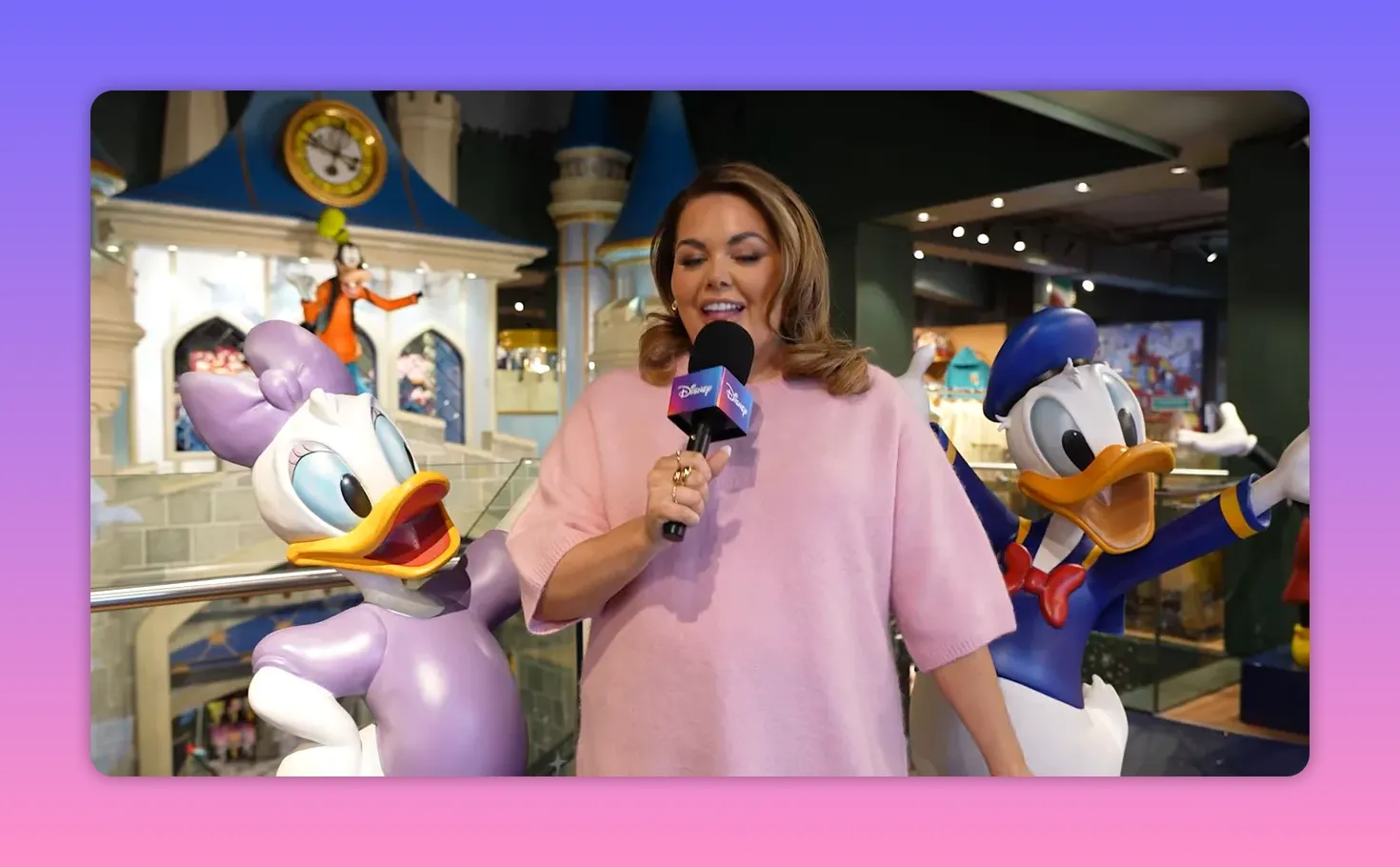
What the checkout game looks like in practice
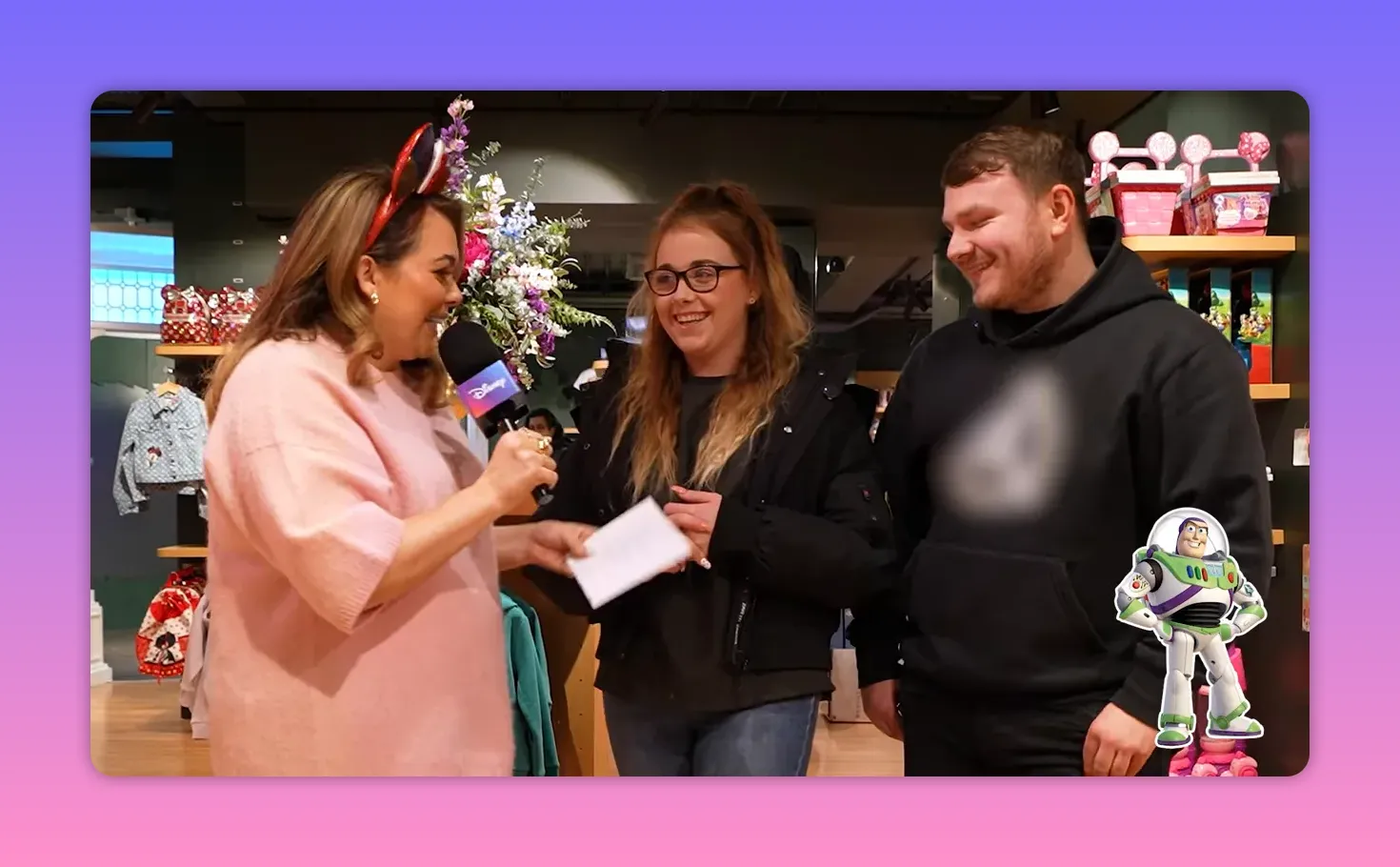
Imagine a busy Disney Store: costumes on racks, plush toys stacked like mountain ranges, and the unmistakable warmth of soundtrack snippets drifting down the aisles. A guest approaches the till, ready to pay. Before the transaction is complete, they are invited to take part in a lightning-round quiz. The reward? If they answer the questions and complete a quick challenge, they walk out with everything in their basket. No fuss. No long forms. Just a pinch of suspense and a lot of charm.
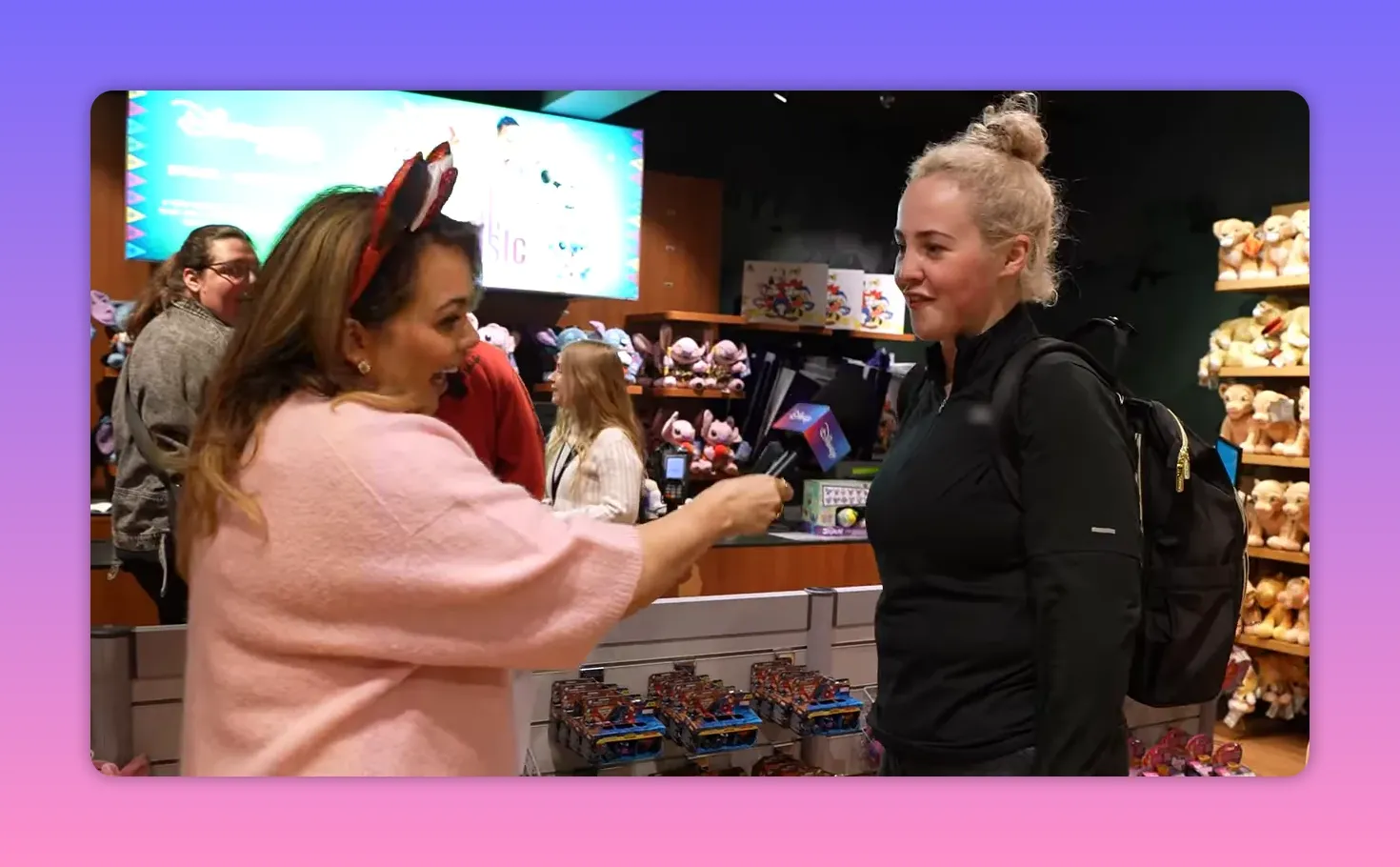
The mechanics are intentionally simple. Four trivia questions followed by a timed physical or pose-based challenge. Each question tests general franchise knowledge — think names like Mufasa or the famous catchphrase To infinity and beyond — and the final challenge asks the player to locate a store prop or mimic a pose within a limited time. The whole interaction is short, playful, and designed to encourage smiles.
Sample questions and why they work
Questions used in this format are deliberately accessible. They reward familiarity with iconic characters without requiring encyclopedic knowledge. They also include iconic lines and characters that resonate across generations.
- What is the name of Simba’s father? — Simple, emotional, instantly recognizable: Mufasa.
- Finish the line in your best Buzz Lightyear voice — An audio/performative prompt that invites personality.
- What is the name of the sea witch in The Little Mermaid? — Classic villain-based recall: Ursula.
- Name all seven of Snow White’s dwarfs — A more demanding recall test that separates casual knowledge from deep fandom.
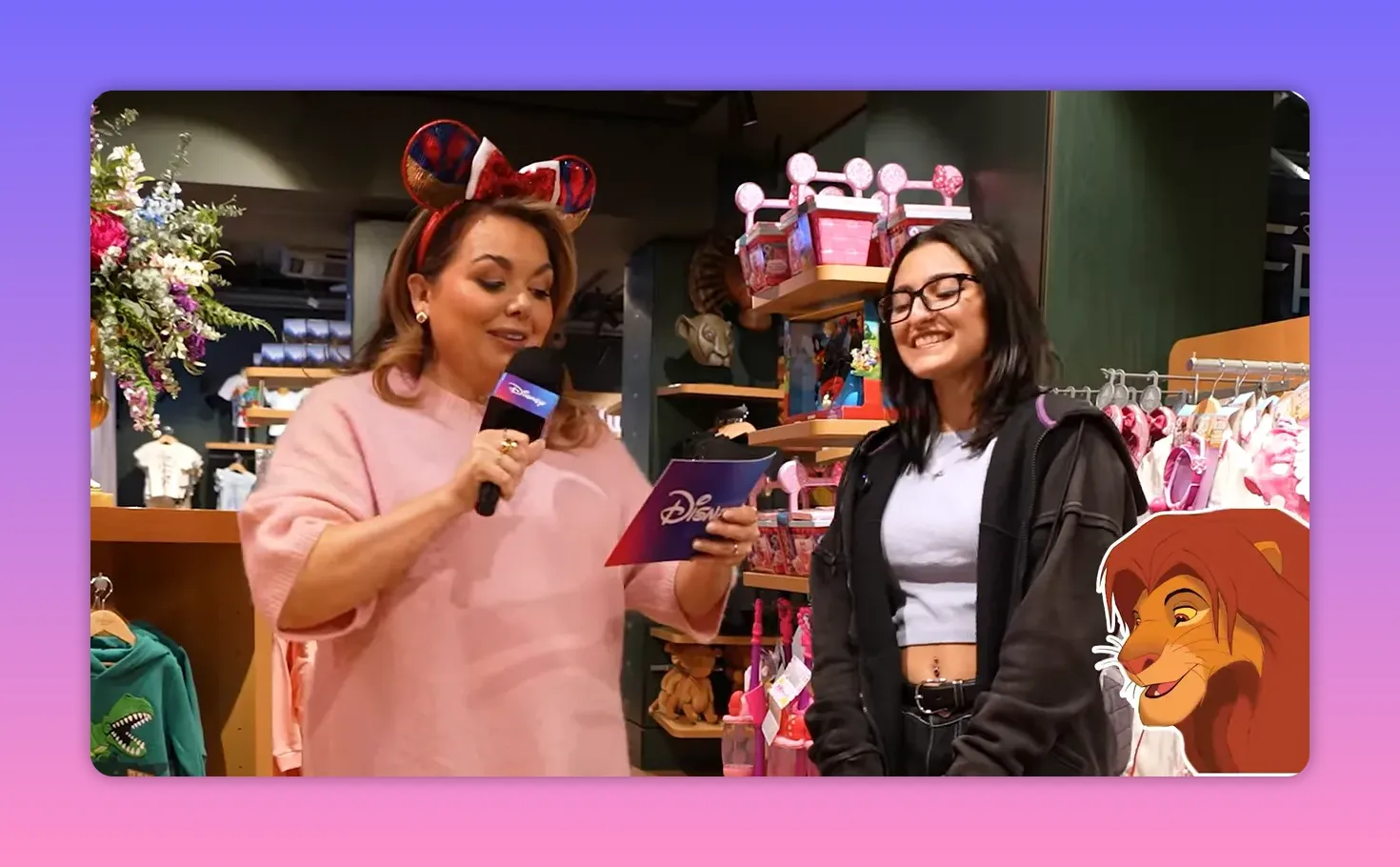
These questions are effective because they do three things at once: they are nostalgic, short, and highly shareable. A correct answer triggers a cheer from staff and sometimes from surrounding shoppers. A funny attempt becomes content gold. The result is organic social energy and memorable guest experiences.
Why this low-tech idea produces big impact
At its heart, the checkout game succeeds because it nails several psychological and marketing fundamentals.
- Surprise and delight — The invitation to play comes at an unexpected moment: right before purchase, when emotions are already positive. That surprise amplifies the joy of winning and creates an immediate feel-good association with the brand.
- Low friction — Participation requires only a few minutes. Guests can opt out without feeling pressured. That makes it inclusive and high-conversion; people love to try low-stakes, high-reward games.
- Social proof — When one guest wins, others watch. Applause and excitement create an enticing atmosphere that encourages onlookers to join next time.
- Shareability — The combination of trivia, performance, and prizes is tailor-made for social media sharing. A short clip of a guest delivering Buzz Lightyear’s catchphrase or striking a pose beside a Woody figure often becomes a lovable short-form post.
- Brand storytelling — Each question and each prize reinforces character familiarity and emotional connections. The game is another way to tell Disney stories rather than simply sell products.
Designing the experience: rules, fairness, and delight

Creating a memorable checkout game means balancing spectacle with fairness and logistical clarity. Here are the practical design choices that keep the experience delightful and legal.
- Clear and simple rules: Four trivia questions, one quick challenge, and a single prize: the contents of the basket. Keep the structure visible and repeatable so every team member can run it confidently.
- Short time limits: The challenge portion should be fast — 30 seconds is a great benchmark. It keeps energy high and lines moving.
- Safe and appropriate challenges: Avoid prompts that encourage risky behavior or require leaving the premises unsafely. Pose-based or prop-locating tasks inside the store are both fun and safe.
- Transparency about eligibility: Have terms and conditions ready for larger contests. For example, specify geographic limits, age requirements, and closing dates for any promotional tie-ins.
- Staff training: Make sure every employee understands the game flow, how to adjudicate answers, and how to handle borderline cases with warmth and humor.
How to prepare as a contestant — my playbook for winning
If you want to be the kind of guest who walks away with a full basket, preparation matters — and not in a nerdy, stressful way. It helps to have a few quick mental strategies, a tiny bit of confidence, and a willingness to be playful.
- Brush up on big names and catchphrases: Classic characters like Mufasa, villains like Ursula, and iconic lines like To infinity and beyond show up often. These are high-probability answers.
- Use mnemonics for longer lists: For example, the seven dwarfs can be tricky under pressure. Memorize a short phrase or pattern to recall them quickly. I share one below.
- Lean into performance prompts: For lines or impersonations, commit to the voice. A playful, confident delivery often counts as much as accuracy.
- Move fast on challenges: If the task is to find a character or mimic a pose, be decisive. Initiative is often rewarded — staff appreciate guests who try.
- Keep it fun: Smile. Even wrong answers are good content. Enthusiasm can win the crowd and sometimes the staff will reward a great effort with a consolation prize.
Mnemonic and memory tips for the seven dwarfs
When the question asks for all seven dwarfs, nerves can scramble your mind. Here’s a quick and effective mnemonic approach to help recall them under pressure.
- Group by opposites and pairs: Happy and Grumpy are emotional opposites, Sleepy and Dopey are more physical/behavioral, Sneezy is distinctive for sneezes, Bashful stands out socially, and Doc is the leader figure.
- Create a short sentence using the first letters: D for Doc, H for Happy, S for Sleepy, S for Sneezy, B for Bashful, D for Dopey, G for Grumpy. One example sentence is “Doctor Helps Sleepy Sailors Beat Deep Gusts.” The sentence is silly but it maps to Doc, Happy, Sleepy, Sneezy, Bashful, Dopey, Grumpy once practiced a few times.
- Practice the list in order: Doc, Happy, Sleepy, Sneezy, Bashful, Dopey, Grumpy. Rehearse it aloud once or twice before you enter the store or while queuing for checkout.
Under pressure, grouping and a practiced phrase are faster than trying to recall each name independently. If a nervous blank sets in, listing the most distinctive ones first — Doc, Grumpy, Dopey — can buy you time to recover the rest.
Challenge prompts that keep things playful
Challenges should be short, visual, and safe. Here are examples that work really well on a store floor:
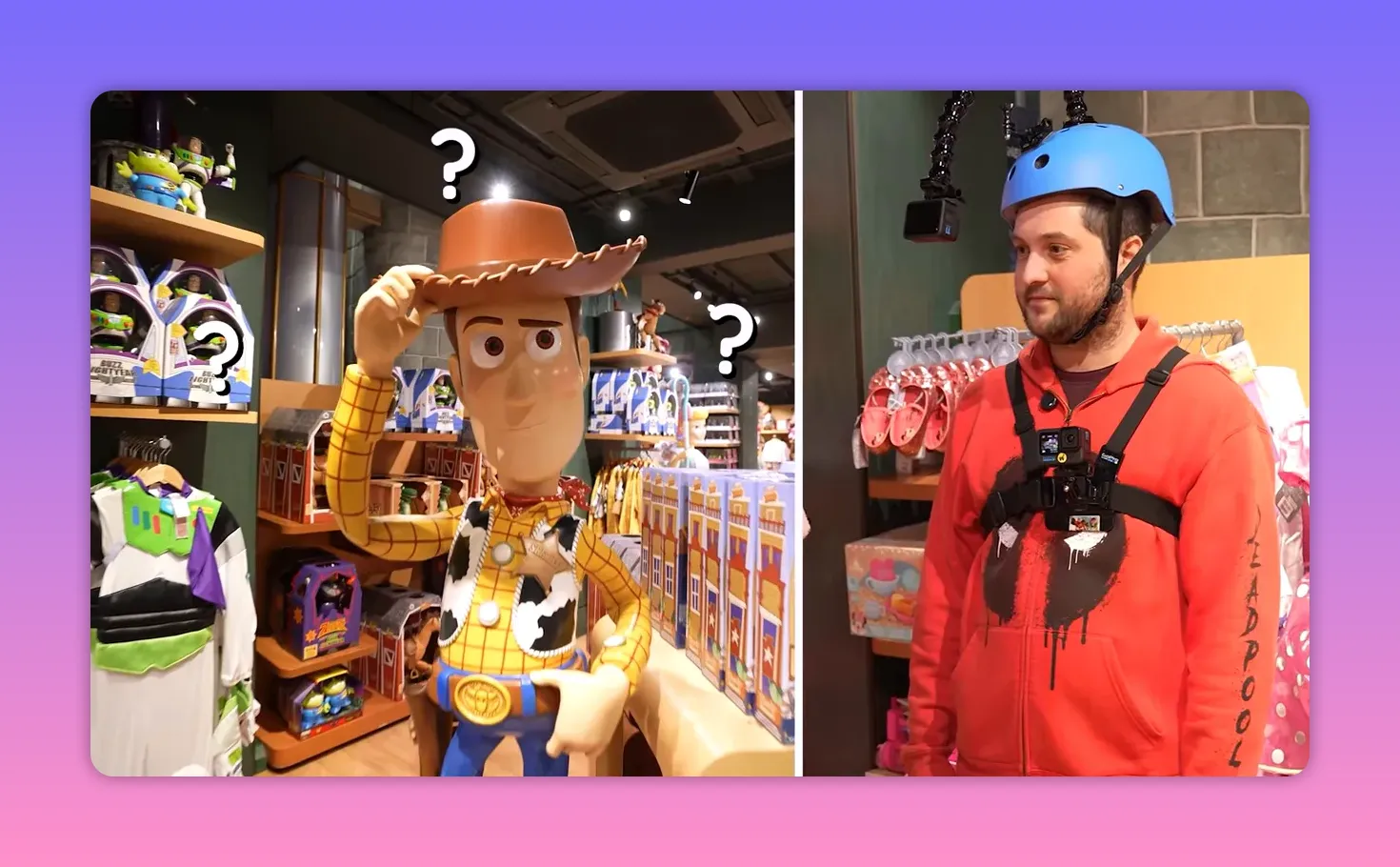
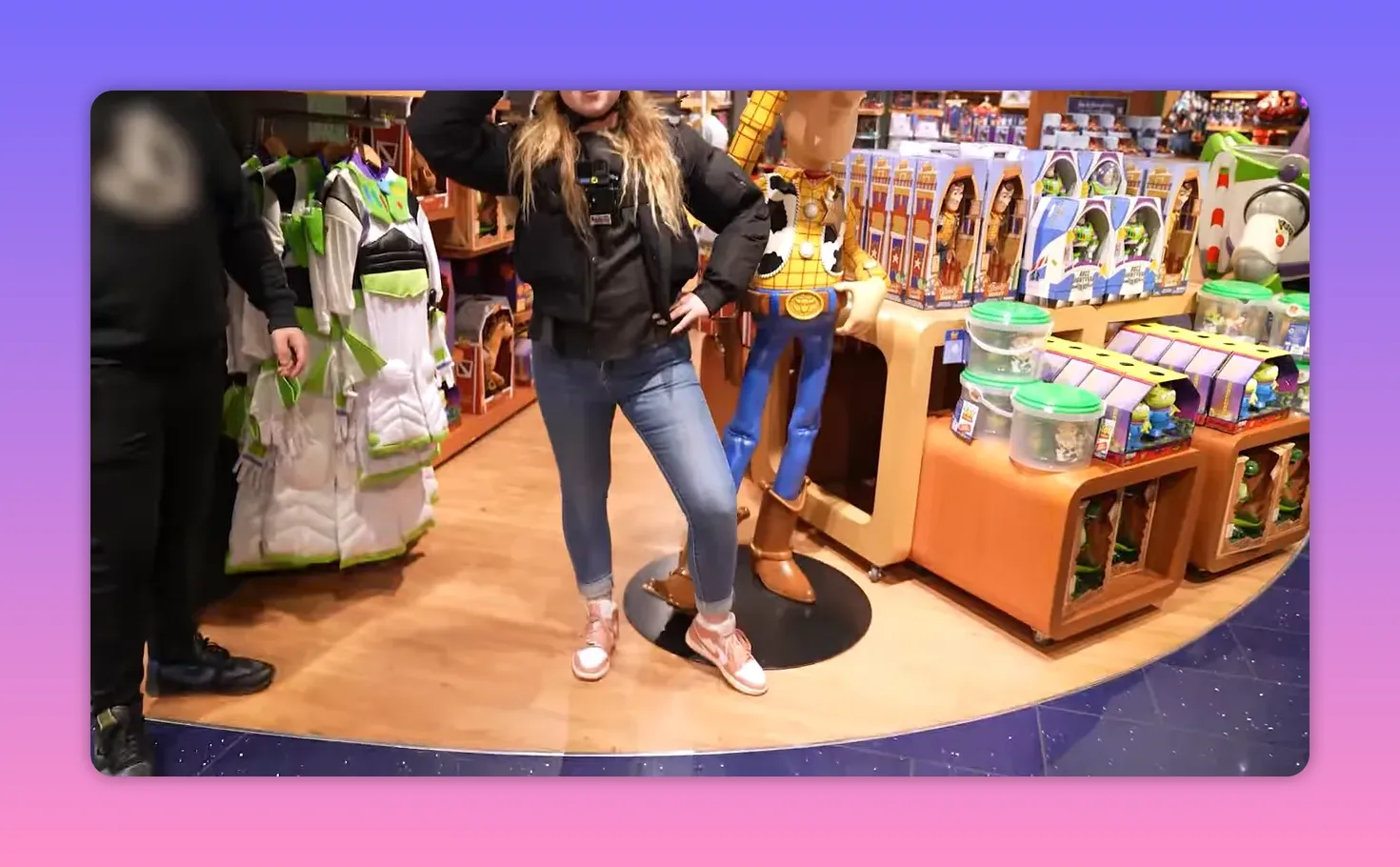
- Find Woody and copy his pose within 30 seconds.
- Strike your best Buzz Lightyear “To infinity and beyond” voice while pointing to the sky.
- Build a quick 10-second stack using three specific plush toys near the display.
- Spot the princess dress that matches a colour clue and model a small curtsy.
All of these keep the action inside the retail space and add a performative flair that creates great moments for photos and short clips.
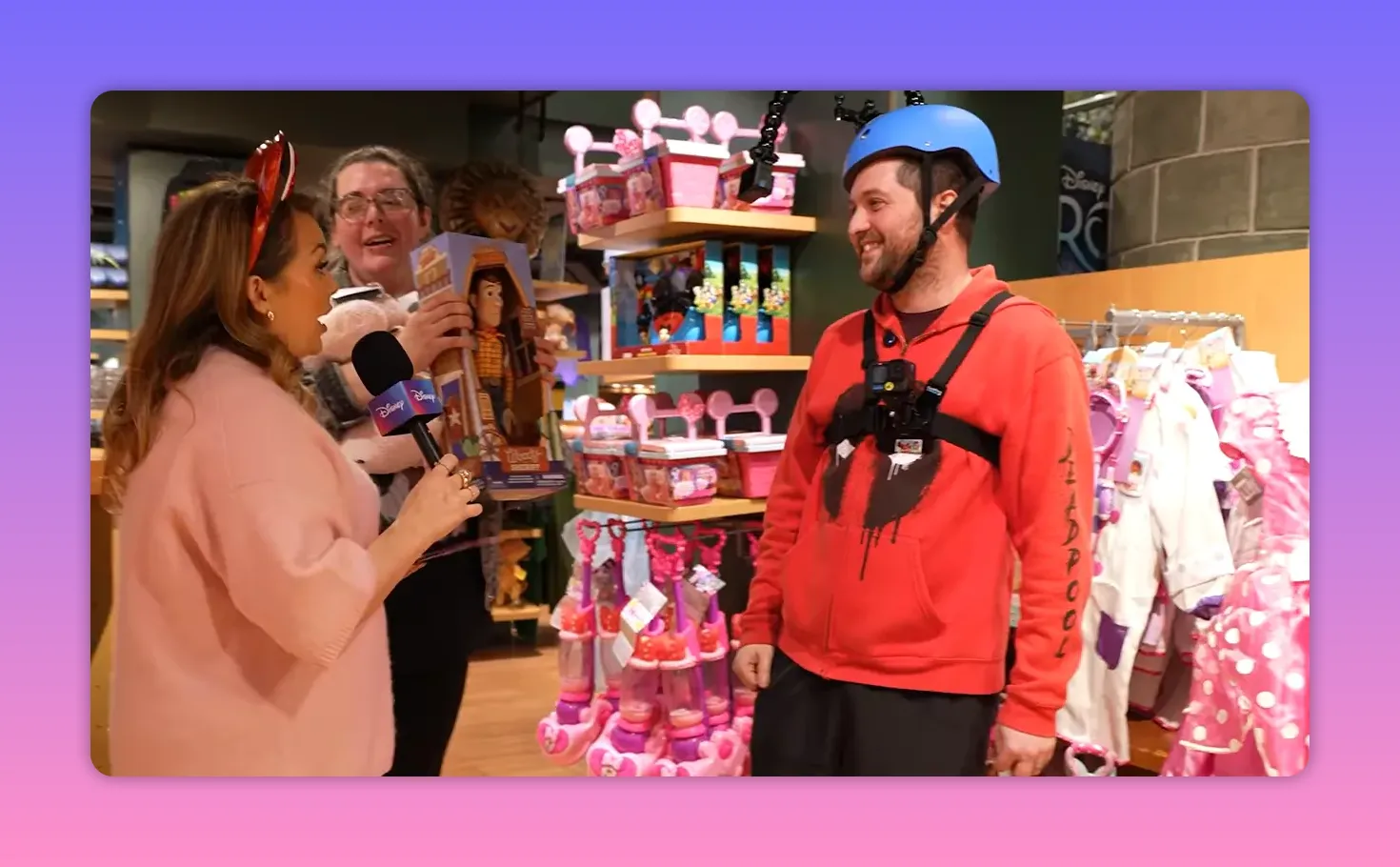
For store teams: a step-by-step guide to running a delightful checkout game
Running a smooth checkout game requires a template that front-line staff can use repeatedly without compromising the pace of the store. Use the following checklist to keep each round consistent.
- Announce the game quickly: Invite customers with a friendly “Would you like the chance to win everything in your basket?” Keep the offer optional and upbeat.
- Explain the mechanics in two sentences: “Answer four questions and complete a short 30-second challenge. Get them all right and the basket is yours.”
- Ask the quiz questions: Read each question clearly and allow short, direct answers. Keep the tone encouraging even if answers are incorrect.
- Start the challenge timer: Use a countdown from an obvious number like 30 seconds. Cheer them on; participation matters more than perfection.
- Declare the result and celebrate: If the guest wins, announce it loudly and congratulate them. If they don’t, hand out a small consolation token or discount to preserve positive feelings.
- Record basic data for promotions: If the game is tied to a larger promotion, log consent and contact details following your store’s legal guidelines.
- Rotate prize value responsibly: Winning the full basket is a big prize. Set budgetary constraints and occasional win frequency to keep the promotion sustainable.
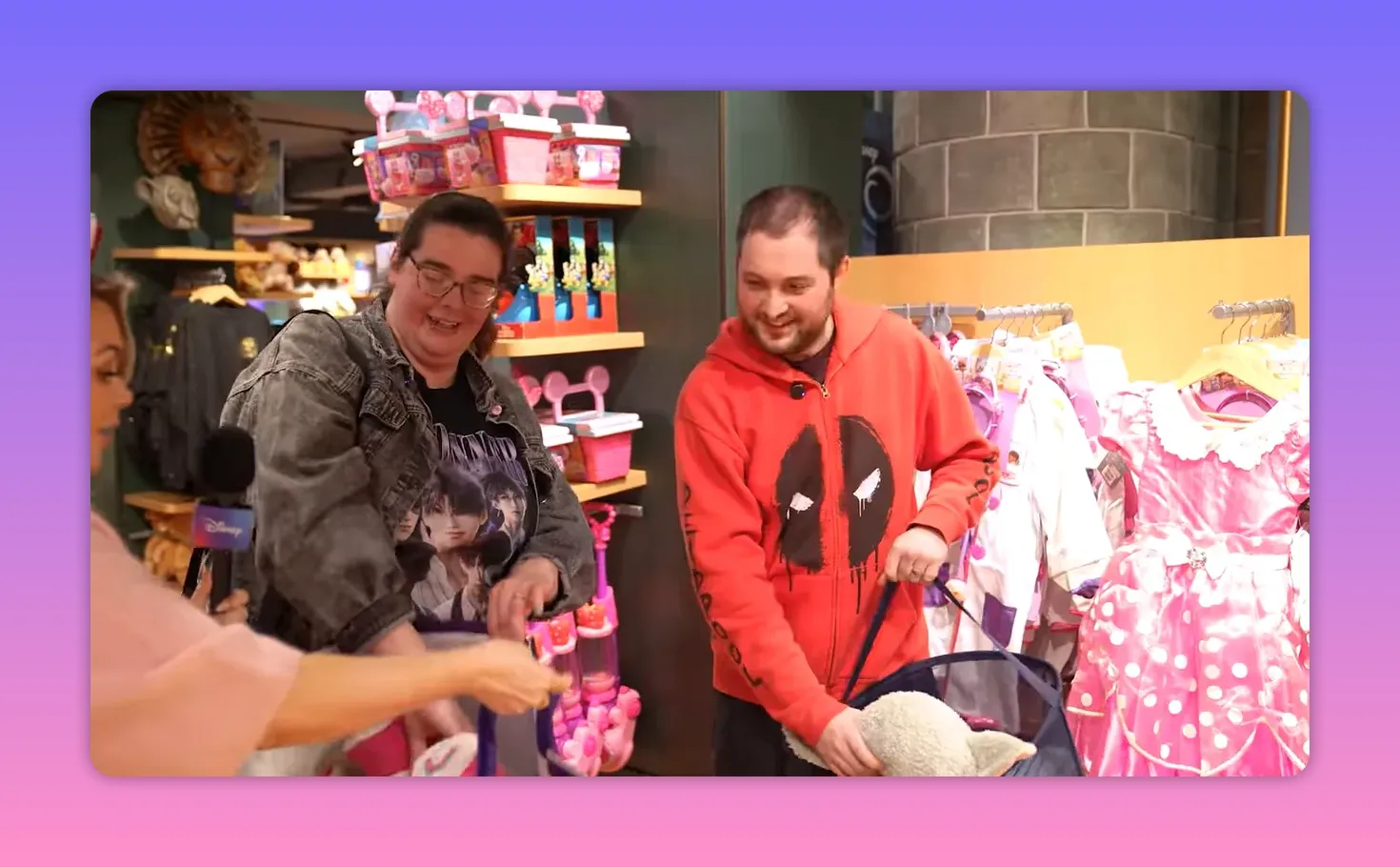
Staff should practice adjudicating tricky questions and managing large crowds. A quick role-play session during shift briefings makes a big difference in confidence and consistency.
Legal and operational considerations

Public-facing contests always come with guardrails. While a small in-store game can be run informally, any promotion tied to a larger marketing campaign should follow these basic rules.
- Terms and conditions: Have clear eligibility rules: geographic restrictions, age minimums, and a contest close date. Even small in-store games benefit from simple print-ready terms.
- Data protection: If collecting participant contact information for prize fulfillment, follow data protection laws and store privacy policies.
- Prize value limits: Set an upper limit on winnings or specify that the prize is limited to the contents of the basket on the day of the win. This prevents open-ended liabilities.
- Health and safety: Ensure all challenges are risk-free and within the footprint of the store. Avoid tasks requiring climbing or heavy lifting.
- Accessibility: Offer alternative challenges for guests with mobility limitations so that everyone can participate comfortably.
How this kind of promotion supports marketing goals
At first glance, a checkout game looks like a simple goodwill gesture. The truth is it supports multiple marketing goals in one neat package.
- Driving conversions: A prize that includes the basket contents incentivizes purchase completion and can reduce cart abandonment at the till.
- Increasing dwell time: Short interactive moments keep customers in the store longer, improving the chance of additional purchases.
- Generating social content: Shareable clips and photos created by guests generate organic reach across social media platforms.
- Reinforcing brand affection: The emotional memory of surprise and cheering strengthens long-term brand loyalty.
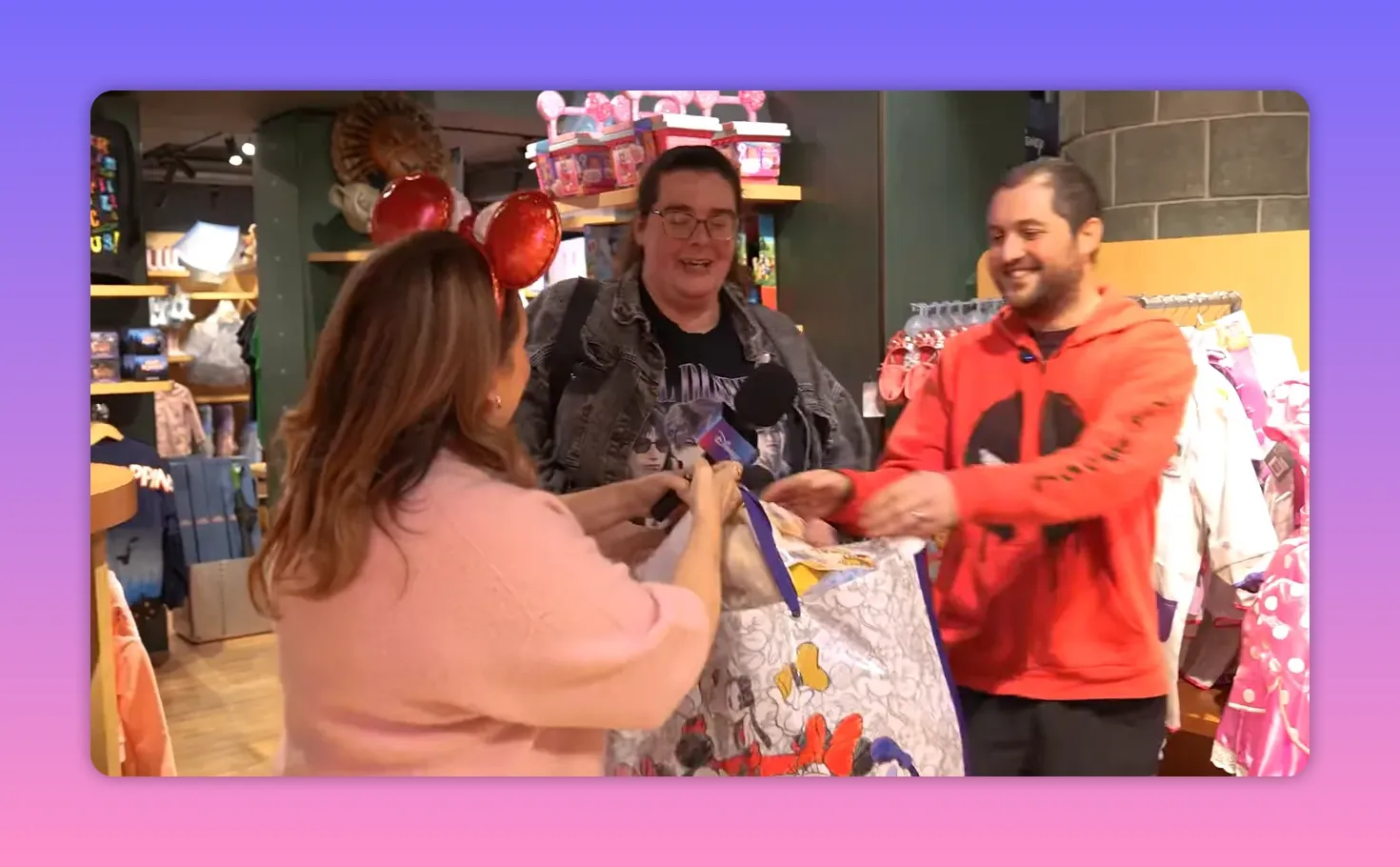
Practical tips for parents and shoppers
If you’re the shopper standing in line and you get asked to play, your mindset matters more than encyclopedic knowledge. Here are quick tips to improve your chances while keeping the experience light and fun.
- Go in with curiosity: Expect to smile and have fun. Even if you don’t win, the story is worth it.
- Volunteer to do the challenge: Staff often reward initiative. If you see a prompt to find a character or strike a pose, go for it.
- Practice a couple of catchphrases: Knowing a couple of famous lines can turn a quiz into an unforgettable moment.
- Bring kids into it: Little ones often know surprising details and can be a great asset during a quiz.
- Respect the flow: If the store is busy, consider declining politely to keep lines moving. Staff will appreciate it and you can always come back later.
Sample question bank for stores to use
If you are a store manager or an event planner looking to create your own trivia set, here’s a ready-to-use list of short questions that are light-hearted, brand-safe, and easy to adjudicate.
- What is Simba’s father’s name?
- Finish the line in your best Buzz Lightyear voice: “To…”
- Who is the sea witch in The Little Mermaid?
- Which princess lives under the sea?
- Name one of the seven dwarfs.
- What kind of animal is Stitch?
- Which character says “Hakuna Matata”?
- Who is Belle’s best friend in Beauty and the Beast?
- Name the toy cowboy from Toy Story.
- Who is the snow queen with ice powers?
The trick is to keep a mix of ultra-easy, medium, and one slightly harder question to make the round feel varied. The hardest question should still be answerable by a casual fan.
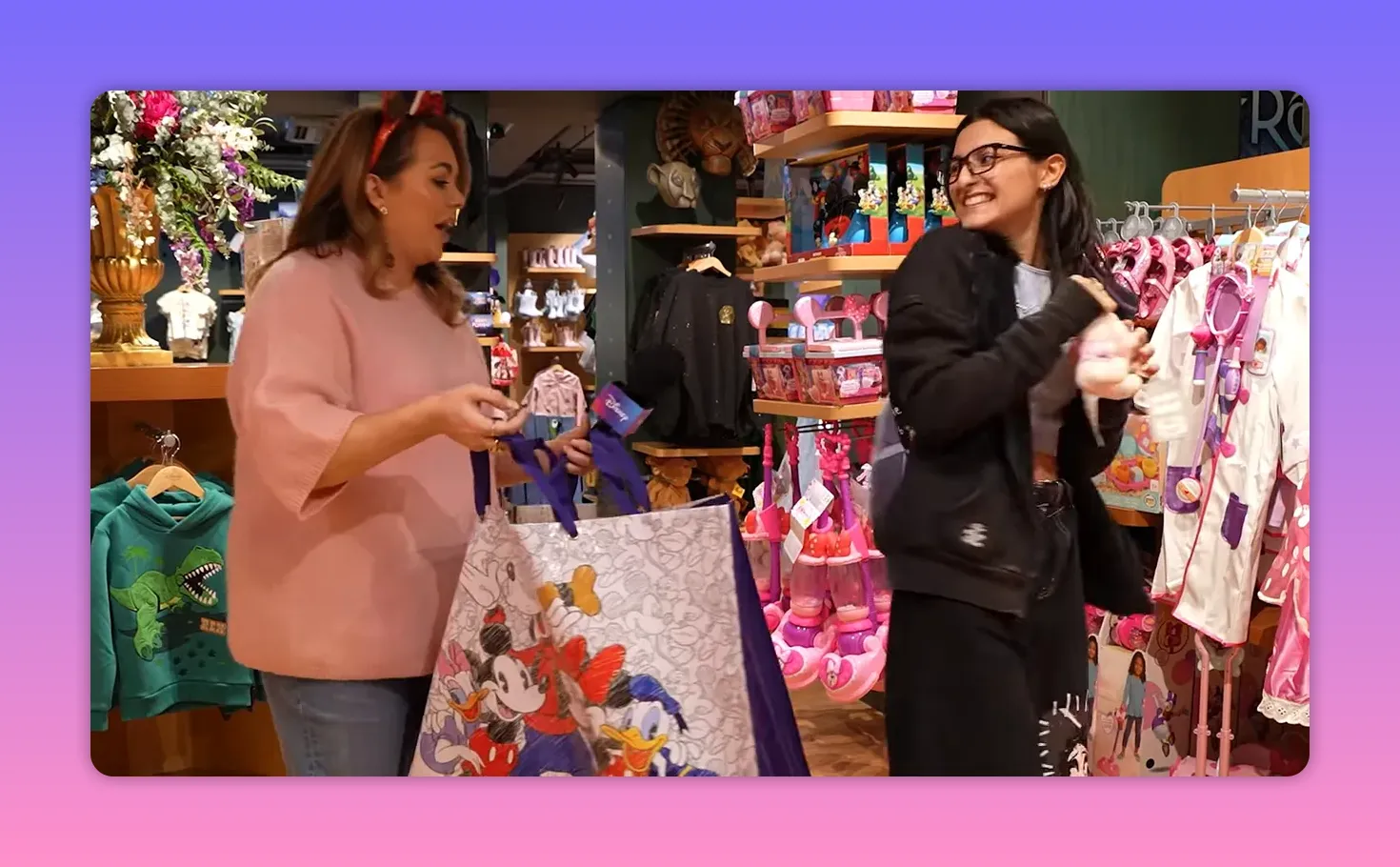
The emotional payoff: why winners and onlookers both win
There is a contagious quality to small celebrations. When a guest wins a basket full of items, the immediate reaction is elation. But the magic extends beyond the winner. Shoppers nearby get to witness something delightful. The staff get to share in the joy. And the store gets a micro-moment that reinforces why an in-person shopping experience is unique.
It is a reminder that retail can be theatrical without being ostentatious. A single three-minute exchange at the checkout can create a memory that a customer will talk about for weeks. That is worth more than a single transaction.
Case study: a quick review of a successful in-store round
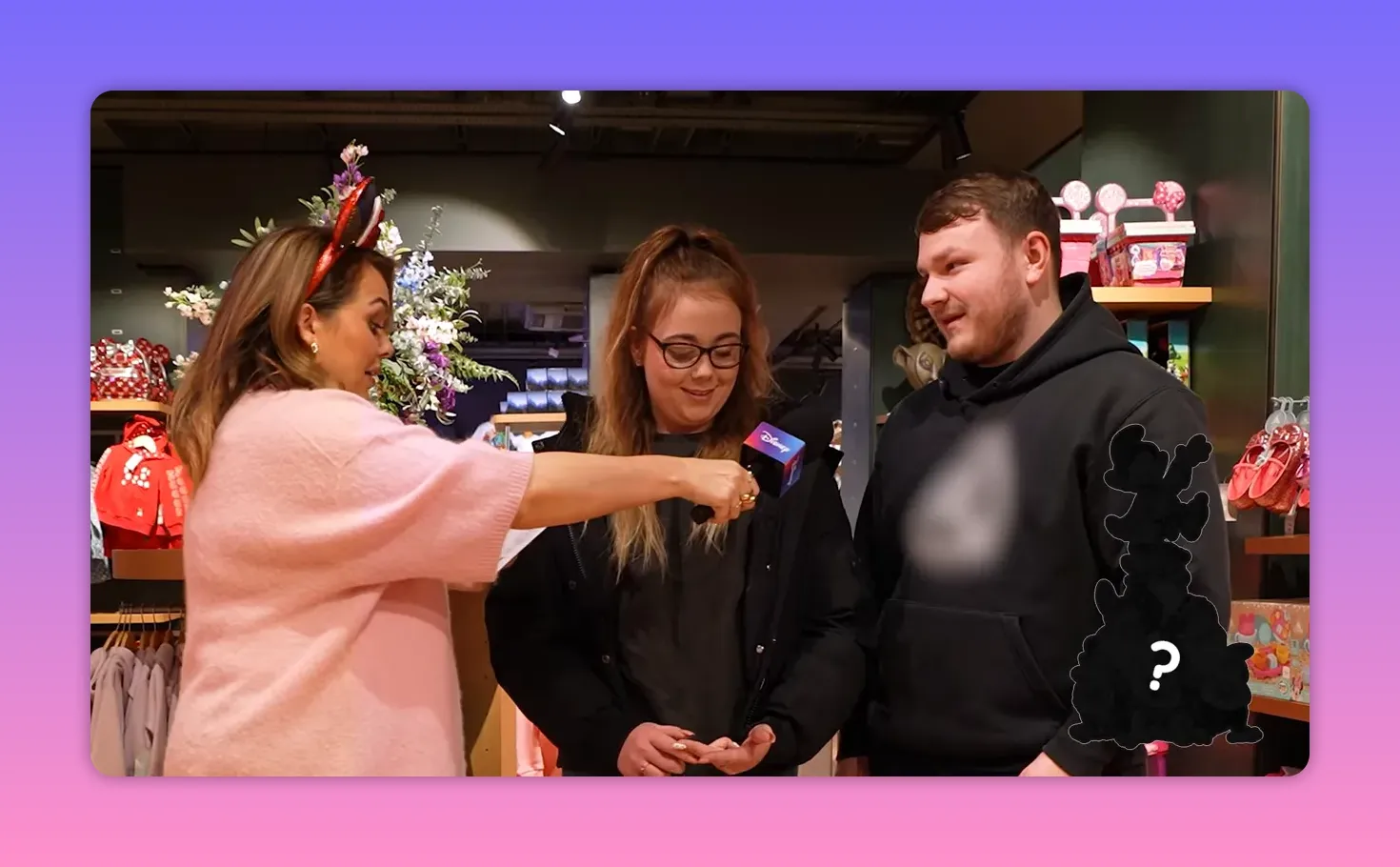
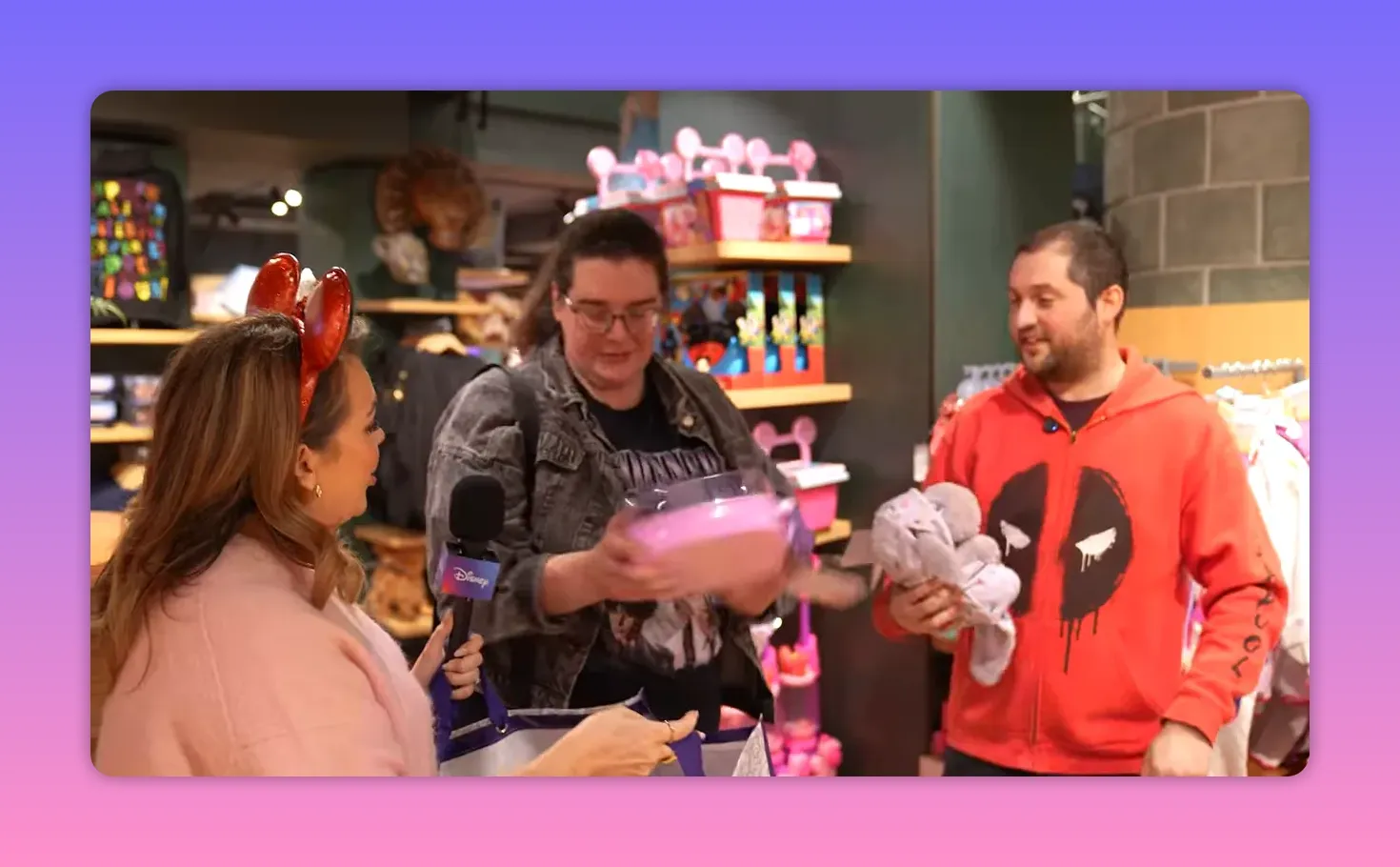
Here is a compact recount of one round that captures the essential elements of success. A guest is asked if they would like the chance to win their basket. They accept with excitement. I explain the game: four questions and a small challenge. The guest answers “Mufasa” quickly. They deliver “To infinity and beyond” with gusto. They name “Ursula” as the Little Mermaid’s villain.
Krampus | The Legend Confronts the Demon: A Deep Dive into Fear, Family, and FolkloreJanuary 7, 2026

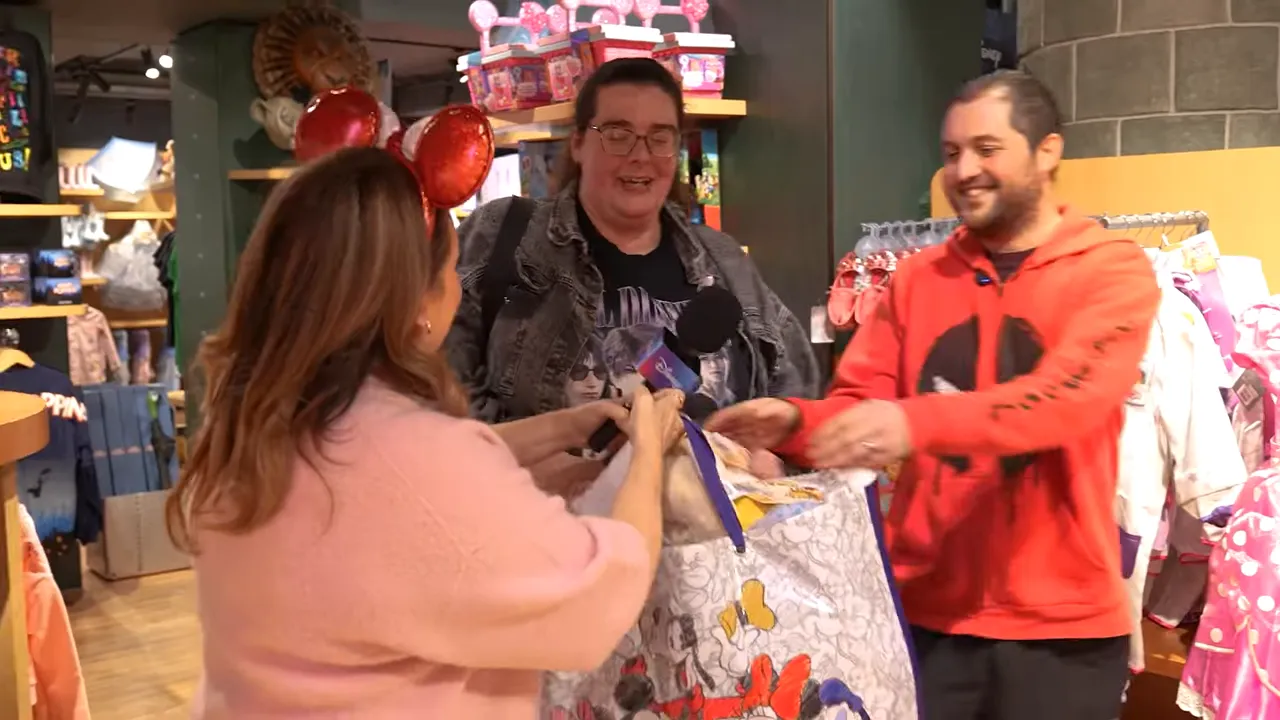
Then comes the curveball: the seven dwarfs. There is the classic scramble — grumpy, sleepy, bashful, dopey — and then a moment of panic as the final names are teased out. A quick hint helps them land Doc and Sneezy. They get a plush consolation for effort, and then the challenge begins: find Woody and copy his pose in 30 seconds. With a sprint and a little improvisation they nail the pose and are awarded the basket. Laughter, applause, and a genuine curtsy seal the moment. The guest leaves thrilled; the rest of the store leaves smiling. That outcome is the predictable result of good structure, a fun atmosphere, and a rewarding prize.
How to scale this across multiple stores
Scaling a checkout game across a network requires standardized playbooks and local flexibility. Here is a roadmap for scaling while maintaining local charm.
- Develop a central game kit: Include a short script, sample questions, a challenge list, and a basic T&C template.
- Train regional trainers: Brief a core group of store leaders who can demonstrate and coach staff in-store.
- Collect feedback weekly: Use a simple form for staff to report what worked and what didn’t. Iteration keeps the game fresh and relevant.
- Set budget rules: Cap the number of basket giveaways per month or define a maximum prize value to keep the promotion sustainable.
- Localize content: Encourage stores to add one local element or question to keep authenticity and relevance.
Beyond trivia: building a culture of surprise
Pop-up games at checkout are one tactical approach. The broader strategy is to cultivate a culture where surprise and personalized delight are routine. That can take many forms:
- Random acts of kindness or unexpected small gifts for loyal customers.
- Staff-led mini-performances on peak days.
- In-store scavenger hunts that tie into new product launches.
- Birthday or milestone acknowledgments for customers when staff have that information.
When surprise becomes part of the customer experience DNA, the entire retail environment feels more alive. Guests leave with stories, and stories turn into advocacy.
Final thoughts
A short, playful checkout game illustrates a powerful truth about retail: memorable experiences are often small and well timed. A trivia question, a brief challenge, and a generous prize can convert a one-time shopper into a lifelong fan. Keep the rules simple, pick questions that evoke emotion and nostalgia, and celebrate every participant. The rest follows naturally.
Frequently Asked Questions
How does the checkout game work?
Guests are invited to answer four trivia questions and complete a short timed challenge. If they get everything right, they win the contents of their basket. The interaction is brief, optional, and designed to be safe and fun.
What kinds of questions are asked?
Questions focus on widely recognizable characters and catchphrases, such as Mufasa from The Lion King, Ursula from The Little Mermaid, or iconic lines like To infinity and beyond. Most rounds include three easy prompts and one slightly harder recall question, like naming all seven dwarfs.
Can anyone play the game?
Participation is voluntary and generally open to in-store customers, but stores running larger promotional campaigns may set eligibility rules, such as geographic restrictions or age limits. Small in-store rounds often have no formal restrictions beyond safety considerations.
What happens if I don’t know an answer?
The goal is to keep the experience light-hearted. If a participant misses a question, staff often offer encouragement and may provide small consolation tokens. For higher-stakes promotions, clear rules determine whether the round continues or ends.
Are there legal terms for these promotions?
Yes. Any promotion that involves prize giveaways should include basic terms and conditions outlining eligibility, prize limits, and privacy handling. Larger contests tied to marketing campaigns should follow formal legal review and regulatory requirements.
How can stores run a similar game safely?
Keep challenges inside the store footprint, avoid tasks requiring climbing or heavy lifting, provide alternatives for guests with accessibility needs, and train staff to prioritize safety. A 30-second in-store pose or prop-find is an ideal format.
What tips increase my chances of winning?
Brush up on classic characters and catchphrases, use mnemonics for longer lists like the seven dwarfs, commit to performance prompts confidently, and act decisively in timed challenges. Above all, bring enthusiasm—staff often reward spirit and initiative.
Why do these promotions matter for retail?
They create emotional moments that strengthen brand affinity, increase dwell time, and produce shareable content. Small-scale interactions can have outsized impacts on customer loyalty and organic reach.


