
There are few things that bring people together like a good laugh, a little friendly competition, and a sprinkling of Disney magic. What started as a quick series of playful challenges quickly turned into a masterclass in teamwork, communication, and pure family fun. Three short games, simple rules, silly stakes, and one prize-filled truck — everything you need to run an unforgettable family activity or party game night.
Overview: The Three Challenges That Deliver Maximum Fun
The format is delightfully simple and wildly effective. Teams of two face a trio of quick-fire challenges that reward clear thinking, steady nerves, and trusting each other. Each round tests a different kind of skill:
- Sticky Situation — a timed blindfolded sandwich-making round that demands crystal-clear directions and calm hands.
- Small World — a tactile guessing game where both teammates are blindfolded and must identify Disney characters by touch.
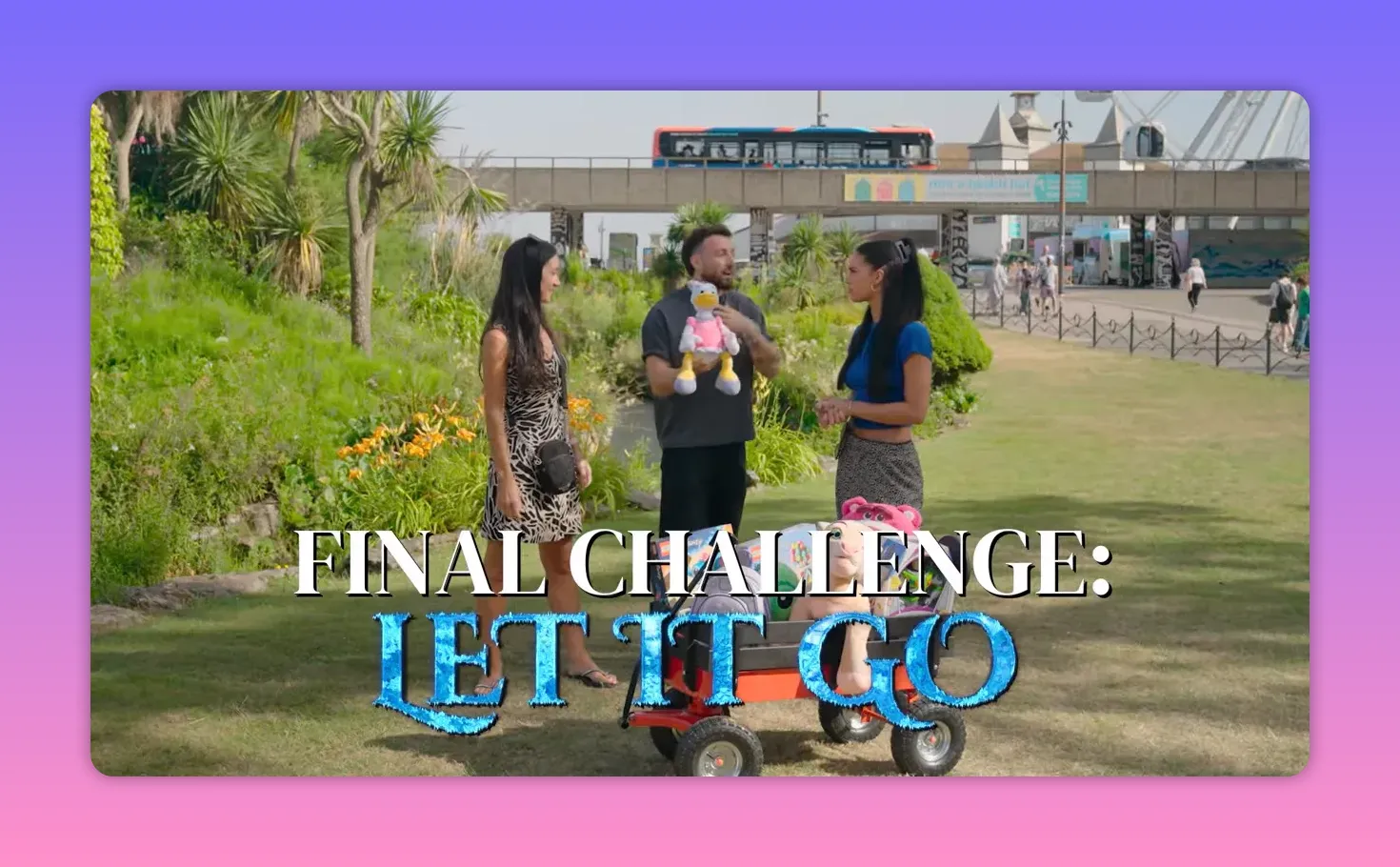
- Let It Go — an instinct challenge in which partners hold a character’s hands and either hold on or let go on command; matching choices win prizes.
These challenges are compact and portable, so they work well on the street, in a living room, or at a community event. They are easy to set up and easy to scale up, yet they produce big reactions: laughter, high fives, and memorable moments.

Why This Format Works
On the surface these games are just silly and charming. Underneath, they tap into several psychological and social dynamics that make them surprisingly powerful:
- Timed pressure forces quick decision-making and prioritization. A one-minute sandwich challenge turns mundane tasks into high-stakes comedy.
- Role division separates thinking from doing, making communication the bottleneck. One person instructs while the other executes, so clarity matters more than speed.
- Trust tests such as the hand-release are simple yet revealing about instinct and relationship rhythms.
- Multi-sensory play (touch, sound, and limited vision) keeps participants engaged and gives the audience something to cheer about.
That combination produces great TV moments, but it also offers meaningful takeaways for families and facilitators: better listening, sharper instructions, and more confident improvisation.
Challenge 1: Sticky Situation — How to Win the Blindfolded Sandwich Round
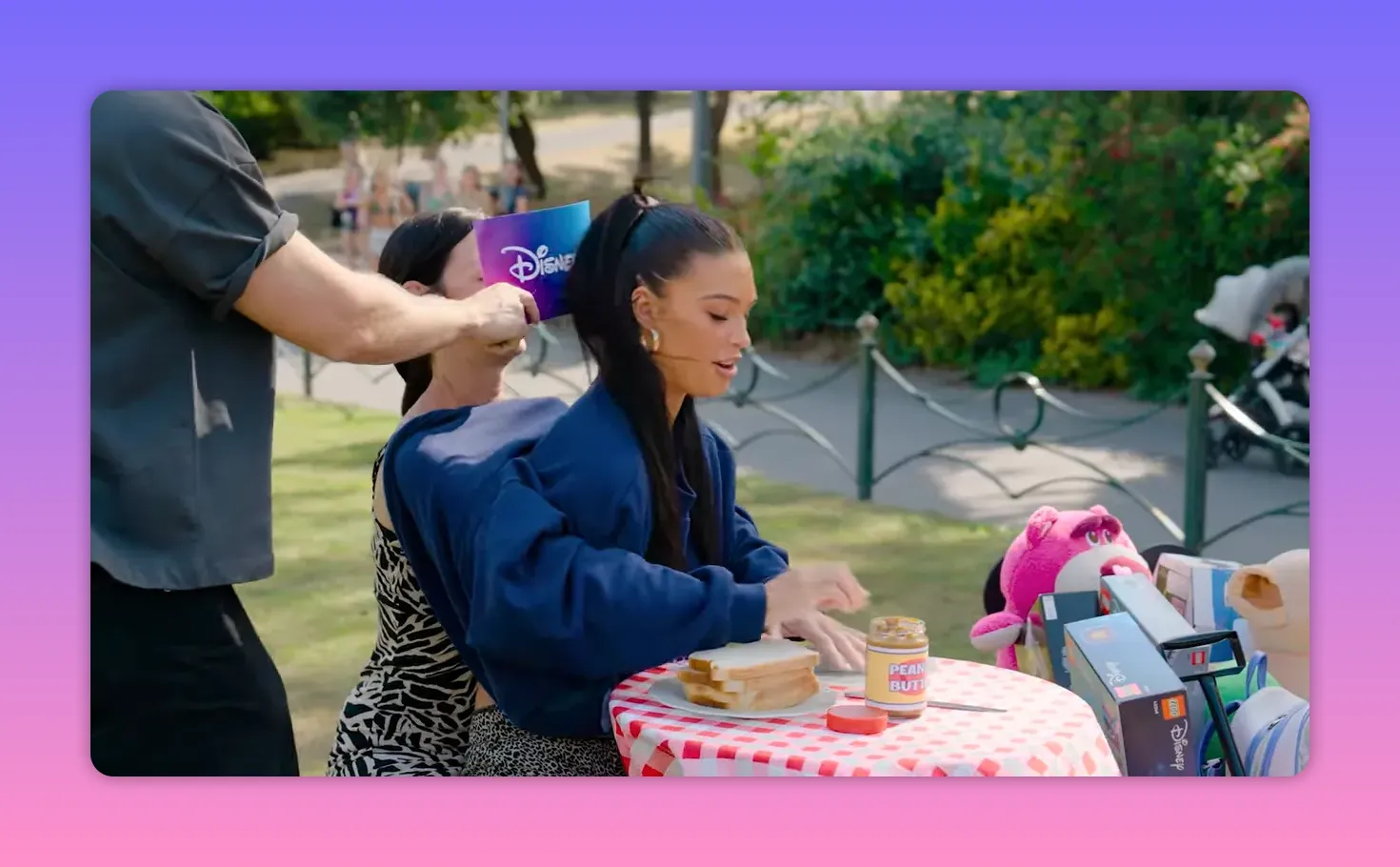
Brief: One partner is blindfolded and tasked with assembling a peanut butter sandwich within one minute while the other partner directs them.

Setup and Materials
- Two slices of bread on a plate for the blindfolded player.
- A knife for spreading; a clean jar of peanut butter (or chosen spread).
- An extra plate for assembling the final sandwich.
- A blindfold, a timer, and a clear speaking spot for the guide.
Rules
- The blindfold must remain in place for the full minute.
- The guide may not touch the food or the blindfolded player during the challenge.
- The sandwich must be assembled and at least roughly presentable at the end of the minute to “pass.”
Why this round is more than a gag

Communication is the primary skill under test. The guide must translate visual information into precise, bite-sized commands. Pressure reveals the clarity (or vagueness) of how people talk to each other. Whether in a relationship, at work, or parenting, the ability to give step-by-step instructions is valuable. In the sandwich round, it becomes hilarious because the smallest ambiguity can lead to a lopsided sandwich or a very confused knife hand.
Winning tips for the guide
- Use directional language: left, right, forward, back, up, down. Replace “over there” with a specific motion: “move your hand forward two inches.”
- Break tasks into single actions: “Pick up the knife with your right hand” then wait for confirmation, then “dip into the jar.”
- Speak in short, decisive sentences. Calm tone beats frantic shouting — the blindfolded partner relies on voice cadence for confidence.
- Anticipate the next move. Tell them what you want them to do with their other hand so they can prepare before the command.
- Use tactile landmarks: “You’ll feel the rim of the plate in front of you” can help them orient their hands before trying to spread.
Winning tips for the blindfolded partner
- Listen actively: Repeat commands back to confirm understanding. “Right hand on the knife, got it.”
- Keep movements deliberate. Quick flailing wastes time and creates mess.
- Ask clarifying questions if there is time. A single “Do you mean this slice?” can save several seconds.
Those techniques reduce the chaos and increase the odds of a sandwich that’s both edible and Instagram-ready.

Challenge 2: Small World — The Blindfolded Character Guessing Game
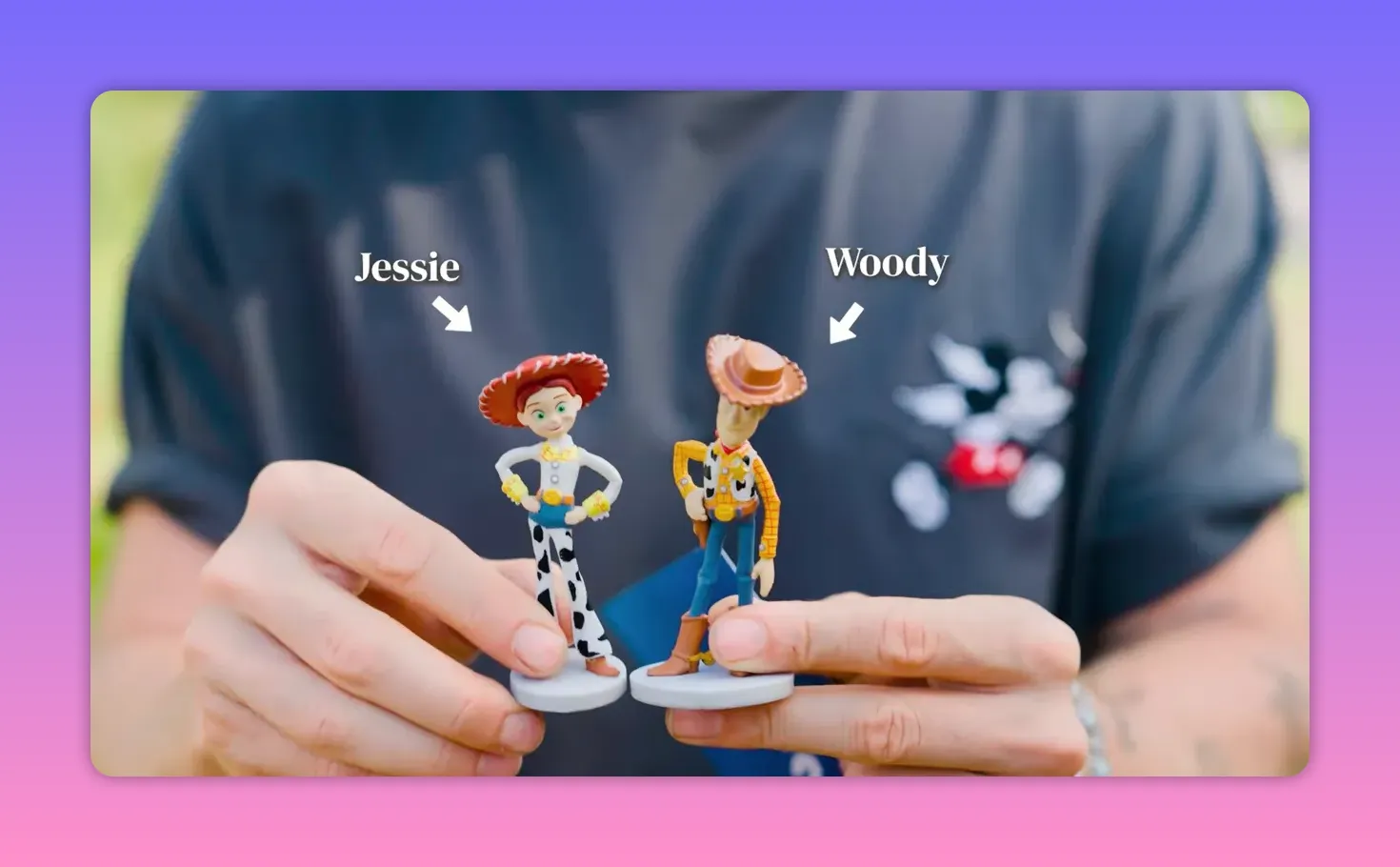
Brief: Both teammates are blindfolded and given a Disney figure to feel and identify within 30 seconds. Both must name their character correctly to win the round.
Why touch-only guessing is so effective
Touch-based identification eliminates visual shortcuts and rewards knowledge and imagination. Players must use memory of shapes, textures, and distinctive features. For Disney or pop-culture characters, this becomes a game of pattern recognition: does this plush have a cowboy hat? A specific silhouette? A unique accessory?
From the facilitator’s perspective, this challenge is a great equalizer. People who are shy about performance get to contribute; tactile thinkers get their moment. It’s also a perfect way to test whether teams truly know each other’s interests.
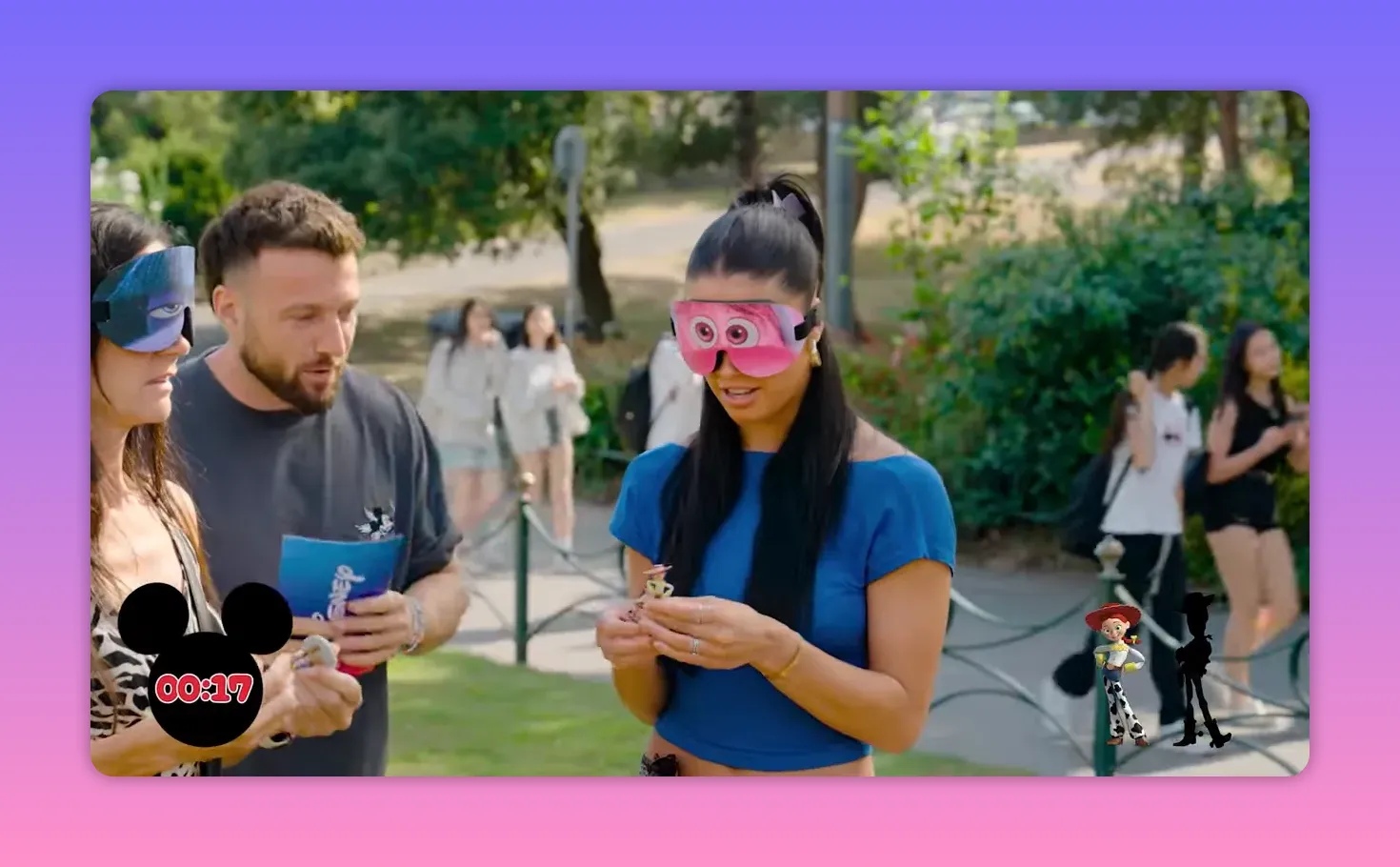
Setup and rules
- Pick characters with distinct, tactile features: a hat, a tail, a long scarf, a distinctive clothing texture.
- Limit the guessing time to keep pace. Thirty seconds keeps the round brisk.
- Both teammates must answer correctly to win; a single misstep means a loss for the pair.
- Use clean, non-damaging props and sanitize between rounds.
Strategies for success
- Familiarize with shapes: Before playing, think about signature features that identify characters by touch: Woody’s cowboy hat, Daisy’s bow, Olaf’s twig arms, and so on.
- Start with broad categories: If unsure, shout a type first — “Is it a princess, an animal, or a toy?” Narrow down quickly.
- Use partner hints wisely: If allowed, brief nonverbal cues or agreed signals before the round begin can help. If not allowed, trust instincts and go with the most obvious guess first.
When both teammates get it right, the payoff is immediate: shared celebration and a clear demonstration of complementary knowledge within a relationship.
Challenge 3: Let It Go — The Trust Test That’s Also a Laugh Riot
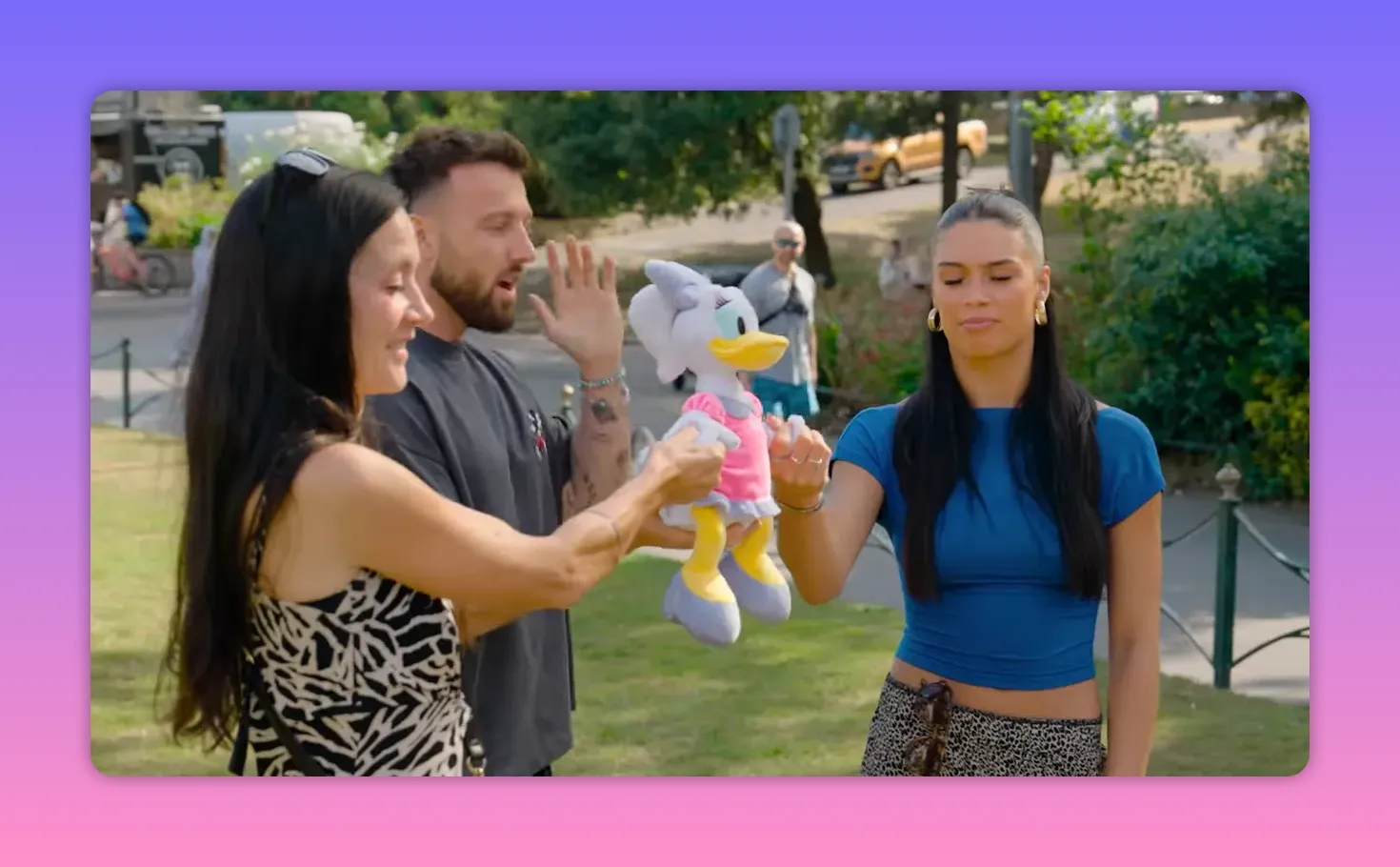
Brief: Both partners hold both hands of a plush character. They close their eyes and, on the count, either let go or hold on. If both partners make the same choice, they win.
Why this tiny game is so revealing
The Let It Go round is a pure instinct test. It removes procedural thinking and replaces it with gut-level decision-making. The goal is alignment: partners must match their reflex. It creates tension because neither can see the other’s choice. The reward is emotional and immediate — when both let go together, the cheer is genuine.
How to increase the drama
- Use a beloved character as the plush for extra emotional stake. People hesitate to let go of favorites.
- Count down slowly to build suspense and encourage humor.
- Offer a small prize for matching, and a consolation gag prize for mismatched pairs to keep spirits high.
Designing Your Own Family-Friendly Disney Challenge

Want to recreate the magic at home or at a community event? Here is a complete blueprint to adapt the three-challenge format for parties, classrooms, or family nights.
Materials checklist
- Blindfolds (one per team member where applicable)
- Timer or stopwatch
- Sandwich-building supplies (bread, spread, knife, plates)
- Small plush Disney figures with distinct shapes
- Prizes or themed rewards for winners
- Sanitizing wipes for shared objects
Rules and safety
- Establish clear safety rules before starting. For example, knives should be dull spreaders designed for kids rather than sharp kitchen knives.
- Sanitize hands and props between teams.
- If allergies are a concern, replace peanut butter with an allergen-free spread or use a non-food sandwich prop.
- Keep time limits firm to maintain pace and excitement.
Scorekeeping and prizes
One simple scoring system:
- Each challenge successfully completed earns one point for the team.
- Highest score after three rounds wins the grand prize.
- Ties can be broken by a sudden-death minute challenge — perhaps a “name that tune” Disney song snippet.
Prizes can be as elaborate or as modest as you like. A small plush, a themed sticker pack, or the delight of choosing a toy from a “treasure truck” all work equally well. For community events, consider working with a local sponsor or pooling inexpensive, themed trinkets to create a visually impressive prize cart.

Variations and Adaptations
The original three-round setup is flexible. Here are several variations to tailor the format to different ages, group sizes, or environments.
For younger children
- Extend time limits to reduce pressure.
- Use larger, easier-to-identify props for the Small World round.
- Replace the sandwich challenge with building a simple cookie sandwich or stacking soft blocks.
For parties with many people
- Run parallel stations and rotate teams through each in rounds.
- Keep rounds short and allow multiple teams to compete simultaneously to maintain momentum.
For inclusive play
- Offer auditory-only versions of tasks for visually impaired participants.
- Ensure instructions and roles can be adapted so every team member contributes meaningfully.
For a classroom or team-building session
- Frame challenges as communication exercises and debrief after each round. Ask teams what worked and what they would change.
- Use the experience to teach principles of leadership, active listening, and concise instruction.
A Behind-the-Scenes Look at Communication and Play
Part of what makes these games sing is the human unpredictability. Under pressure, people revert to patterns: shorthand commands, pet names, or joking sarcasm. That’s both the challenge and the delight. Some teams excel because their guide uses calm, exact instructions. Others stumble because they try to multitask by describing two things at once. Those moments are where the lessons hide.
Here are a few practical communication habits that this format highlights:
- Direct confirmation: Always try to have the executing partner confirm before moving ahead. A short “Got it” or “Done” prevents duplication and confusion.
- Single instruction rule: Limit each call to one action. Pairing actions complicates timing and interpretation.
- Nonjudgmental tone: Encourage a supportive tone. Laughter beats criticism every time in party settings.
Games like these make it obvious how quickly minor improvements in direction and listening produce better outcomes. They turn everyday tasks into dramatic moments where small communication wins deliver big results and bigger laughs.

Favorite Moments and Memorable Reactions
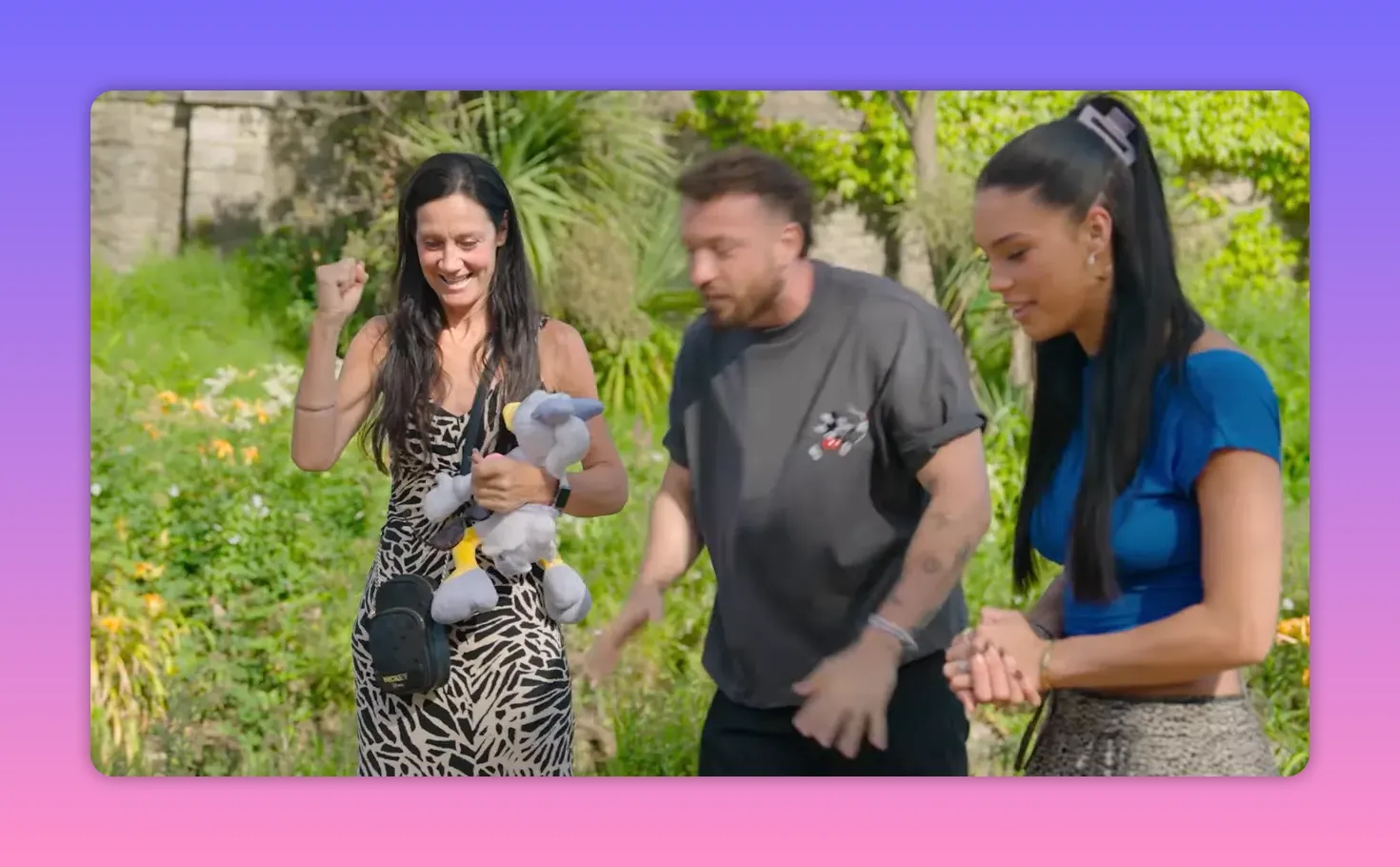
There is a magic to seeing a team work in perfect sync. When both people guess correctly in the Small World round or release the character simultaneously during Let It Go, the joy is immediate and contagious. Shared victory creates a memory that outlasts the prize itself. Those snaps of triumphant cheering, shocked faces, and triumphant hugs are what make this format a hit at any gathering.
How to Host an Event That Keeps People Smiling

Great hosting is the difference between a quirky game and an unforgettable experience. Here are practical tips for keeping energy high and lines moving:
- Keep the banter fun and light. The host should fuel the play with quick jokes and encouraging remarks rather than domineering commentary.
- Be mindful of pace. Keep rounds short and transitions smooth so the audience never gets bored.
- Celebrate loudly. When someone wins, make it a party moment: cheering, clapping, and an upbeat handoff to prizes.
- Have backup props on hand. Replacing missing or messy items quickly prevents delays.
When participants feel safe, supported, and celebrated, good things happen: people try harder, laugh louder, and stay longer.
Making the Most of Prizes and Rewards
Prizes are not just about value. They are about symbolism. A small toy or themed keepsake becomes the physical reminder of a shared moment. Presenting prizes in a visually fun way — a cart, a colorful box, or even a decorated truck — magnifies the triumph.
Consider these reward ideas:
- Mini plush toys and stickers for little ones.
- Gift cards or “choose a prize” tokens for mixed-age events.
- Photo opportunities with a themed backdrop to turn a win into a social media moment (if participants are comfortable).

Safety and Accessibility Considerations
Play should be inclusive and safe. Keep these points in mind when planning:
- Substitute peanut butter if allergies are present. Use safe alternatives like jam, cream cheese, or a non-food craft prop to build a sandwich.
- Use dull spreader knives that are safe for children rather than sharp metal knives.
- Provide an opt-out for anyone uncomfortable with blindfolding or physical contact and offer alternative roles like timekeeper or judge.
- Make sure the floor is clear of tripping hazards and that the play area is well lit for people not participating.
Why Families Love This Format
Games like these bridge generations. Parents and children compete on equal footing, which flattens hierarchies and opens space for playful role reversal. When a mom and daughter go head-to-head and then embrace over a silly mistake, the moment becomes a shared story they’ll recount at future holidays. That is the true currency of a good family game: stories, laughter, and the rare moment where everyone feels included.
Final Thoughts: Keep It Simple, Keep It Fun
Simple rules, a fast pace, and warm, funny hosting are the ingredients of a game that becomes a highlight rather than a time-filler. The three challenges — sticky sandwich, small world, and let it go — succeed because they combine low-stakes tasks with high-emotion outcomes. They are easy to reproduce and endlessly adaptable, which makes them perfect for family nights, birthday parties, and community events.
Whether you want to practice communication, test instincts, or just have a laugh, this format delivers. And when you add a prize cart or a themed backdrop, you turn those short seconds of competition into memories that last much longer than the clock allows.
Frequently Asked Questions
How many challenges are included and how long does each round last?
There are three challenges. The sandwich round is typically one minute, the tactile guessing round is thirty seconds per team, and the Let It Go round is resolved within a few seconds through a simple countdown.
What materials do I need to run the games?
You will need blindfolds, a timer, sandwich-making supplies (or safe non-food alternatives), a set of small Disney or themed plush figures, plates, spreaders, sanitizing wipes, and small prizes to award winning teams.
How do you handle food allergies in the sandwich challenge?
Substitute allergen-free spreads or use a craft prop version of a sandwich with safe materials like foam bread and a mock spread. Alternatively, replace the food task with a non-food dexterity challenge to ensure everyone can participate safely.
Can this be adapted for very young children?
Yes. Extend time limits, use larger or softer props, and simplify tasks. Replace knives with blunt spreaders or use stacking block tasks in place of sandwich-making for toddlers.
What’s a good prize structure for small events?
Small themed toys, stickers, or token certificates work well. For larger groups, offer tiered prizes or a ‘choose a prize’ cart so winners get to pick. The presentation matters as much as the prize itself.
How do you keep games moving at larger events?
Run parallel stations, keep transitions firm, and have extra props ready. Limit each round’s time strictly and rotate teams quickly to maintain energy and avoid bottlenecks.
Are these activities suitable for team-building in corporate settings?
Yes. The communication and trust elements translate well to team-building. Use them as icebreakers or communication exercises, and follow each round with a short debrief about what improved coordination.
How can I make the games more accessible for participants with visual impairments?
Use auditory clues and descriptive instructions instead of removing sight. For example, describe textures and shapes or use sound-making props. Ensure all participants agree on the adaptations before starting.
Final Checklist for Hosts
- Gather all props and test antique pieces for distinct tactile cues.
- Set up a clear, safe play area and a prize display.
- Brief participants on rules and safety, including allergy precautions.
- Keep a stopwatch handy and have a friendly host to keep energy up.
- Celebrate every attempt — winners and near misses alike — to preserve a fun atmosphere.

With those pieces in place you’ll be ready to create moments that people will laugh about for years. A little Disney charm, a few simple props, and a family ready to have fun: that’s all it takes to turn ordinary minutes into magic.