


Why playful challenges make the best holiday memories
There is a particular kind of energy that fills a room when people are asked to do something silly together. Whether it is a blindfolded mimic game, a race to get clothes back onto a mannequin, or a moment of synchronous decision making with a giant Olaf, those tiny, ridiculous challenges unlock a blend of competition and laughter that feels like magic.
These lighthearted contests are more than just entertainment. They are a quick study in teamwork, communication, leadership under pressure, and trust. They give people permission to be ridiculous with one another, and that permission is often the thing that turns acquaintances into friends and a good party into an unforgettable one.
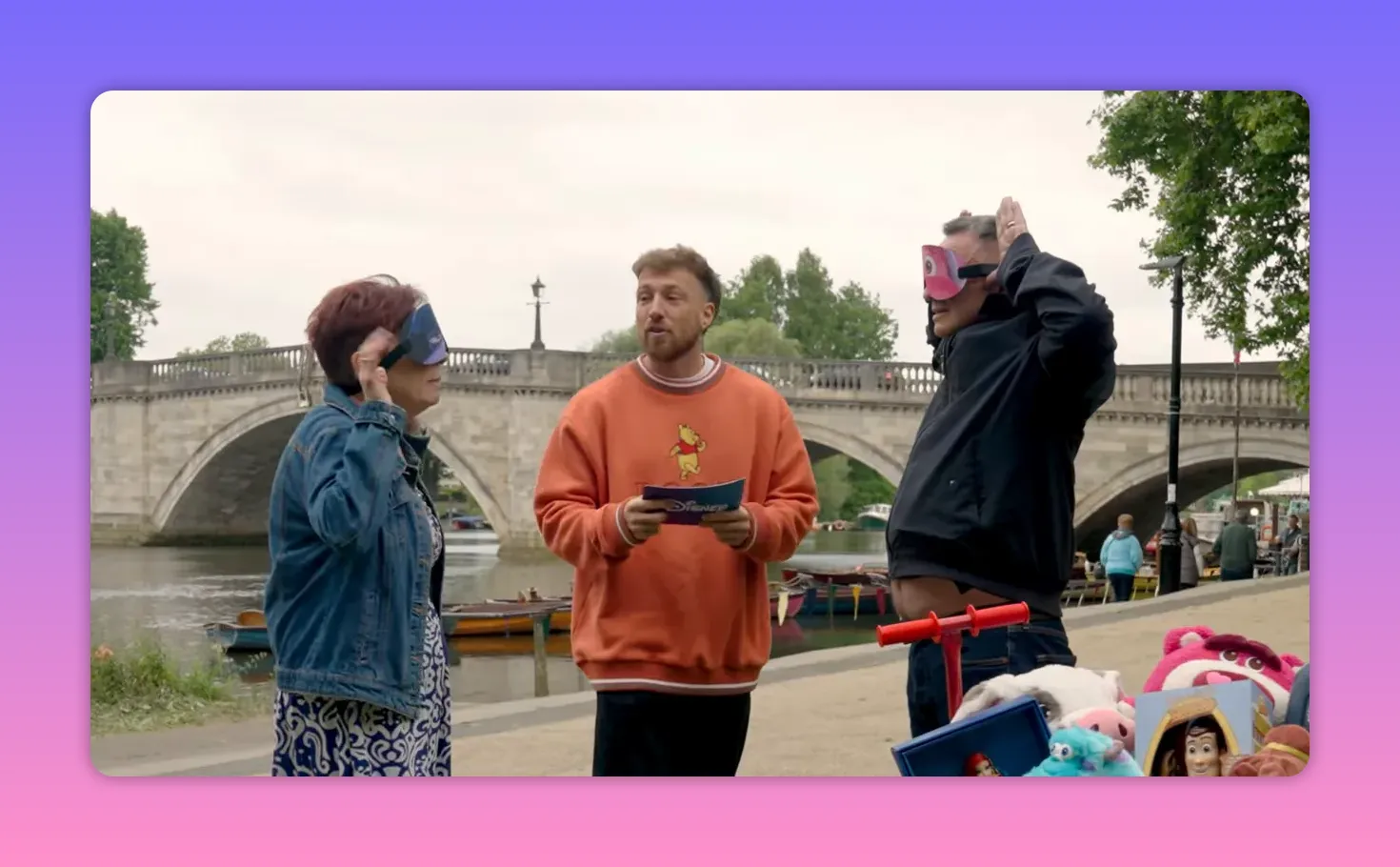
What the setup looks like
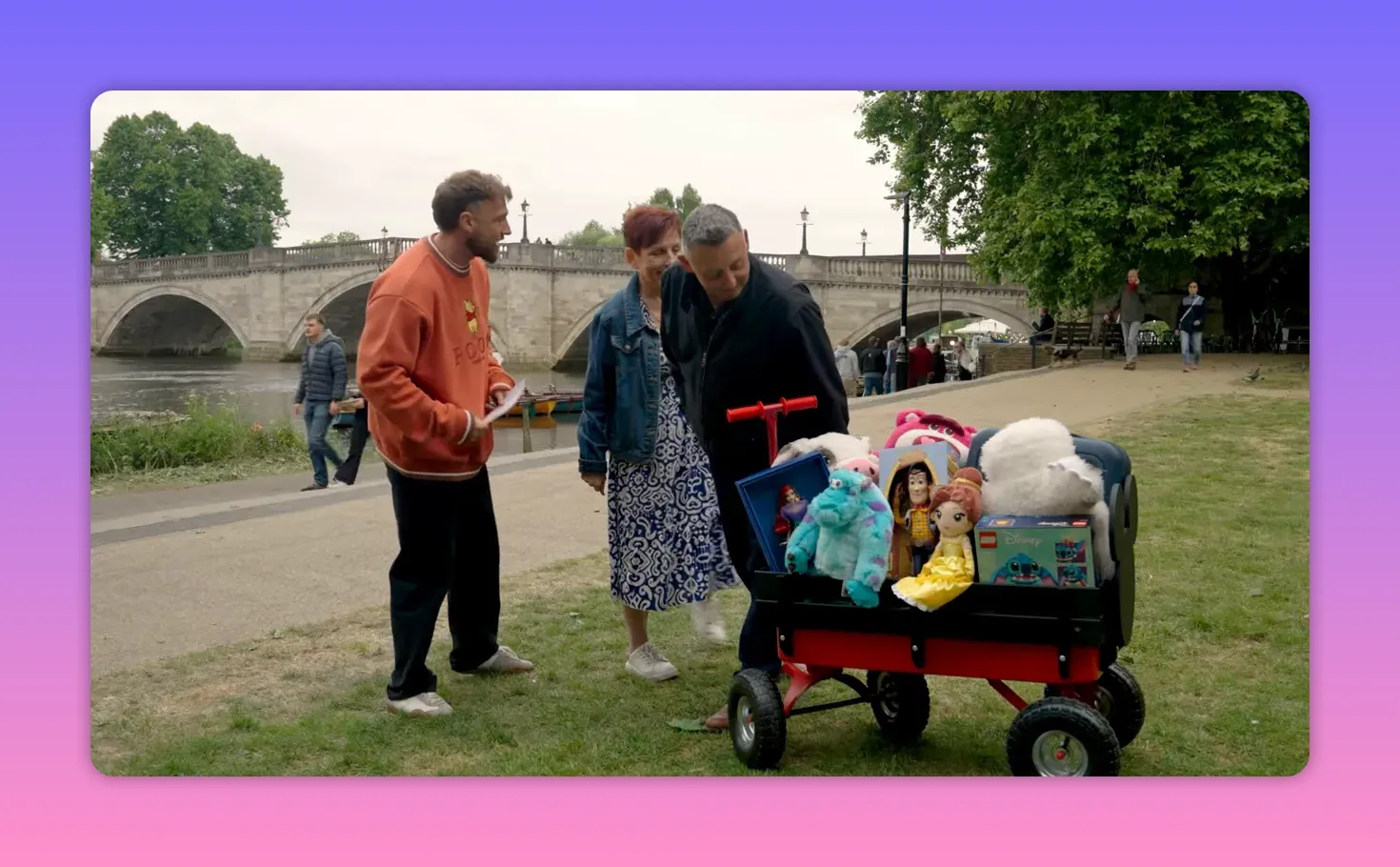
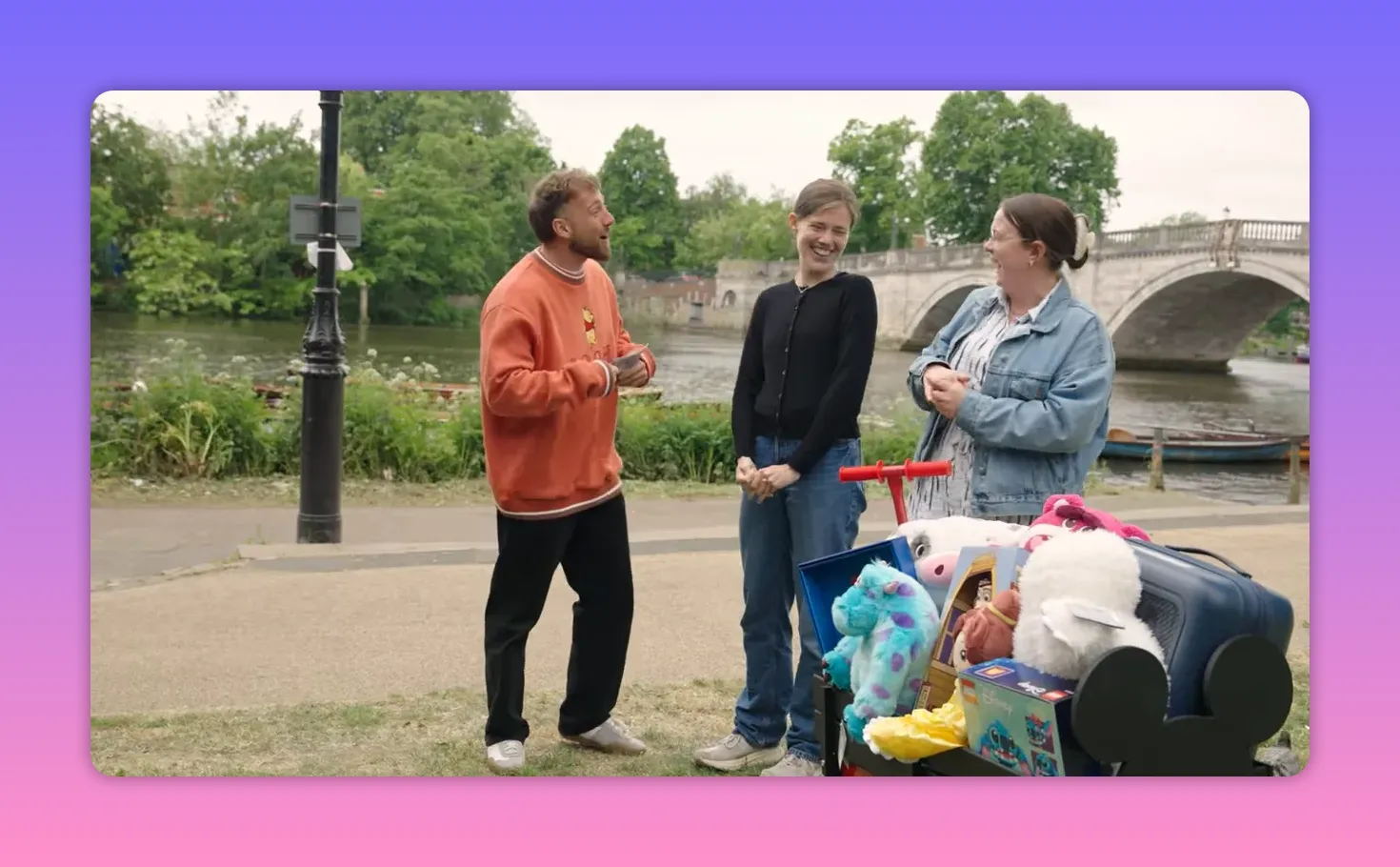
Imagine a compact stage in Southwest London, a cart full of tempting Disney-themed prizes, and a host whose enthusiasm is absolutely contagious. Pairs are invited up to take on three themed challenges. If they succeed at all three, they earn the right to pick one prize from the cart — prizes ranging from a LEGO set to a practical suitcase, or collectible Funko Pops if the pair misses the top prize. The structure is simple, the time limit is tight, and the stakes (bragging rights plus a shiny prize) are just high enough to make nerves and laughter collide.
Every solid game like this follows the same basic recipe:
- Clear rules — Each team must understand the objective and the win condition before the clock starts.
- Short time limits — One-minute rounds keep the momentum high and mistakes hilarious rather than frustrating.
- Tangential rewards — Prizes matter, but they are just part of the show; the real reward is the shared experience.
I Want to Be Like You: A blindfolded mimic challenge
The first challenge is called I Want to Be Like You. Two teammates are blindfolded while the host names Disney characters. Each player must respond with an action that best represents the character. If both teammates perform the exact same action at the same time, they score a point. Score three points in one minute and you pass.
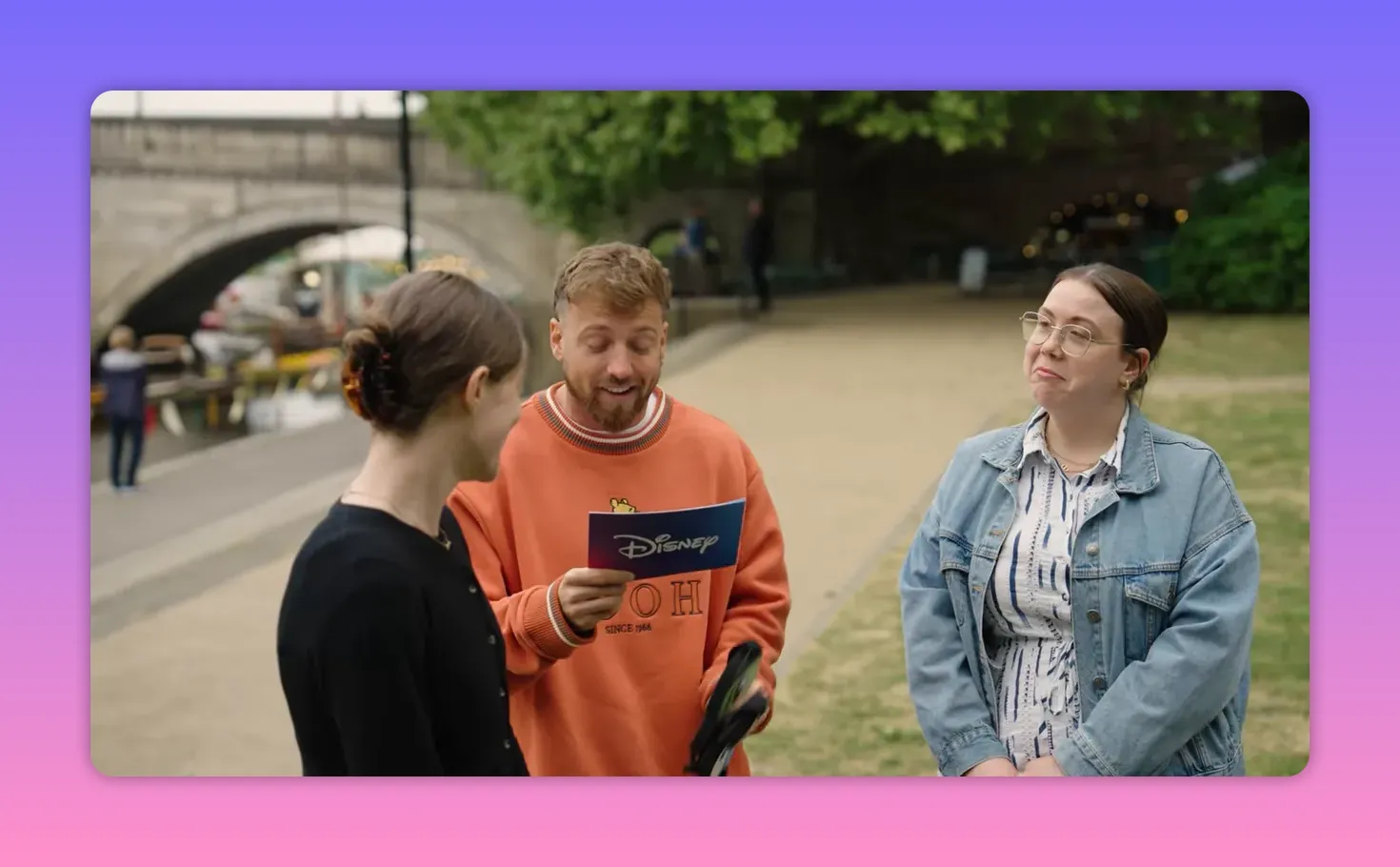
At first glance this looks like a test of memory or pop-culture knowledge, but it is actually a test of shared mental models. Here are the skills that give teams an edge:
- Shared reference points — Teams that have similar frames of reference for Disney characters (classic poses, signature gestures) find it easier to sync.
- Quick signaling — A subtle inhale, the way you lean, or an agreed-upon nod before the game starts can be enough to coordinate a response without seeing one another.
- Risk tolerance — Choosing a clear and obvious gesture over an elaborate interpretation reduces ambiguity.

Examples and tactics:
- Sleeping Beauty: A slow hand to the forehead or a theatrical collapse can both work. Keep it unambiguous.
- Sully (Monsters, Inc.): A big, friendly roar or a toothy smile will speak louder than a subtle movement.
- Buzz Lightyear: A straight-arm salute or a pretend jet-propulsion pose is unmistakable.
- Winnie the Pooh: Mimic eating honey or a contented belly pat — simple, iconic, and extremely matchable.
A great line from the game: “I don’t know how you’re doing this. Any move.” It captures what makes the challenge fun — the astonishment when teammates somehow mirror each other perfectly. When teams do mid-round check-ins, they undermine the blindfold element. The trick is to establish conventions before the round while keeping the actions broad enough to avoid overthinking.
Quick host tips for this challenge
- Allow one or two practice prompts so teams can agree on shorthand cues.
- Use classic, well-known characters first to build momentum.
- Reward creativity but favor clarity when scoring to keep the pace brisk.
Inside Out: Turning clothes inside out under pressure
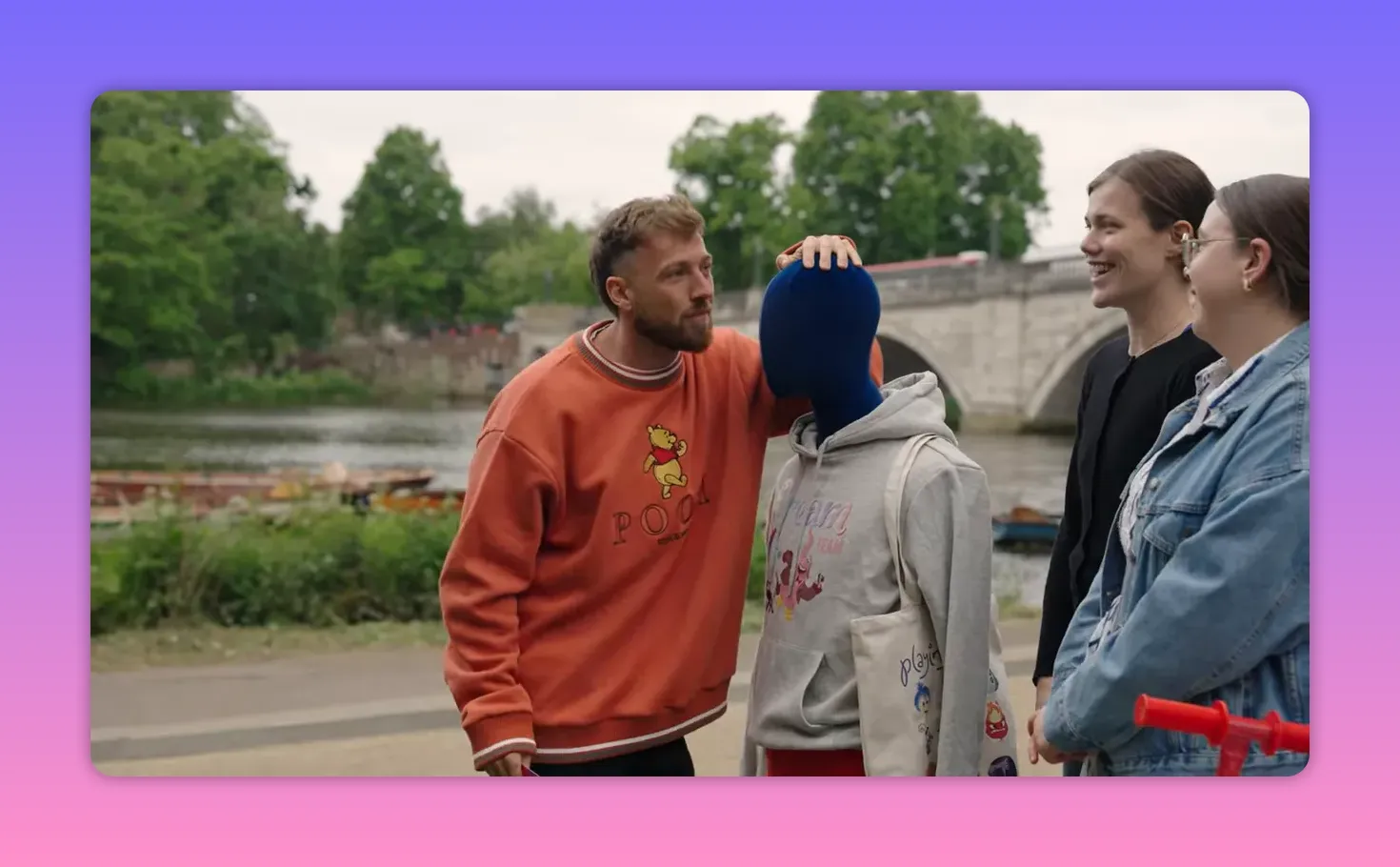
The second challenge translates a movie title into physical action. One minute to work together, turn several garments inside out, and get them back onto a mannequin. There is a tactile, almost retail-like precision required — sleeves, seams, and a wobbly mannequin add layers of difficulty.
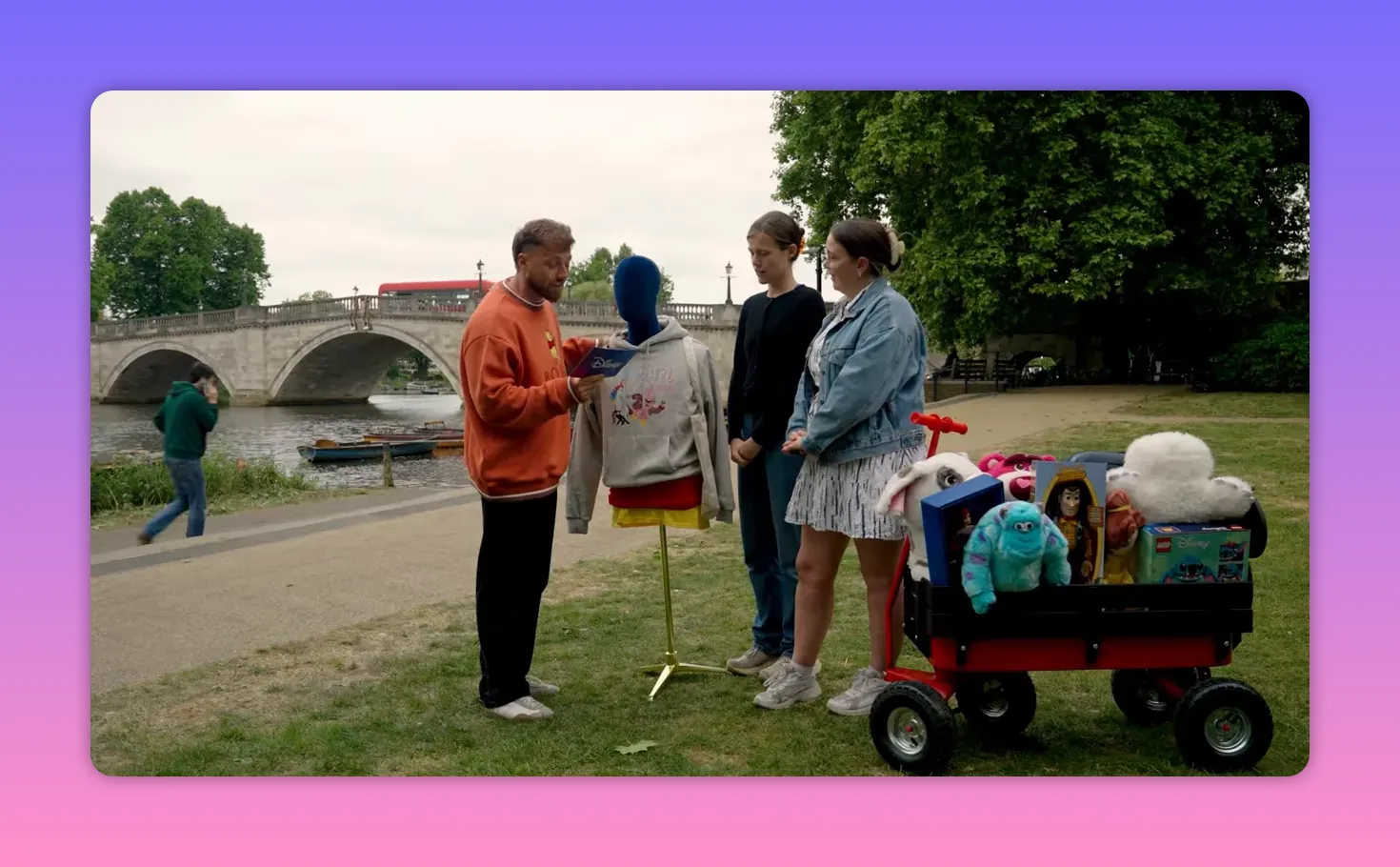
This challenge tests coordination in a different way. Instead of synchrony of thought, teams must coordinate sequence and physical motion. It rewards efficient division of labor and the ability to adapt on the fly.
What makes teams succeed here
- Immediate role assignment — One person can focus on sleeves and collars while the other handles body and hems.
- Verbal economy — Short, actionable commands like “sleeves” or “zip” beat long explanations.
- Touch tolerance — Teams comfortable working close together and physically handling the clothes move faster.
A useful technique is to mentally map the garment before touching it: identify the obvious obstacles (buttoned cuffs, zippers, hats) and prioritize the easiest flips first. For the mannequin, steady it with one hand and dress it with the other; minimize transfers and extra handling. A line from the round summed it up in a friendly bossy moment: “AMY, MOVE.” Quick leadership is not rude in a one-minute race — it is effective.
Variations to try
- Make it relay-style: one teammate flips, the other dresses the mannequin.
- Include a misdirection item like a bag or scarf to up the difficulty.
- Time penalty for improperly aligned seams or inside-out pockets to encourage careful speed.
The Olaf test: Telepathic teamwork or guesswork?
The final challenge is a delightful blend of timing and psychology. Each player holds one of Olaf’s arms. On a countdown the host calls out Let it go. Players must either hold or release simultaneously. If both do the same, they win; if not, they lose.
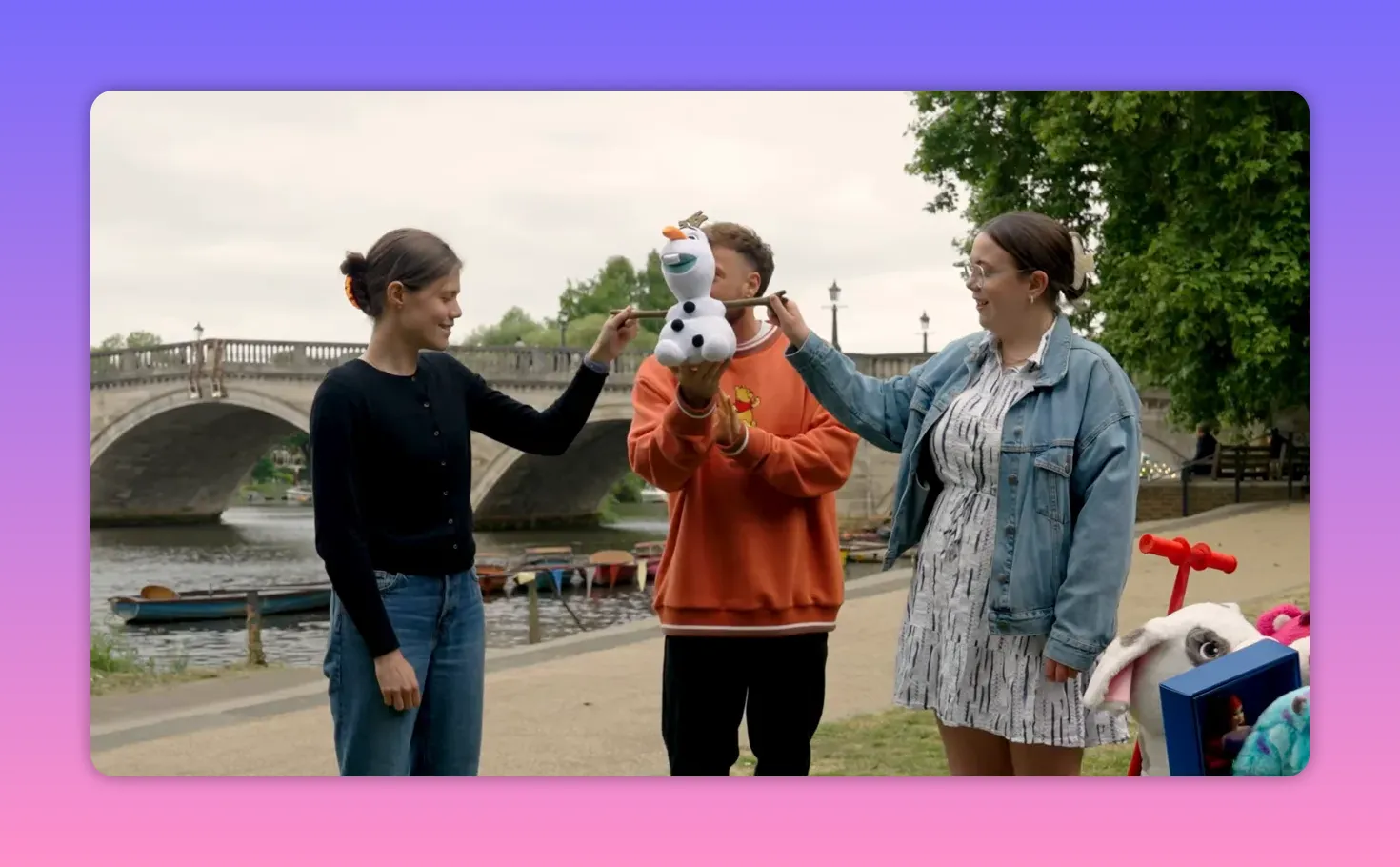
At its core, this is a synchronization task that relies on intuition rather than prearranged signals. It forces teammates into a single, immediate choice. Because the choice must be made quickly and without communication, the round surfaces how well teammates anticipate each other under pressure.
What this challenge reveals
- Patterns of risk — Are teammates conservative (hold) or impulsive (release)?
- Decision speed — Do they react to the countdown or wait for the final word? Cheat cues like the host’s tone can influence the moment of action.
- Emotional contagion — Nervous laughter or a calming phrase can swing a team from mismatch to match.
A memorable exchange from the session: “He genuinely said let it go. So I’m just going to drop it.” The humor comes from literal interpretation and the way words from beloved songs can become instructions. That literalness is a strength in this game; it removes ambiguity and makes choices crisp.
Designing your own Disney-themed challenge day

Creating an event like this at home, at a corporate party, or for a school fundraiser is easier than it looks. The secret is to blend clear rules, iconic references, and short rounds with prizes that feel magical. Here is a checklist to run your own mini-competition with a festive Disney twist.
- Pick three distinct challenge types — One mental/sync game, one physical task, and one binary-choice task create a balanced rhythm.
- Use iconic, widely known characters — Classical Disney and Pixar characters work best; they carry strong visual shorthand for gestures and behaviors.
- Set strict time limits — One minute per round keeps the energy high and ensures many teams can play.
- Keep rules visible — Post a short list of rules for each round or read them clearly at the start.
- Offer tiered rewards — Have a selection of prizes visible so participants are motivated; include small consolation prizes to reward effort and enthusiasm.
- Capture the moment — Photos and short clips preserve the laughs for social sharing and future nostalgia.
Prize ideas that feel whimsical and worthwhile
- Collectible Funko Pops: small, desirable, and perfect as consolation prizes.
- A themed LEGO set: a higher-value prize that appeals to builders of all ages.
- A practical suitcase with a Disney aesthetic: practical, shiny, and obviously useful for travel.
- Magical Mystery Boxes: curated mystery bundles from an official store add sparkle and surprise.
In a recent event, two participants walked away with Funko Pops even though they didn’t win the top prize. That small victory is crucial; it keeps the mood buoyant and encourages others to join next time.
How to keep fairness and accessibility front and center
When organizing public or corporate challenges, a few thoughtful rules will make the experience inclusive and fun for everyone.
- Accessibility accommodations — Offer alternative rules or roles for participants with limited mobility or sensory differences. For example, verbal description tasks instead of tactile ones.
- Clear scoring — Use visible scoreboards and consistent adjudication so no one feels the result was arbitrary.
- Consent for physical contact — Whenever props or touch are involved, confirm comfort before hands-on elements begin.
- Age-appropriate options — Have gentler variations for younger players and higher-difficulty versions for enthusiasts.
Small changes that yield big entertainment
Minor edits to a challenge can amplify fun without requiring major resources. For example:
- Swap blindfolds for noise-cancelling headphones in mimic games to create a different sensory challenge.
- Make the mannequin wobbly or add a mild distraction like a fan for the clothes challenge to raise the stakes and the laughs.
- Use a countdown with varying cadence in the binary-choice round to test reflexes and mislead players in a playful way.
Leading with personality: hosting tips that land
Hosts set the tone. Enthusiasm matters, but so does clarity. A few principles ensure the host amplifies rather than dominates the event:
- Be conversational — Speak like a friend giving directions rather than a referee reading rules. Lines like “I now definitely want to be coming with you” make the moment human and funny.
- Encourage and console — Celebrate attempts. For instance, a losing team can still be applauded and given a consolation prize.
- Use humour thoughtfully — Jokes about mistakes (e.g., literal interpretations of song lines) can defuse tension and create memorable moments.
- Keep the pace brisk — Quick transitions keep audience energy up and make the event feel dynamic.
What participants learn about teamwork in sixty seconds
Each one-minute challenge is a micro-lab for testing and reinforcing useful interpersonal skills. Across the three rounds, participants repeatedly practice:
- Rapid role negotiation — Who takes charge? Who performs the detail work?
- Trust under constraint — Blindfolded coordination or quick choices foster trust-building.
- Adaptive leadership — Leadership can be momentary and situational, and quick instruction like “AMY, MOVE” can save a round.
- Emotional regulation — Laughter and brief frustration are part of the process; handling both gracefully makes teams stronger.
Participants often leave feeling pleasantly surprised by what they accomplished together in such a short time. That sense of achievement — not just the prize — is the engine behind repeat participation and long-term engagement.
How to judge and score consistently
Fair play is essential. Judges should be prepped with a concise rubric to minimize subjective calls during fun, fast-paced rounds. Here is a simple scoring guideline:
- Designate one head judge and two assistant judges to make split calls if needed.
- For mimic rounds, award points for an action that is clearly representative and matches the partner’s action.
- For physical tasks, deduct for improperly completed steps only if they clearly impede the objective.
- For binary-choice synchronizations, require both players to exhibit the same action at the moment the command is completed.
- Record ties and have a preplanned tiebreaker such as a sudden-death one-question round or a mini physical stunt.
Making the competition feel official — and special

Details matter. Branding, lighting, a decorated prize cart, and a well-timed soundtrack transform a simple set of games into a memorable event. If hosting this for a holiday or marketing campaign, coordinate these elements carefully:
- Use thematic props consistent with the Disney universe to create visual cohesion.
- Choose background music that matches the energy of the round — playful for mimic games, up-tempo for races, whimsical for binary-choice rounds.
- Keep prizes visible so they become part of the motivation and the visual appeal.
Competition mechanics and prize details you should know
For organized competitions, clarify eligibility and entry mechanics up front. A well-run campaign often includes:
- Clear entry deadlines and eligibility restrictions
- A promise from official accounts only to contact winners directly
- Transparency about prizes and how winners will be notified
For example, a campaign might offer five Magical Mystery Boxes valued at £50 each through a nationwide promotion. It is good practice to reiterate that winners should never be asked for bank details or sensitive information and to report any suspicious messages claiming to be a contest organizer.
After the event: capitalizing on momentum
An event is only as long-lived as the memories it creates. Post-event strategies can help preserve the warm glow and extend the impact:
- Share highlight reels and photos — Short, shareable content keeps the laughter alive.
- Collect testimonials — Quick participant quotes are gold for promoting future events.
- Offer follow-up or repeat opportunities — Seasonal or weekly mini-challenges can keep people engaged over time.
It is amazing how a couple of minutes of shared silliness can turn into a long-term community. People remember how they felt, and feelings are the currency of repeat engagement.
Sample schedule for a two-hour Disney Challenge event
Here is a practical template for running a small community or corporate event that includes multiple rounds and sufficient time for prizes, breaks, and socializing.
- 00:00–00:10 Arrival and registration, prize cart on display
- 00:10–00:20 Welcome, rules explanation, short warm-up game
- 00:20–01:20 First heat of pairs (three rounds per pair)
- 01:20–01:30 Break and refreshment
- 01:30–02:30 Second heat and semi-finals
- 02:30–02:45 Final rounds and prize presentations
- 02:45–03:00 Wrap-up, photo opportunities, and next-event sign-ups
Common pitfalls and how to avoid them
Even the most joyous events can hit snags. Here are frequent problems and quick fixes:
- Pitfall: Ambiguous rules that lead to disputes. Fix: Use one-sentence rules and run a single example round.
- Pitfall: Participants overhear strategy and coordinate with others. Fix: Keep waiting areas separate and introduce a mild barrier like a curtain.
- Pitfall: Props break or malfunction. Fix: Have backups and reusable alternatives on hand.
- Pitfall: Unequal match-ups. Fix: Seed teams or randomize pairings to keep contests fair.
Final thoughts on making magic with simple games
Great holiday programming is less about spectacle and more about design that encourages people to interact. With three well-chosen challenges — synchrony, dexterity, and split-second decision-making — you can create an evening of laughter and connection. The prizes are the icing on the cake; the real dessert is watching strangers become teammates and teammates become friends.

And while rules, timing, and props can be refined endlessly, the irreducible core of success is simple: clear structure, genuine enthusiasm, and the willingness to be a little silly. Those three ingredients are the golden ticket to a memorable competition night.
Frequently asked questions
What types of prizes work well for these challenges?
Prizes that balance desirability and accessibility perform best. Small collectibles like Funko Pops are perfect consolation prizes. Mid-tier prizes like LEGO sets or themed mystery boxes create aspiration. Practical but branded items like a suitcase or a travel accessory can be grand prizes. Keep one or two high-value items visible to raise excitement.
How long should each challenge round last?
Short time limits work best. One minute per round keeps energy high and ensures many teams can participate. If a challenge requires more complex tasks, extend to 90 seconds, but keep most rounds concise to maintain momentum.
How should teams be formed for fairness?
Randomized pairings are simple and promote inclusivity. For competitive events, seed teams by experience to balance advanced players with beginners. Allow participants to opt into different difficulty levels if you expect wide skill variance.
What accessibility considerations are important?
Offer alternative challenge roles for those uncomfortable with touch or loud noises. Ensure physical tasks have seated or modified versions. Clearly state any physical requirements when signing people up and have staff available to assist.
How do I prevent disputes over scoring?
Provide a simple rubric before play starts and have at least two judges for quick second opinions. For mimic challenges, require a clear, demonstrable match. For physical tasks, state what constitutes completion. Keep a visible scoreboard to minimize confusion.
Can I adapt these challenges for online or hybrid events?
Yes. For remote play, replace tactile components with visual or verbal tasks. For example, mimic challenges translate well to video calls. The clothes-on-mannequin challenge can be turned into a timed wardrobe puzzle where participants describe how to assemble an outfit. Use breakout rooms for head-to-head pairs.
How can I scale the event for large audiences?
Use multiple simultaneous stations with synchronized start times. Rotate teams through different stations to keep lines moving. For finals, bring top teams to a main stage. Staffing and clearly marked instructions are essential at each station to maintain flow.
Parting note
Running a themed competition is a chance to combine play, creativity, and community. Whether aiming for a corporate team-building session, a charity fundraiser, or a festive neighborhood party, the same mechanics apply: set clear rules, prioritize inclusion, and create moments that invite laughter. The result is often surprising — a room full of people feeling a little braver, a little closer, and a whole lot happier.


