

“The Running Man is the deadliest reality show known to man.” That line is not hyperbole in this near-future thriller. It is a promise and a warning: a televised bloodsport where desperation meets spectacle, and one ordinary man becomes a symbol of resistance against a media machine that has more influence than the state.
The premise in plain terms
In a society obsessed with instant gratification and ratings, The Running Man stands above every other show. Contestants, called Runners, are hunted by professional assassins and pursued by an audience trained to crave violence. Each day survived brings larger cash rewards. The show’s survival rate is, chillingly, zero.
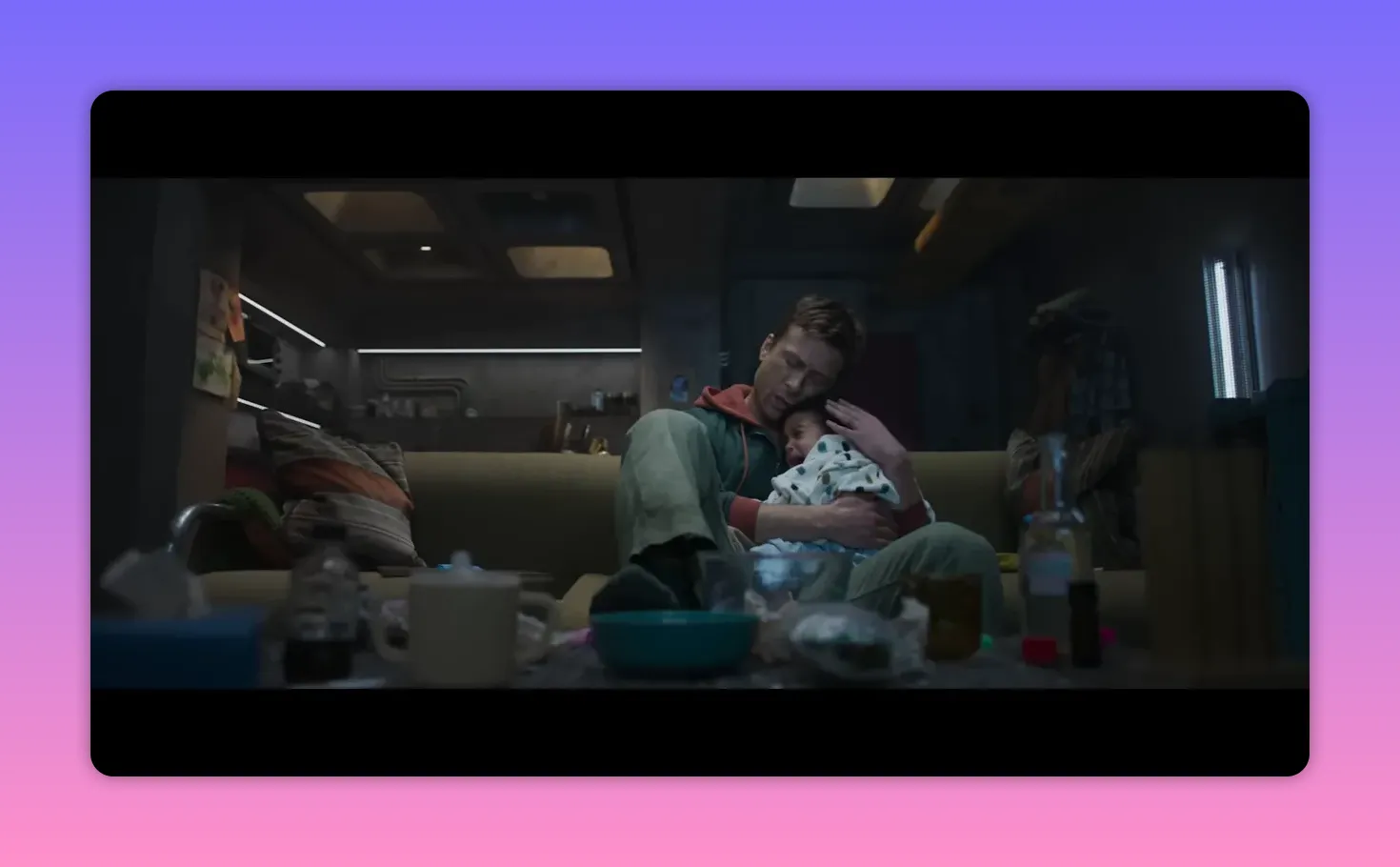
Ben Richards is the central figure. A working class father with a sick daughter, he signs up because he has nowhere else to turn. He is promised a chance to save his family and told plainly, “You have what it takes to win this game.” If he fails, his death will be broadcast live.
How the game works and what makes it dangerous
- Thirty days of survival while being hunted by elite Hunters.
- Public participation — any member of the public can report a Runner, turning society into an extension of the game’s enforcement.
- High production value and manipulation — the network controls the narrative, the visuals, and even public sentiment.
- Execution as spectacle — losing is not just death; it is a public event.
The show is designed to produce maximum empathy and cruelty at once. Runners are humanized enough to make audiences invested and dehumanized enough to justify the violence. The result is a system that feeds on desperation and turns survival into entertainment.

Characters who matter
Ben Richards — The moral center. He is desperate and resourceful, a father forced to perform heroics because the world offers him no other help. His instincts and grit transform him from a contestant into an unexpected threat.
Dan Killian — The charming but ruthless producer who represents the network’s appetite for power. Killian is the smiling face of a machine that believes ratings are the highest law. He recruits Ben with a line that feels like fate: he sees the perfect contestant and pushes him into a game that is rigged against him.

The network as antagonist
This story is not just about one man surviving hunters. It is a critique of a media system that has more sway than the government itself. The network building behind The Running Man exerts influence over law, public opinion, and even the machinery of death. The show is the tool and the end result. When entertainment becomes the primary metric of truth and power, society bends to the will of spectacle.
“The network owns the Running Man, and they have more sway and influence than the government itself.”
The emotional stakes

Ben’s motivation is not fame or glory. It is a daughter’s life. That makes every decision visceral. The show forces a moral calculus: what would you risk for someone you love? When the protagonist’s reason for entering is relatable and pure, his struggle becomes a human story nested inside a dystopian critique.

The themes that stick with you
- Media addiction and voyeurism — the public does not passively consume; it participates in violence.
- Systemic corruption — institutions that prioritize ratings over rights become authoritarian in practice.
- Class and desperation — economic precarity pushes people into impossible choices.
- Heroism as threat — individual defiance destabilizes the system because the system depends on predictable victims.
Ben’s rise from vulnerable contestant to unpredictable symbol is the story’s engine. As ratings climb, so does the danger, and the narrative raises the stakes beyond a single survival contest to a confrontation with what entertainment can become when it is unmoored from ethics.
Visual and tonal choices that amplify the message
Expect a visual language that oscillates between slick showbiz and raw, on-the-ground survival. The producers of the show within the story stage executions and manipulate camera angles to craft a story arc. Meanwhile, the hunted sequences are intimate and urgent, showcasing how the same camera that applauds violence can also humanize the hunted.
The contrast between the glossy control room and the gritty reality outside emphasizes the gap between image and truth. That gap is where the film finds both its tension and its critique.
Why this story matters now
The Running Man may be set in a near future, but its warnings are contemporary. In an era of algorithmic amplification, reality television, and performative outrage, the film forces a question: what happens when entertainment and power fuse without restraint? When public attention is currency, who benefits and who pays the price?
Ben Richards’ fight is both personal and political. It is a reminder that human stories can pierce manufactured narratives, and when empathy disrupts efficiency, systems built on spectacle start to crumble.
Key quotes to remember
- “The Running Man is the deadliest reality show known to man.”
- “You have what it takes to win this game.”
- “The show has a survival rate of zero.”
- “This game is rigged.”
Takeaways for storytellers and audiences
- Stories that pair personal stakes with systemic critique are powerful. The intimacy of a father’s love makes the political argument visceral.
- Visual contrast reinforces theme. Use controlled, glossy aesthetics to embody institutional power and raw, handheld imagery to convey human truth.
- Antagonists who believe they are doing good for the public are scarier than one-dimensional villains. The network thinks it is serving viewers, which makes its cruelty feel rational and real.
What is the basic premise of The Running Man?
The Running Man is a thirty-day survival game where contestants, called Runners, are hunted by professional assassins while the public watches and may even participate. Contestants can win escalating cash rewards, but the show is engineered to make survival nearly impossible.
Who are the main characters and who plays them?
Ben Richards, a desperate father and the film’s protagonist, is played by Glen Powell. Dan Killian, the network executive and producer who recruits Ben, is played by Josh Brolin. Their conflict drives the film’s moral and dramatic tension.
Is the film a commentary on modern media?

Yes. The Running Man critiques the commodification of violence, the power of networks to shape reality, and how public attention can be weaponized. It explores what happens when entertainment supersedes ethics and when institutions prioritize ratings over human life.
When is the film released?
The Running Man opens in theaters on November 14, 2025.


