

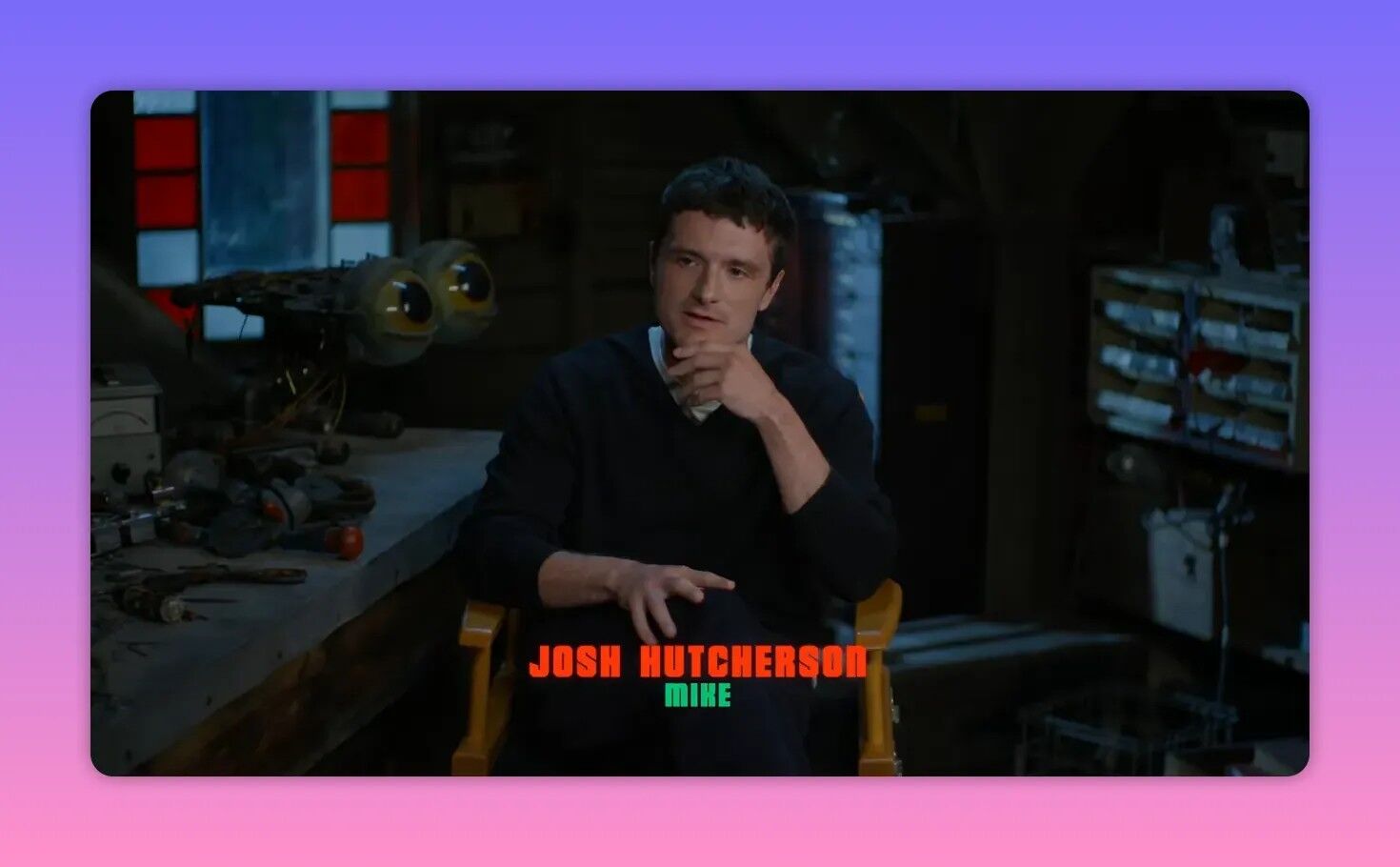
There is a rare kind of sequel that does more than continue a story. It enlarges the geography of a fictional world, introduces new characters who feel essential, and deepens the mystery in ways that change everything fans thought they knew. Five Nights at Freddy’s 2 aims to do exactly that. Picking up about a year to a year and a half after the first film, the story follows Mike as he attempts to rebuild a normal life for himself and his younger sister, Abby. But normal proves fragile when a town festival and a secret past begin to collide, and what was dismissed as folklore slowly becomes a renewed nightmare.
How this sequel positions itself
This follow-up leans into three clear priorities: more action, more suspense, and more lore. The first film set the tone and introduced the core world of Freddy Fazbear’s Pizza and its haunted legacy. This chapter expands outward. Small-town superstition has become a tourist attraction known as Fazfest. The franchise shrug becomes a cultural event. That cultural shrug creates fertile ground for fresh tension: nostalgia can mask danger, and a community that treats horror as entertainment is a perfect setting for renewed terror.
At its heart, the sequel is about trying to be normal. Mike wants to provide a safe, stable life for Abby. He wants healthy relationships and a routine that does not revolve around fear. That desire for normalcy is a powerful emotional anchor because it makes every disruption worse. When Abby sneaks out to reconnect with familiar robots — Freddy, Bonnie, Chica, and Foxy — the sequence that follows is not just a set of scares. It becomes an exploration of how trauma is transmitted, how memory can be repackaged as kitsch, and how unresolved crimes refuse to stay buried.
Characters and casting — who returns and who raises the stakes
Returning players and new faces combine to give the film both continuity and fresh energy. Mike remains the central figure, driven by guilt and responsibility. Abby is eleven, curious and vulnerable in ways that make her both sympathetic and a trigger for the plot. Vanessa, the police officer from the first story, continues to hold knowledge she cannot fully share, maintaining a thread of investigative urgency.
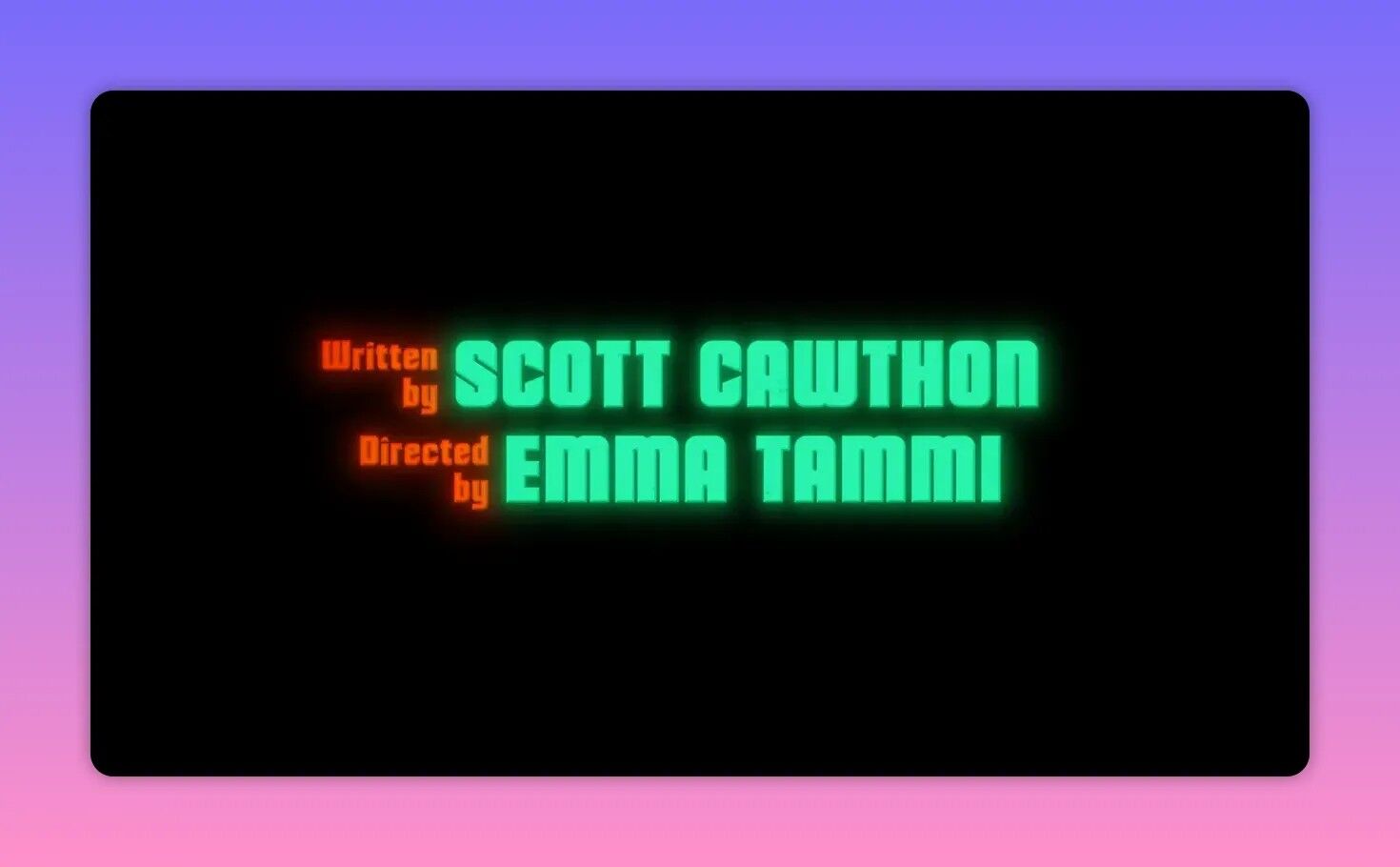
The sequel also adds several interesting players. The film features actors who bring gravitas and genre experience: Wayne Knight, Skeet Ulrich, Mckenna Grace, and Freddy Carter. Matthew Lillard returns, and his presence provides a throughline to the franchise’s original tone. Behind the camera, director Emma Tammi returns and works with Scott Cawthon, the game creator, to ensure that the sequel remains true to the source material while pushing it in bold directions. That combination of talent helps the movie feel both familiar and new.
New animatronics: an entire battery of fresh nightmares
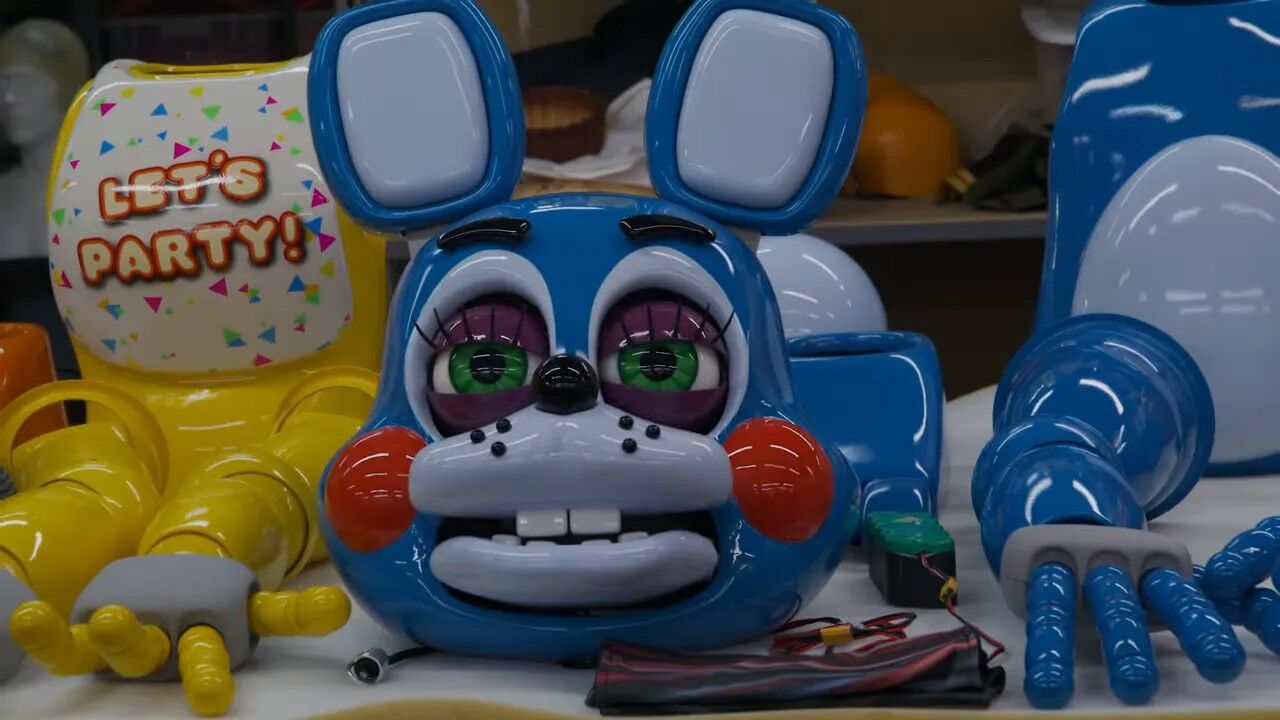
One of the most exciting promises of this installment is the introduction of an entire new battery of animatronics. Fans of the games and the films are natural speculators; new characters generate theorycrafting, merchandising potential, and, most importantly for the film, new ways to frighten an audience.

What makes the addition of new animatronics interesting is not just aesthetics. Each animatronic in this universe carries a history. They are anchors for rumor, repositories for the town’s collective guilt, and vessels for narrative twist. When a fresh lineup appears, the story can play with audience expectations — some robots will be overtly hostile, others will seem benign, and a few may hide deeper secrets tied to the original crimes.
From a filmmaking perspective, introducing multiple new animatronics is a creative challenge. The film must balance screen time to make each one memorable while avoiding the trap of overstuffing. Good sequels use new characters to illuminate older mysteries, not simply to decorate action sequences. Here, the new animatronics are tools to expand the lore: each design choice, each movement pattern, and each piece of audio can reveal history about Freddy’s origins and the deeper horror buried there.
Set design and scale: doubling down on spectacle
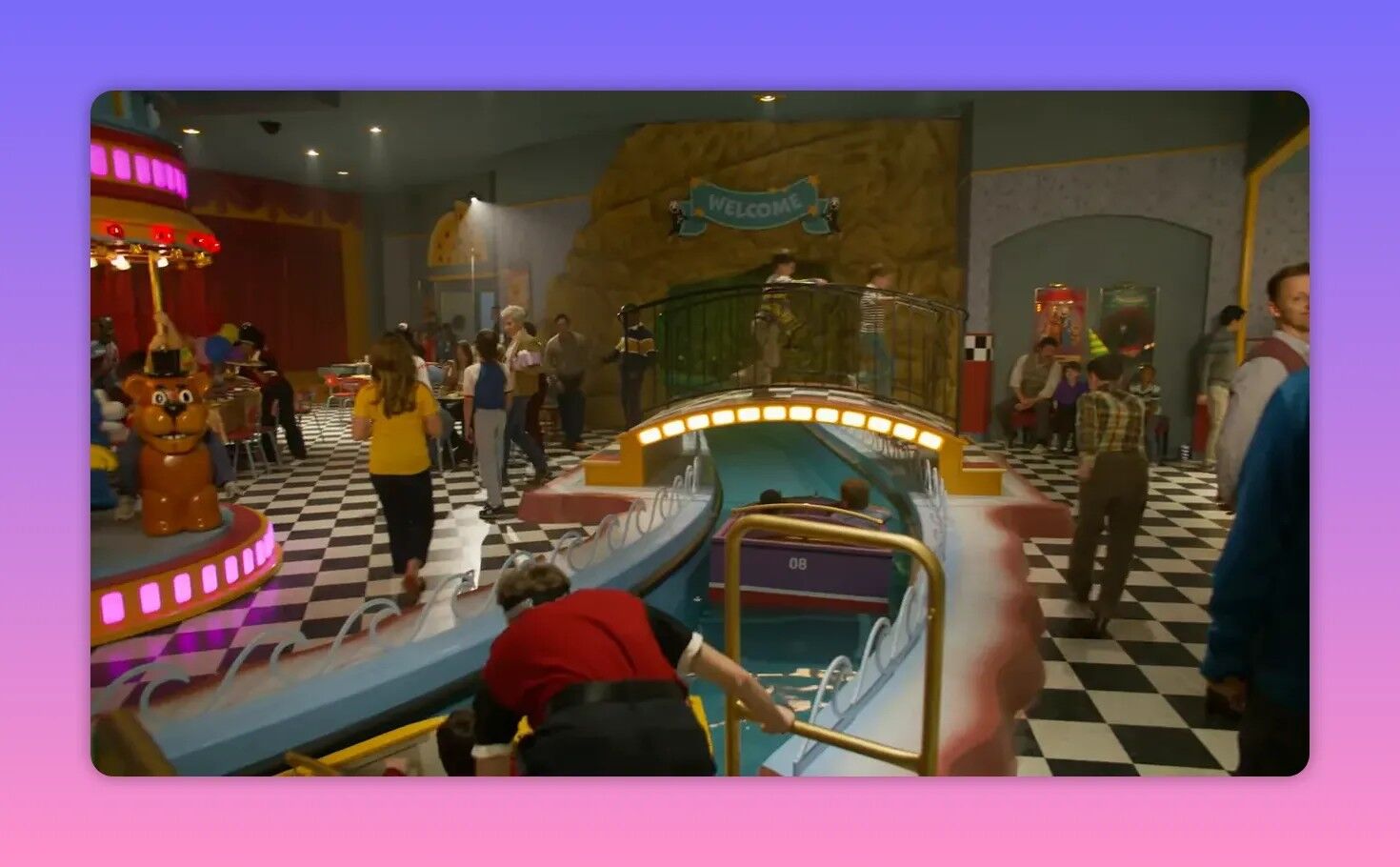
Set design elevates horror in a way dialogue cannot. The sequel reportedly doubled the size of certain set pieces and introduced large-scale elements — a river, a merry-go-round — that transform the environment from a claustrophobic pizza parlor into an immersive locale. That change matters. It allows the filmmakers to create sequences with verticality, movement, and spatial puzzles. A chase through a crowded festival looks and feels different from a stalk through dim hallways.
The idea of a river running through an amusement area, or a large merry-go-round occupying the center of a scene, creates unique opportunities for tension. Water becomes symbolic. Rivers suggest flow, secrets under the surface, and the potential for a body to be hidden from easy view. A merry-go-round is an image of childhood joy corrupted into repetition. These spaces also offer practical advantages: they provide multiple hiding places, reflectors for lighting scares, and dynamic obstacles for both human and animatronic antagonists.
Design choices tell a story. The costumes, the grime, the signage, and the scale of attractions show a town that has commercialized fear. Fazfest is an event that repackages trauma. The way that space looks will directly shape the cinematography and the audience’s emotional response. When set design is this deliberate, even a silent hallway tells a subplot.
Tonal balance: action, suspense, and the slow burn of lore
The sequel promises more action and more suspense. Those are not interchangeable. Action refers to the kinetic set pieces — chases, collisions, and the physical confrontations between humans and machines. Suspense is the quieter skill of building dread: lingering questions, ominous silences, and the patient accumulation of clues that make an eventual reveal feel earned.
Combining these elements with expanded lore is tricky. Too much action can overwhelm the narrative; too much lore can feel like an encyclopedia dump. The strongest horror films find a rhythm between immediate thrills and long-cycle revelations. Use action to escalate stakes in the present. Use lore to reframe what the audience thinks they know. When a “little girl got murdered here” feels like a throwaway urban legend on the surface but then accrues evidence over the course of the film, the emotional payoff lands harder.
“People wanted more action, more suspense, and more like lore.”
That line underscores a conscious creative choice. The movie answers fan demands while also respecting the need for atmosphere. The combination should make the sequel feel bigger not just in spectacle but in depth.
How the film uses nostalgia as a weapon

Nostalgia is double edged. It makes characters and sets familiar and comfortable, which lowers the audience’s guard. But this comfort can be weaponized for horror, because what feels safe is often revealed to be unsafe. Fazfest’s commercialization of Freddy’s is a perfect allegory for nostalgia consumed without critical memory.
Children’s animatronics were designed to entertain; when their original purpose is inverted, the resulting dissonance is profoundly unsettling. The sequel leverages that inversion. Characters seeking the comforts of a childhood icon end up confronting the consequences of a past that was never as simple as a mascot singing onstage.
Plot beats to expect and how they reshape the franchise
The story’s inciting incident is deceptively simple: Abby sneaks out to reconnect with her animatronic friends. That act is both childlike and transgressive. It begins a chain of events that reveals “dark secrets about the true origin of Freddy’s.” The phrase suggests the sequel will move beyond hauntings into origin territory. Where did the malevolence come from? Was it a single human architect, systemic malpractice, or something older and more metaphysical?
Delving into origin means changing the stakes. The first film was primarily reactive: protagonists survived a sudden eruption of horror. The sequel looks to be more investigative and historic. That transition is important for any franchise hoping for longevity. It transforms the story from a single incident into a myth, and myths can be retold, expanded, and inverted in countless ways.
A tighter, lore-driven approach also creates opportunities for character arcs. Mike’s quest for normalcy is now complicated by facts he has kept from Abby. The emotional tension comes from the moral cost of secrecy. If children are shielded from painful truths, how does that shape their agency? And when innocence seeks out a tainted past, what does that reveal about the community that allowed the franchise to be mythologized in the first place?
Behind the scenes: creators, production, and creative intent
Understanding who is behind a film helps decode its priorities. Emma Tammi returns as director, bringing continuity in visual and tonal language. Scott Cawthon remains involved as a writer and creator, ensuring that the adaptational choices remain tethered to the franchise’s core identity. That partnership between the original creator and returning director is a crucial signal: the film intends to respect its roots while exploring new territory.
Producers like Jason Blum and the Blumhouse model also shape the film’s DNA. Blumhouse is known for compact budgets that force creative problem solving and an emphasis on high-concept storytelling. That model favors ideas that scale, and Five Nights at Freddy’s is an idea with enormous built-in recognition. The sequel must justify scale through smarter scares, memorable set pieces, and a willingness to expand the mythology without losing the emotional core.
Visual and sound design: the unsung heroes of fear
Animatronics are half visual design and half sound design. Their mechanical whirs, creaks, and recorded voice snippets are essential to their menace. The film can enhance dread by designing unique audio signatures for new animatronics. In horror, silence and specificity are allies. A new animatronic with a distinct, oddly cheerful chime that becomes associated with violent moments will scar an audience’s memory.

Lighting is another storytelling device. Large-scale festival environments allow for bright, flashing lights that mask danger, and for pockets of shadow where the worst things hide. A river reflects light; a merry-go-round casts spinning shadows. Each element can serve as a visual metaphor for themes like cyclical trauma and the elusiveness of truth.
Expectations from fans and the broader cultural moment
The first film became the highest grossing horror title of its release year, which creates expectations. Fans want fresh animatronics and lore that respects the game series. Casual audiences want coherent scares and a story they can emotionally invest in without prior knowledge of the games. The sequel’s job is to satisfy both groups.
That means balancing fan service with accessibility. Newcomers should be able to follow the plot, while long-time fans should find new details that reward repeat viewing. Introducing new characters, especially when they have layers tied to the franchise’s past, helps both audiences. Fans get lore; newcomers get compelling antagonists.
Marketing, release, and the festival setting as commentary
Fazfest is a clever narrative device that also serves as a marketing mirror. Films often hold events, fandoms commodify trauma, and the sequel makes that commercial loop part of the story. The presence of a festival allows for sequences that look like promotional spectacles turned sinister. This meta sensibility creates a film that is aware of its own place within pop culture and uses that awareness to make the thrills bite harder.
From a release perspective, a December opening positions the film as a counter-programming choice to holiday releases. This timing allows the movie to occupy a distinct box-office niche, appealing to audiences wanting a visceral cinematic experience that contrasts with seasonal fare.
Why the sequel promises to feel bigger
When a franchise claims it has “just keeps getting bigger and bigger,” that is not just marketing hyperbole. Expanding world-building, larger sets, more animatronics, and deeper mythology all create an impression of scale. But scale is only meaningful if it serves character and story. The sequel approaches size as a narrative tool: a bigger set reveals how community memory erases responsibility, more animatronics increase the stakes for the characters, and expanded lore reframes every prior event in a new light.
When scale is intentional, it pays off emotionally. A larger exposition on the origin of the horror gives weight to character choices and consequences. The film does not simply aim to shock; it wants to retell the past so that the present feels perilous in a new way.
Recurring motifs and the countdown
Horror franchises often employ motifs that become signatures. In this case, the countdown sequence — “5 4 3 2 1 Show time” — reads like a ritual. Repetition of a counting motif does a few things. It creates anticipation, it builds rhythm, and it can become a Pavlovian trigger for viewers. When that countdown appears at tense moments, even an offhand instance can cause the audience’s heart rate to spike.
“Count with me now. 5 4 3 2 1 Show time.”

That line functions as both diegetic command and meta-invocation. It invites participation and also signals that the show, in its many forms, is about to begin. The phrase also hints at a performative quality within the story: characters and community members alike put on a show to mask something darker beneath.
Practical effects versus digital effects: the tactile terror
Animatronics feel most real when they are tangible. The physical presence of a costume or puppet creates an unsettling bond with the audience because it occupies real space. The sequel reportedly leans into impressive set pieces and practical designs. That choice is not only aesthetic. Practical effects often read as more threatening on screen because lighting and camera work interact with physical materials in ways that CG sometimes struggles to replicate.
That is not to say digital tools have no place. Subtle digital enhancements can augment practical work — smoothing movement, adding eyeshine, or integrating composited elements. The most effective horror usually blends both approaches, using practical designs when interaction is needed and digital techniques when environment or scale demands it.
Fan theories and probable revelations
Any franchise with a committed fan base becomes a playground for theories. The sequel’s promise of revealing “dark secrets about the true origin of Freddy’s” will fuel months of speculation. Several plausible avenues exist:
- Human culpability. The original crimes stemmed from a person or group whose motives will be further exposed, possibly implicating town figures who helped conceal the truth.
- Corrupted technology. Animatronics may have been tampered with for profit or cover-up, linking corporate negligence to supernatural consequences.
- Transference of trauma. The idea that trauma itself can animate objects, a more metaphysical explanation tied to grief and unresolved violence.
Each of these directions could alter how the franchise is viewed. A corporate explanation frames the hair-raising events as preventable crimes. A metaphysical explanation expands the myth into a cosmic or ritual zone. The filmmakers’ choices about which path to emphasize will determine the tone of every future installment.
Emotional stakes: Mike and Abby as emotional anchors
Horror works best when it connects to human emotion. Mike’s attempt to offer a normal life to Abby makes both characters sympathetic. Their dynamic provides more than motivation; it offers an emotional benchmark against which horror can be measured. The audience’s fear becomes more potent because we care for the preservation of their fragile peace.
Abby’s curiosity is both relatable and dangerous. Children in horror often serve as conduits to the uncanny precisely because their innocence allows them access to spaces adults would avoid or dismiss. When a child seeks comfort in a place adults deem dangerous, the subsequent consequences are emotionally charged. The sequel leverages this to great effect.
Where this could take the franchise next
If the sequel successfully answers lore questions while introducing plausible new mysteries, the franchise gains narrative flexibility. Possible future directions include prequels exploring the origin events in depth, spin-offs centered on specific animatronics, or even anthology-style entries that contextualize the franchise’s mythology in different times and places.
What matters for sustainability is not just a single revelation. It is the creation of a layered mythology that rewards both attentive fans and casual viewers. Establishing rules and then testing them in surprising ways keeps the world fresh. For a property with as much built-in mythology as Five Nights at Freddy’s, there is enormous potential for creative expansion — if each addition maintains emotional clarity and narrative purpose.
Conclusion: why the sequel matters beyond scares
At its best, the sequel is a study of how communities repackage horror into entertainment and how that repackaging can leave wounds unhealed. Expanding animatronics and ramping up spectacle are thrilling, but the film’s deeper promise is to interrogate the origin of the franchise’s darkness. By giving the world bigger sets, a larger roster of animatronics, and an investigation into Freddy’s true history, the sequel attempts to make the mythology feel inevitable rather than contrived.
The combination of emotional anchor characters, ambitious set design, and a willingness to dig into origin territory gives the film the chance to become more than a sequel. It can become a pivotal chapter that reshapes how the rest of the franchise will be told.
Frequently asked questions
When does this story take place relative to the first film?
The events unfold about a year to a year and a half after the first film, showing how the town has moved on publicly while past horrors remain unresolved beneath the surface.
Who are the central characters to watch?
Mike and his younger sister Abby are the emotional core, with Vanessa continuing to hold important knowledge. New characters add layers, and returning figures maintain continuity with the original film.
What new elements does the sequel introduce?
The film introduces an entire new battery of animatronics, larger and more immersive set pieces like a river and a merry-go-round, and deeper exploration of Freddy’s origins and the town’s history.
How much does the sequel rely on the original game’s lore?
The sequel builds on the core ideas and themes of the original games, expanding the lore while keeping narrative accessibility so new audiences can follow the story without prior knowledge.
Is the sequel more action-oriented than the first film?
Yes. The sequel emphasizes more action and suspense while also deepening the lore. It balances kinetic set pieces with slower reveals to create a layered horror experience.
Are the animatronics practical or digital?
The production favors practical design elements complemented by digital enhancements. Practical animatronics provide a tactile presence, while digital tools are used selectively for seamless integration and scale.
Does the film explain the origin of Freddy’s?
The story promises to reveal dark secrets about the origin of Freddy’s, moving the franchise into a territory that answers some questions and reframes others. The approach focuses on expanding mythology rather than offering a single definitive answer.
How does the festival setting affect the story?
Fazfest turns the town’s traumatic past into a commodified event, creating a cultural commentary on nostalgia and memory. The festival setting allows for spectacle-driven scenes and deeper thematic exploration of how communities process tragedy.
What creative team is behind the sequel?
Emma Tammi returns as director with Scott Cawthon involved in writing. Producers include Jason Blum, ensuring the sequel maintains a blend of creative ambition and focused production strategy.
Why should audiences care beyond the scares?
The sequel uses horror as a lens to examine secrecy, memory, and the commercialization of trauma. By centering human relationships amid escalating terror, the film aims to deliver emotional stakes in addition to jump scares.
Final note
Expanding a myth is a daring move. When a sequel commits to bigger sets, new characters, and deeper lore, it either enriches the universe or dilutes the tension that made the first entry work. This chapter takes that risk intentionally, wrapped in a carnival of lights and mechanical smiles. The result is a film that seeks to terrify while it explains, entertain while it investigates, and ultimately make an audience care about the human cost of a long-buried history.


