

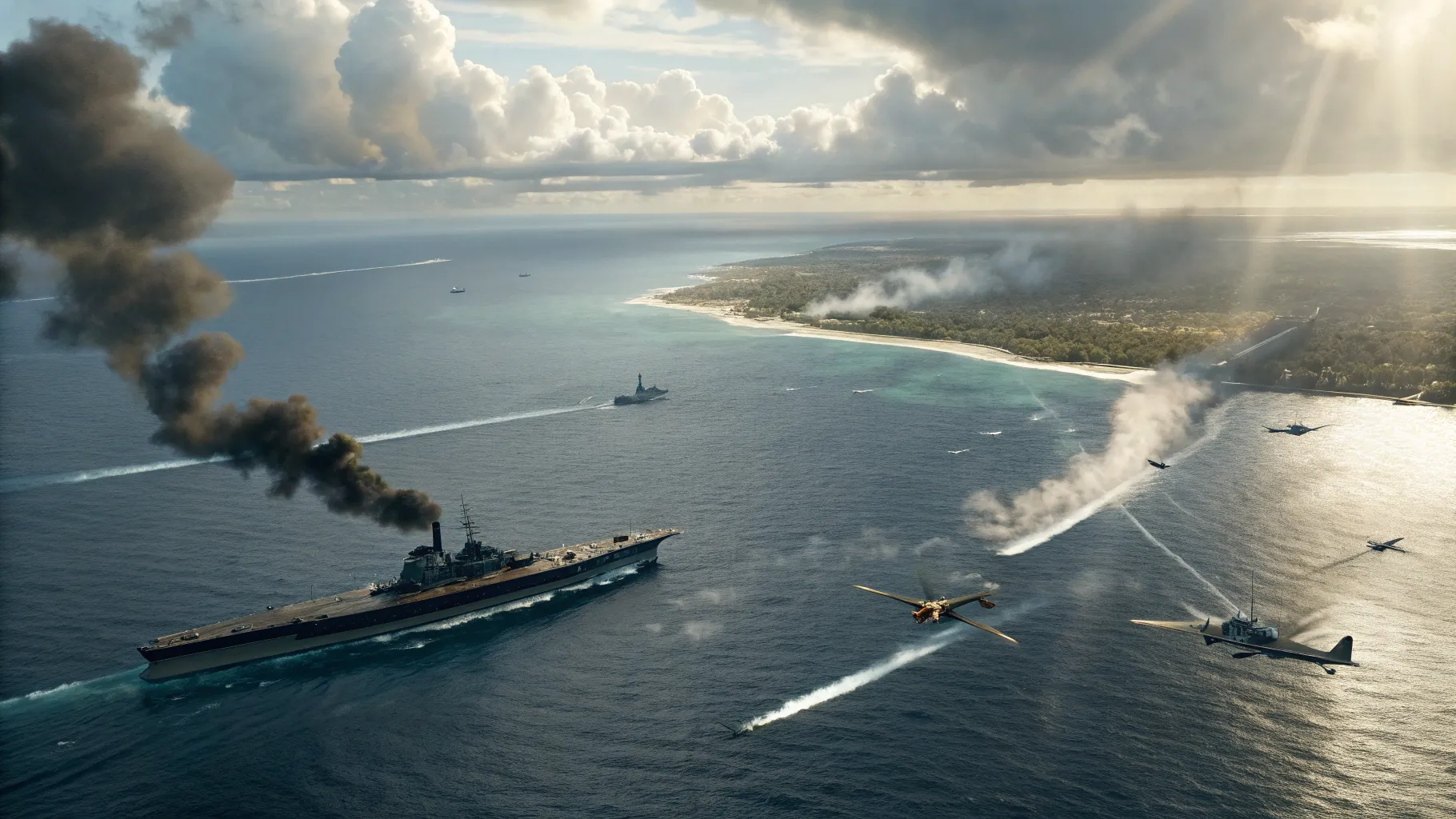
Opening: a single moment that defines a battle
The scene opens in a haze of radio chatter, low clouds and the urgent, clipped cadence of naval command. Aircraft scramble. Scouts report. Pilots call for support while enemy fighters tear through the sky. What looks like a single raid is actually a convergence of decisions, timing, and human judgment that will determine whether a tiny atoll holds or falls. Lines like
“Those job fighters will never find us in this soup.”
and the terse scout report
“Two enemy carriers. Battleship bearing midway 320°. Distance 180 miles.”
cut straight to the heart of carrier warfare: detection, response, and the cruel arithmetic of rearming and striking back.
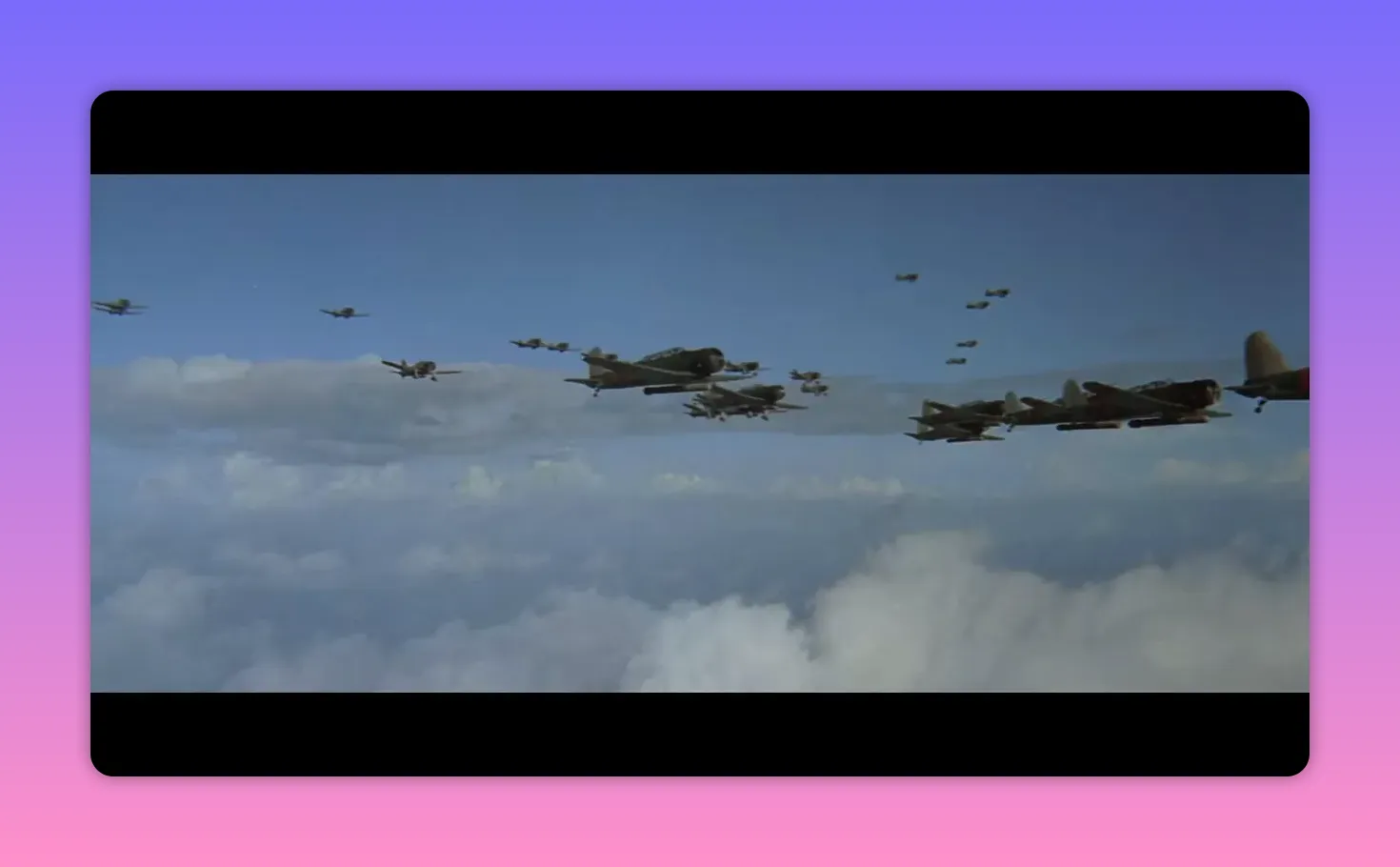
Setting the scene: Midway in the balance
Midway Island in June 1942 was a strategic hinge. It was small, exposed and militarily significant because carrier-based airpower could be staged from there to threaten supply lines and fleet movements across the Pacific. An attack on Midway meant more than a few airstrips and buildings; it was an attempt to erase a forward U.S. base, the forward-shift of naval power that could change operational ranges and choices.
The immediate problem in any carrier-versus-carrier action is not just firepower. It is information: who sees whom, when, and how responses are timed. The transcript’s radio report —
“Right out of the slot where Nim figured come. Proceed southwesterly. Attack enemy carriers.”
— captures the moment a scouting plane turns tactical intelligence into strategic action. That single message sets off cat-and-mouse sequences: scramble fighters, recover scouts, and decide whether to press the attack or consolidate defenses.
The scramble: chaos, courage, and costly openings

When scouts confirm enemy carriers, the routine is instant but messy. Fighters are launched to intercept, dive-bombers and torpedo planes prepare to strike, and the carrier force must either commit or conceal. The scene shows Major Parks ordering all 23 fighters airborne and SBDs lining up. The tone in the radio becomes grim and raw as pilots trade compressed, dangerous calls:
“Brother three under you. Two bogies… Got one. Got one… Mayday. Mayday.”
That staccato of battle language is not cinematic embellishment alone. It conveys a series of stressors that shape every outcome: split-second target identification, the sheer vulnerability of aircraft without fighter cover, and the physical cost of being in the wrong place at the wrong time. When fighters of the defending force are penetrated —
“Andy, they blew right through Red Park’s fighters.”
— it marks the opening of a decisive window. Even if an airstrip survives, the attacking force may have set conditions for a renewed, more destructive wave.
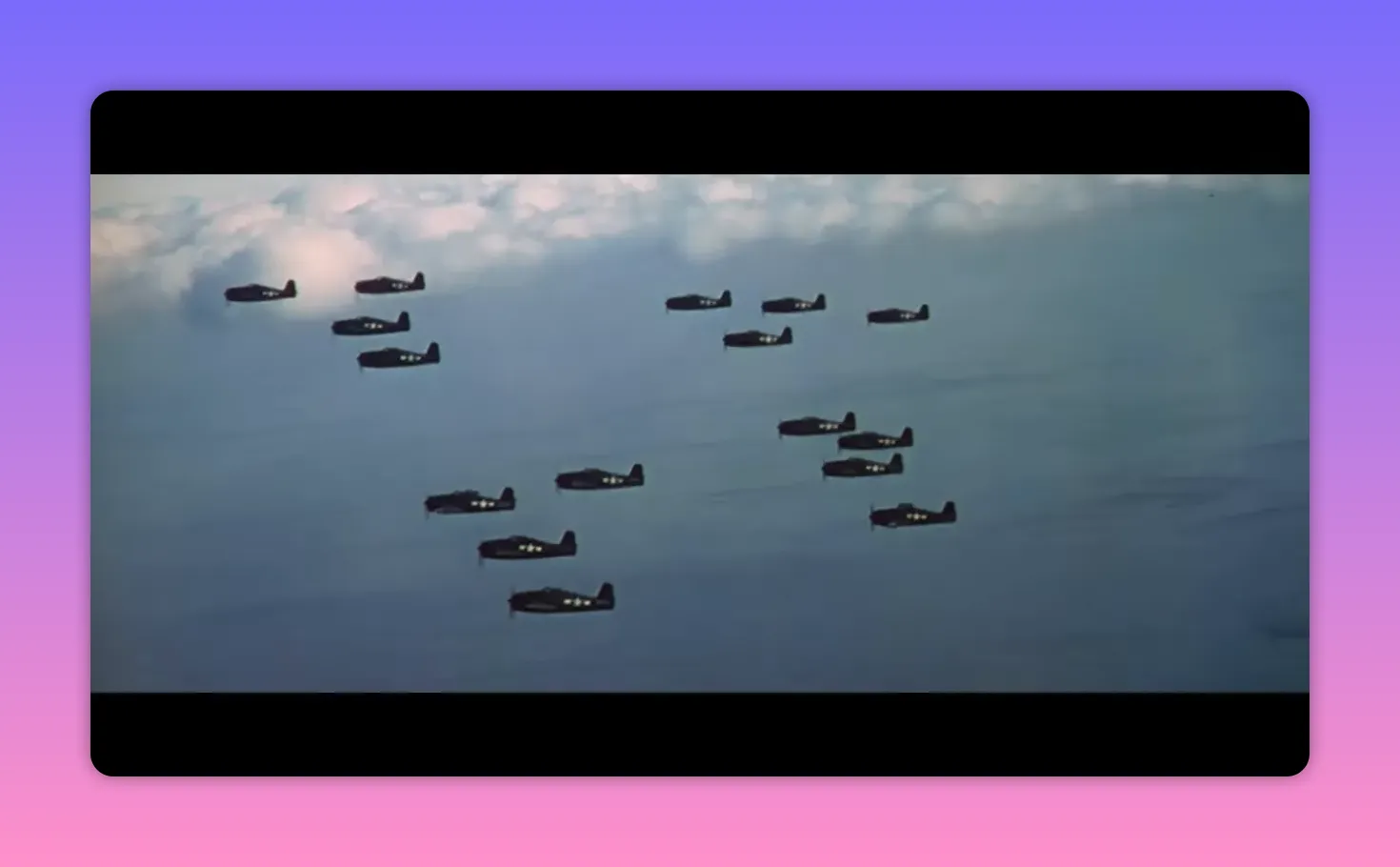
Torpedo bombers, dive-bombers and the wrong weapons at the wrong time
A central narrative thread is the debate over armament. Commander Genda recommended torpedoes, but the commanders on the receiving end point out the mismatch between ordnance and mission. Torpedoes are devastating against ships, but nearly useless for crater-making or runway denial. The response is blunt:
“Our planes are armed with torpedoes on Commander Genda’s advice. Hardly suitable for bombing an airirst strip.”
That exchange exposes a core principle of wartime logistics and doctrine: ordnance has to match the objective. If the immediate need is to keep enemy air operations grounded, you need explosives designed to crater runways and destroy aircraft on the ground — bombs, not torpedoes. Reconfiguring an entire flight deck to change ordnance is not instantaneous. It requires time, shipboard coordination and runway availability; it can leave carriers temporarily impotent at the moment when the enemy can strike again.
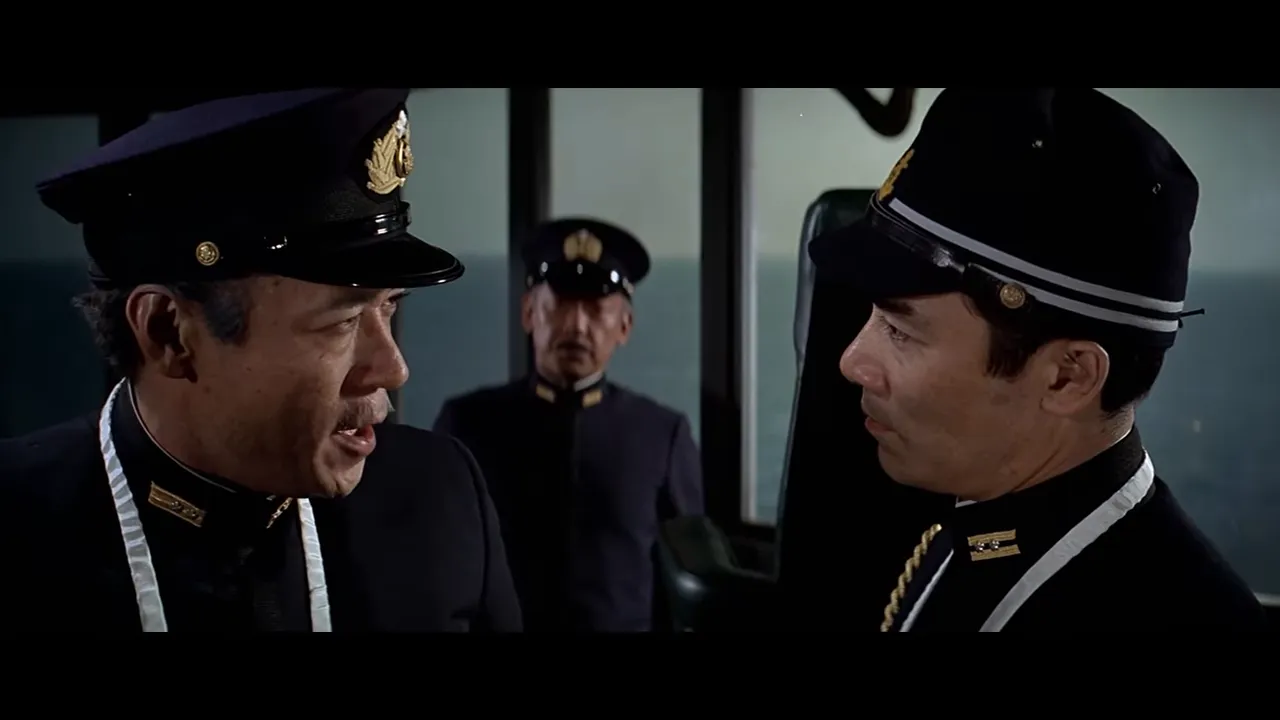
Decision making under uncertainty: delay, risk, and recon
The most consequential tension in the passage is between the urge to strike hard now and the need to verify the enemy’s presence and disposition. One commander argues for launching the entire force immediately:
“We have 93 planes and our best pilots waiting on our flight decks. The entire force should be sent out without delay.”
The counterweight is reconnaissance reality: scouts are late, one will not reach maximum search range for another hour, and reporting gaps could mean launching into an empty ocean.
This dilemma — immediate action versus caution to avoid a wasted sortie — is a timeless leadership decision. The costs of both choices are concrete. Launch now and you may miss a strategic opportunity because the ordnance is wrong or your pilots fly into prepared defenses. Wait and you risk the enemy mounting another crippling strike from an airfield not yet neutralized.
Scouts as the nervous system of naval warfare

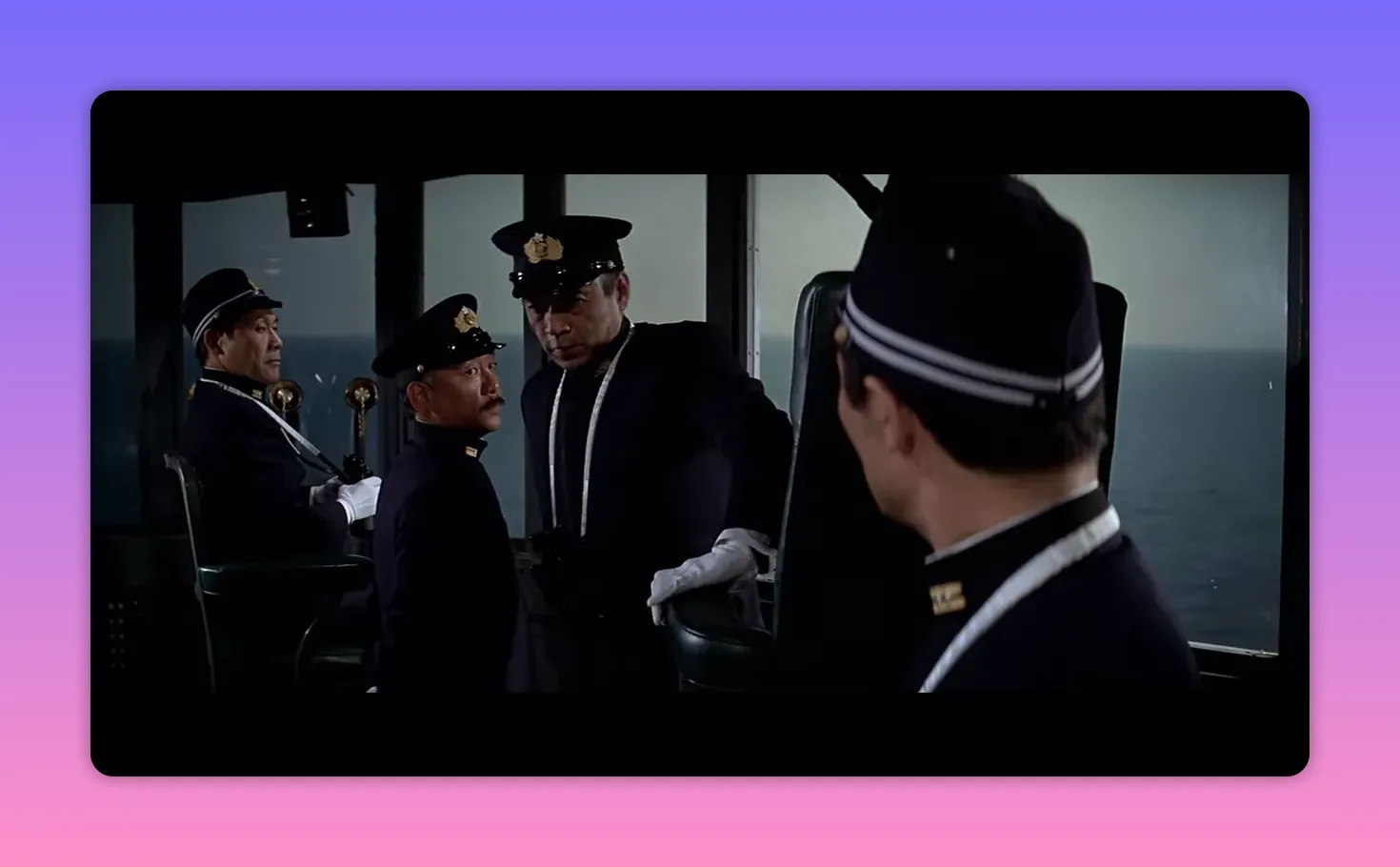
Scouting aircraft are the nervous system that transmits situational awareness from the horizon to the bridge. The transcript repeatedly references scouts: how long they have been gone, when they can be expected back and what their absence implies. A late or delayed scout is not a minor inconvenience; it changes the whole calculus of fleet movement. One voice warns:
“You’re forgetting scout number four was a half hour late taking off. It will not reach its maximum search range for another hour yet.”
There are a few lessons here about reconnaissance:
- Coverage gaps matter: A single delayed plane may leave a blind spot that hides a carrier group until it is almost on top of you.
- Timing beats speed alone: Knowing where an enemy was an hour ago is not the same as knowing where they will be when you are ready to strike.
- Recon resilience: Maintaining overlapping search patterns and redundant reporting channels reduces single points of failure.
When the first wave lands: damage, recovery and persistence
The assault described is initially successful. Pilots report heavy damage inflicted, yet the landing strip remains operational — a bitter ambivalence. The dialogue acknowledges both sides of the ledger:
“This report is a great victory. We’ve lost only seven planes. We’ve destroyed more than 40 enemy aircraft in the air and on the ground. But apparently the pilots that you chose did not destroy the air strip.”
That sentence captures a recurring theme in military operations: tactical success does not guarantee operational success. Shooting down dozens of enemy planes matters a lot, but if the base can continue to fuel, arm and launch aircraft, the strategic problem persists. The ability to recover quickly from an air raid — the rate at which damaged runways are repaired, aircraft are refueled and rearmed and replacement sorties are mounted — often decides whether a strategic initiative is permanent or ephemeral.
Board-level logistics: rearming, refueling and tempo
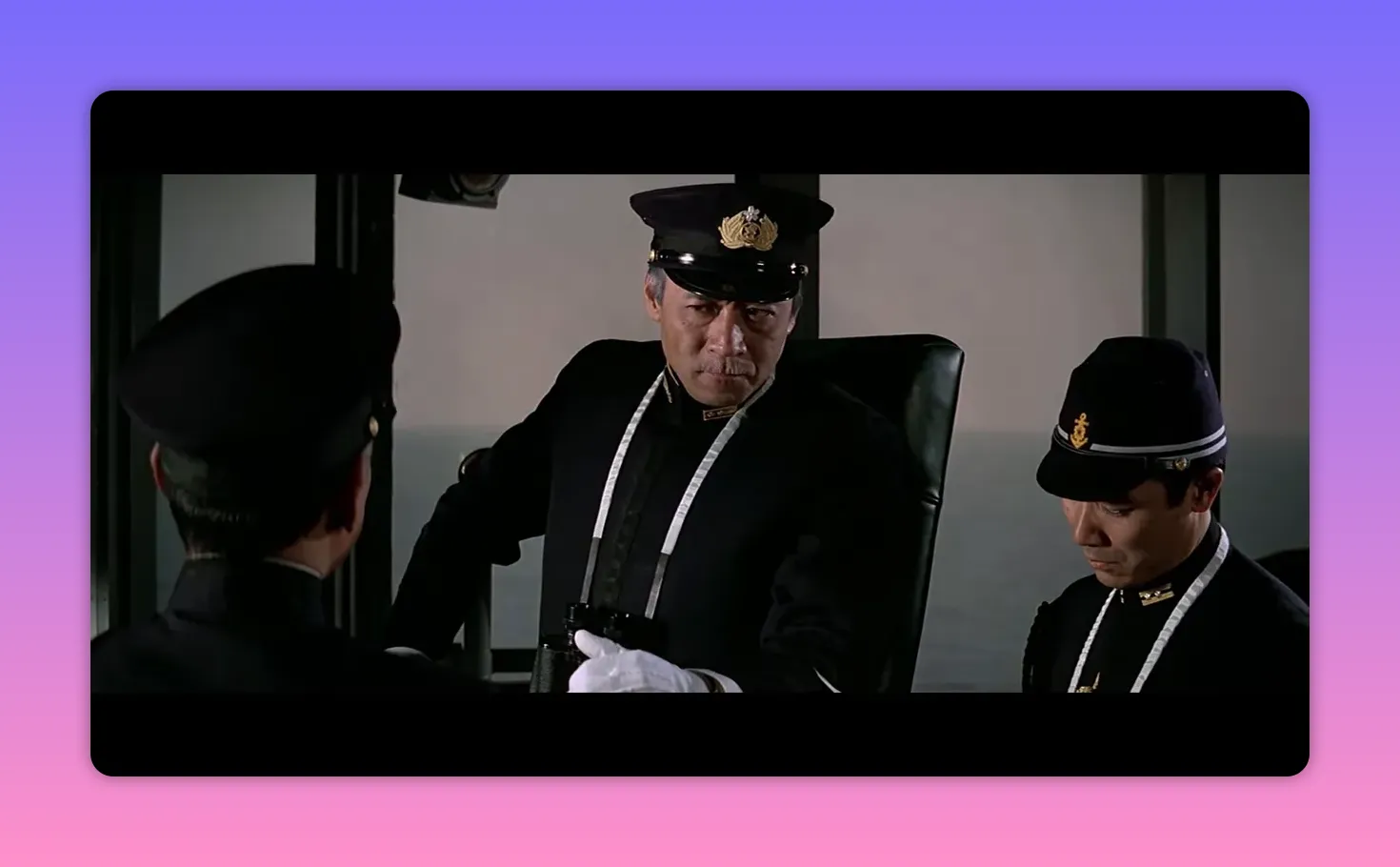
Carriers are floating factories with constrained space and tight cycles. They must cycle planes for strike, recovery, servicing and rearming while maintaining enough fighters airborne to protect the fleet. The decision to take torpedo bombers below to rearm with contact bombs is not a mere checklist item. It is a tempo change with ripple effects.
Consider the timeline: planes must be recovered safely into the hangar, ground crews must strip torpedo racks and install bomb racks, and ordnance must be brought up from magazines and properly secured. Even with practiced crews working under ordered discipline, that reconfiguration requires time — minutes that can be catastrophically consequential in a fast-moving carrier battle.
The instruction in the transcript —
“Order torpedo bombers to be rearmed with contact bombs. As soon as they’re ready, we’ll launch a second strike against Midway.”
— emphasizes how rearming is always a race against enemy action and weather. Launching a second strike with properly fitted ordnance increases lethality significantly but also gives the opponent time to reset their defenses, climb to altitude, or scatter their assets.
Vulnerabilities of torpedo bombers and the tragic calculus of bravery

Torpedo bombers in World War II were vulnerable platforms. Flying low and straight to deliver a torpedo against a maneuvering ship exposed them to concentrated anti-aircraft fire and fighter interception. The transcript’s chaotic mid-air exchanges — pilots calling “Mayday,” frantic requests for cover, and the blunt “God, they creamed us” — reflect the historical realities of torpedo attacks.
But we must also appreciate the psychology of such missions. Torpedo squadrons routinely accepted disproportionate risk because their success promised disproportionate strategic gain. Hitting a carrier with a torpedo could halt or sink a capital platform and change the course of a campaign. That calculation — reward against near-certain danger — governed command decisions in the heat of the moment.
Command voice and the human element
Listen to the human tones threaded through the commands: urgency, frustration, resignation, determination. Short commands like
“Let’s get to battle stations.”
and
“Get your people to the shelters.”
are practical; in the same breath, other remarks reveal regret:
“Damn it. I should have gone straight in and risked it.”
These human touches matter because they remind us that strategic choices are not abstract. They are made by people who live with the consequences. Stress, imperfect information and the speed of unfolding events compress both judgment and error. That is why after-action analyses focus not just on hardware, but on doctrine, training, communication and the distribution of authority to act when leaders lack perfect information.

Applying the scene’s lessons to broader strategy
What makes this scene valuable for students of military history and management is the way it bundles multiple themes into a tight vignette. From it we can draw practical lessons that apply beyond carrier operations.
Lesson 1: Align tools to the objective
Choosing torpedoes for a mission meant to deny an airfield was a mismatch. In any organization, success requires that the operational tools match the strategic aim. Reconfiguring tools mid-operation is costly. Anticipate objectives and stage logistics accordingly.
Lesson 2: Maintain redundant sensing

A delayed scout created costly uncertainty. Redundant reconnaissance and overlapping methods reduce single points of failure. In business terms, that looks like multiple market signals, customer feedback loops and scenario planning to handle missing data.
Lesson 3: Tempo is a weapon
Speed of recovery and reconfiguration — the ability to turn planes around on an airfield or to retool a production line — multiplies combat power. Temporality should be managed deliberately; sometimes the first response must be defensive to preserve tempo for a greater follow-up strike.
Lesson 4: Human factors are decisive
The emotional texture in calls shows that even well-trained forces experience stress and confusion. Training, simple decision rules and delegated authority reduce the cognitive burden on leaders at critical moments.
Lesson 5: Tactical victories can be strategically hollow
Destroying large numbers of enemy aircraft is meaningful, but if those losses do not permanently reduce the enemy’s operational capability, the strategic problem remains. Evaluate success across levels: tactical, operational and strategic.
What the second strike aimed to achieve
To understand why leaders chose to rearm and launch another wave, consider the objective: render Midway unable to launch aircraft that could harass or scout the fleet, and ideally destroy enough of the island’s aviation assets to buy time and freedom of maneuver. Bombing an airstrip with contact bombs is one of the quickest ways to deny enemy sortie generation.
Rearming the torpedo planes for a ground-impact mission increased the odds of disabling runways and parked aircraft. The cost was time and risk. The fleet might be vulnerable to counter-strike in that interval, but the alternative — leaving the strip intact — could enable sustained enemy operations that would be worse over the next 24 to 48 hours.
Contextual realities: weather, radio, and the fog of war
Weather is an often-overlooked force multiplier. Low clouds and “soup” in the transcript don’t just hide vessels; they change intercept geometry, dictate attack altitudes and complicate identification. A fighter pilot attacking through cloud faces spatial disorientation and a higher risk of collision. A scout limited by clouds will take longer to search. Weather introduces non-linear changes to engagement outcomes.
Equally critical is radio discipline. The transcript’s multiple simultaneous calls demonstrate how communications can clog. Clear, concise channels and prioritized nets prevent latency in decision loops. Naval doctrine grew to recognize the importance of voice control and message brevity because radio overload could create fatal delays.
Aftermath: turning moments into turning points
In this vignette, the choices made in the hour after the initial raid decide whether Midway remains a launching point for further assaults or a broken airfield where attackers can exploit a strategic gap. That is why carrier battles are not just about individual dogfights but about how fleets choreograph recovery, rearmament and follow-up strikes under pressure.
When the second wave is launched with bombs configured for runway denial, the aim shifts from ship destruction to airfield neutralization. When scouts find the enemy carriers in time and pilots with the right ordnance reach them, the balance of power can be upset in a single decisive strike. Conversely, delays, misalignments or surprise can produce catastrophe.
Tactical vignettes: small moments, big consequences
Several small, vivid moments stand out:
- Fighter cover being penetrated and the desperate radio calls of pilots under attack.
- The realization that an airstrip still functions despite heavy attrition and the rapidly shifting plan to rearm for a different kind of strike.
- The discussion of scout number four’s delayed takeoff and how that postpones confirmation of enemy carriers’ locations.
Each moment seems small in isolation. Together they reveal the interconnectedness of intelligence, logistics and command. It is the aggregation of these small events that tips a local engagement into a campaign-defining victory or disaster.
Who wins these fights? The planners who think three moves ahead
Victory in carrier warfare is rarely the result of raw courage alone. It is the product of planning margins, deck-level discipline, redundant reconnaissance, and flexible doctrine that can convert tactical reversals into operational advantage. The ability to rearm planes, to anticipate the enemy’s need to strike again and to keep a reserve of fighters ready for immediate launch are the attributes of a commander who understands tempo.
Equally, commanders must be willing to accept calculated risk. Saying
“I should have gone straight in and risked it.”
reflects how second-guessing and opportunity costs haunt command decisions. Those moments are not cowardice or mistake per se; they are the human calculus of uncertainty.
Conclusion: more than explosions — a study in decision frameworks
The assault on Midway Island, as dramatized in these exchanges and reactions, is more than pyrotechnics and heroics. It is a study in decision frameworks: the alignment of mission and ordnance, the primacy of timely intelligence, the constraints of logistics and tempo, and the human cost of operating in compressed uncertainty. For anyone interested in military history, leadership under stress, or organizational decision-making, this episode is instructive.
It highlights the eternal lessons: equip the team with the right tools for the job, maintain sensory redundancy, manage tempo deliberately and build simple decision rules to keep leaders from freezing when the radio fills with static and the horizon fills with threats.
FAQ
What triggered the initial alarm about enemy carriers near Midway?
A scout plane reported two enemy carriers and a battleship bearing toward Midway, providing bearing, distance and course information that prompted immediate defensive preparations and offensive planning.
Why was there debate about torpedoes versus bombs?
Torpedoes are effective against ships but ineffective for cratering runways or destroying aircraft on the ground. If the objective is to prevent enemy aircraft from launching, contact bombs are the correct ordnance. Reconfiguring carriers to swap ordnance takes time and is a key logistical challenge.
How did scouting delays affect decisions?
A late scout created a critical blind spot. Without confirmed sightings, launching the entire force risked wasting sorties on empty ocean or walking into a prepared enemy. Recon timing therefore directly affected whether commanders launched immediately or rearmed and waited.
What made torpedo bomber missions so dangerous?
Torpedo runs required aircraft to fly low and straight at ships, exposing them to concentrated anti-aircraft fire and enemy fighters. This made losses high even when tactical success was achieved, because the approach profile offered little maneuverability for defense.
Could the airstrip at Midway be disabled quickly?
It could be disabled if aircraft carrying appropriate ordnance were able to strike with sufficient force and accuracy. However, doing so required that planes be armed with contact bombs, that runways be accurately targeted, and that attacks be repeated to create repair-free windows. Quick repairs could restore operational capability if neutralization was incomplete.
What are the main lessons for modern military planners?
Key lessons include aligning weapons to objectives, maintaining redundant intelligence sources, managing tempo to keep initiative, prioritizing communications discipline, and preparing decision rules that work under stress and imperfect information.
How important is radio discipline during carrier actions?
Radio discipline is vital. Congested or chaotic communications slow decision cycles and can create dangerous delays. Clear, prioritized channels and disciplined brevity reduce miscommunication and help leaders act quickly with the best available information.
Why was it necessary to consider a second strike instead of relying on the first?
Although the first strike inflicted losses, key objectives like destroying runways or eliminating the island’s ability to launch aircraft were not achieved. A second strike, with the correct ordnance, was necessary to convert tactical success into a lasting operational advantage.
Further reading and reflection
For those who want to probe deeper into carrier warfare doctrine, operational art and the Battle of Midway, reading historical after-action reports and doctrinal studies on naval aviation, reconnaissance doctrine and carrier deck operations is recommended. The scene analyzed here is a compact distillation of many such themes and offers a practical case study in how doctrine meets the harsh realities of combat.
Above all, this episode underscores one truth about conflict and leadership: the clearest successes are the result of good information, adaptable logistics and the courage to act decisively when the window appears.


