

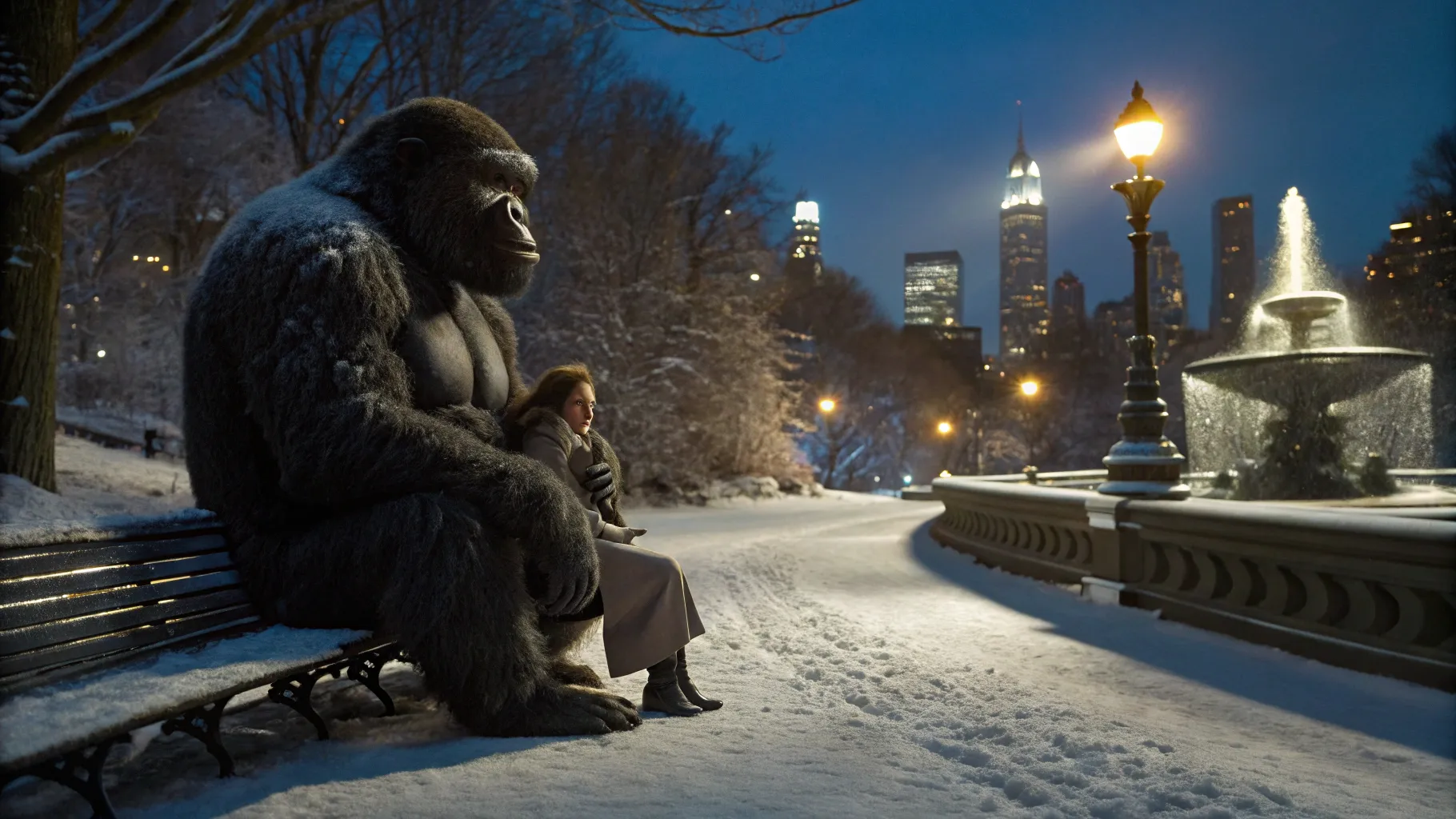
New York City as a battlefield. New York City as a sanctuary. Two ideas collide in a handful of breathtaking frames that capture what happens when a colossal creature and a fragile human find one another in the middle of winter. That collision is the heart of this sequence: a moment of unexpected tenderness set against a city that is alternately enchanted and enraged. One line nails the tension between those responses with blunt force:
“It was built for humans by humans, not for stinking lice-infested apes.”
The very phrasing exposes a binary at the core of the drama — human versus other — and everything that follows spins off from that fault line.
Why this scene matters
The Central Park sequence is important because it compresses the film’s major themes into a compact experience: beauty and brutality, sympathy and spectacle, intimacy and mass hysteria. For a few luminous minutes, the gargantuan and the fragile inhabit the same space without violence. That rarity is what makes the scene so memorable. It asks whether a city designed by people for people can also make room for something utterly foreign, or whether the city will inevitably revert to its default setting: fear, containment, and destruction.
There is also a technical reason this scene stands out. Shot with an eye for tactile detail and finished for high dynamic range presentation, the scene uses light, snow, and scale to sell both the wonder and the peril. In the quiet of falling snow, Kong becomes less a monster and more an impossibly large being with the emotional range of a human character. That transformation is what turns spectacle into empathy.
Two moods, one location
Central Park here functions in two opposing ways. As an urban oasis it offers a place to play, a place where Ann and Kong can slide across ice and leave tracks in fresh snow. The park is intimate, even magical. Walls of city glass and stone recede; night and snow flatten the world into a playground. That play is essential because it humanizes Kong. He is given the simple pleasures that define childhood and tenderness: sliding, curiosity, and the delight in another being’s company.
Yet the same park becomes a stage for the city’s anxieties. When a crowd or authority decides that the creature is a threat, New York ceases to be sanctuary and becomes a jury and executioner. Lines like
“We fight it, we kill it, we cut a ugly head off, and we ram it up at the…”

lay bare a primal desire to control anything that does not fit into the agreed definition of human life. The park thus embodies the film’s central contradiction: a place where wonder and cruelty can coexist within the span of a single night.
Characters and their arcs in miniature
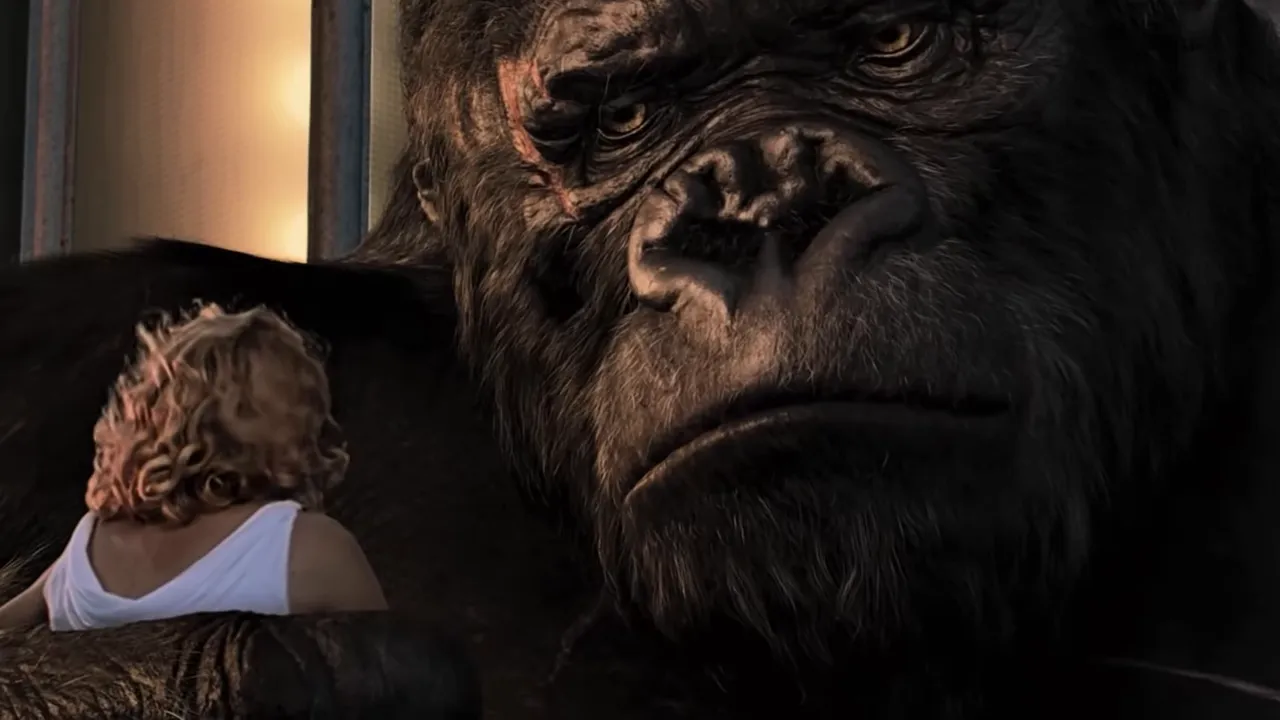
At the center of this scene are two figures: Ann, whose vulnerability and courage anchor the emotional core, and Kong, whose capacity for affection reconfigures how the audience sees a creature traditionally cast as a monster. Ann represents an openness to curiosity and compassion. Her willingness to be near Kong erases the distance that every other character in the city maintains. That erasure is not naïve; it is brave.
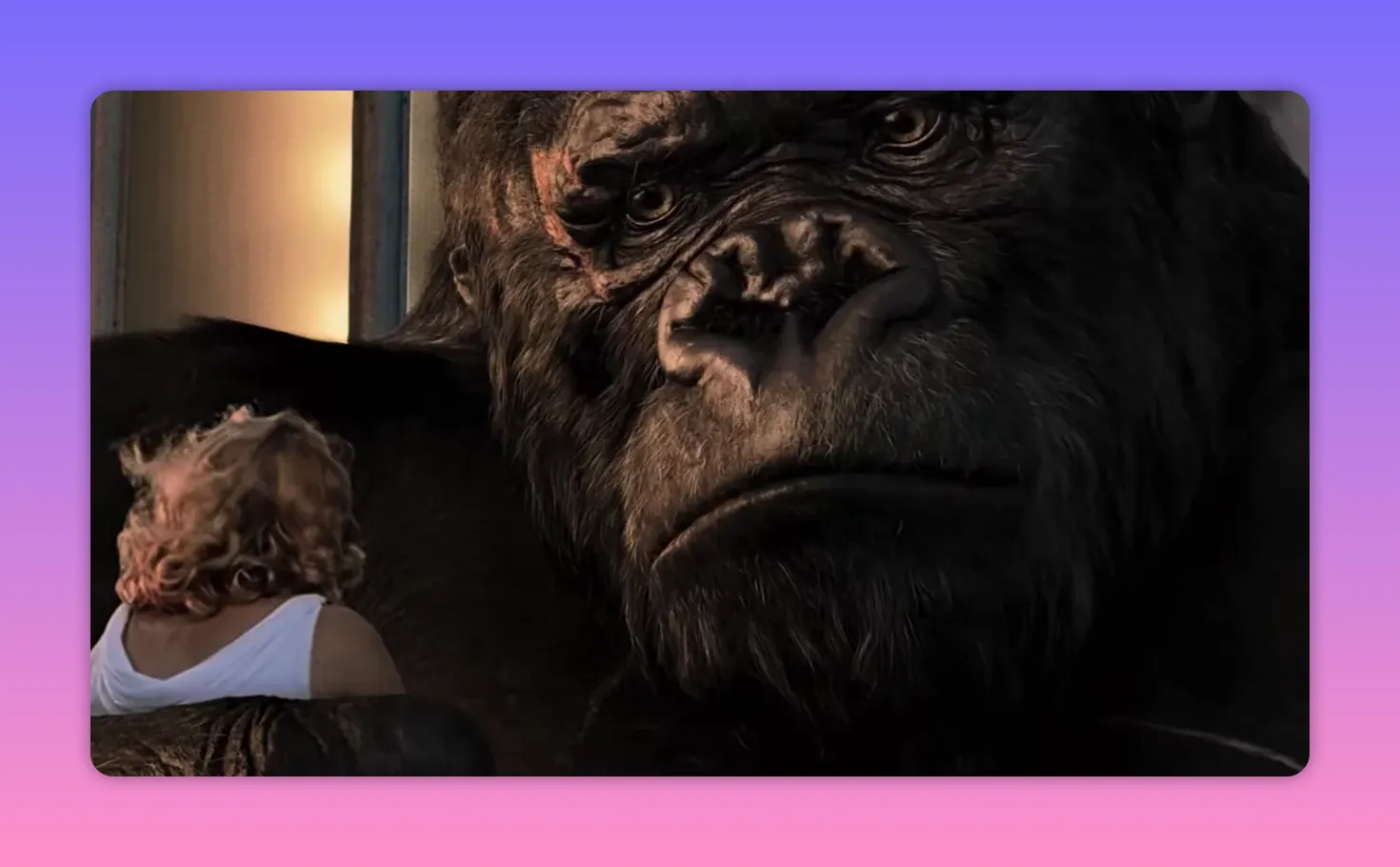
Kong, meanwhile, is portrayed with an intelligence and sensitivity that demand empathy. The creature’s gestures and expressions are not set pieces of menace. They are small acts of recognition and play. Because Kong is rendered with attention to the subtleties of body language and expression, his interactions with Ann feel like genuine communication. This is not spectacle pretending to be feeling. It is careful animation and performance capture delivering actual emotional beats.
Language of fear: how the city talks about the other
Language matters in this story. The phrase “stinking lice-infested apes” is more than insult. It is a shorthand for the fear of contamination, of regression, of what the city imagines as primitive and simply incompatible with an urban order. That rhetoric sanitizes violence. It creates a moral distance that lets ordinary people justify extraordinary acts. When citizens or officials talk about the creature this way, they are setting the groundwork for containment, for spectacle, and ultimately for the use of force.
That rhetoric is familiar across many historical and social contexts. Dehumanization has always preceded cruelty; language that reduces the other to vermin or beast makes the choice to harm feel urgent and righteous rather than cruel and unnecessary. This scene uses that dynamic to show how quickly a city can flip from admiration to eradication.
The juxtaposition of tenderness and threat
A key reason the Central Park moments land emotionally is the deliberate contrast between quiet tenderness and loud, organized aggression. In one instant, there is shared laughter—two beings sliding across ice. In the next, there are strategized plans and ugly invective. The immediate swing from play to political calculus forces the viewer to choose a side, and it forces characters in the film to reveal who they are.
That swing also illuminates a cinematic choice: keep the intimate moments long and unhurried. Let the audience live inside the small gestures. Then, when violence appears, its impact is amplified because it interrupts something that already felt real. The film trusts the audience enough to hold still in the quiet, to allow the emotional weight of small interactions to accumulate.
Performance, motion capture, and creature design
Turning Kong into a character rather than a CGI object is partly a matter of performance capture and partly a matter of sculpting movement around emotional beats. The actor behind Kong needs to provide a physical vocabulary that feels true at scale. Small shifts in posture, a tilt of the head, the way fingers brush against an object—these micro-movements have outsized significance when translated onto a character as big as Kong.

Those decisions also require matching the creature’s design with human sensibilities. Eyes, for instance, are essential. Eyes convey focus, confusion, pleasure, and fear. When a giant beast looks at a human with something that resembles protectiveness, the film can bypass verbal exposition entirely. The camera lingers on these moments because they carry the psychological truth of the relationship.
Peter Jackson’s cinematic lens
The director’s approach is conspicuously cinematic. Long takes, careful framing, and an insistence on scale let the audience feel the weight of the creature and the fragility of the human. High dynamic range imaging allows snow and city lights to glow without losing texture in shadow. The film balances large, wide shots that showcase the city and intimate close-ups that preserve emotional detail.
That balance is crucial. Without wide shots, the sense of spectacle is lost. Without close-ups, the emotional stakes flatten. Jackson makes the difficult choice to do both, creating a sequence that can be appreciated as spectacle by audiences hungry for action and as drama by those seeking emotional connection.
Sound, silence, and the music of winter
Sound design plays a quiet but pivotal role. The crunch of boots on snow, the soft whoosh of sliding bodies, the intake of breath—these small sounds ground the scene. When the orchestra swells, it does so not to overwhelm but to amplify the intimacy already present. Silence, paired with long visual beats, becomes its own instrument. The decision to let moments breathe, without a constant musical push, creates a sense of honesty.
Contrast that subtlety with the explosive audio of conflict: the roar of engines, the clash of crowd noise, the thud of artillery. That difference reinforces the scene’s moral binary. Peace exists in small sounds. Violence arrives with a chorus.
Historical context and lineage
King Kong is part of a filmic lineage that dates back to the 1930s original. The story has been retold multiple times, but its core remains intact: a massive, animal presence meets the modern world, and the result reveals truths about human desires and fears. Each retelling refracts the myth through contemporary anxieties.
The 2005 interpretation leans into tactile realism and emotional nuance. Where earlier versions might have emphasized the spectacle of the beast, this version insists on interiority. The result is a King Kong who is not merely an object to be observed but a subject whose interior life matters. That shift mirrors a broader trend in modern monster movies, where the creature often serves as a mirror for human failings rather than a simple antagonist to be defeated.
Ethics, exploitation, and spectacle
There is an ethical undercurrent that runs through the sequence: the question of exploitation. The city and its representatives are quick to move from wonder to containment. The language used to justify violence often overlaps with commercial rhetoric: capture the creature, display it, profit from it. That impulse to monetize rarity is as old as the modern spectacle.

When the decision is made to contain rather than to coexist, the moral calculus of the story shifts. Is the creature dangerous? Perhaps. Is it less dangerous than the human capacity for fear-fueled violence? The film invites the audience to weigh those possibilities. The rhetorical ease with which phrases like “cut a ugly head off” slip into the characters’ mouths is chilling because it shows how quickly aggression moves from grotesque image to actionable plan.
Class, race, and the rhetoric of exclusion
There is also a subtext about social hierarchies. The city is a stratified machine, and its response to difference is shaped by that structure. The phrase “built for humans by humans” reads like a declaration of ownership as much as it does a factual statement. Ownership implies control, and control here means policing the boundaries of what belongs in public space.
That policing often reads like a metaphor for how societies treat minority groups and outsiders. The instinct to label, to reduce, and to demonize precedes any attempt at understanding. The scene exposes how quickly civic order becomes a pretext for violence when faced with an other it cannot comfortably assimilate.
Visual metaphors and recurring motifs
Snow is a powerful motif in the sequence. It softens edges, muffles sound, and creates a visual palette that feels both innocent and precarious. Tracks in the snow become a language of their own, recording the passage of two beings who are unlikely partners. Footprints can be read as communication, as memory, and as proof that something happened.
Light is another recurring element. Streetlamps and city windows edge the park with geometry, turning the scene into a frame within a frame. That framing suggests that the park is an island of possibility within a larger, more hostile world. When the lights come on in the city, they often signify scrutiny and exposure. The warmth of the park is therefore always at risk of being replaced by the cold clarity of public spectacle.
The role of secondary characters
Supporting figures in the scene help to reveal the polarity of human responses. Some are frightened, some are opportunistic, and some are compassionate. The spectrum of reactions provides a social map of the city’s psyche. Those most eager to call for violence often do so from a position of ideological certainty, whereas those who hold back are either too overwhelmed or too empathetic to join the chorus.
This distribution of responses makes the scene feel authentically civic. In a moment of crisis, there is rarely unanimity. People bring histories, biases, and agendas to how they interpret danger. By keeping the crowd complex, the sequence avoids cartoonish simplicity and instead presents a microcosm of urban life under pressure.
Staging the inevitable: foreshadowing and escalation
Small details in the playfulness foreshadow the escalation that will later unfold. A glance that could be misread, a displaced object that becomes a threat when seen out of context, or even the simple fact of a large creature navigating human infrastructure—all of these elements contain the seeds of conflict. The film does not pull these seeds from nowhere. Instead, it arranges them carefully so that the eventual rupture feels both surprising and inevitable.

That narrative strategy enhances emotional payoff. When the city moves from wonder to war, the sense of betrayal is made stronger by the prior intimacy. The audience has invested in the possibility of coexistence, so the failure of that possibility hurts more.
Why tenderness is a revolutionary act
One of the subtler messages in the scene is that tenderness can be an act of resistance. Standing near a creature that others want to destroy, choosing to show kindness in the face of collective fear, is a choice that challenges the dominant narrative. For Ann, that choice is not sentimental. It is a moral stance.
That kind of courage reframes the film from being merely a story about a giant ape into a parable about humanity. The true monsters in the story are not necessarily those with the largest teeth but those who lead the charge toward cruelty under the guise of civic duty. By making tenderness central, the film elevates compassion to a form of politics.
What the winter setting amplifies
Winter strips the city to a more fundamental level. Trees are bare. The temperature forces bodies together or to retreat. Snow creates a visual cleanliness that makes any stain—literal blood or symbolic—appear sharper. The season helps the sequence achieve that quiet fablelike mood where allegory and reality can coexist.
There is also an emotional logic to placing intimacy in winter. When heat is absent, warmth becomes a commodity. The warmth exchanged between a giant and a human carries a symbolic weight that it might not have in a different season. That contrast makes the moments of connection feel both rare and precious.
Cinematic lineage and modern monster empathy
As modern cinema evolves, monsters are less often framed as flat embodiments of evil. Instead, they are increasingly treated as complex beings whose existence questions human moral frameworks. This sequence belongs in that contemporary strain. Rather than presenting Kong as mere threat, it invites an ethical conversation. That treatment aligns King Kong with other contemporary films that use creature stories to explore identity, trauma, and the cost of spectacle.
Understanding this lineage helps clarify why the Central Park scene resonates beyond the confines of the story. It reflects a larger cultural appetite for narratives that complicate the human/other divide, asking rather than answering how societies should meet difference.
Lessons the scene leaves behind
- Empathy over spectacle – The scene suggests that compassion, not dominion, should be the default response to the unfamiliar.
- Language shapes action – Words that dehumanize make violence easier to justify. Recognizing that constraint is a step toward resisting it.
- Spaces determine behavior – Public places like parks can act as sanctuaries or staging grounds for conflict depending on how they are policed.
- Tenderness is political – Small acts of care can be radical in moments when fear seeks to normalize cruelty.
How the sequence connects to larger plot beats
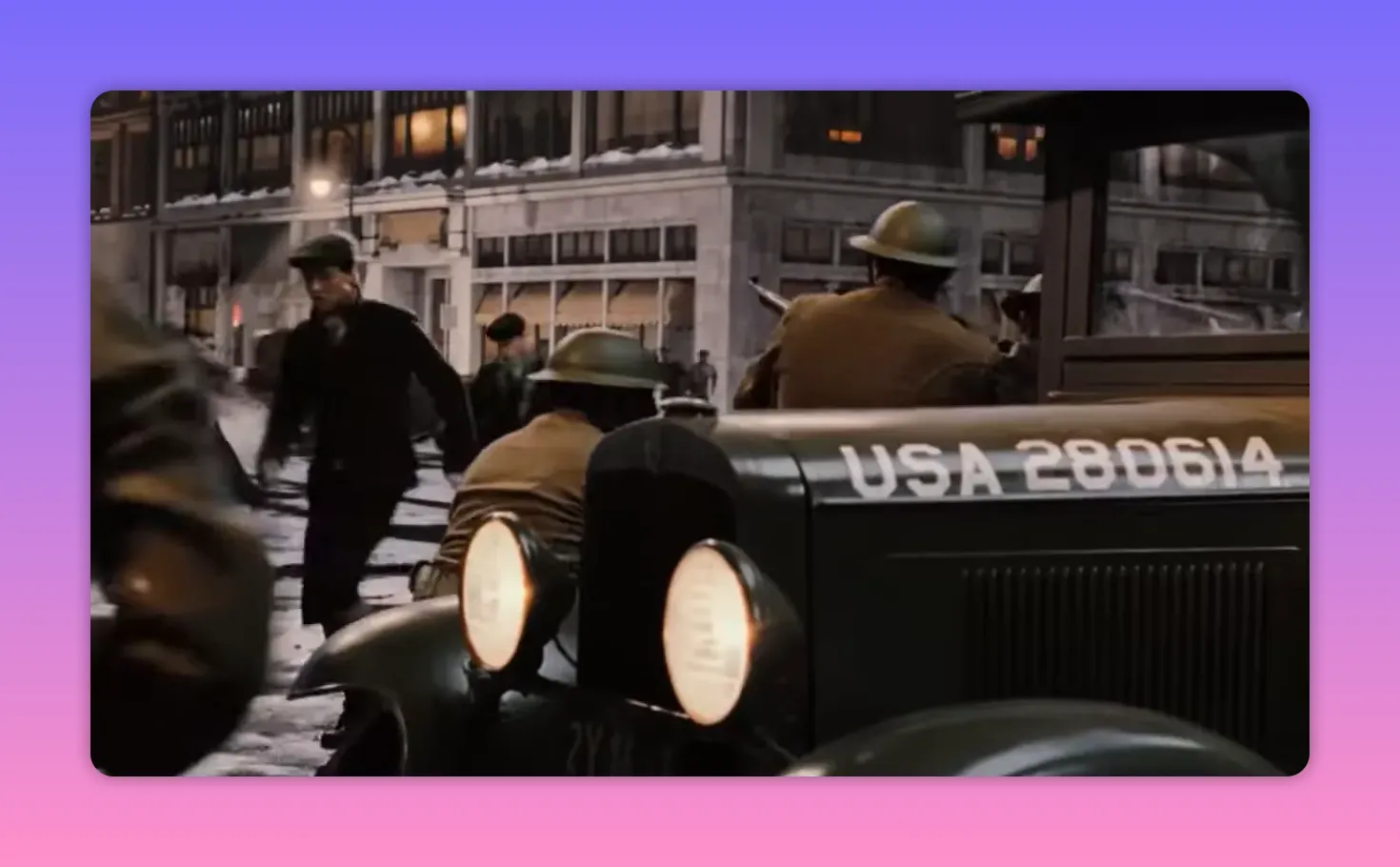
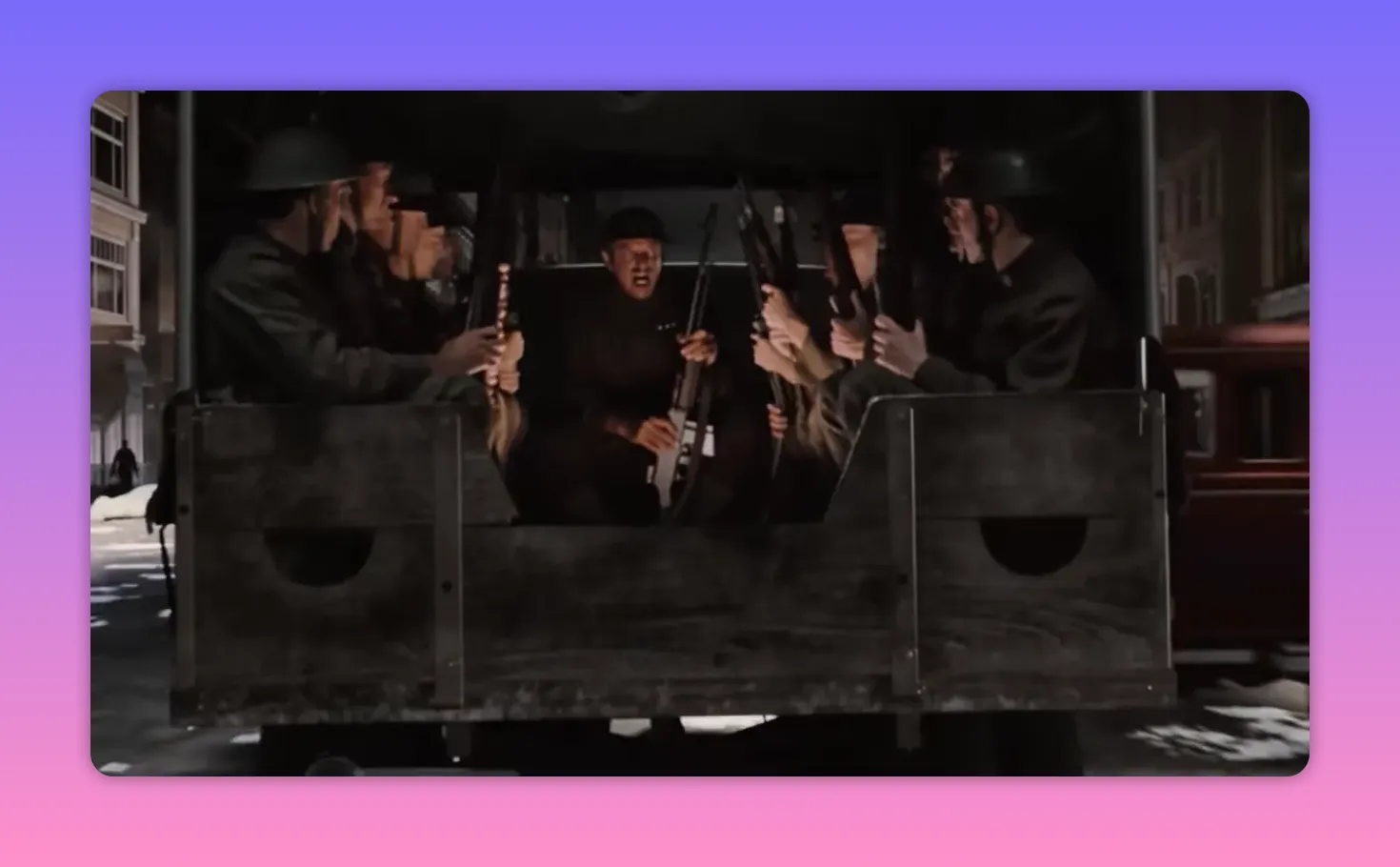
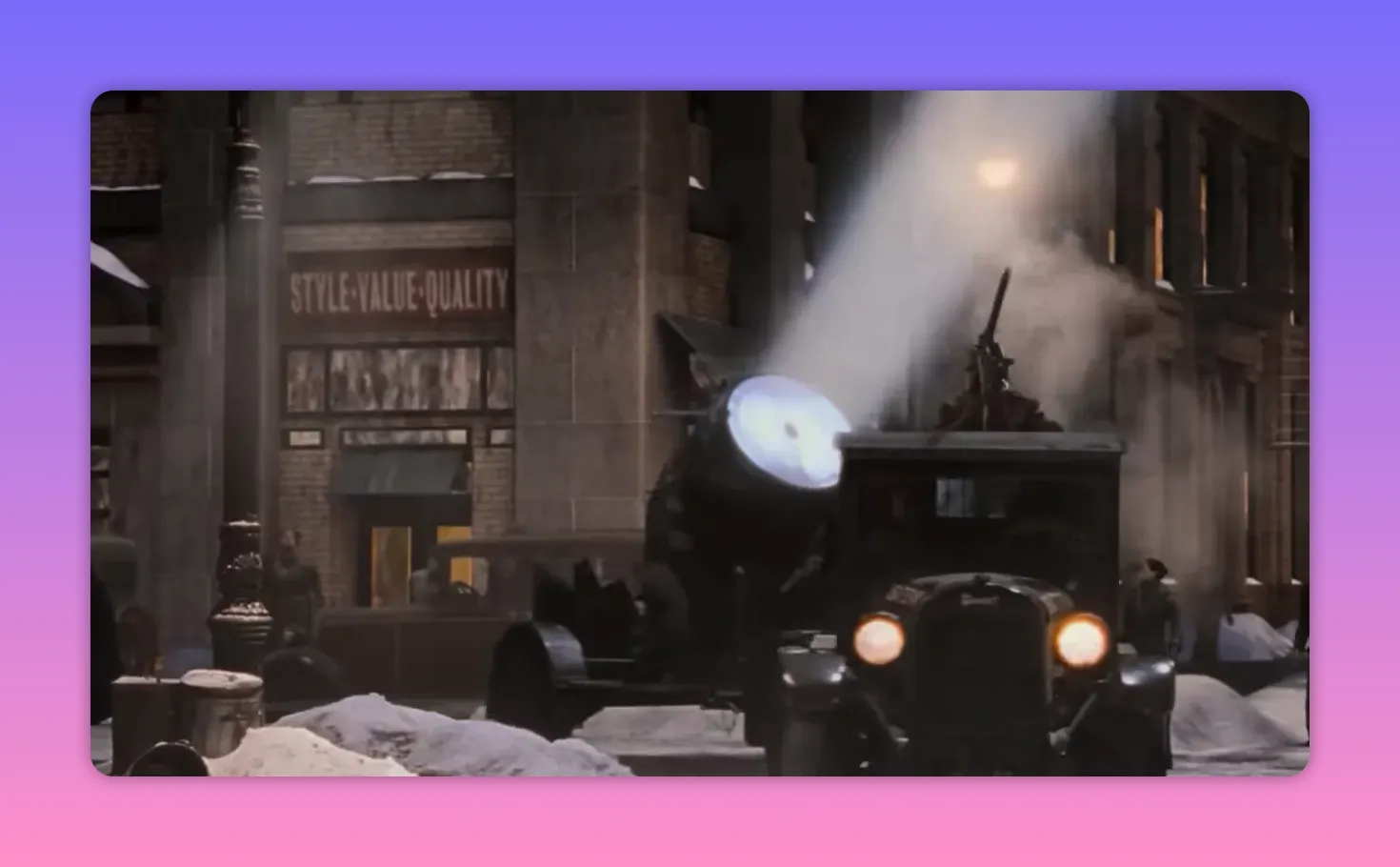
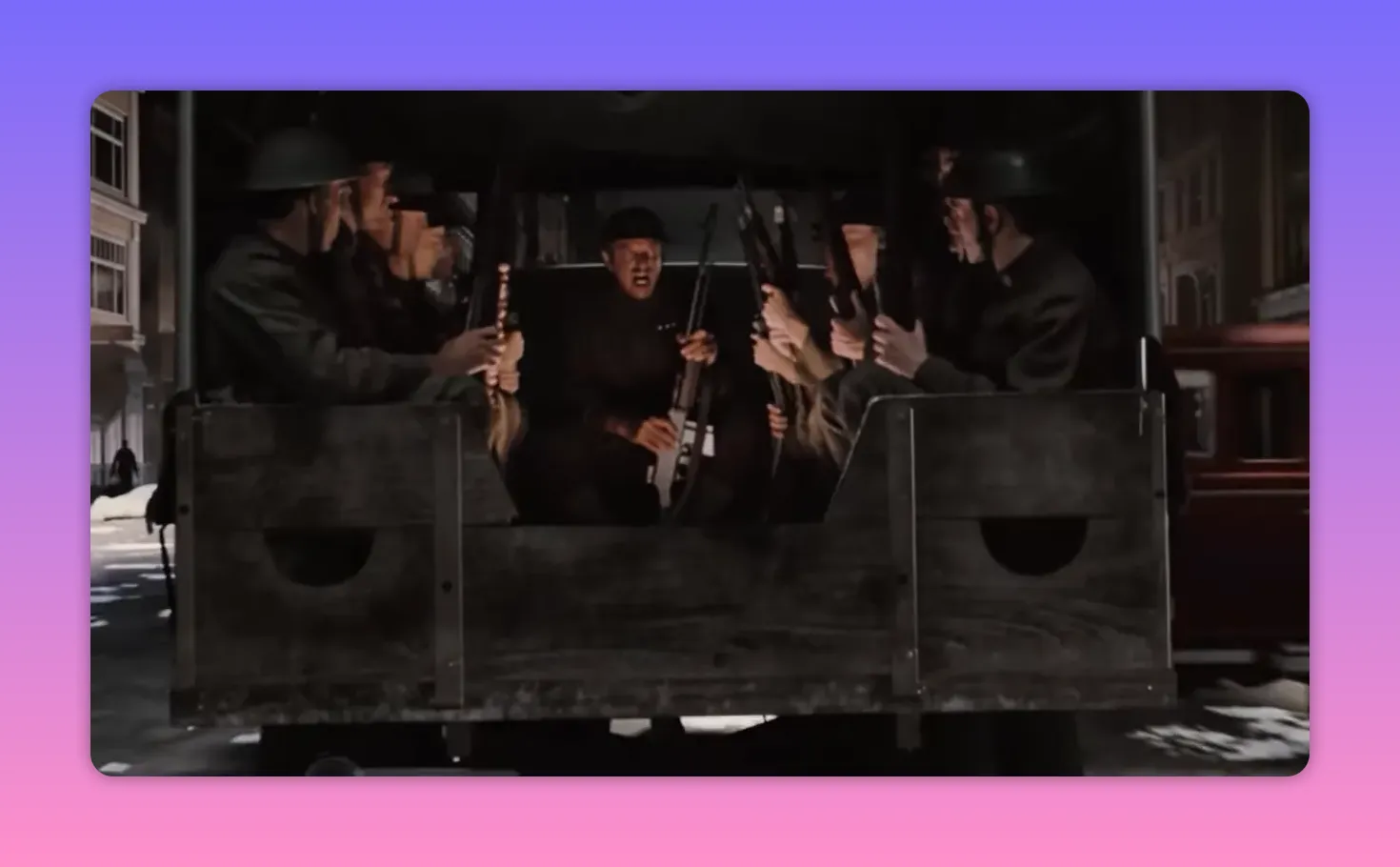
While this is a contained episode of compassion, it sets the emotional stakes for the story’s escalation. The tenderness is not a diversion; it is an argument. It argues that the creature deserves more than imprisonment or death. That argument is put to the test when city resources, including military force, are mobilized. The later confrontation with machines and planes is not just a spectacle; it is the moral adjudication of how the city chooses to reconcile wonder and threat.
Visual cues to notice on a second look
On rewatch, certain visual cues become clear:
- Where the camera places Ann relative to Kong tells you who the film wants you to trust.
- How other characters look at the creature—fear, curiosity, greed—reveals their moral stance faster than dialogue.
- Tracks in the snow create a silent narrative that records the interaction without words.
- Light sources often stage moral contrasts. Warm interior light denotes safety; cold fluorescents suggest scrutiny.
Why the scene is a useful study for filmmakers
For anyone interested in filmmaking, this sequence is instructive in a number of ways. It demonstrates how to foreground emotional beats within a spectacular context. It shows how to use negative space and silence as compositional tools rather than relying solely on music or dialogue. It highlights the importance of actor-driven motion capture, where the subtlety of physical performance can determine whether a creature becomes sympathetic or merely impressive.
It also provides a case study in tone management. Balancing whimsical play with impending violence requires careful pacing and confidence in restraint. The sequence teaches that sometimes the most powerful cinematic choices involve what you do not show as much as what you do.
Final reflections
At its best, the scene asks a simple question and refuses to give an easy answer: Who deserves the city? Is the city a fortress for the familiar, or can it be large enough to contain difference? The film refuses to let that question be purely rhetorical. By staging tenderness and brutality in the same hours, it forces a moral reckoning.
That moral reckoning plays out in language and movement. Words like “built for humans by humans” and “stinking lice-infested apes” reveal how discourse makes violence seem reasonable. Small gestures between Ann and Kong demonstrate the human capacity for empathy. The winter setting, the park’s quiet, the creature’s expressive eyes, and the crowd’s rhetoric all combine to make the sequence far more than a visual set piece. It becomes a meditation on compassion and a critique of the reflex toward domination.
Ultimately, the scene reminds us that a city is not merely a physical space. It is a moral arena. Decisions about how to treat those who are different define the character of a community. That is the enormous, heartbreaking truth packed into these snowy minutes of a giant and a woman in Central Park.
Frequently asked questions
What happens in the Central Park scene with Ann and Kong?
Ann and Kong share a rare moment of intimacy in Central Park during winter. They slide across ice and play gently in the snow, creating a sense of trust and companionship that contrasts sharply with the city’s fearful and aggressive reactions. The scene uses quiet gestures, expressive performance, and winter visuals to humanize Kong and to establish emotional stakes for the conflict that follows.
How does the scene use language to portray fear and othering?
The scene includes lines that dehumanize the creature, such as “stinking lice-infested apes” and “built for humans by humans.” That rhetoric normalizes violence by reducing the creature to a pest or intruder. The film uses this kind of language to show how quickly civic discourse can turn into a justification for harm, highlighting the moral danger of dehumanizing speech.
Why is the winter setting important to the scene?
Winter serves multiple functions: it softens the landscape, dampens noise, and visually isolates the characters. Snow creates a tableau-like atmosphere that amplifies small gestures and makes tracks and marks meaningful. The season also makes warmth symbolic, so the compassion exchanged between Ann and Kong carries extra emotional weight.
What filmmaking techniques make the scene emotionally effective?
Effective techniques include the use of long takes to allow moments to breathe, high dynamic range imaging to preserve detail, careful sound design to foreground small, intimate sounds, and nuanced motion capture to give Kong realistic expressions. The combination of wide establishing shots and intimate close-ups balances spectacle with human-scale feeling.
How does the scene relate to the film’s broader themes?
The sequence encapsulates the film’s central tension between wonder and violence. It highlights the ethical questions around exploitation and spectacle, critiques the rhetoric used to justify domination, and shows how tenderness can be a political act. In doing so, the scene sets up the moral stakes for the film’s later conflicts.
Is Kong portrayed as a monster or a sympathetic character?
Kong is portrayed as a sympathetic character. The film uses performance, facial animation, and carefully paced interaction to give Kong a range of emotions that invite empathy. Rather than presenting him as a purely antagonistic force, the film treats Kong as a being with interiority, capable of attachment and play.
What social commentary does the scene offer?
The scene critiques how societies react to difference and unknown beings. It examines the ease with which language dehumanizes, how public spaces can be quickly repurposed from sanctuary to battleground, and how spectacle and profit motives can drive decisions to capture or eliminate the other. It functions as a broader allegory for xenophobia, exploitation, and the ethical treatment of nonhuman life.


