

Outline
- Opening image and the promise of a package
- Memory and belonging: “I was standing. You were there.”
- New voices and new toys: who is Lilyad?
- Rising stakes: the world’s colliding
- Themes: obsolescence, play, identity, and loyalty
- What to expect from Toy Story 5
- Why this matters for Pixar, families, and culture
- Practical details and release information
- FAQ
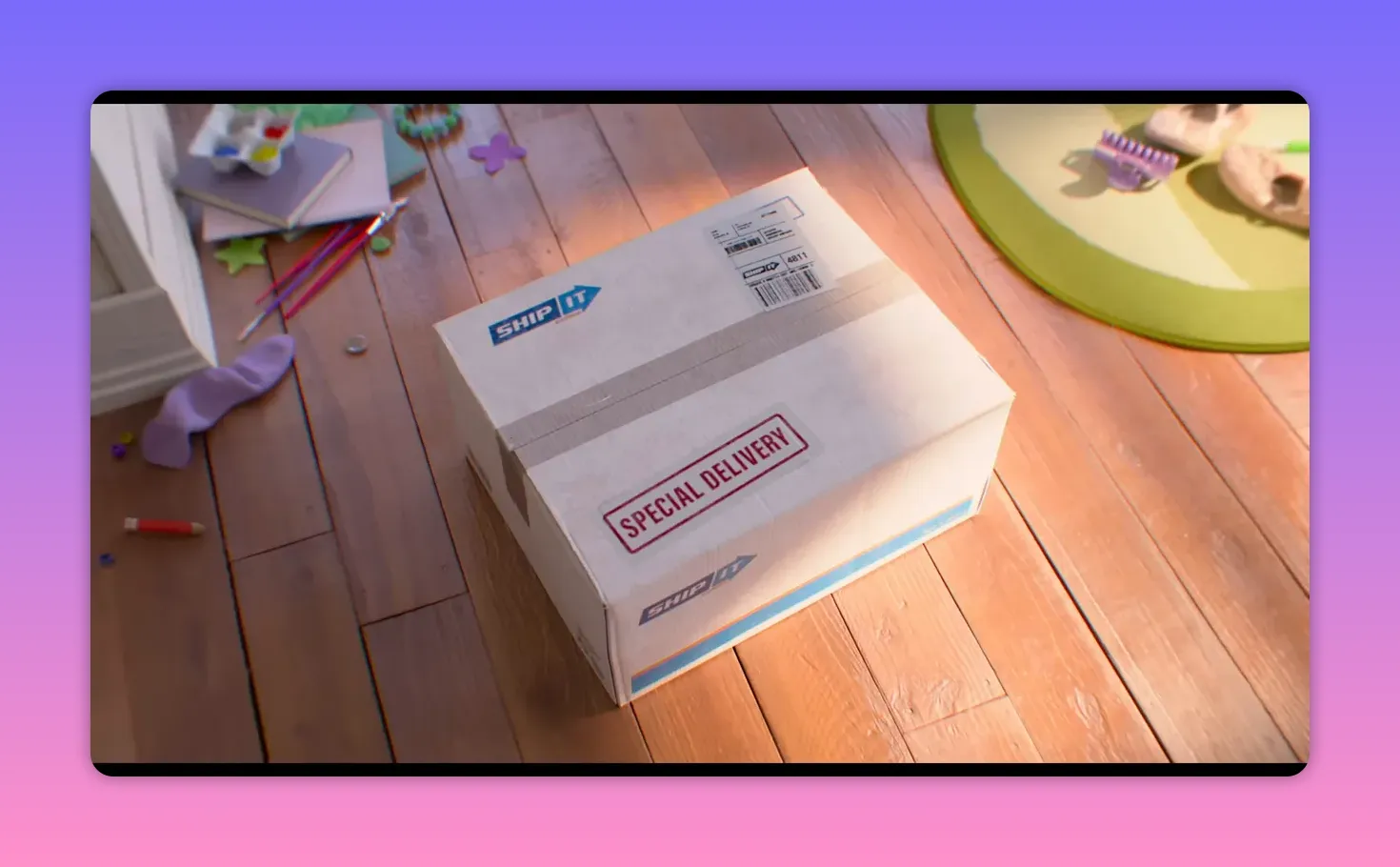
Opening image and the promise of a package
The simplest moments often carry the heaviest weight. A voice, a small delivery, and three words—”Bonnie, there’s a package for you”—set off a chain of feelings that land somewhere between wonder and unease. A package is always promise: new possibilities, a fresh face to love, an object that will be carried into playrooms and backyard adventures. At the same time, a package can be a turning point for an entire group built around one child’s devotion.
That line captures how a single event can ripple outward. Toys are not inanimate in the emotional sense; they exist within the dynamics of a human life. They mark births, trips, first days at school, and the slow drift of attention. A package is both a beginning and a complication. It introduces the potential for new friendships and new rivalries. It asks whether what exists now will fit into what’s next.
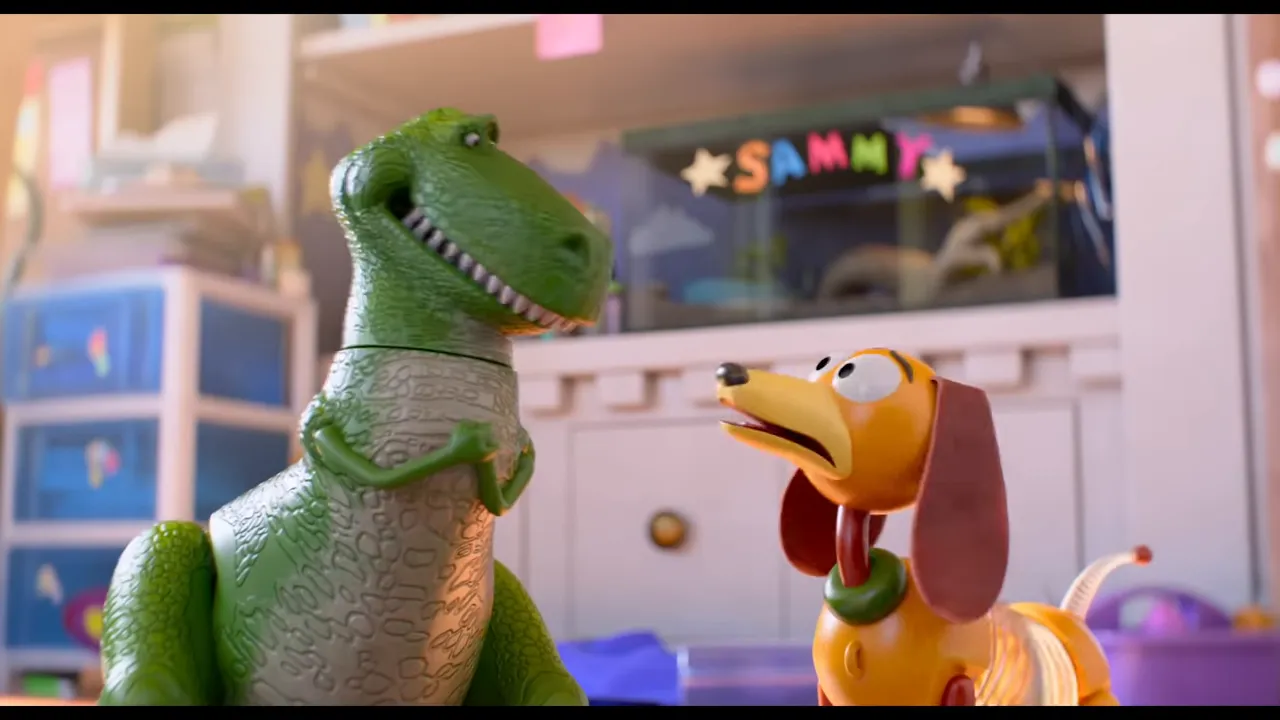
Memory and belonging: “I was standing. You were there.”
There is a distinct tenderness in the short, almost childlike cadence of “I was standing. You were there.” It is a fragment of shared history, like the leftover line from a favorite bedtime story. It evokes a memory of presence—someone standing, someone else there—and in that presence, meaning was made. Toys are built on these moments of presence. The ownership of a toy is less about ownership than about relationship. For toys, being remembered and being chosen is their purpose.
That tiny exchange also doubles as a reminder of the human context: a toy’s whole world is shaped by the attention—play, care, neglect—of the child who loves them. The emotional currency of these stories is nostalgia, but not only for adults. It is nostalgia as a continuing force for toys themselves, who carry their own recollections and attachments forward with whatever fidelity the storytellers grant them.
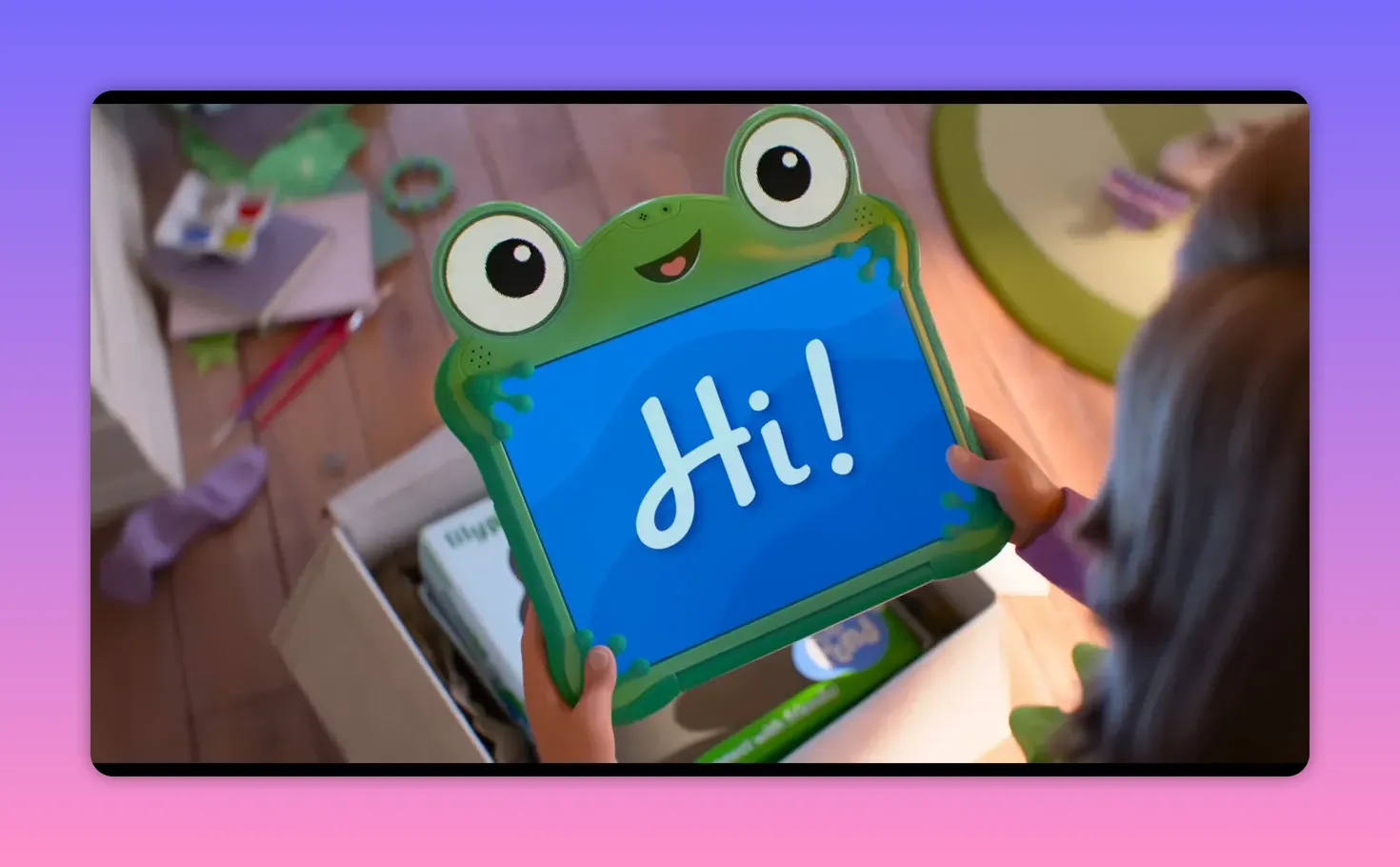
New voices and new toys: who is Lilyad?
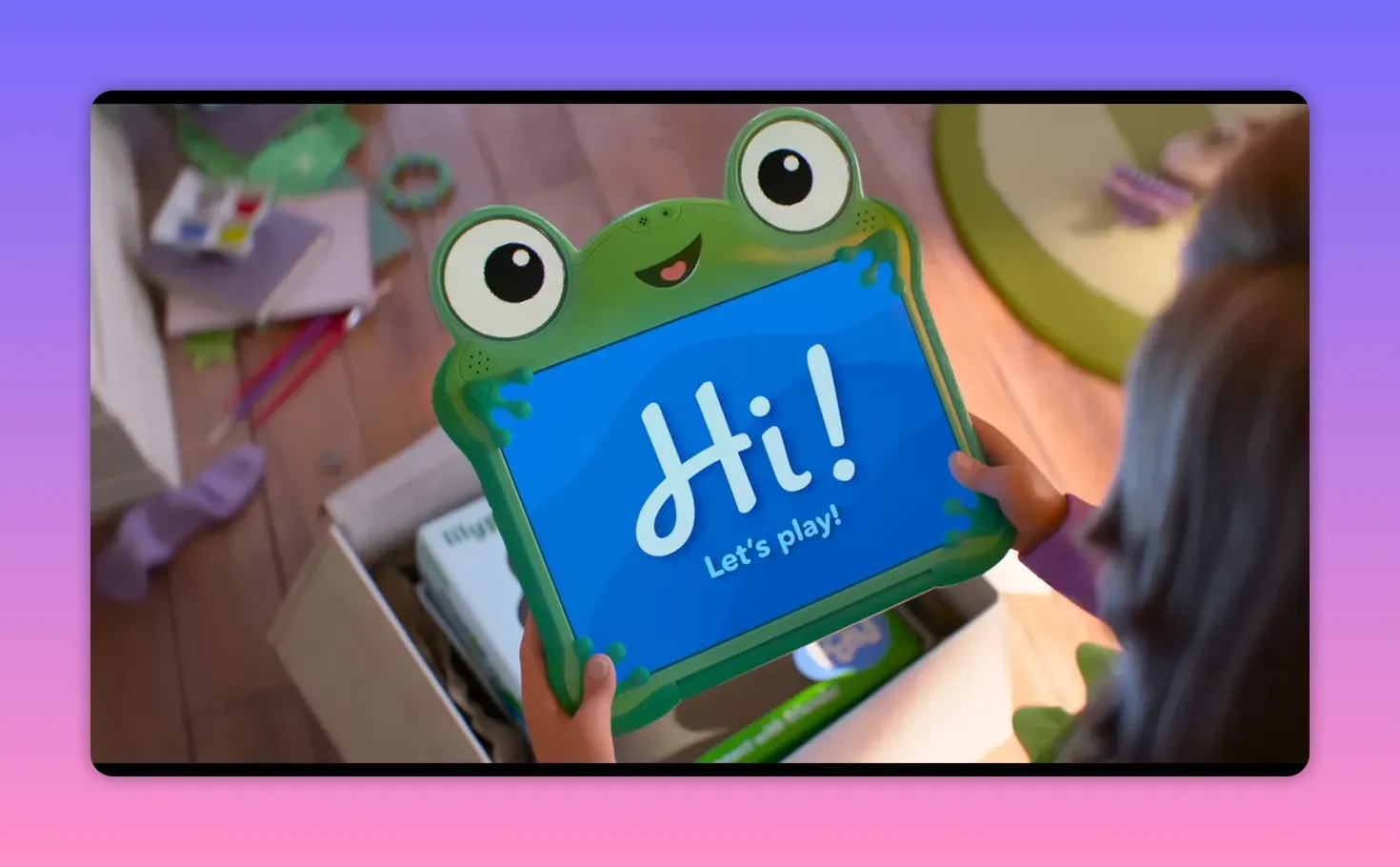
The simple self-introduction—”Hi there. I’m Lilyad. Let’s play.”—is disarming and loaded. It tells us that a new character is ready to step into the center, and it does so with the most fundamental toy imperative: play. Names matter, particularly in this universe. A new name suggests a new personality, a different set of desires, and a fresh set of relationships to test the bonds of the old guard.
Lilyad may already feel familiar: a name that belongs to a toy that is eager, friendly, and perhaps a little mysterious. The structure of the line is important. “Let’s play” is an invitation, not a command. It implies collaboration and the shared rituals of play that define both the toys and the children who animate them. The arrival of a new voice reorients everything. How will the existing toys respond? Will they welcome a new playmate, or will they brace against displacement?
Rising stakes: the line that stops and demands attention
“The world’s colliding” is the phrase that amplifies what might otherwise be a small domestic drama into something much larger. It is an image that suggests intersections and ruptures, where different priorities and realities bump against one another. That collision could be personal—between toys vying for place and affection—or it could be grander, a metaphor for change itself as technologies, tastes, and social structures evolve.

What happens when worlds collide? Boundaries that once seemed secure blur. Playrooms that were safe incisions of childhood can become sites of transformation. Long-held identities are tested. The toys who defined themselves by their relationship to one child may suddenly face the prospect that the child is growing up or that new toys, new play patterns, and new technologies will rearrange the hierarchy.
The age of toys is over? Facing obsolescence
There is a haunting question posed in the promotional line that resonates as both a marketing hook and a philosophical prompt: the age of toys is over…? Toys, once the default companions for childhood play, exist in an era that now includes screens, virtual companions, and rapidly changing cultural appetites. The idea of toys becoming obsolete is not just a plot device. It is a reflection of broader anxieties about aging, relevance, and the meaning of being loved for what one is rather than what one can do.
Toys embody permanence in a world of flux. They are physical repositories of memory, yet they are vulnerable to the same forces that make human lives ephemeral: shifting tastes, the passage of time, and the arrival of the new. The narrative question, then, becomes moral as much as it is dramatic. If toys can sense that their era is passing, what do they do about it? Do they cling to the past, adapt to the new, or find entirely different purposes?
What “the age of toys is over” means emotionally
Emotionally, the suggestion that there is an end to the toy era taps into fears of being forgotten. Many people have had the experience of holding a childhood object and feeling both gratitude and grief. The gratitude is for what those objects offered—a sense of security, companionship, and adventure. The grief is for the inevitable changes that come with growing older. When a cherished object is discarded or replaced, it can feel like a small erasure of identity.
For an audience that grew up with stories about toys who come alive, the stakes are doubled. That narrative world asks us to imagine what happens to beings who define themselves by the love they receive. The drama of obsolescence is not just losing a job or a role; it is losing the very axis of meaning. The best explorations of this theme do not merely dramatize decline. They ask how purpose can be redefined without losing dignity.
Friendship, loyalty, and the rules of play
Toy stories often hinge on a few simple rules about friendship and loyalty. These rules assume trust, care, and a kind of moral clarity. An invitation to play—”Let’s play”—is at once an appeal and a contract. Old friends know the rituals; new friends must learn them. Tension arises when the rituals shift or when someone new arrives who does not know the rules.
The moral universe of toys is both childlike and profound. It treats loyalty as almost religious: do right by your child, and by extension, do right by one another. But what happens when loyalties conflict? A new toy can be a catalyst for growth, or it can expose hidden resentments. Conflict reveals character. It can be the engine that forces toys to negotiate their identities beyond simple categories like “favorite,” “backup,” or “untouchable.”
Character spotlight: the old guard
Any continuation must reckon with legacy characters: the stalwarts who have been the face of this world for decades. They are not static relics; they have histories, scars, and evolved sensibilities. Observing how these characters react to uncertainty provides emotional ballast. Do they show fear, grace, petulance, or bravery? The best outcomes usually come when long-standing personalities are tested in a way that reveals growth rather than stagnation.

These figures also carry cultural expectations. Audiences bring their own memories. The old guard’s choices will have symbolic resonance beyond the immediate plot. Their willingness to let go, to mentor, or to step aside gracefully suggests larger values about time and change. Conversely, their stubbornness can explore the tension between preserving identity and accepting transformation.
Design and imagination: what a new toy implies
A new toy is also an aesthetic event. Toys are designed to be appealing, to invite play, and to spark imagination. The look, voice, and mannerisms of the new arrival signal personality before any dialogue is spoken. A name like Lilyad suggests something lyrical and possibly otherworldly. Her introduction—simple, direct, and inviting—frames her as both approachable and intriguing.
Design choices will matter. Will Lilyad be retro or hyper-modern? Soft and plush, mechanical, or digital hybrid? Each possibility carries a different implication about how play is evolving. Plush toys hearken back to tactile, sensory play. Mechanical or electronic toys suggest interactivity and programmed responses. Hybrids suggest a collision of old and new—exactly the theme hinted at in the idea that “the world’s colliding.”
Speculative plot directions: conflict without spoilers
The narrative possibilities are wide. A few plausible directions include:
- Identity and succession: The toys confront their relevance as new play patterns emerge and adjust their sense of purpose.
- Rescue and reunion: A crisis forces toys to work together, perhaps to save a child or to prevent a permanent loss of play.
- Exploration of the big world: Toys leave the safety of the playroom and encounter different cultural or technological milieus, revealing new truths about themselves.
- Emotional reckonings: A central character faces abandonment or change and must redefine their sense of self apart from their original child.
These directions are not mutually exclusive. A strong story can combine them: a new toy arrives, old friendships are tested, the boundary between past and future is challenged, and a crisis forces new forms of loyalty and creativity.
Why stakes feel larger this time
Two factors amplify the stakes. First, the series has matured with its audience. Those who loved these toys as children are now adults with their own memories and responsibilities. A story that addresses change will resonate because it mirrors the audience’s own life transitions. Second, the cultural context around play has shifted dramatically in the past decade. Digital immersion, changing parenting styles, and evolving toy industries mean that questions about relevance and purpose are not hypothetical.
When stories engage with real anxieties—memory, aging, the fear of being left behind—they become mirrors as well as entertainment. They invite adults to reflect on how they treat their own pasts and to consider how stories for children can also be honest about endings and beginnings.
Artistry and craft: animation, music, and tone
Any memorable installment needs to align craft with emotion. Animation choices—color palette, lighting, texture—shape mood. A warm, sunlit playroom evokes safety. Stark, contrasting visuals can underscore dislocation. Music, too, will play a role. The simple, looping melody that often accompanies toy-centric scenes can be used to signal memory, while dissonant or sweeping orchestration suggests upheaval.

Tonal balance is vital. These stories have traditionally blended comedy with heart. Humor keeps the narrative buoyant. Heart ensures it matters. The trick lies in letting stakes feel real without tipping into despair. Optimism that acknowledges hurt is the most durable form of hope. It trusts the audience—including children—to hold contradictory feelings at once.
Marketing and the reveal: how to build anticipation without spoiling
In an era of instant information, restraint is an art. Small details—a package, a name, an image—can be enough to set imaginations humming without giving away major beats. The promotional strategy here is efficient: evoke curiosity, establish emotional hooks, and let speculation create community. Fans will fill in gaps with their own emotional investments, which is part of the fun.
Announcements also have a ritual rhythm. A teaser sets tone and raises questions. Subsequent reveals deepen understanding. Along the way, each piece of content should expand the conversation rather than satisfy it completely. That way, the anticipation itself becomes part of the experience, a collective rehearsal of hope and concern.
What this means for families and younger audiences
Stories about toys are for children first and for adults second. For children, toys remain immediate sources of joy and learning. A new toy character who says “Let’s play” will appeal to the pure pleasure of imaginative collaboration. Children will see role models in the ways toys treat one another, learn about empathy, and rehearse social roles through pretend play.
For parents and caregivers, these narratives serve as conversation starters. They can help guide discussions about change, sharing, and the value of memories. They can also offer a gentle vocabulary for explaining why people and things change. When characters demonstrate resilience, compassion, or the courage to accept new realities, they provide real-life lessons in miniature form.
Cultural legacy: why this universe endures
There are many reasons why these stories persist. They are grounded in universal experiences: childhood, loss, identity, and loyalty. They treat those themes with respect and make them accessible through humor and adventure. They also honor the intelligence of their audience. The narratives do not talk down to children. Instead, they create layered meaning that different age groups can appreciate on different levels.
Moreover, the emotional economy of these stories is generous. They give space for tears and laughter. They do not insist on tidy resolutions. Instead, they offer movements of trust, growth, and reconnection. That is perhaps why, across generations, they retain the power to move people deeply.
Practical details and release information
Important logistical note: this new installment has a calendar date attached to it. It is slated to be in cinemas on 19 June 2026. That timeline shapes how audiences will prepare physically and emotionally. A theatrical release underscores a communal viewing experience—an out-loud, shared response that streaming can rarely replicate.

Because the franchise has global resonance, this rollout will be followed by regionally tailored promotions and family-friendly campaigns that emphasize intergenerational attendance. For those who care about the craft side of things, expect deeper looks into character design, voice casting, and behind-the-scenes work as the release approaches. Those materials will help contextualize the choices that inform the story and design.
Predictions and hopes
Predictions always risk being wrong, but a few hopes are fair to stake out. First, that the story honors legacy characters while allowing them to evolve. Second, that the new arrival—Lilyad—becomes more than a plot device and is written with emotional nuance. Third, that the narrative treats the question of obsolescence honestly, offering no facile solutions but instead charting a path toward renewed purpose.
Most of all, the hope is that the story remembers the audience’s intelligence. That it treats both joy and grief with equal seriousness. That it invites adults to reconnect with the uncomplicated pleasure of play and invites children to see complexity without fear. A story that can do that will be both emotionally satisfying and culturally meaningful.
How to talk about change with children
Change can be unsettling, even when it is necessary. Use the story’s themes as a bridge to talk with children about transitions. Here are practical conversation points:
- Describe feelings: “Sometimes we feel happy and sad at the same time.”
- Normalize change: “New things can be exciting and still mean we miss old things.”
- Share memories: “What do you remember about your favorite toy? What games did you play?”
- Encourage inclusion: “How could we invite new toys into our games so everyone has fun?”
- Model letting go: “We can keep our memories even if we give away or replace a toy.”
How storytelling shapes empathy
Stories about small characters facing big feelings cultivate empathy in a particularly effective way. They invite readers and listeners to inhabit another perspective without the defensiveness that often accompanies real-world disagreements. In the context of toys, empathy becomes practical. It shows how even beings designed for play have complex emotional lives. This teaches that care extends beyond mere possession and reminds audiences of the ethics of attention.
Behind the name: what Lilyad could signify
Names in these narratives often carry subtle resonances. Lilyad combines syllables that feel floral and lyrical. “Lily” invokes innocence, bloom, softness. The syllable “ad” can suggest movement or address. Taken together, the name might signal something tender that also demands notice. The name is a first impression that invites curiosity about where the character will take the story.
Designing meaningful sequels
Sequels have a special responsibility. They must honor what came before while offering something genuinely new. The most successful continuations do not replicate familiar beats so much as they reinterpret core themes for a new moment. That means embracing risk: new emotional stakes, new conflicts, and new contexts. Doing so without betraying the essence of the original is the art.
Final reflections
At its core, this story is about presence: the small acts that make a life meaningful and the way attention can be both a gift and a threat. A simple package, a whispered memory, a new voice—these are the elements that can open a big conversation about time, value, and the human need to be seen. The best outcomes will hold onto the laughter and adventure while allowing space for grief and growth.
There is comfort in the promise of play. “Let’s play” is an invitation to keep trying, to keep imagining, and to keep loving. It is also an acknowledgment that play will change. That acknowledgement, offered with warmth and honesty, is how stories become lasting rather than merely nostalgic.
When will Toy Story 5 be in cinemas?
Toy Story 5 is scheduled to be in cinemas on 19 June 2026.
Who is Lilyad and what role might she play?
Lilyad is introduced as a new character who invites play. Her arrival likely catalyzes change within the existing toy community, raising questions about identity, belonging, and how toys adapt to new social dynamics.
What themes does this story appear to explore?
The story explores themes of obsolescence, memory, loyalty, and transformation. It considers how toys (and by analogy, people) respond when their familiar role is challenged by new arrivals, technologies, or shifting affections.
Is this meant for children only?
While suitable for children, the themes are layered to resonate with adults as well. The narrative addresses universal experiences like change, nostalgia, and the search for purpose, making it meaningful for multiple generations.
How should parents use this story to talk about change?
Use the narrative as a prompt to discuss feelings, normalize mixed emotions, and encourage inclusion. Ask children about memories associated with their toys, and model compassionate responses to transitions, such as when toys are replaced or outgrown.
Will the tone be nostalgic or forward-looking?
The tone balances nostalgia with forward motion. It honors past attachments while posing new challenges that require adaptation and growth, creating emotional depth without losing hope or humor.
How can fans stay updated?
Official release calendars and studio channels will publish updates about casting, character reveals, and behind-the-scenes material as the release approaches. These will offer deeper insights into design, voice talent, and story development.


