

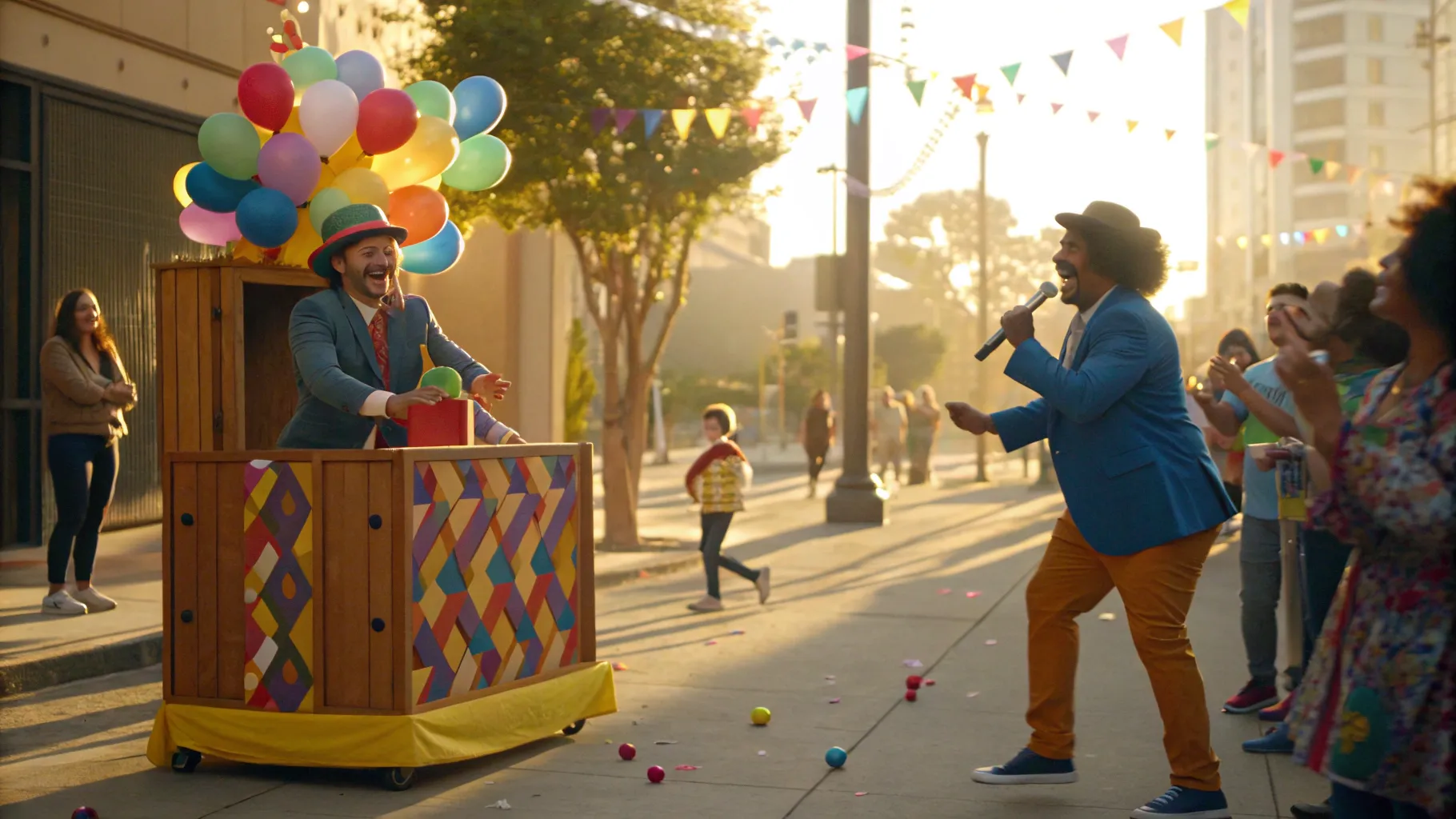
There is something delightfully unpredictable about taking a gameshow format out onto the street. I found that out the hard way, several times, amid toppled props, panicked contestants, and laugh-out-loud moments that made strangers into co-conspirators for a minute. Playing games in public strips everything back to basics: rules, quick thinking, and a willingness to make a fool of yourself for a shot at something magical. That blend of high stakes and pure silliness is why I keep doing it.
Where chaos meets charm: turning casual passersby into players
Public games live or die on two things: approachability and pace. If people can understand the rules in a sentence and feel like they can win something worth trying for, they’re in. If you add a few visual cues—a silly hat, a big plush, or a prop with obvious use—you boost curiosity instantly. That’s the essence of what I like to call street-level theatre: a tiny show that anyone can step into.
One thing I learned early on is never to underestimate the power of a quick icebreaker. A line delivered with confidence, a wink, or even a deliberately daft comment cuts through suspicion. I’ll never forget walking up to someone and saying, “You’re on a second date. A second date to be forgotten.” The laugh I got told me everything I needed to know: they were already halfway committed. People will play if they feel invited, not recruited.
Simple formats that explode into unforgettable moments
Keep the game easy to join, but with just enough challenge to make success satisfying. A handful of formats work perfectly for this setup:
- Timed guessing — Give a player a prop or clue and 10 to 20 seconds to name as many correct answers as possible. It’s fast, tense, and spectacular when someone chokes under time pressure or pulls off a miracle answer list.
- Beat-the-host — The player must match or beat a short performance by you. That can be anything from dancing to miming. It sets a playful standard and invites improvisation.
- Quick-pick choices — Present two options and make the contestant commit. The reveal is the payoff. Keep stakes low but noticeable; people will risk more for something they can see and want.
These formats served me well in countless attempts, including a few that went spectacularly sideways. When things go wrong, they become gold—genuinely memorable content and pure human comedy.
How nerves change everything (and how to use that)
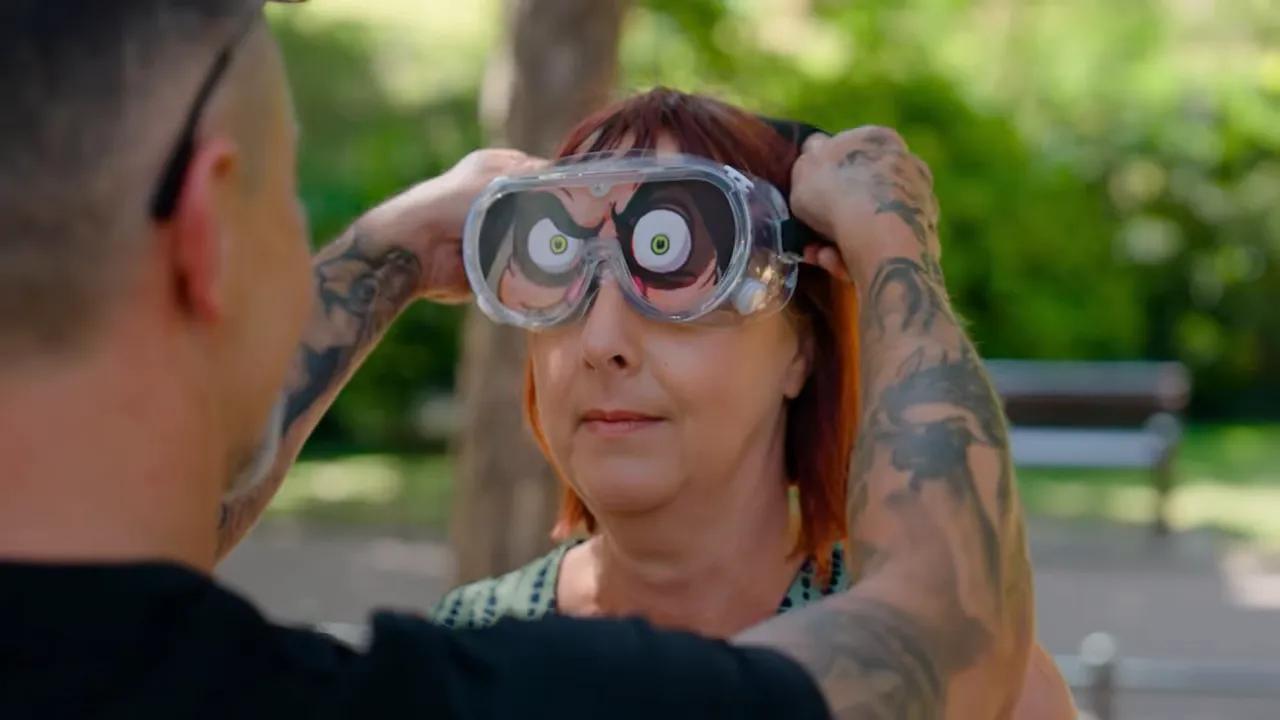
Nothing exposes the human element faster than a countdown. I’ve seen people switch from confident to quivering in a heartbeat. One moment they’re shrugging on a ridiculous prop like they’ve worn a t-shirt all their life; the next they’re whispering like they’re confessing to something deeply embarrassing. My favorite example was a round that started with the line, “These keep falling off,” and ended with a contestant in full panic mode. The spikes of emotion make or break the moment.

To handle this, lean into the panic rather than smoothing it out. Let the contestant feel the pressure; it makes successes brighter and failures funnier. If you’re hosting, narrate with warmth and encouragement. Small reassurances like, “You’re doing great,” or “Just one more answer,” can keep someone in the game long enough to surprise themselves.
When improvisation turned risk into delight
Street games force improvisation. Props break, shoes tie, wind steals hats. That’s when quick thinking matters. If a prop falls or the noise level spikes, adapt the rules or add a small reward for creativity. I once had a prop that kept falling off during a round, which should have stopped the whole thing. Instead, I made the falling a rule: every time it fell, the player had to do a tiny task or sing a line. The crowd loved it, and so did the contestant—suddenly the chaos was built into the fun.
Remember: the audience is forgiving when they’re entertained. They’ll hoot at everything from a near-tip of the stage setup to a participant who gives the most ridiculous answer and commits to it. That commitment is what turns a misstep into a highlight.
Iconic lines that double as charm and challenge
There are a few verbal moments that consistently light up a crowd. Lines that sound specific but remain playful spark immediate reactions. Try something like, “Would be terrifying if someone said no,” or a cheeky “Do you love each other?” when encouraging teammates to support each other. Abrupt, silly lines break awkwardness and set a tone that invites laughter rather than embarrassment.
These one-liners also create rhythm during the game. Use them as a beat between rounds to reset the energy, especially when people are getting tense. A ridiculous comment can change the atmosphere instantly from competitive to communal.
Designing a challenge: the “It’s a Small World” twist
One staple that works incredibly well is a lightning-round guess game that I call an “It’s a Small World” challenge. The idea is to show a prop, character, or image very briefly and ask players to name it. You can adapt the difficulty by changing the reveal time, giving a category hint, or offering a visual cue. For example, show a cowboy hat, then say, “Name the Toy Story character,” and watch how quickly contestants associate the hat with Max or Woody.
Why this format works:
- It’s visual and immediate. No long rules to explain.
- It favors quick recall, which creates suspense.
- It invites playful debate and banter between player and host.
One of the funniest outcomes is watching someone confidently name something incorrectly, then double down. The courage to commit fuels crowd reaction. If you add a short time limit—say, five to ten seconds—you multiply the pressure and the entertainment value.
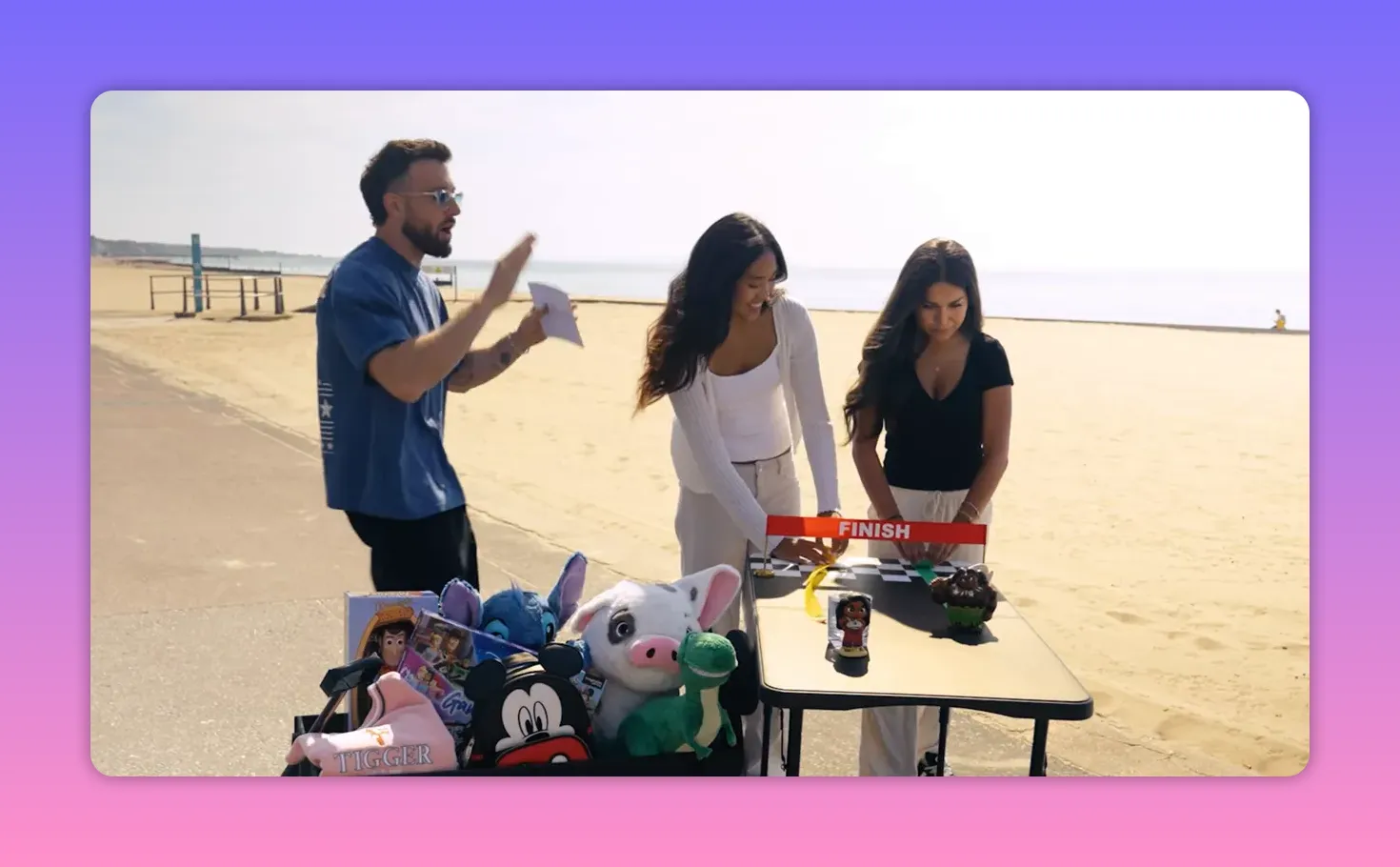
Props matter: make them obvious, tactile, and funny

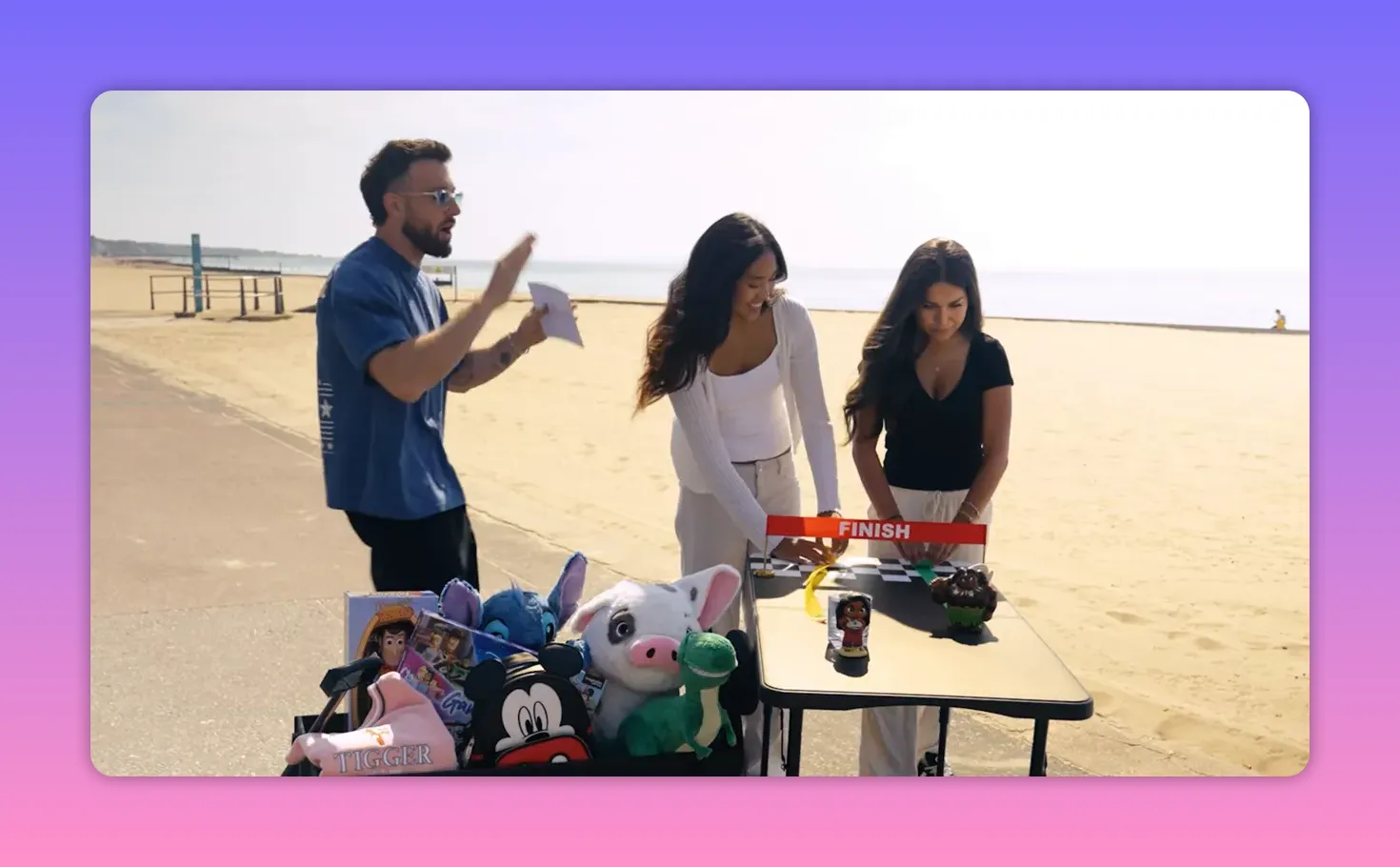
Props are the visual hook that draws people in. Choose things that are instantly recognisable and fun to touch. A cowboy hat, a giant plush duck, or something silly like a novelty mullet transforms a bystander into a performer. They also act as shorthand for the game’s theme, which speeds up participation.
Here’s a quick checklist for great props:
- High recognizability — A prop should be identifiable at a glance.
- Robustness — Street conditions are harsh. Use items that can handle being dropped or hugged.
- Play value — The prop should invite action: put it on, kiss it, hand it back, or hold it out dramatically.
- Rule potential — Make a prop a game mechanic. If it falls off, something happens.
When a prop becomes part of the rules, it amplifies every stumble and success. One game I ran had a rule that if a particular item fell, the contestant had to perform an extra task. That one tweak turned multiple small fail moments into show-stopping bits.
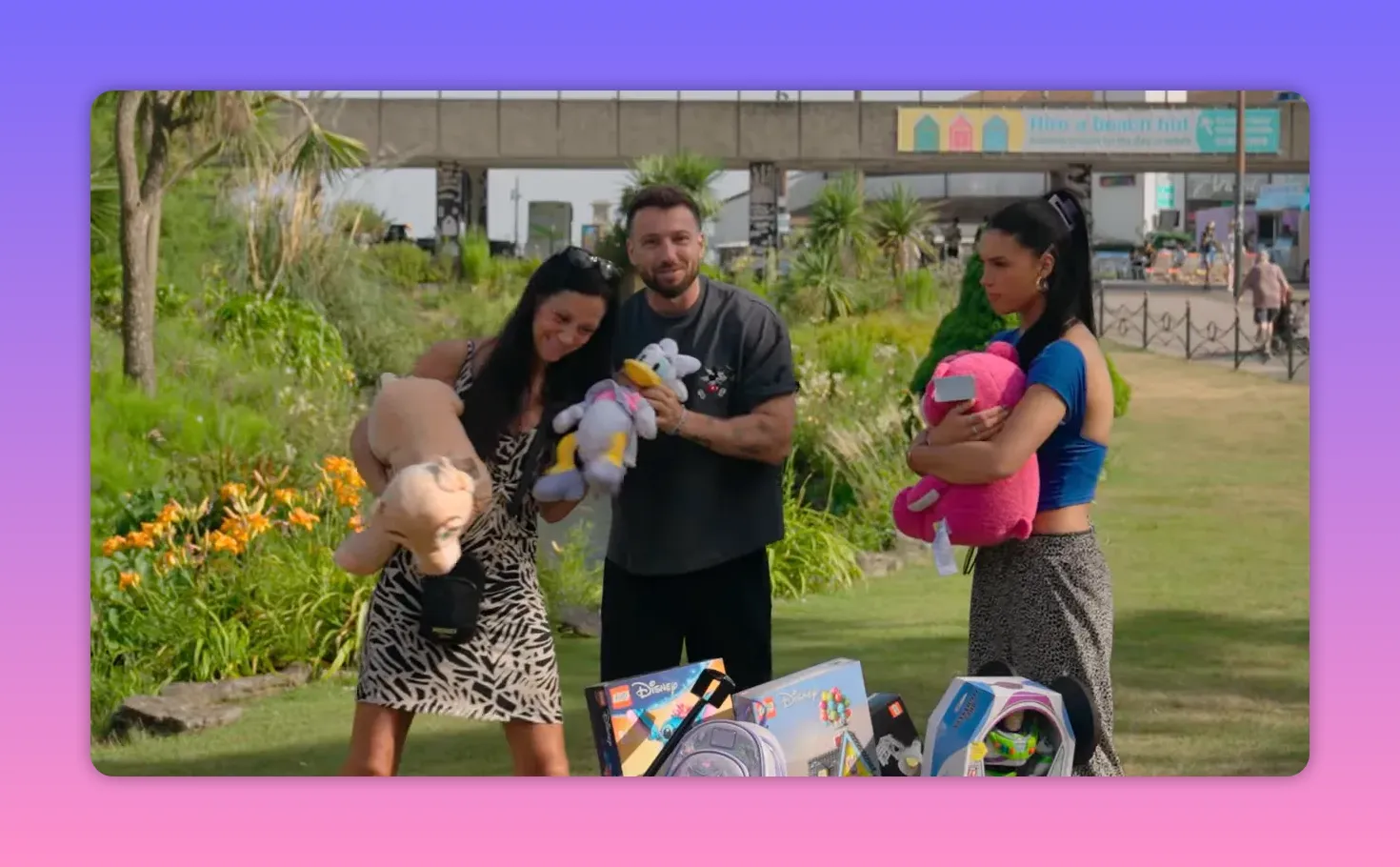
The anatomy of a great fail
Let’s be honest: fails are often the highlight. Not because people are hurt or humiliated, but because human error is relatable. A great fail has a setup, a spike, and a reaction. The setup is the calm before the storm—the confident line or the easy rule. The spike is when things go sideways—props tipping, a missed obvious answer. The reaction is the social glue: laughter, gasps, comforting pats, or the crowd chanting encouragement.
Failures become legendary when the host and the player lean into them rather than try to hide them. A good reaction from the host might be theatrical exasperation or a dramatic slow clap that turns embarrassment into applause. I once yelled “KNIFE” in mock horror during a bit to punctuate a chaotic reveal; the crowd lost it. The louder the reaction, the safer the contestant feels—and the better the memory becomes.
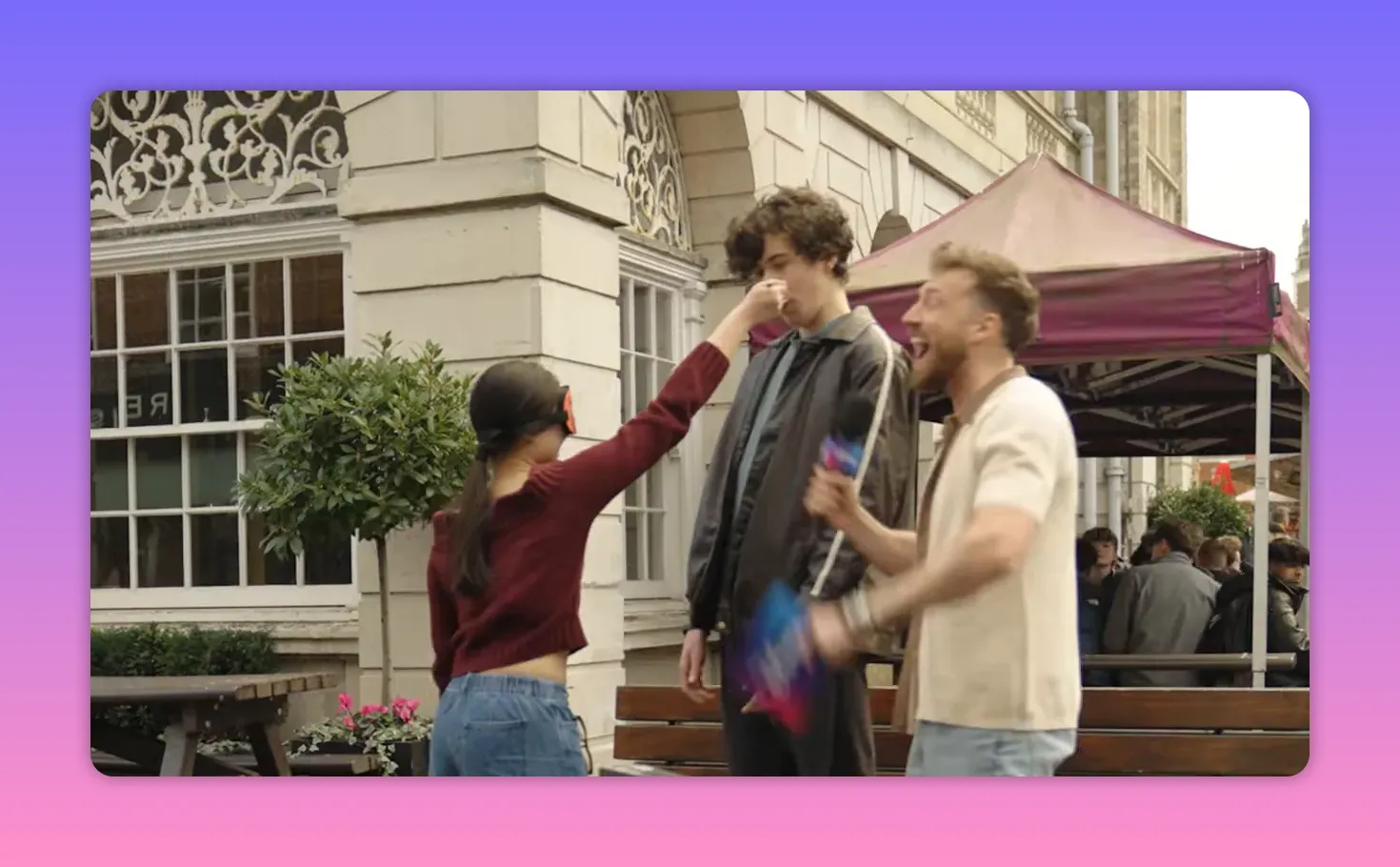
Managing fairness and flow
Even in chaotic fun, fairness matters. When multiple people want in, set clear turn rules and keep rounds short so more people can participate. If you give someone an extra second to answer, give everyone that same second. Small inconsistencies lead to grumbles, which kill the joyful energy.
Flow is about momentum. If the crowd is laughing and engaged, keep the rounds coming. If attention drops, reset with a short interactive moment like asking the group to guess something together. That brings focus back and primes the next participant.
Prizes that feel like prizes
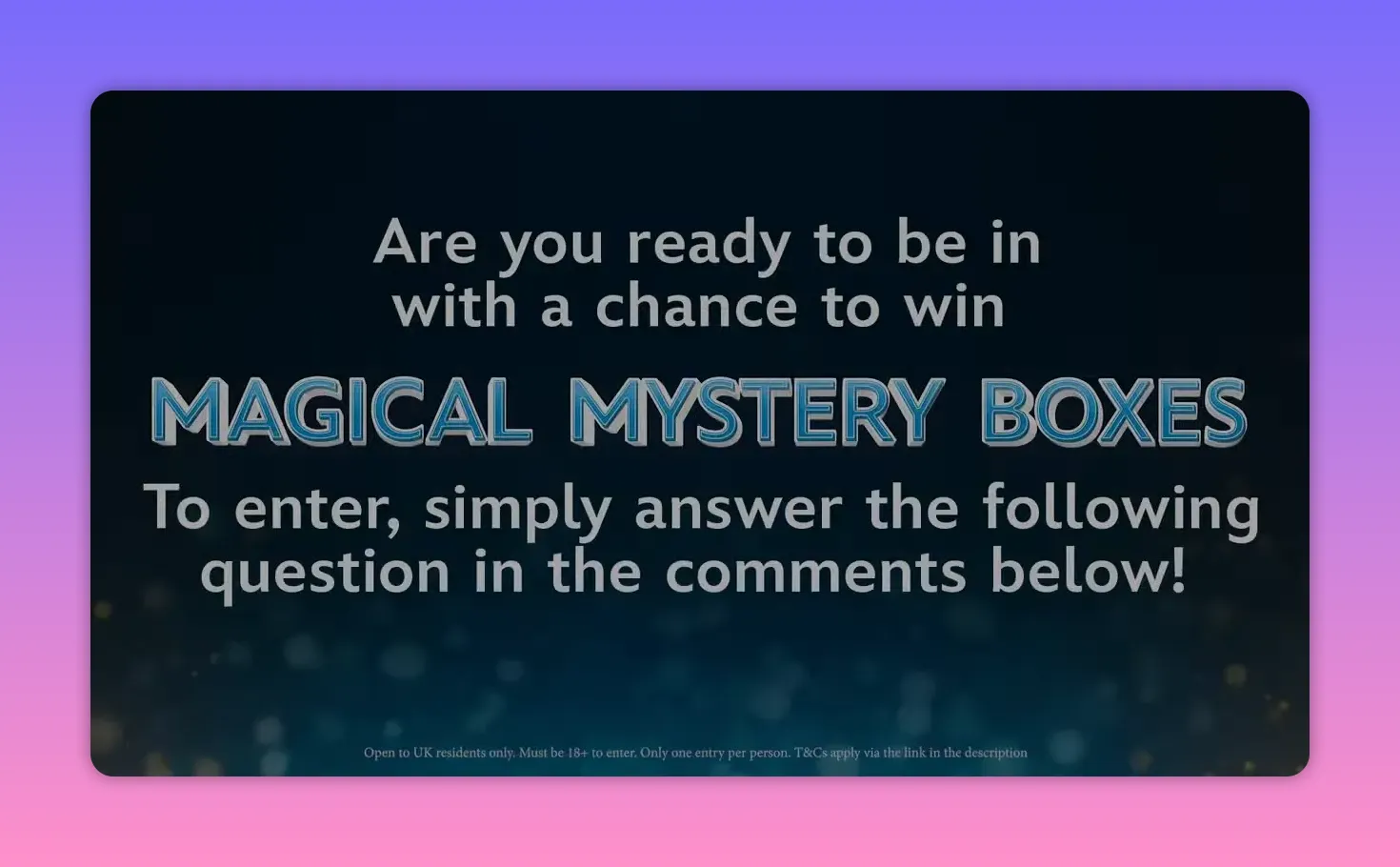
People will squeeze themselves into strange positions for the right reward. Make the prize visible and desirable. A “Magical Mystery Box” worth a set amount is perfect because it’s tangible and feels exclusive. Even small prizes work if they are presented as special—wrap it, give it a flourish, make the handover a ceremony. The ritual of winning is as meaningful as the item itself.

For promotional events, make sure to be transparent about eligibility and rules. A clear call to action and straightforward T&Cs keep things above board and prevent misunderstandings. For instance, competitions that run for a set period and are open to specific regions or ages should say so plainly so everyone knows what they can win and who can enter.
Turning strangers into an audience and then friends
Street games are social glue. They create tiny communities, if only for a few minutes. A good host uses that to their advantage by encouraging applause, chanting, and direct involvement. Ask the crowd to vote with a cheer, or invite them to give quick clues. The louder the involvement, the more engaged everyone becomes.
One of the most satisfying moments is seeing people leave with a grin after participating—not because they won, but because they were part of a shared experience. That’s the real prize.
Common mistakes and how to avoid them
Even with experience, mistakes happen. Here are the most frequent culprits and how to fix them:
- Poor setup — Unsteady props or bad spacing can cause accidents. Test everything in the environment first.
- Unclear rules — If you lose people at the start, you lose them forever. Practice a 10-second rules spiel that covers eligibility, objective, time limit, and prize.
- Overcomplicated games — Simplicity wins on the street. Keep rounds short and objectives simple.
- Ignoring the crowd — The crowd is both audience and participant. Engage them directly to sustain atmosphere.
- Forgetting accessibility — Think about participants with mobility or hearing differences. Offer alternatives so everyone can play.
Top 10 tips for hosting memorable public game rounds
- Be ridiculously welcoming — Smile, make eye contact, and use a playful opener.
- Explain the game in one sentence — Clarity matters when attention is short.
- Use bold props — Bright, tactile items invite participation.
- Keep rounds under 30 seconds — Fast rounds mean more players and more laughs.
- Have a fallback rule — If something breaks, have a simple swap or penalty that keeps momentum.
- Encourage the crowd — Audience energy multiplies fun.
- Reward effort as well as success — Consolation rewards keep people smiling regardless of outcome.
- Prioritize safety — No stunts, no dangerous props. Be silly, not reckless.
- Capture moments discreetly — A camera on a tripod or a subtle phone rig is enough to document highlights without disrupting the vibe.
- End with a ceremony — Make prize handover special so winners feel celebrated.
How to stay calm when everything is going off script
Pressure is part of the fun, but you still need to steer the ship. The trick is to breathe, narrate, and delegate.
First, breathe. Seriously. A steady host breathes audibly and sets a tempo for the round. Then, narrate what’s happening. Describe the action and be generous with praise. Finally, delegate small tasks to the crowd. Ask them to count down, clap, or decide a tiebreaker. Giving the audience something to do reduces the burden on you and increases their sense of ownership.
Why authenticity beats polish
There is a temptation to make everything slick: neat backdrops, perfect lighting, rehearsed lines. Those things have their place, but on the street, authenticity outscores polish every time. The audience wants to connect with real reactions: the nervous laugh, the bemused shrug, the unplanned embrace of a nested prize. When you allow vulnerability and unscripted moments, magic happens.
People remember authenticity. A player who kisses a plush toy and then almost cries at the silliness is more memorable than a flawless but sterile win. Your job as a host is to amplify those authentic moments and make them feel celebrated.
Creating replayable moments

Not every moment will be shareable, but a few will crack the surface and become repeat clips. Those are the bits you want to design for: visual punchlines, call-and-response setups, and emotional payoffs. Think of the sequence as a mini-story:
- Introduction: The setup and choice
- Complication: The tension or fail
- Resolution: The reaction or reward
When all three are present, you’ve got a moment that people will want to rewatch and share. Keep scenes short, clear, and loud—both literally and figuratively.
Legal and ethical considerations for public games
Running games in public involves more than good cheer. There are legal and ethical issues to keep in mind. If you’re giving prizes, make rules clear and compliant with local regulations. If recording, always get permission for recording from participants before you publish anything. If the event is promotional and tied to a brand or prize draw, make eligibility and T&Cs readily available to avoid confusion.
Keep safety first. No dangerous props or physical challenges that could lead to injury. If the weather turns, have a plan to stop or move. Treat participants with respect and dignity, and never single someone out in a way that could cause embarrassment beyond the game’s tone.
Examples of microgames that always work
Here are a few quick ideas you can adapt to your surroundings:
- Name That Hat — Show a hat and ask the contestant to name the associated character within five seconds.
- Prop Pass — Players must pass a prop down a line without dropping it; if it falls, perform a silly penalty.
- One-Word Clue — Give a one-word clue about a character and have the participant guess within ten seconds.
- Minute Mime — Mime an action in 60 seconds; the crowd guesses.
- Rapid Fire — List as many items from a category as possible in 20 seconds.
From local park to televised energy: keeping the spark alive
Scaling this energy beyond a park means respecting what makes it work: spontaneity, stakes, and human connection. Larger productions add structure without losing the essential unpredictability. Bring the same quick-start rules, reward rituals, and visible prizes. Keep rounds short, and have multiple hosts to maintain pace. Above all, hold onto the spirit of play—people sense when something is staged versus when it’s alive.
Reflections from the field: what I learned
Over dozens of games, the recurring lesson has been simple: let people be human. If you try to force perfection, you lose what makes public games special. When someone uses a prop as a microphone and belts a nonsense song, or when a contestant kisses an absurd plush out of gratitude, those are the moments that stick.
Another key takeaway: never predict which moment will go viral. The most rehearsed bits fall flat, and the tiniest unplanned gesture becomes a classic. Approach each game with rules and structure, but allow space for the unexpected. That is where both the laughs and the lessons are hiding.
Contests and promotions: how to make entry simple and fair
Promotions work best when entry is straightforward. If you want people to enter a competition, ask for one clear action—comment with an answer, complete a simple form, or perform a small act of participation. Make deadlines obvious and repeat them. If geography or age limits apply, state them up front to avoid disappointment. For example, if a competition is open only to residents of a particular country and has an age minimum, include that in every announcement.
When choosing winners, consider transparency. Publicly announce when a draw will happen and how winners will be contacted. Warn participants about impersonators and highlight how official communication will occur. Making the process visible builds trust and increases engagement for future promotions.
Making the moment last: sharing highlights responsibly
Sharing clips is a powerful way to extend the reach of the experience, but it comes with responsibility. Always secure consent from participants before posting. Edit with context; a short clip of someone failing without their laughter or the prize reveal can look mean. Show the entire arc: setup, failure or success, and reaction. That preserves the dignity of the participant and keeps the tone positive.
Closing notes: why I keep doing this
There is genuine joy in turning a random afternoon into a mini celebration. Games create space for strangers to become a momentary team. They let people try something silly and win something that feels special. That combination of risk, reward, and human connection is addictive.
If you plan to host your own public games, remember the fundamentals: keep it simple, make the prize visible, use bold props, and treat every participant like a star. When you do that, chaos turns into charm, and every near-disaster becomes a story worth telling.
Frequently Asked Questions
What are the essential rules for running quick public games?
Keep rules short and clear: state the objective in one sentence, set a strict time limit, define eligibility, and explain how prizes are won and awarded. Use consistent rules for every round to maintain fairness and keep rounds under 30 seconds to sustain momentum.
How do I choose props that work in outdoor conditions?
Pick durable, weather-resistant materials that are easy to clean and hard to break. Props should be instantly recognisable and invite physical interaction. Avoid small pieces that can be lost in grass or soil and use bright colours to maintain visibility in crowded spaces.
How can I keep participants comfortable when they get nervous?
Offer short, warm encouragement and keep rounds brief. Give a simple rehearsal run without pressure, or allow a buddy to stand with them. Narrate victories and missteps positively, and have a consolation reward for brave attempts.
What should I do if a prop or setup fails mid-game?
Have a fallback rule ready, such as a quick penalty, a replacement prop, or an alternate short task. Announce the fallback before you start to keep things fair. Turning the failure into an additional rule can add entertainment value rather than causing frustration.
How do I handle permissions and legal requirements for contests?
Provide clear terms and conditions that state eligibility, entry methods, deadlines, and prize details. Obtain written consent from any participant who will be recorded and intend to publish footage. If running a public promotion, check local regulations for prize draws and disclosures.
Can these games be adapted for indoor events?
Absolutely. Indoor events allow more control over sound and lighting, but the same principles apply: keep rounds short, use tactile props, and encourage crowd involvement. Adjust space and safety considerations accordingly.
What prize ideas work best for these games?
Tangible, visible prizes like themed boxes, plush toys, or gift vouchers perform well. Make rewards feel special by wrapping them or presenting them ceremonially. Small consolation prizes for participation keep morale high even when contestants don’t win top prizes.
How do I make moments shareable without exposing participants?
Capture the full sequence with consent: setup, action, and reaction. Avoid short clips that show only a fail without context. Use captions to explain what happened and highlight the participant’s positive response. Secure consent before posting and offer to share the final clip with participants directly.


