

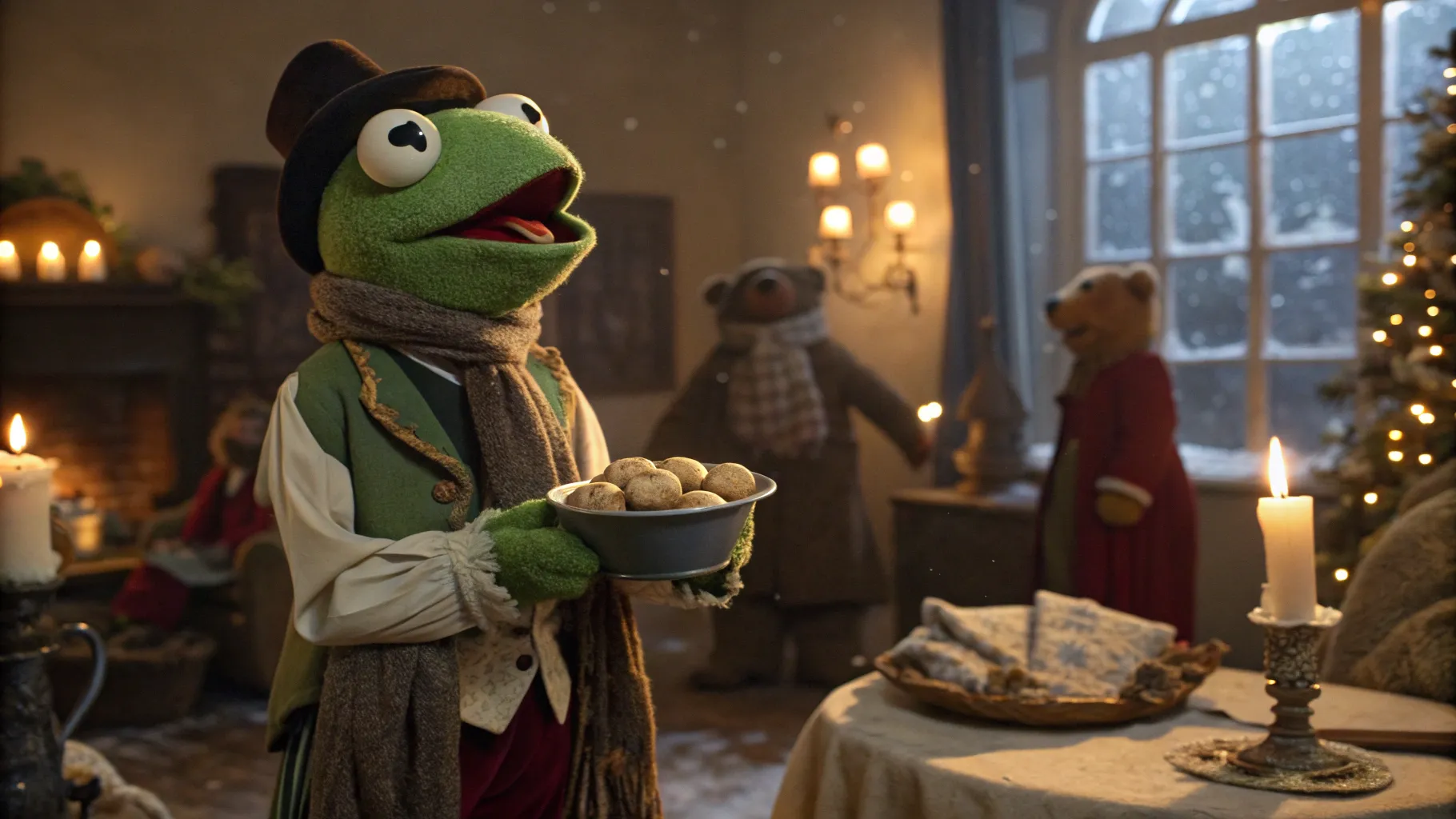
On a cold Christmas Eve, a bowl of mince pies, blankets piled high and a familiar opening tune, there is something oddly fierce and tender about the version of A Christmas Carol where a frog wears a Victorian waistcoat and a rat provides running commentary. The Muppet Christmas Carol is a mashup that somehow manages to be riotously funny, unexpectedly dark, emotionally honest and deeply respectful of Charles Dickens. It is equal parts mayhem and reverence, and that tension is the reason it has become a holiday perennial.
How a puppet empire found its new voice
When a franchise loses the visionary behind it, identity becomes a high-stakes question. Jim Henson created the Muppets: Kermit, Miss Piggy, Fozzie, Gonzo, and a cast of characters who felt immediate and beloved. His passing in 1990 left a conceptual vacuum. Into that space stepped Brian Henson, his son, at just 28 years old, suddenly responsible for stewarding an entire world of characters and expectations.
Brian faced a choice: keep the Muppets trapped in the same safe formula or push them into new territory. Partnering with a studio known for family entertainment opened a path to expand the brand. The decision to combine Dickens and the Muppets was surprising and risky, but it proved wise. It allowed the Muppets to flex a new range—capable of true theatricality as well as irreverent comedy—while honoring the storytelling traditions that had always underpinned Jim Henson’s work: warmth, curiosity and emotional truth.
Why Dickens fits the Muppet world
At first glance, Dickens and the Muppets seem like unlikely companions: one is a 19th century moralist and dramatist famed for atmospheric social critique; the other is a ragtag troupe of puppet comedians. Yet they share a core sensibility. Dickens wrote about human transformation. He used theatricality—vivid characters, ghostly visitations, moral reckonings—as a way to persuade readers toward empathy. The Muppets are theatrical by nature. They exaggerate to reveal truth.
So when a puppet frog introduces orphaned children or a singing crustacean interrupts a moment of pathos, it is not entirely out of place. The Muppets’ comic instincts let them puncture sentiment at the right moments, while Dickens’ structure supplies stakes and purpose: a miser confronted with his own failings and offered the chance to change. That central moral arc remains intact.
Gonzo as Dickens: a narrator who honors the original text
One of the film’s cleverest choices is to cast the Muppets themselves—specifically Gonzo the Great—as the narrator. Gonzo’s performance is an outrageous, affectionate riff on Dickens: a blue, eccentric “Charles Dickens” who parades through the story with Rizzo, his irreverent rat sidekick. The joke is immediate and silly, but it conceals a serious commitment to the source. Remarkably, around 95 percent of Gonzo’s narration is lifted directly from the novel. That fidelity keeps Dickens’ language and rhythm alive, even as the Muppets put their own spin on the material.


Gonzo’s narration performs two jobs at once. It entertains—Gonzo is a natural scene-stealer—and it preserves Dickens’ voice, making the story feel authentic rather than merely pastiche. That blend of respect and mischief is crucial. The story remains Dickens’, but it is filtered through the Muppets’ sensibility, creating a hybrid that feels fresh and earnest.
Michael Caine’s Scrooge: acting like Shakespeare
Casting Michael Caine as Ebenezer Scrooge is one of the film’s most inspired moves. Caine brought gravitas and discipline to a part that could easily have become a caricature in a movie populated by puppets. He insisted on a single rule: he would never perform “muppety.” He would treat the role as if performing Shakespeare, never breaking the fourth wall or acknowledging that his co-stars were puppets.
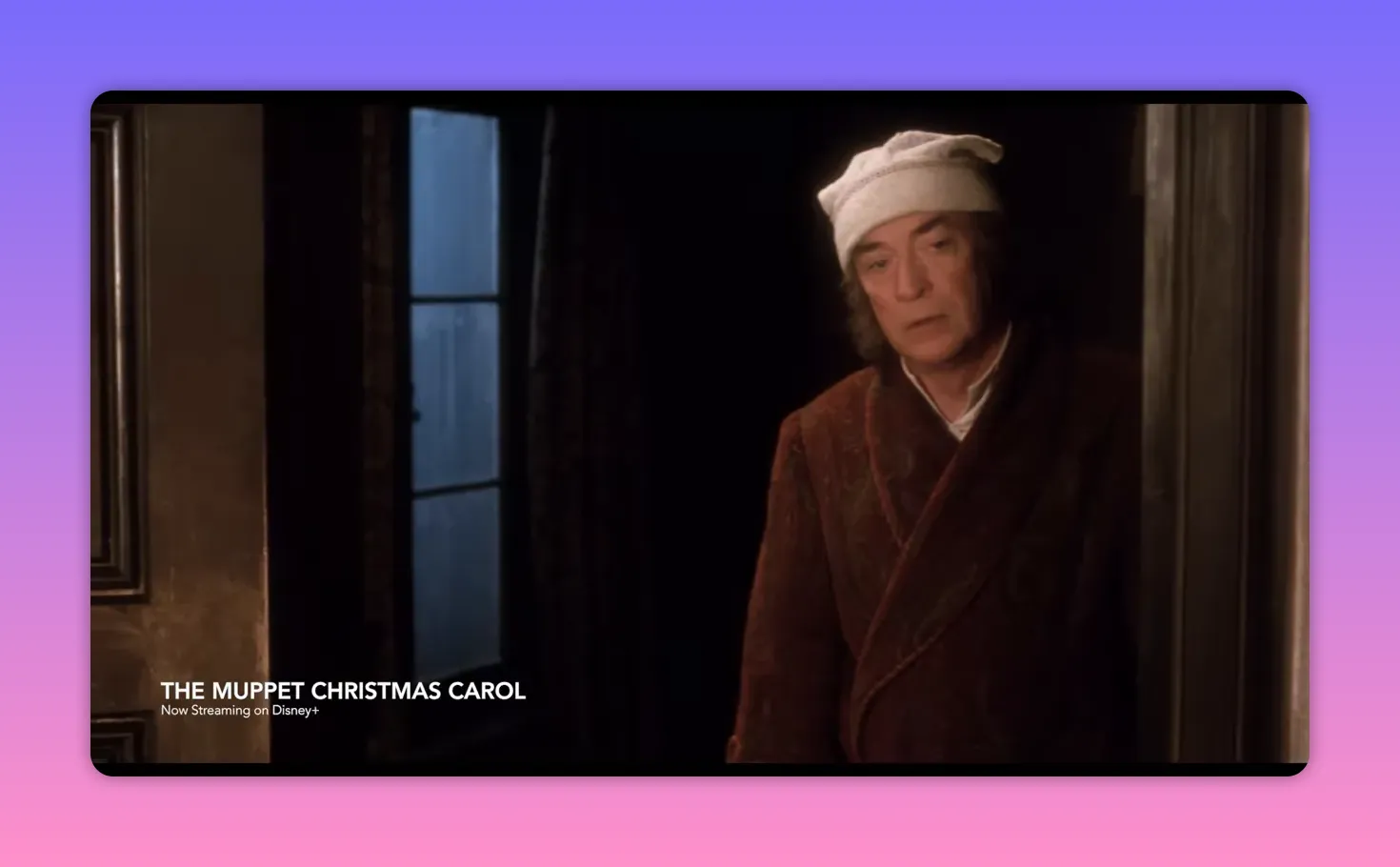
That commitment created a powerful contrast. Caine’s grounded, theatrical Scrooge provides an emotional anchor. His cold, measured presence makes the Muppet moments feel less like comic interruptions and more like illuminations of a real human story. The tension between a stern human actor and impulse-driven puppets sharpens the film’s themes: light and dark, hope and despair, cynicism and compassion.
Kermit and Miss Piggy as the Cratchits: optimism in small things
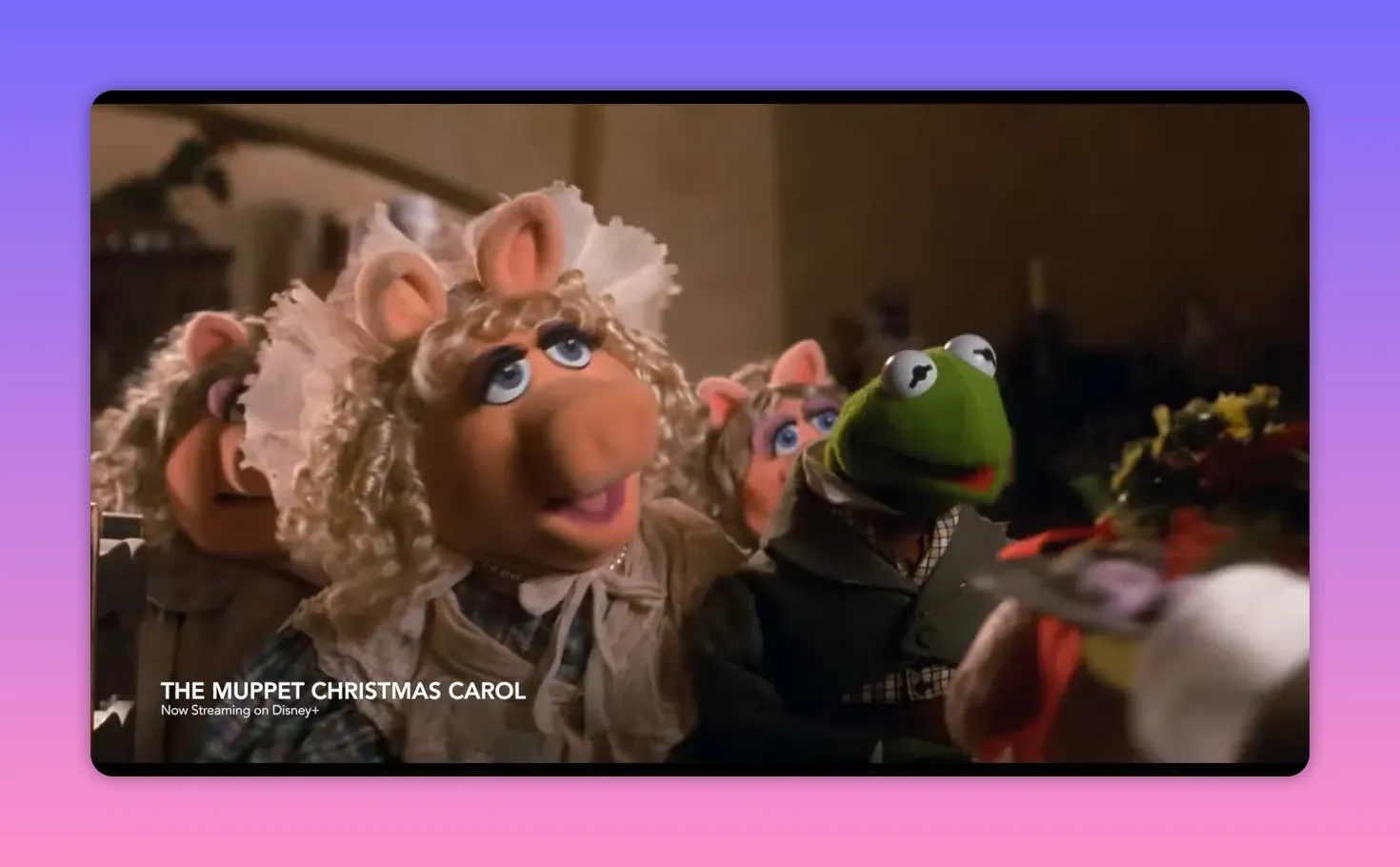
There is a tender reason why Kermit was cast as Bob Cratchit. Kermit’s voice carries a quiet, undaunted optimism—an everyman hope that things will be all right despite the evidence to the contrary. That quality softens the film’s harsher edges and makes family scenes genuinely moving. Miss Piggy, as Mrs. Cratchit, brings warmth, comic flair and theatrical affection, creating a Cratchit household that feels both grounded and very much the Muppets.
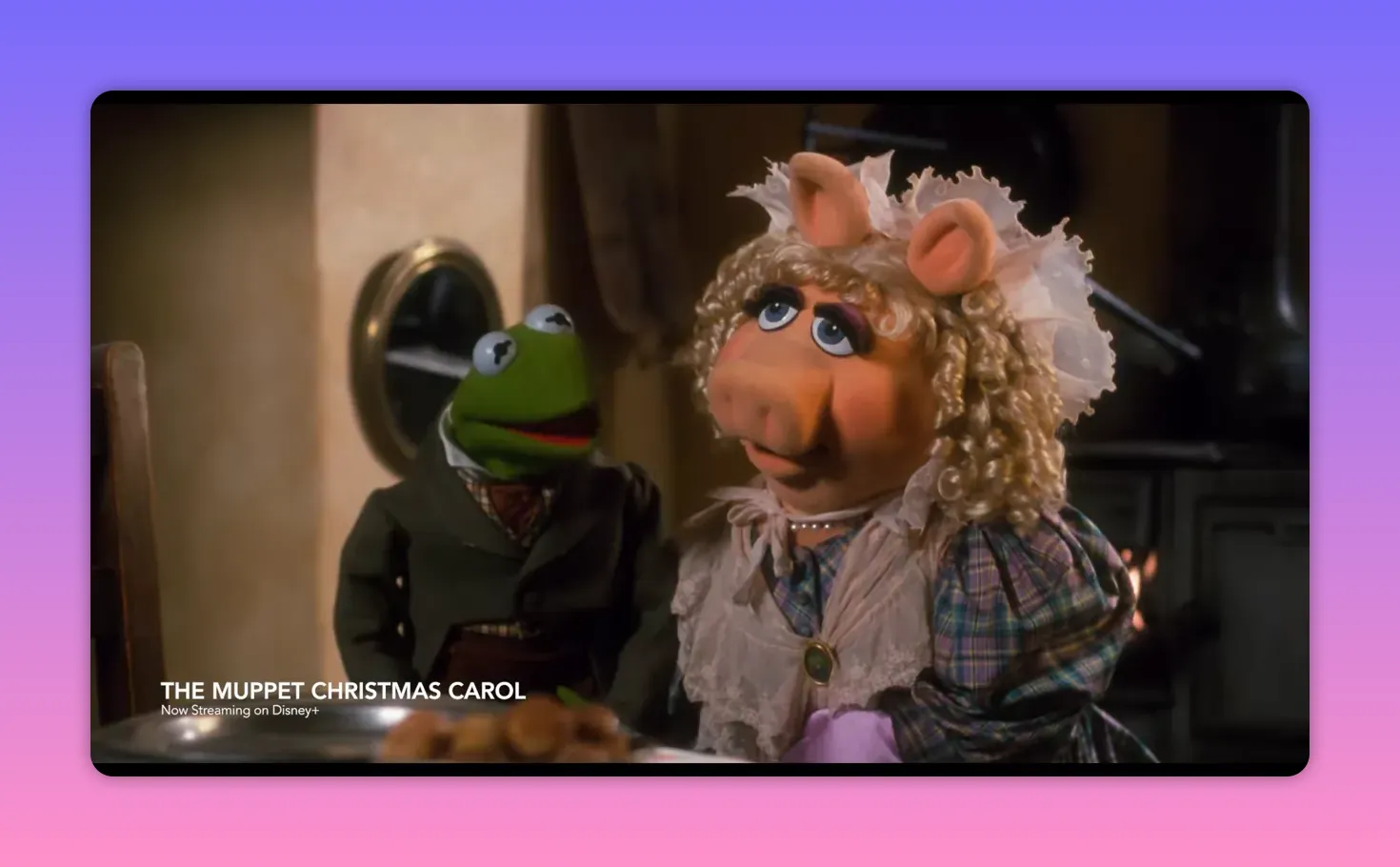
Putting the Muppets in these roles allows the film to depict poverty and struggle without becoming grim. The Cratchits’ love and persistence are at the heart of the story’s moral claim: human tenderness matters more than material comfort. When Kermit’s Bob maintains hope in small, everyday acts, the final redemption lands harder because it feels earned.
Faithful to the spirit: how much of the original remains?
It would be easy to assume that inserting singing penguins and comedic tangents would dilute Dickens’ message. The opposite is true. The adaptation remains surprisingly faithful. The film keeps much of the novel’s language and structure while using the Muppets’ comic instincts to highlight the human stakes. Where the movie diverges, it does so to emphasize heart rather than to undercut it.
This fidelity matters because Dickens’ work is not merely a ghost story. It is an argument: people can change, and community can be rebuilt through generosity. Allowing the Muppets to inhabit this argument—without flattening it—creates a version of the tale that is both playful and morally sound. Gonzo’s narration, the preserved lines, the sequence of visits from the ghosts—all of this keeps the novel’s spine intact.
Production ingenuity: making humans and puppets share a believable space
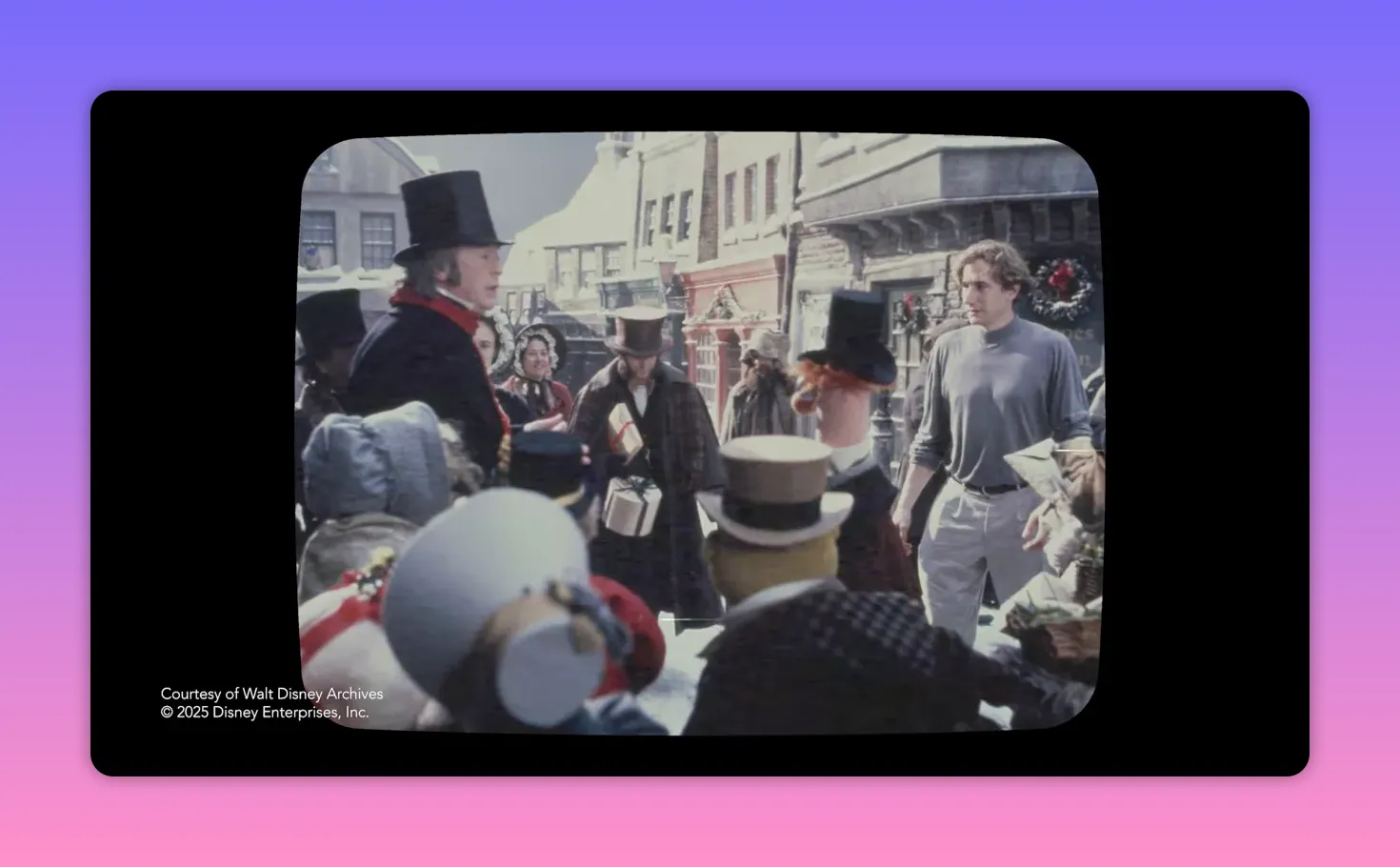
One of the biggest technical challenges was convincing audiences that puppets and humans exist in the same physical world. That requires a choreography of vision, camera, set design and puppeteering tricks. The production team relied heavily on practical effects, forced perspective and miniatures to build a convincing Dickensian London that both actors and puppeteers could inhabit.
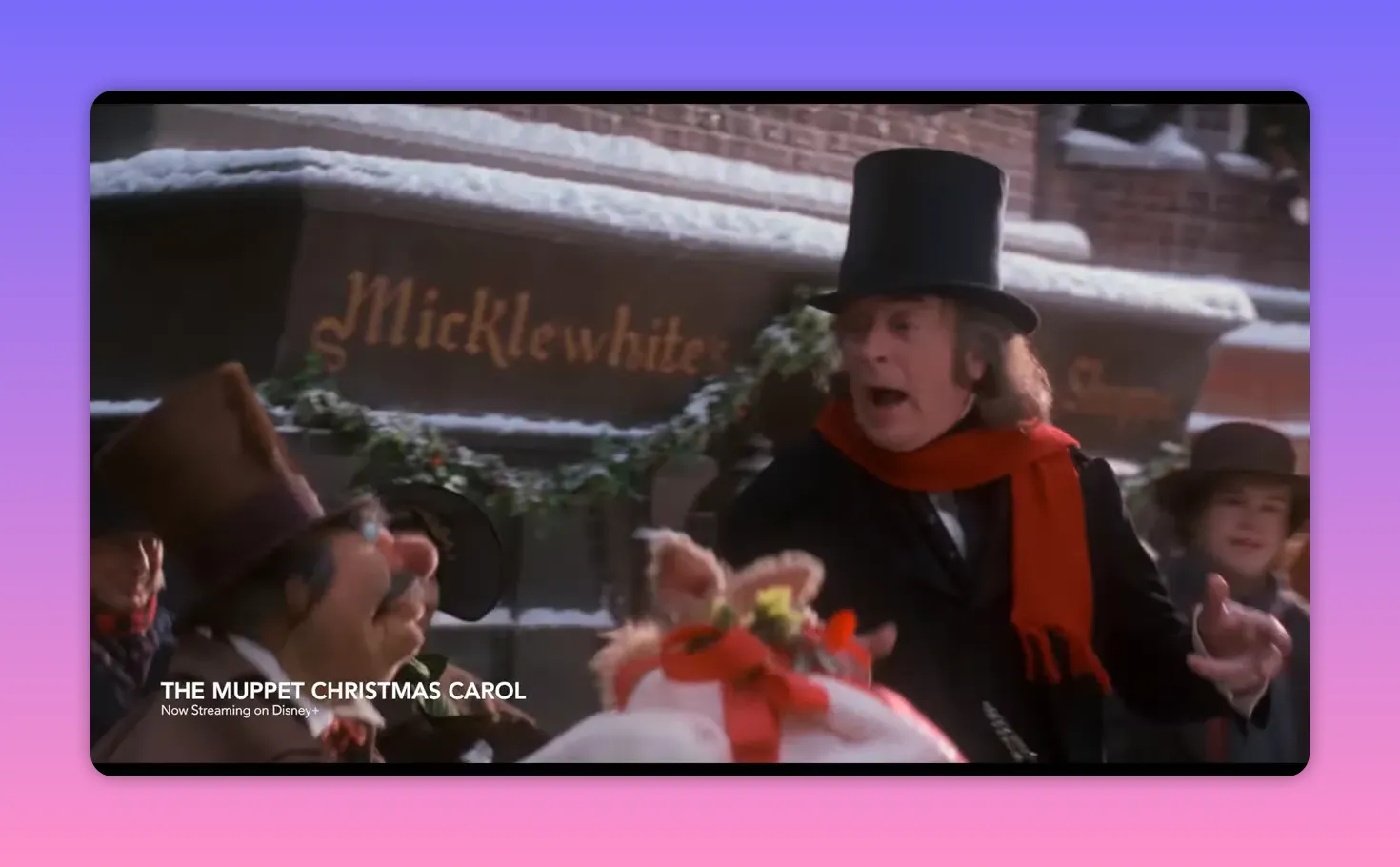

Tiny, detailed sets were constructed on platforms raised high enough to create walkways for puppeteers. Forced perspective—where objects are scaled and positioned to trick the eye—made streets feel longer and buildings taller than they actually were. The camera did the rest, capturing compositions that allowed human actors to interact naturally with characters controlled by multiple puppeteers. It is a brilliant mix of craftsmanship and cinematic craft.
Ghosts and practical effects: making the supernatural feel eerie
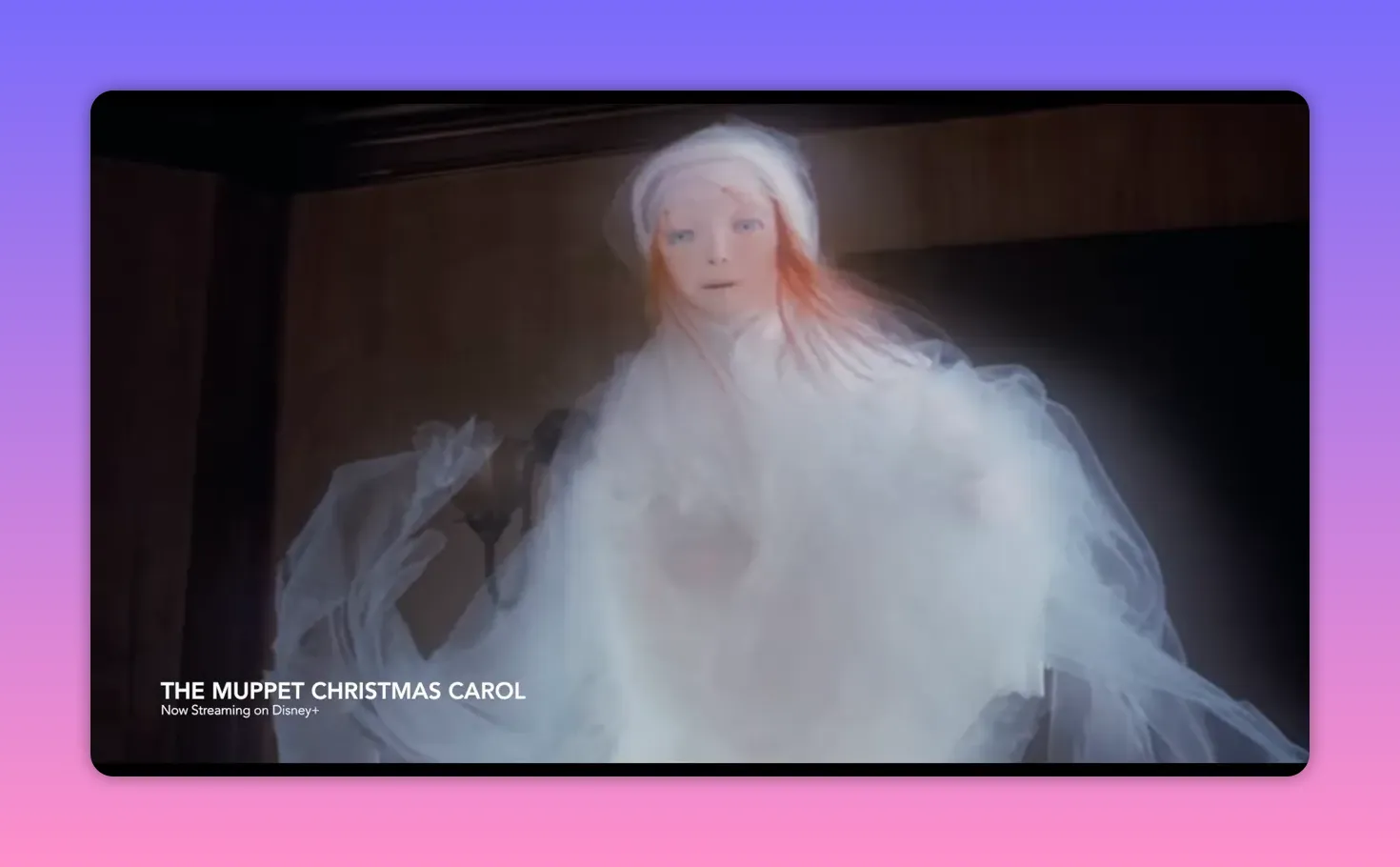
It might surprise some to learn the ghosts were created with a mix of puppetry and practical effects rather than relying solely on early digital effects. The Ghost of Christmas Past is particularly striking. The character exists in that eerie zone between human and Muppet. To achieve a floaty, otherworldly movement, the puppet was filmed submerged in water. The result is an uncanny, dreamlike motion that reads as genuinely ghostly.
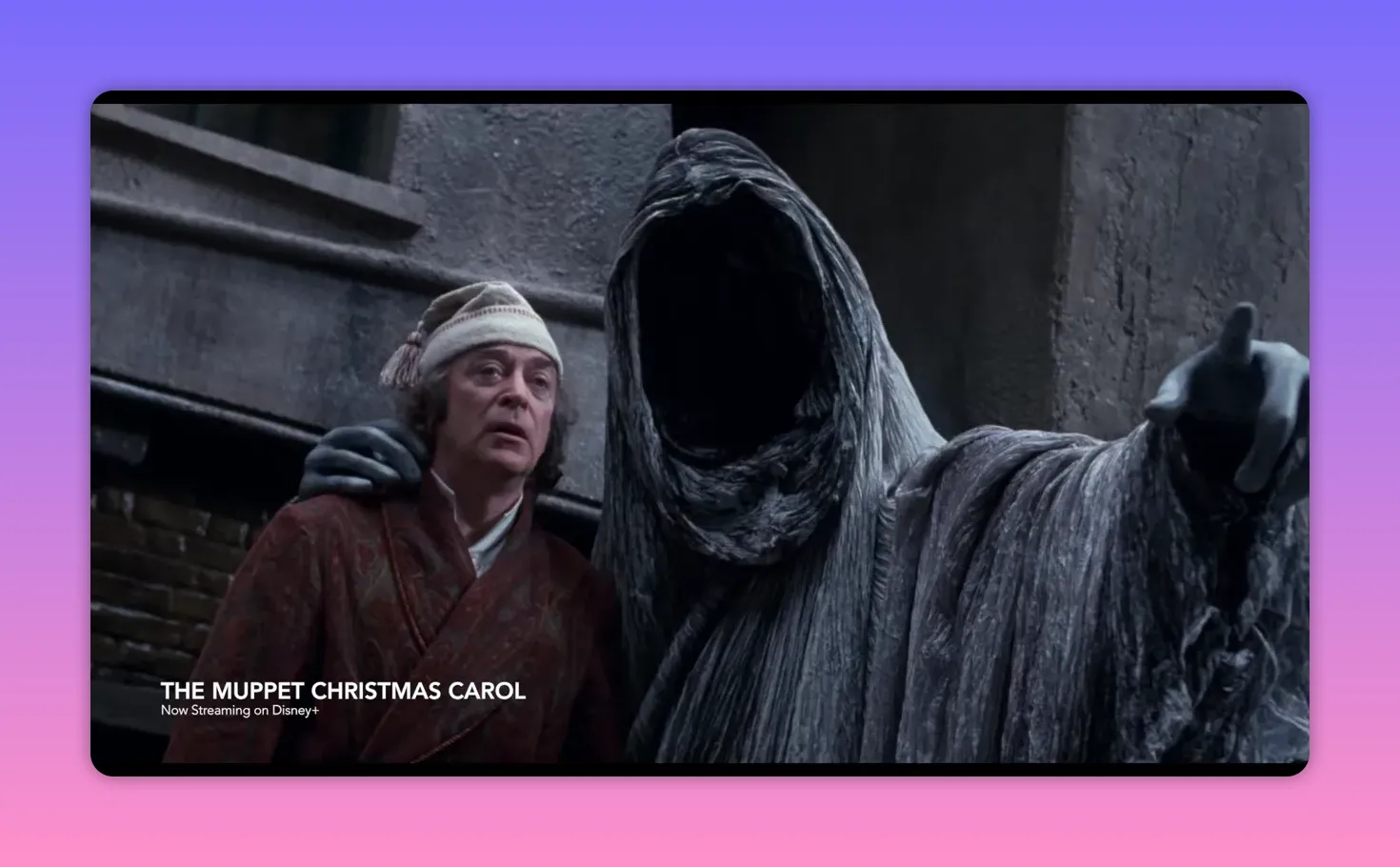
Then there is the Ghost of Christmas Yet to Come. Silent, faceless and merciless, this apparition terrifies in ways that stick. The contrast between the ethereal Past and the grim, shadowed Future provides the necessary emotional friction. Those moments are not played for comedy. They are designed to be scary, to unsettle the audience and force the moral question to the fore. The Muppets step back here; the story needs darkness so that the eventual warmth will mean something.
Balancing darkness and joy: why scary scenes matter
Darkness is not an indulgence. It is essential. The narrative depends on the audience feeling the weight of Scrooge’s choices. The terror of the ghosts gives the redemption a foothold. Brian Henson described it well: to make the ending joyous, you have to go to those dark places. That willingness to embrace the scary parts elevates the film beyond a lightweight holiday caper.
Because the film does not shy away from intensity, its laughter lands harder and its tender moments feel earned. The Muppets can be absurd and silly because the audience has first been reminded that the stakes are real. That discipline—humor infused with emotional truth—is one reason the film continues to resonate.
Small touches and Easter eggs
Subtle details pepper the film, and their cumulative effect shows a team that cared deeply about craft and continuity. For example, the shop sign “Mikl Whites” is a small nod to Michael Caine’s birth name, Michael White. Little in-jokes like this function as affectionate winks to those paying attention, and they reward repeat viewing.
- Textual fidelity: Much of the narration comes directly from Dickens’ prose, preserving rhythm and emotional tone.
- Practical craft: Forced perspective and miniature sets were used to seamlessly blend actors and puppets into shared environments.
- Performance discipline: Michael Caine refused to act “muppety,” grounding the film in theatrical realism.
- Ghostly ingenuity: Submerged puppets and other practical techniques created eerie supernatural performances.
The final touch: a simple tribute that carries weight
Perhaps the most moving element is unexpectedly quiet: the shooting star that appears near the film’s end. It is the same shooting star Kermit once wished upon in an earlier Muppet film, and here it reappears as a subtle, almost secretive tribute to Jim Henson. That small visual callback reads as a promise: the Muppet stories continue, carrying forward the spirit of their creator.
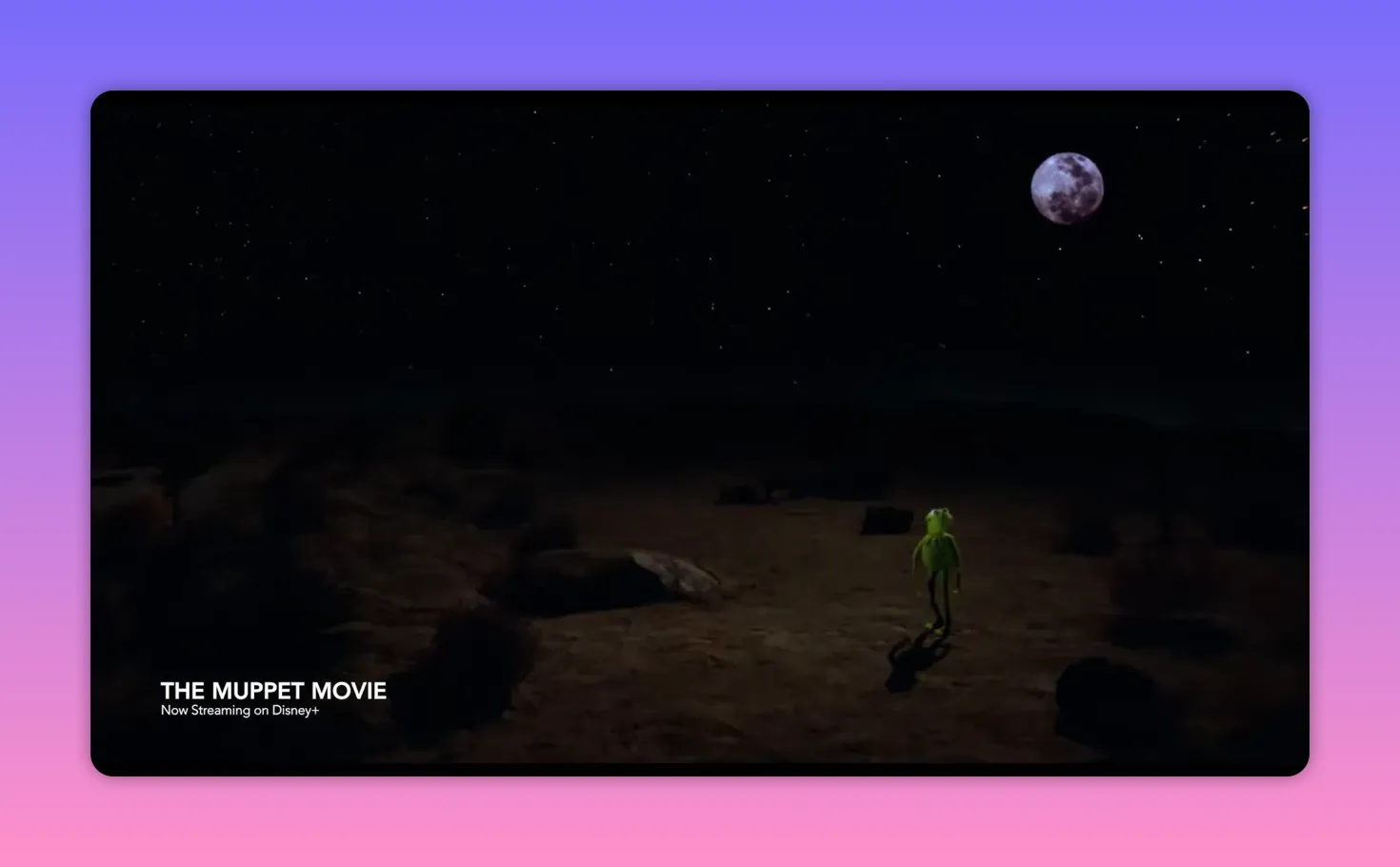
Tributes need not be loud to be powerful. That silent sparkle honors legacy without sentimentality. It says, simply and honestly, that although an era ended with Jim Henson’s passing, the stories he loved and the characters he created remain alive, passed on with care.
Why the film endures

Why revisit this version of the tale each holiday season? Because it offers something rare: a family film honest enough to be frightening, playful enough to be funny and faithful enough to be reverent. The marriage of Dickens and the Muppets does not dilute either; it magnifies both.
The film works on multiple levels:
- For children: the spectacle of Muppet chaos, colorful characters and singalong moments.
- For adults: a disciplined performance from a seasoned actor, moral questions about generosity and responsibility and production craft that respects the source material.
- For fans of the Muppets: continuity, jokes and inside references that reward loyalty without excluding newcomers.
At its core, it is a story about compassion and change. Seeing Scrooge move from isolation to generosity is moving in any form. Layer in Gonzo’s theatrical narration, Kermit’s gentle hope, Caine’s steely pathos, and the occasional musical lobster, and the film becomes richer than the sum of its parts.
Lessons filmmakers can borrow
There are several practical lessons from how this film was made that translate to other projects:
- Respect the source. Preserving the novel’s language and structure gives the adaptation moral and emotional authority.
- Contrasts create energy. Pairing grounded human actors with outrageous comic characters produces tension that keeps audiences engaged.
- Use practical craft first. Physical effects and real set work can deliver texture and authenticity that early digital tools struggle to replicate.
- Emotion over gimmick. Use humor to amplify feeling, not to mask it. Audiences forgive absurdity that serves truth.
- Honoring legacy matters. Small, sincere tributes create continuity and deepen audience connection.
Favorite moments that reveal the film’s heart
Certain sequences crystallize why this adaptation works. The family scenes in the Cratchit home, where daily struggle is met with warmth. Gonzo and Rizzo breaking the fourth wall to make sense of Dickens’ language. The terrifying walk through the cemetery with the Ghost of Christmas Yet to Come. Kermit’s quiet resilience when things go wrong. Michael Caine’s murmured realization at the film’s climax. All these moments are different in tone, but they share a through-line: the film trusts the audience with feeling. It asks us to laugh, to cringe and to feel genuinely moved.
How to approach this film today
Approaching the film now, decades after its release, means seeing it as both artifact and living story. It is an artifact of a specific moment in filmmaking—a time when practical effects were still central and puppetry had mainstream cachet. It is also a living story because Dickens’ themes of accountability and compassion never go out of style.
Watch for the craft as much as for the jokes. Notice how the camera chooses not to wink; how the sets are built to allow puppet and actor to coexist; how the musical numbers are staged not to distract but to underline emotion. These choices make a difference.
Final thought
The Muppet Christmas Carol is proof that bold creative combinations can yield something unexpected and beloved. When a classic moral tale meets manic puppet comedy, the result could have been either hollow novelty or sour tribute. Instead it is sincere, scary and silly all at once. It honors Dickens by preserving his voice, honors Jim Henson by preserving the spirit of the Muppets and honors audiences by refusing to soften the hard edges of the story.

In a season that often asks us to be kinder than we feel like being, this film offers a reminder dressed in ridiculous costumes and sung through melted snow: people can change, and some of the most unlikely storytellers can be the ones to convince us to try.
Frequently asked questions
Why did the Muppets adapt A Christmas Carol?
A Christmas Carol was chosen because its themes of transformation, compassion and theatricality fit naturally with the Muppets’ strengths. The story’s dramatic structure and emotional core allowed the Muppets to balance humor with genuine feeling, creating a hybrid that honored both Dickens and the puppet troupe.
How faithful is the adaptation to Dickens’ original text?
Very faithful in tone and language. Around 95 percent of the narration performed by Gonzo is taken directly from Dickens’ prose. The film preserves the novel’s chronological structure and moral argument while adapting scenes to suit a family audience and the Muppets’ comedic style.
Why was Michael Caine a good choice for Scrooge?
Michael Caine brought theatrical discipline and emotional weight to the role. He insisted on never acting “muppety,” treating the part with classical seriousness. This grounded performance provides the film’s emotional anchor and creates a striking contrast with its comic elements.
How were puppets and human actors filmed together?
The production used a combination of raised miniatures, forced perspective and green screen work. Sets were built at different scales and elevated to allow puppeteers to operate while giving humans natural sightlines. These practical techniques made interactions feel organic and spatially coherent.
Are the ghost effects digital?
Most ghost effects were practical. For example, the Ghost of Christmas Past was filmed submerged in water to achieve a fluid, otherworldly movement. Practical approaches like this created eerie and tactile supernatural moments that read as authentic and unsettling.
Is the film meant to be scary?
Yes. The film intentionally embraces darker moments, especially during the ghost sequences, because the emotional payoff of the redemption depends on real stakes. Using fear and discomfort makes the eventual joy more meaningful.
Does the film include tributes to Jim Henson?
Yes. One subtle tribute is the shooting star that appears near the end, the same star Kermit once wished upon in an earlier Muppet film. It functions as a quiet promise that the spirit of Jim Henson’s creation will endure.
What makes The Muppet Christmas Carol worth revisiting?
Its rare blend of humor, theatrical discipline and emotional honesty. The film respects Dickens’ story, uses practical craftsmanship to blend humans and puppets, and delivers moments that are scary, funny and profoundly touching. That balance keeps it fresh each holiday season.


