


Outline
- Setting the scene: why a parade becomes a perfect cover
- Characters and roles: who does what and why it matters
- Key tactics: misdirection, timing, logistics, and contingency plans
- Morality and motive: when a heist feels like justice
- Breakdown of critical moments with quotes and what they reveal
- Lessons for teams and leaders from a high-stakes operation
- Frequently asked questions
How a Thanksgiving parade becomes the perfect cover
A parade is a moving mass of sound, color, and controlled chaos. It is also predictable – scheduled routes, crowds that thin and thicken at known intersections, and a media bubble focused on spectacle rather than individual faces. That combination of predictability and distraction is what turns a public celebration into tactical cover.
When a group decides to use a public event as camouflage, they trade stealth for orchestration. They are not trying to blend into an empty room. Instead, they manipulate what everyone expects to see. Parade floats, marching bands, and balloons create sensory noise that allows other actions to go unnoticed if timed and placed precisely.
Who’s who and why the right people matter
A successful caper is less about flashy tools and more about the right cast of characters. Each role fills a functional niche: the planner, the insider, the muscle, the technician, the driver, and the decoy. When these roles are clearly assigned and everyone understands the stakes, improvisation becomes disciplined.
Take the team dynamic shown here. The manager who organizes from the surface understands the stakes differently than the streetwise operator who improvises on the fly. The interplay between their temperaments – caution versus bravado, procedure versus spontaneity – is what keeps the plan flexible and resilient.
Key archetypes and what they bring
- The Planner – thinks several moves ahead, designs contingencies, and keeps the team’s ethics and goals aligned.
- The Insider – has access to sensitive locations and knowledge, and their oversight is often the single point where rules can be bent or broken.
- The Technician – manages locks, elevators, and systems. Technical expertise turns “impossible” into “just tricky.”
- The Decoy – creates diversions and redirects attention. Their job is to be seen while others work unseen.
- The Driver – orchestrates exfiltration and times movement with traffic and crowd flow.
Misdirection: the oldest trick in the book, and still the smartest
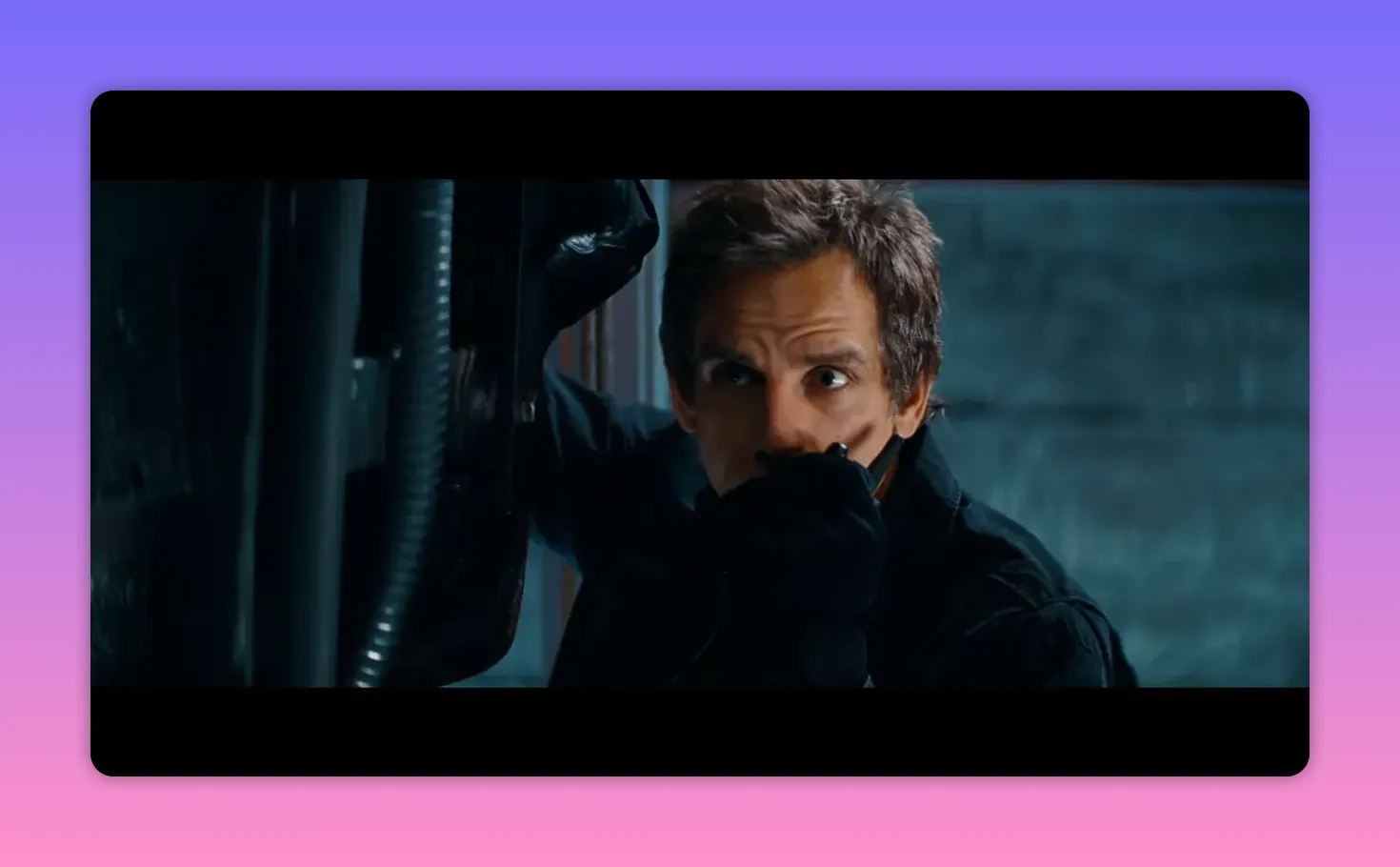
Misdirection is not about deceit for deceit’s sake. It is about controlling attention. When crowds and security forces fixate on one event, other actions proceed unobserved. In the operation described here, a stolen vehicle, a parade, and a suicide attempt are not random elements. They are calibrated noise.
“All I did is steal a truck and try to commit suicide.”
That line is revealing. As a tactic it reads like desperation, but as a strategy it is distraction. Pretend catastrophe, grab the spotlight, make security respond emotionally and visibly. Emotional triggers – the sight of a vehicle careening, a person in distress – pull resources away from subtle movements like a lowering cable or a hidden safe.
Planning misdirection
- Identify the anchor – what event will draw the predictable response? A parade, a protest, or a staged accident.
- Create believable chaos – the distraction must be plausible and high consequence enough for security to reallocate assets.
- Time windows precisely – the diversionary event must begin and peak exactly when the critical action takes place.
- Layer redundancies – additional smaller misdirections ensure attention stays diverted even if one fails.

Logistics: the unsung hero of every successful operation

Logistics is the difference between a movie moment and a real-world success. A glittering plan will collapse if a vehicle is unavailable, keys are misplaced, or an elevator does not align. Practical details – where keys are left, how to back a truck up to a service elevator, how many cabs to hold at the north door – are what make or break execution.
The most elegant operations hinge on small, mundane safeguards. A visor with keys left intentionally, knowing which floors have service routes, arranging backup drivers. Those are the things no one applauds, but everyone remembers if they fail.
Checklist for logistical reliability
- Secure vehicles and know exactly where the keys are at all times.
- Pre-stage routes for both entry and exit that account for crowd movement.
- Control choke points such as elevators, parking garages, and service corridors.
- Assign communication protocols and signal phrases for changing plans on the fly.
- Have a staged fallback asset – a second truck, a spare key, or a different exfil point.

Timing: synchronicity wins more often than boldness
Precision is a quiet form of audacity. A team that times its moves to the second can outpace far more powerful opponents. Parade schedules, court date changes, police rotations – all these rhythms create windows that, when mapped, reveal the moment of least oversight.
In the operation under discussion, timing is used repeatedly. Changing a court date to create confusion. Using Thanksgiving when many officers are at parades and family gatherings. Reserving multiple restaurant tables on a Saturday night to establish false alibis. Timing becomes both shield and leverage.
How to map and exploit timing
- Build a timeline of predictable events around your objective.
- Overlay security patterns and media focus times.
- Find the overlaps where attention is thinnest and access is highest.
- Schedule your critical actions to fit those narrow windows with built-in seconds of slack.

Contingency planning: what to do when the plan breaks
No matter how airtight a scheme looks, reality introduces variables. Weather shifts. A passerby notices an odd detail. An elevator takes too long. The defining feature of effective teams is not immunity to failure but preparedness for it.
Good contingency plans are modular, simple, and executable under stress. They give clear pivots rather than a menu of choices that induce paralysis. They also preserve the team’s core objective while limiting collateral damage.
- Fail-safe extractions – second routes for removal of goods or people.
- Soft exits – blending back into crowds or scheduled events rather than a dramatic race to a getaway car.
- Distraction backups – smaller diversions that keep attention split when the main diversion is compromised.
- Communication redundancies – prearranged signals if primary channels are intercepted or disabled.

Ethics, motive, and the thin line between theft and retribution
A heist in fiction often wears a moral costume. When the target is a fraudulent billionaire who stole pensions or livelihoods, the gesture reads as retribution. Motivation matters. The people doing the work are not blank criminals; they are employees, victims, or friends seeking balance.
Consider the emotional psychology at play. The organizer is angry, the insider is pragmatic, the decoy is reckless with purpose. Those emotions create an ethical frame that justifies risk to the participants while making the audience empathize with their cause. This is not an argument endorsing illegal acts. It is a look at how motivations shape choices and public perception.
“We may be going to jail for a few years, but you – you’re gone for the rest of your life.”

That line captures a calculus often seen in moral revenge plots. Legal consequences to working-class perpetrators may be shorter or more severe than the social and reputational ruin of the perpetrator. Motivations rooted in recovery and fairness can create powerful moral narratives.
The ledger and leverage: why information can be more valuable than money
The discovery of a ledger in an owner’s manual turns the stakes sideways. Money is fungible and replaceable in narrative terms. Documentation – who was paid, who was cheated, who is complicit – can translate into leverage far beyond monetary value.
Leverage can be used for protection, negotiation, or blackmail, and often holds more strategic weight than direct spoils. A ledger is a map of relationships and vulnerabilities. When one person holds proof of wrongdoing, they hold the ability to change the outcome without another heist.

How to think about leverage in noncriminal contexts
- Documentation and records can shift power in disputes, from job negotiations to corporate governance.
- Information often buys options that cash cannot – reputational protection, bargaining power, and legal leverage.
- Invest time in collecting verifiable evidence before making public claims. Credibility multiplies impact.
Turning blunders into advantage: improvisation under pressure
Few operations go exactly as planned. The difference between a loss and a win is the ability to turn a mistake into a tactical advantage. When a car is seized unexpectedly or keys are misplaced, the team that improvises finds alternatives fast and sells the new narrative to everyone involved.
One member’s admitted failure – “I just stole a truck and tried to commit suicide” – reads as a confession. But in context it is also a pivot: the reckless act becomes the fulcrum for redirection. When mistakes are reframed as intentional disruptions, they can become assets rather than liabilities.
Principles for effective improvisation
- Keep the objective visible – a changed method must still accomplish the same end.
- Trust simple solutions – complicated fixes increase the chance of new failures.
- Authorize on-the-spot decisions for those nearest the problem – waiting for central permission destroys momentum.
- Communicate quickly and clearly about the new plan and why it works.

Handling authority: bluffing, bargaining, and the power of calm
Encounters with authority test the group’s composure. A confident front, precise speech, and selective truth can disarm agents, at least momentarily. People in power expect protocol. When someone acts like they belong, hesitation can cascade into compliance.
At a confrontation point, the team uses language strategically. They count on predictable legal phrases and procedural responses. A single bluff or an unexpected revelation – like possession of a ledger – can flip an interrogation into negotiation.
“I found your ledger … I’m guessing you don’t really care about the car. You could care less about 45 million, but bet you want that ledger back.”
That statement reframes value and applies pressure without violence. It is a classic example of bargaining from information advantage rather than brute force.
The final gambit: how to close a complex plan
If You Don't Want To Waste Years Of Your Filmmaking Life... Start Learning This NowNovember 26, 2025

Concluding a complex operation requires sealing every loose end: removing identifiers, ensuring alibis, and preparing for inevitable scrutiny. Often the most elegant ending is simple – walk out, be ordinary, and let the other side overplay their hand.
A successful closure also anticipates attempts at reversal. If an opponent threatens legal retribution, having counter-evidence or public narrative control neutralizes that threat. The strongest closings minimize the spectacle and maximize the leverage held by the successful party.

Character dynamics that reveal leadership lessons
Leadership in high-stakes scenarios shows itself in small decisions. Who receives instructions? Who takes responsibility when things go wrong? How are rewards and risks shared?
A leader here balances moral urgency with pragmatism. They do not romanticize the operation, but they also refuse to be paralyzed by fear. They enlist people based on strengths rather than loyalty alone. That makes the team more resilient and capable of executing complex steps without collapsing under stress.
Leadership behaviors to emulate
- Set clear objectives and be transparent about risks and rewards.
- Delegate authority and let experts solve technical problems.
- Encourage candid reporting of problems and use them to adapt the plan.
- Protect your team from avoidable exposure and share the consequences.
Practical takeaways for teams, operations, and project managers
Even outside the heist genre, these principles apply to high-stakes projects: launch events, product rollouts, crisis responses, and political campaigns.
- Design around predictable distractions – Choose timing and contexts where attention is crowded by other events to reduce scrutiny of sensitive actions.
- Assign roles concretely – Specify who does what and why. Reduces overlap and confusion under pressure.
- Invest in logistics – The smallest practical details usually determine success or failure.
- Build redundancy – Extra assets and alternate routes reduce the risk of one failure cascading into collapse.
- Collect evidence – Documentation and records can be powerful negotiation tools.
- Plan for optics – How a move looks to outsiders can be as important as its technical success.
Moment-by-moment breakdown
Below is a short chronology with strategic notes on each critical beat.
- Organized countdown – A coordinated 1-2-3 start provides synchronized action and reduces chatter. It also indicates discipline under stress.
- Elevator override and security response – Predicting and provoking a controlled security response is part of the plan. It forces defenders into expected behaviors that the team can exploit.
- Stolen truck and keys on a visor – Pre-positioning vehicles and leaving keys in plain sight is a classic tactic to reduce friction during exfiltration.
- Garage movement and crowd navigation – Using public access points like a parking garage requires precise timing to avoid onlookers and cameras. Backing a truck to an elevator is a logistical feat that requires practiced drivers.
- Deliberate diversion as sacrifice – Sometimes a planned failure – an attention-grabbing stunt – is the point of the operation. It sacrifices a pawn to protect the queen.
- Arrests and legal pressure – When authorities respond, an information advantage becomes defensive leverage. Possession of the ledger turns a legal trap into a negotiation.
- Final bargaining and the “checkmate” moment – The reveal of leverage, combined with social and legal pressure, forces a powerful antagonist into a compromised position without a public spectacle.

Why narratives of justice resonate
People root for underdogs when wrongdoing is easy to understand and injustice is personal. Employees robbed of pensions or workers cheated out of wages are accessible stories. A heist story that frames the participants as reclaiming what was stolen taps into that instinctive sympathy.
Narrative framing matters in real conflicts too. If your case is presented as righting a wrong with documented proof, it tends to gain sympathy and often elicits more decisive outcomes than purely legal arguments.
Common pitfalls and how to avoid them

No plan is infallible. Here are common failure modes and defensive measures to prevent them.
- Pitfall: Overconfidence – When a team assumes the worst will not happen, they underprepare. Counter by stress-testing the plan with honest external critiques.
- Pitfall: Poor communication – Misunderstandings under pressure cause chaos. Use simple, prearranged signals and a primary plus two backup channels.
- Pitfall: Single points of failure – A missing key or a single elevator can collapse a plan. Introduce redundancy for every critical asset.
- Pitfall: Moral drift – Teams can rationalize larger crimes in pursuit of justice. Maintain a code and clear limits to avoid legal and ethical exposure.
What to remember when planning high-stakes operations
Complex operations require humility. The best teams are relentlessly practical. They balance audacity with discipline, leverage information rather than just force, and keep logistics impeccable.
Above all, aim to control attention, secure redundancy, and preserve leverage. Those three rules apply whether you are executing a major product launch, handling a corporate takeover, or navigating a high-stakes negotiation.
What made the parade an effective cover for the operation?
The parade created predictable noise and a concentration of security resources in visible spaces. This allowed the team to schedule critical actions during a time when attention was focused elsewhere and when crowd movement opened temporary gaps for covert entry and exit.
How did the team use misdirection without causing unnecessary harm?
Misdirection was crafted to be believable and high-consequence enough to draw attention, but it was intended to minimize lasting harm. The tactic relied on emotional triggers that prompt predictable responses rather than indiscriminate chaos, and it included contingency plans to protect civilians.
Why is a ledger more valuable than cash in some situations?
A ledger documents relationships, transactions, and wrongdoing. It provides evidence that can be used to negotiate, threaten exposure, or influence legal outcomes. Information can leverage legal and reputational consequences that cash cannot, turning possession of records into strategic capital.
What are the top logistical priorities for a complex operation?
Top priorities include vehicle availability, secure communication channels, pre-staged routes for entry and exit, redundancy for critical assets, and precise timing aligned with external events. Control of choke points like elevators and garages is also essential.
How should leaders handle failure during execution?
Leaders should have predetermined contingency plans, empower field operators to make quick decisions, communicate the new plan clearly, and pivot to simple solutions that preserve the core objective. Transparency about risks and responsibilities helps maintain trust during improvisation.
Closing thoughts
A sophisticated operation is less a heroic solo and more a coordinated ensemble. The best outcomes come from meticulous planning, adaptive improvisation, and ethical framing that aligns the team’s goals with a broader sense of justice. Attention management, logistics, timing, and information advantage are the four levers that tip the balance between failure and elegant success.
Whether managing a high-stakes project, negotiating a complicated deal, or leading a distributed team under pressure, these same principles apply. Control what people see, prepare for what they will not, and hold the information that changes everything.


