


An early screening of Primate was set up to test more than just the story. Audiences were invited to an early screening of Primate, and each person was individually miked and recorded so the response could be captured in its rawest form. The result was simple and striking: empties of composure and a chorus of startled reactions.
How the screening was set up
Every seat became part of the experiment. Each person was individually miked and recorded so even the smallest intake of breath, every gasp, and each startled shout could be heard. That close-range capture turns the screening into a collective pulse check—an instant barometer of how a film lands physically and emotionally.
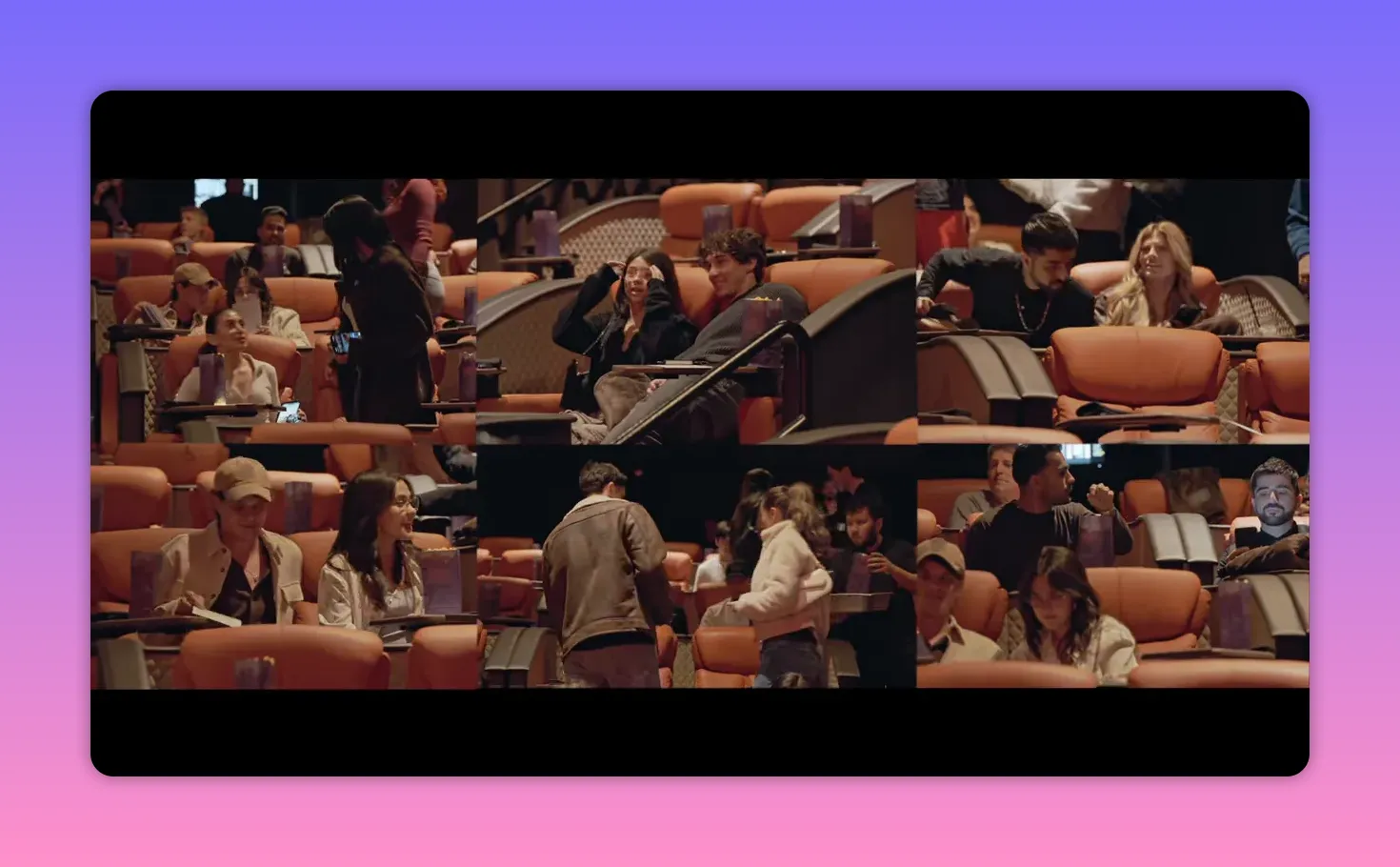
Why the reactions were unanimous
One of the clearest takeaways: the scares worked. As one comment captured it, “Any horror movie can make one person jump out of their seat.” But this was different. We couldn’t find one person who didn’t. That unanimity points to a carefully composed set of elements coming together.
- Immersive sound design — crisp directional audio and sudden shifts in tone that hit the body before the mind can fully register them.
- Pacing and timing — slow-burn buildup followed by abrupt release, which primes and then surprises.
- Physical performance and effects — visceral, tactile moments that make the threat feel immediate and believable.
- Shared tension — being in a room where everyone is wired amplifies every reaction; the nervous energy is contagious.
What makes Primate a full body experience
Primate is built to be felt. It’s a tropical vacation gone wrong, a primal tale of horror and survival that pushes beyond jump scares into sustained unease. The film leans into immersive techniques that affect the body: low-frequency rumble, abrupt dynamic changes, and moments that force the audience to physically react.
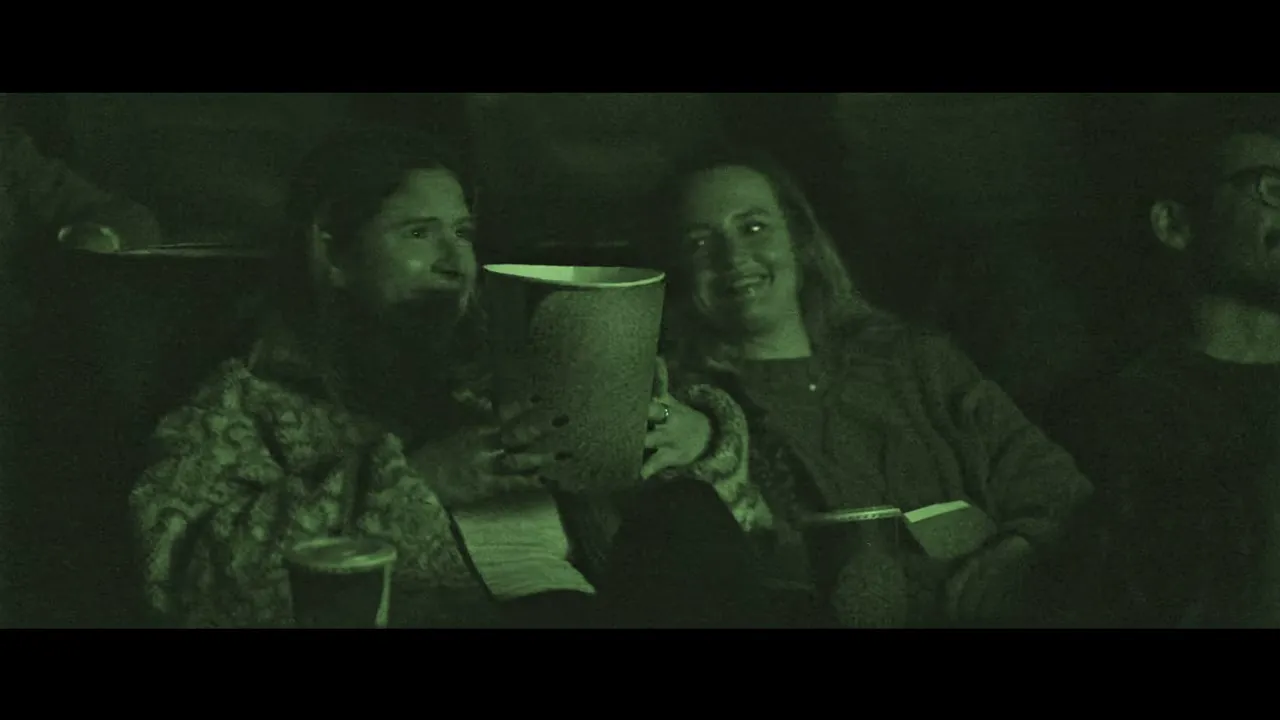
That approach explains why reactions were so consistent. When a film targets both sensory and emotional centers, the response becomes almost automatic. “Oh, my God,” captured more than surprise; it registered genuine alarm mixed with exhilaration.
Practical takeaways for horror fans
If you like horror that hits you in the chest and makes the seat feel unstable, Primate is designed for that preference. Expect a film that prioritizes atmosphere, sensory detail, and a sense of being out of control. The tropical setting adds a layer of isolation—beautiful, but dangerous—so survival stakes feel immediate and personal.
- Bring a friend — communal reactions intensify the experience.
- Prepare for immersion — sound and environment will likely be the main drivers of tension.
- Not just loud scares — the film builds dread as much as it delivers jolts.
Where to see it

Primate opens in theaters January 9. For official updates and behind-the-scenes content, check the film’s website and social channels for additional details on screenings and special events.
When does Primate open in theaters?
Primate opens in theaters January 9. Check local listings for showtimes and special screenings.
What is Primate about?
Primate follows a group of friends whose tropical vacation becomes a terrifying, primal tale of horror and survival.
Why were audience members miked during the screening?
Each person was individually miked and recorded to capture authentic, unfiltered reactions and to evaluate how the film performs on both sensory and emotional levels.
Is Primate just a series of jump scares?
No. While it delivers powerful jump moments, Primate emphasizes atmosphere, immersive sound, and sustained dread to create a full body experience.
Where can I find more information about Primate?
Visit the official film website and social channels for trailers, behind-the-scenes content, and updates.


