


Why playful challenges make memories (and how to win them)
There is something instantly magnetic about simple, silly competitions. A blindfold, a plush Mickey, a timer ticking down, and suddenly strangers become teammates, strategists, and comedians. That mix of pressure and play is exactly what turns ordinary moments into stories you tell for years.
On a bright day in Richmond upon Thames a group of Disney fans took on three quickfire challenges designed to test coordination, touch, intuition, and nerves. The rewards were small but perfectly joyful: Funko Pops, character toys, and the kind of shared grin that comes when teamwork actually works.
The setup was deliberately uncomplicated. Each challenge fits in a minute or less. The constraints are small but clever: blindfolds, no touching, or the need to both decide at once. Those rules are the secret sauce. They force teams to choose how to communicate, how to calm one another, and how to prioritize rapid decisions over perfect plans.
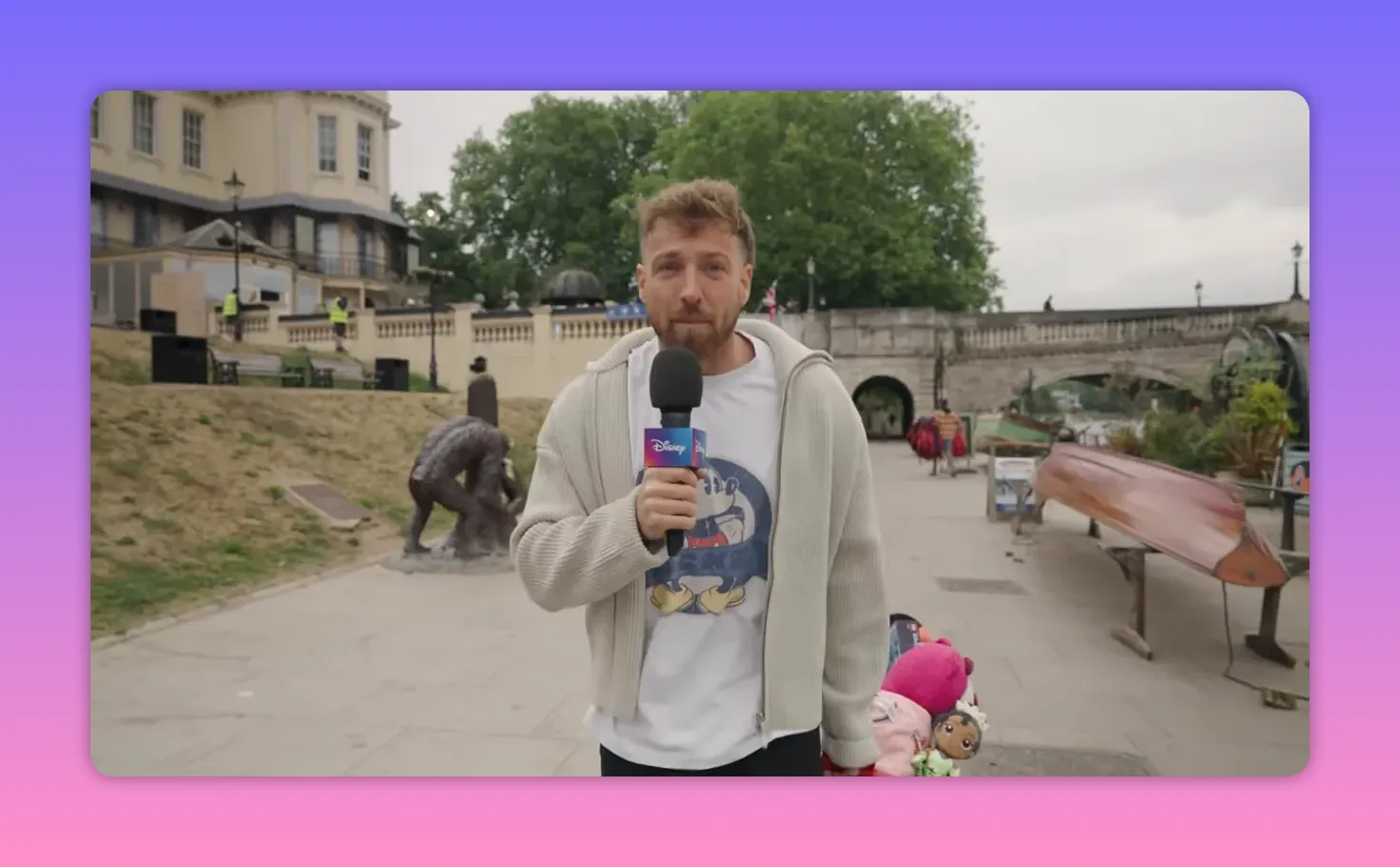
Meet the challenges: a quick overview
The event split into three distinct rounds, each focusing on a different type of skill:
- The Claw — a blindfolded grab where one teammate guides another by voice to retrieve a Buzz or Woody from a rocket ship.
- It’s a Small World — both teammates blindfolded and given Disney figures to identify by touch within 30 seconds.
- Trust or Telepathy — a simultaneous decision game where both players place a hand on either of Mickey’s arms and either hold or let go on cue; matching choices win.
Those three rounds test three very different elements of social skill: directional guidance, tactile recognition, and synchronized decision making. Each felt like a tiny study in how people connect under pressure.
The Claw: how to guide someone who cannot see
The first challenge distilled a whole set of team skills into sixty chaotic seconds. One person wore a blindfold and controlled a mechanical claw; the other could see and had to shout instructions while refraining from physical contact.


Simple in description, but absurd and hilarious in practice. The visible partner tried to translate depth and angle through short commands — forward, right, tilt — while the blindfolded partner interpreted those instructions and adjusted. That mix of translation and trust produces the funniest moments.
Lessons from a hectic claw attempt:
- Use concise, consistent language. Choosing one set of instruction words and sticking with them avoids confusion. For example, always use “forward” rather than switching between “forward,” “front,” and “up.”
- Break directions into micro-steps. Instead of “move right,” say “a little right, tiny right, stop” so the blindfolded player can correct in increments.
- Call out landmarks on the mechanism. If the claw base has rings or colors, use those as anchors: “aim at the red ring” is faster than “a bit to the left.”
- Keep a calm tone. Panic makes people overshoot. A measured voice helps the blindfolded partner slow down and trust their hands.
There were classic moments: accidental digs into other toys, a buried Woody, and the triumphant “Infinity and beyond” when a successful grab happened. Those little blunders are what make the exercise memorable. The ultimate takeaway is that precision beats volume when giving directions.
It’s a Small World: recognizing characters by touch
The second challenge stripped away sight entirely for everyone involved. Both teammates were blindfolded and handed two Disney figures each. They had 30 seconds to identify who they were holding by feel alone.
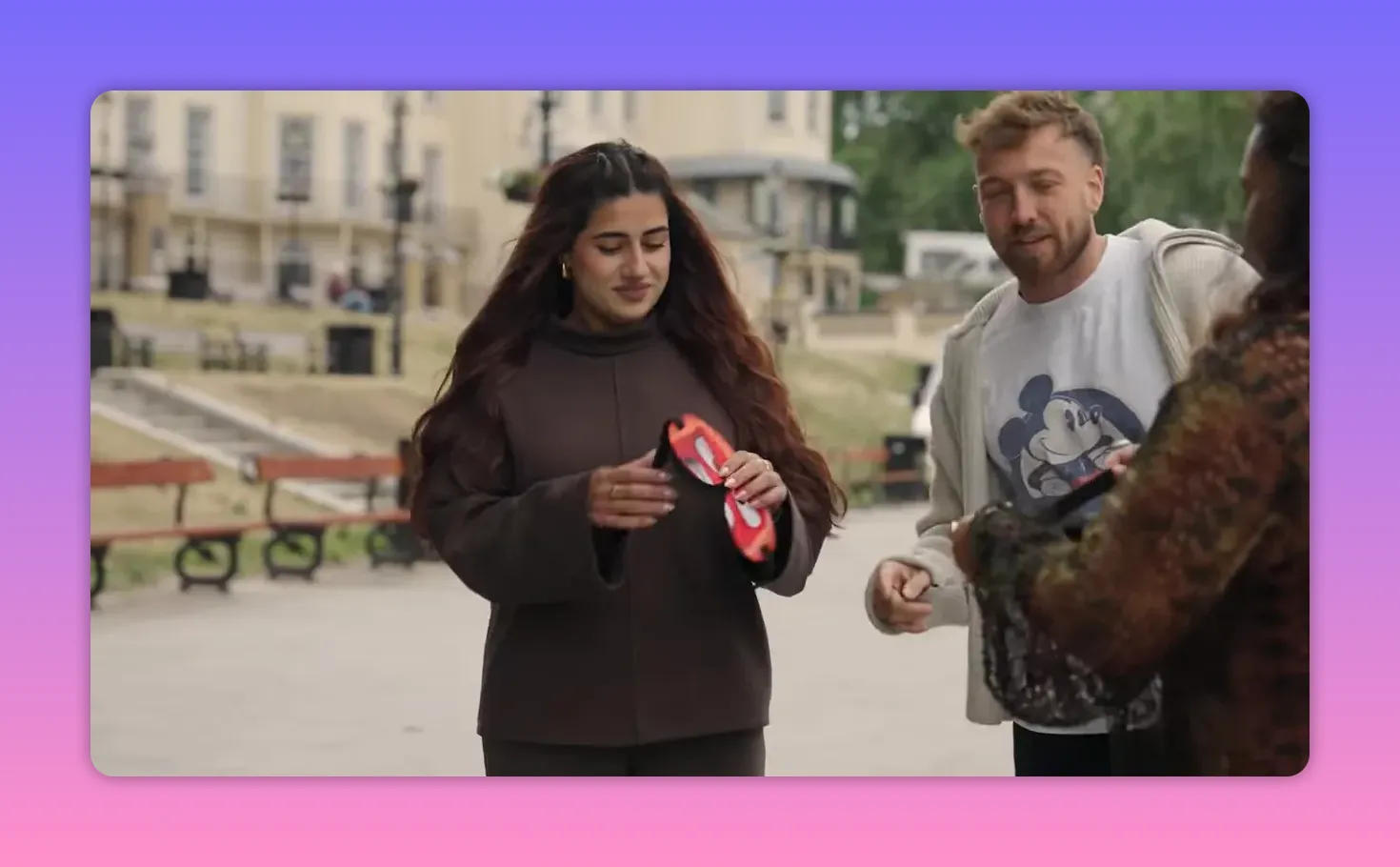
Sounds easy for known characters, but it becomes unexpectedly tricky depending on the figure size, material, and accessory details. Toys with distinctive silhouettes, signature accessories, or unique textures are far easier to identify than generic shapes. A cowboy hat or boots are instantly recognizable; a small rounded head or a cape can be less obvious.
Practical tips for tactile identification:
- Start with silhouette. Fingers tracing the outline reveal hats, capes, or animal ears before details.
- Look for signature accessories. Boots, belts, tails, or a distinct hairstyle are the quickest clues.
- Use texture and weight. Vinyl faces, plush bodies, or hard plastic limbs change the feel dramatically; treat those as diagnostic categories.
- Verbalize hypotheses. When both teammates share guesses simultaneously, the group benefits from confirmation or correction. Quick, short clues like “cowboy hat” or “horse tail” cut down wasted time.
In one winning round, “cowboy hat” was the clincher. That immediate, evocative image narrowed the field so fast that the pair could confidently call Woody or Jesse. The best pairs paired quick tactile scanning with decisive calls rather than overthinking every nook and seam.
Trust or Telepathy: why simultaneous decisions are harder than they look
The final round was a study in synchronous choice. Two teammates both placed hands on Mickey’s arms and were instructed to either hold on or let go when the cue arrived. If both matched, they won.


That sounds like a 50/50 coin flip, but the actual dynamic reveals a lot about how people anticipate each other. Do you aim to be bold and hold? Or conservative and let go? How much do you try to read your partner’s body language before the cue?
Factors that influence matching outcomes:
- Pre-round signals. A quick, whispered plan like “let’s both hold” increases odds dramatically. Even a tiny, nonverbal gesture can create alignment.
- Risk posture. Some people default to matching what they think their partner will do rather than what they prefer. That makes them reliable but predictable.
- Nervousness and overthinking. Under pressure people reverse decisions. Deciding with conviction early is better than changing on the last second.
- Mutual trust. When teammates laugh and relax into the moment, their choices sync more often.
In this case, the cue “let it go” produced a flurry of nervous energy and then relief when the pair matched. Winning felt less like the prize itself and more like the confirmation that the partners were tuned into each other.
Designing a crowd-friendly mini-game: what works
From a game-design perspective these rounds offer a compact template that works for public settings:
- Short duration — 30 to 60 seconds keeps the audience engaged and the contestants focused.
- Simple rules — limit cognitive load so participants can react rather than puzzle through instructions.
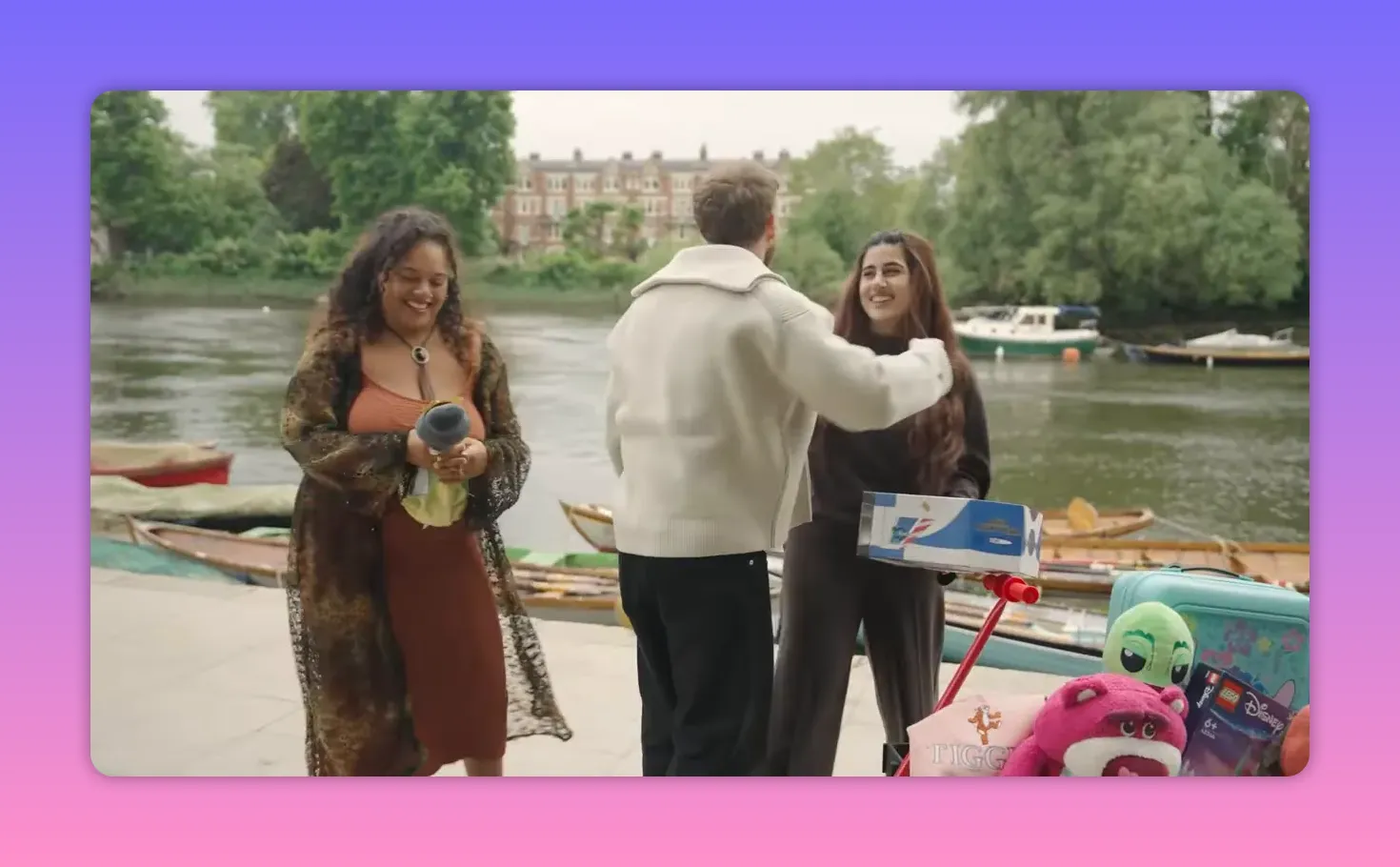
- Visible stakes — a shelf of toys or visible prizes motivates action and gives the audience something to root for.
- Human moments — add rules that encourage interaction, like forbidding touch or requiring shouted directions; these constraints create fun drama.
- Accessible props — choose toys and props that are tactilely distinct and visually satisfying for photos and quick recognition.
Those elements together produce a tight experience that is both fair and entertaining. The constraints push creativity; they reveal personality; and they reward confidence.
How to practice these skills in everyday life
Beyond the immediate fun, the challenges highlight transferable skills. Communication under pressure, tactile attention, and synchronized decision making are relevant in team sports, workplace projects, and social situations.
Practice ideas you can try at home or in casual gatherings:
- Blindfold dinner prep. Pair up and try to assemble a sandwich while one person blindfolds. The seeing partner can only use verbal instructions.
- Touch identification jar. Put small items in a box and have teammates identify them by feel within 20 seconds.
- Synchronized choice exercises. Sit back-to-back and decide whether to raise a hand or keep it down on a count. Track how often you match.
- Short debriefs. After each round, discuss what single instruction helped most. Those micro-lessons compound quickly.
These drills strengthen the intuition that makes a team click. They also make ordinary time feel like a small adventure.
Prizes, promotions, and how contests like this create buzz

Physical prizes are charmingly effective. In this event, Funko Pops and character toys were the main on-the-spot rewards — small, collectible items with emotional resonance. But beyond immediate prizes, the larger promotion offered a few winners a Magical Mystery Box worth £50 from The Disney Store. That ties the in-person fun to a broader campaign and creates a pathway for wider audience participation.
Key promotional details to remember for similar campaigns:
- Clear entry mechanics. Whether it is a comment, a hashtag, or a form, the entry steps must be easy to follow.
- Transparent eligibility. State the region and age restrictions up front. For example, some promotions are limited to UK residents and require entrants to be 18 or older.
- Deadline clarity. Share the end date and time in GMT or local time so entrants know cutoffs. One campaign specified entries close on Friday 30th January at 9am GMT.
- Official contact policy. Reassure entrants that legitimate contact will come only from the official account and that private financial details will never be requested.
When promotions pair instant, crowd-pleasing prizes with a larger sweepstakes, they create layers of excitement: immediate gratification for participants on the spot, plus aspirational hope for a larger prize later.
What makes the experience feel magical
There are many reasons a fifteen-minute string of micro-challenges feels memorable, and most of them come down to emotional architecture. These experiences are short on time but big on connection. The rules force people into a shared moment of vulnerability and humor. Under constraint, personalities emerge.
Moments that stick include:
- The tiny victories, like lifting the claw at exactly the right angle and hearing the crowd cheer.
- The bungled attempts, the buried Woody, and the laughter that follows mid-disaster.
- The tactile recognition — a whispered “cowboy hat” turning into a correct shout of “Woody!”
- The final synchronized “let it go” when the decision lands in harmony and everyone breathes out together.
Those are the sparks that create nostalgia. The physicality of toys, the simplicity of the rules, and the immediacy of reward combine to produce a feel-good loop: try, fail or succeed, laugh, and move on to the next moment together.
Practical coaching for future challengers
If you want to get better at these kinds of micro-competitions, here are tactical habits to adopt:
- Lead with calm. Speed matters, but panic kills precision. A soft steady voice is the most effective tool when guiding a blindfolded partner.
- Agree on code words. Before the round starts, pick two quick words: one for “slow down,” one for “grab now.”
- Scan first, commit second. When feeling a figure blindfolded, take three seconds to outline the silhouette before making a guess.
- Make the small bet. For synchronized choices, pick a conservative option unless you sense your partner is risk-taking.
- Practice micro-debriefs. After every attempt, say one sentence about what helped. That immediate feedback improves the next round.
These habits are easy to implement and yield quick improvement. Most of the winners are not the smartest or fastest people; they are the ones who communicate deliberately and adapt quickly.
Behind the scenes of a joyful public experience

Organizing a compact live experience with an audience requires thinking about flow. Keep participants moving, cameras and crowdlines clear, and transitions snappy. A host who injects warmth and light-hearted commentary helps soothe nerves and build momentum. Selecting a diverse cast of participants creates relatability; onlookers imagine themselves on stage when they see ordinary people succeeding.
Another underappreciated element is prize presentation. Visible, tactile prizes create a sense of realism that mere announcements cannot. When people can point at toys they might win, the stakes feel immediate and desirable.
Sample run of the event: step-by-step
If you are planning to create your own micro-challenge sequence, here is a simple blueprint based on what worked well:
- Gather five to six participants and have them pick potential prizes from a visible display.
- Round one – The Claw: 60 seconds per team, blindfold the claw operator. The visible partner gives voice only. Win condition: retrieve the designated figure.
- Round two – Tactile ID: both blindfolded. Hand each person a figure. 30 seconds to identify both correctly.
- Round three – Synchronized Decision: both touch a prop (like Mickey’s arms). On cue, both hold or let go. Match and win.
- Award immediate prizes for each round and small consolation gifts to keep spirits high.
- Capture the moments with candid photos and short clips for later sharing. Those images are often more engaging than polished content.
That structure keeps the event moving, ensures high engagement, and creates repeatable excitement.
Safety and accessibility considerations
While these games are designed to be fun, safety and accessibility must be considered. Simple measures preserve the joyful spirit while protecting participants.
- Sanitize props. Especially when toys are handed between contestants, wipe down surfaces regularly.
- Clear the floor. Make sure there are no trip hazards where blindfolded participants will move their hands.
- Offer alternatives. For participants who prefer not to be blindfolded for medical or sensory reasons, provide an equivalent challenge like facing away rather than a blindfold.
- Check allergies. Some costume materials or plush items may have fragrances or materials that trigger sensitivities. Ask before placing props in contact with skin.
- Consent for touch. Reinforce that no physical contact is allowed between partners unless expressly agreed for a variation.
With those precautions, the event remains inclusive and comfortable for a wide range of participants.
How brands can use this format
Brands looking to build grassroots excitement can leverage this mini-game format in pop-ups, mall activations, or festival booths. The format converts casual foot traffic into meaningful interactions in a short amount of time.
Why it works for brands:
- High shareability — short wins and funny fails create social content that people want to post.
- Low barrier to entry — rules are simple so anyone can play.
- Scalability — the same format can run multiple times per hour with minimal setup.
- Data and lead capture — brief entry forms for bigger prizes create a natural funnel for post-event engagement.
When a brand pairs tactile prizes with an irresistible, playful setup, the result is both traffic and goodwill.
Final reflections: what really matters
At its core, the fun of these challenges comes not from winning but from the tiny human interactions they create. The rules push people into collaborative, often absurd situations that reveal kindness, competitiveness, and humor. They are a reminder that shared experiences, even tiny ones, can feel profound.
There is delight in getting the right answer, but there is equal delight in the failed attempt that turned into a story. The buried Woody, the almost-grabbed Buzz, and the shout-out “ride like the wind, Bullseye” are small sparks of joy. Those sparks are what people remember and what they pass on.
What were the three challenges and how did each one work?
The challenges were The Claw, It’s a Small World, and a synchronized decision round. The Claw involved one blindfolded player operating a claw while the seeing partner gave verbal directions to retrieve Buzz or Woody. It’s a Small World had both players blindfolded and identifying Disney figures by touch within 30 seconds. The final round required both players to place hands on Mickey’s arms and either hold on or let go at the count; if both matched, they won.
What strategies increase the chances of success in these mini-games?
Use concise, consistent instructions; break directions into micro-steps for blind guidance; identify signature features first when feeling figures; agree on quick code words before a synchronized decision; practice calm and short debriefs between rounds. Those habits improve clarity and alignment under pressure.
What prizes were on offer and how were larger giveaways structured?
Immediate prizes included Funko Pops and character toys that contestants could pick from a prize display. A larger promotion offered several Magical Mystery Boxes worth a set amount from a retail partner. Clear rules, age and region restrictions, and a deadline were specified to ensure transparency for entrants.
Are these challenges safe and accessible for everyone?
Yes, with proper planning. Sanitize props between uses, keep the area free of tripping hazards, and offer alternatives for guests who cannot wear blindfolds. Check for material sensitivities, and ensure consent for any physical contact. These steps make the games inclusive and safe.
How can brands adapt this format for promotions?
Brands can run pop-up activations using quick, repeatable rounds with visible prizes, easy entry mechanics for larger sweepstakes, and social sharing hooks. Keep rounds short, use simple rules, and have staff lead transitions to maximize throughput and create social content opportunities.


