

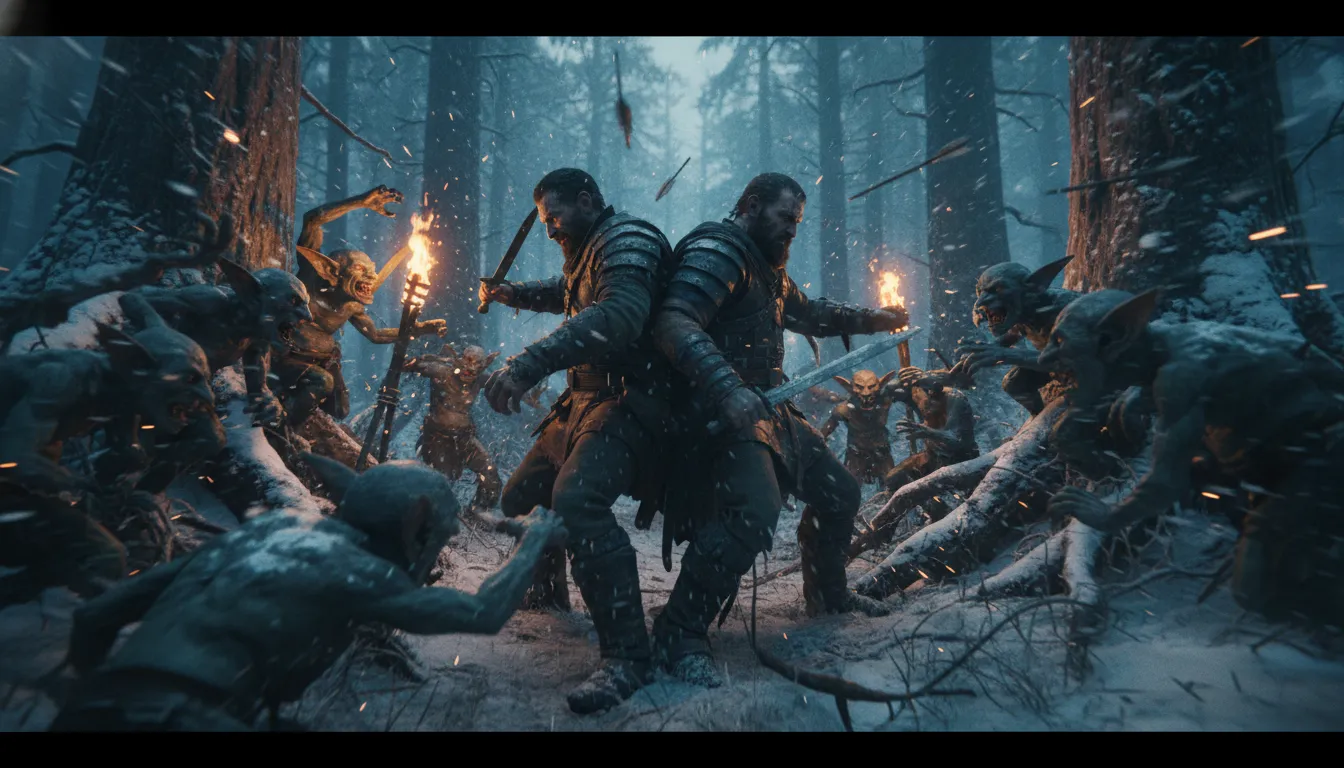
The Goblin Forest ambush is a compact, chaotic, and deceptively crafted sequence that blends horror, humor, and cinematic excellence into under nine minutes of pure cinematic tension. It’s a pivotal beat that reveals character, tests relationships under fire, and showcases practical creature effects alongside precise choreography. This article unpacks that ambush from top to bottom: the narrative purpose, character dynamics, camera and editing choices, sound design, creature work, and the lessons filmmakers and storytellers can draw from a scene that feels both primal and polished.
Why this ambush matters
At face value, the ambush is an action set piece. On a deeper level, it functions as a narrative testing ground. Two protagonists, hardened by conflict and bound by a fragile trust, must navigate an environment that disorients both body and mind. The scene condenses larger themes of survival, loyalty, and the unpredictable cost of power into a visceral encounter. By the time the dust settles, the audience knows more about who these characters are, how they operate together, and what kind of world they inhabit.
Scene outline: the beats that build tension
A tight sequence like this relies on a clear progression of beats. Breaking the ambush down reveals how tension is constructed and released.
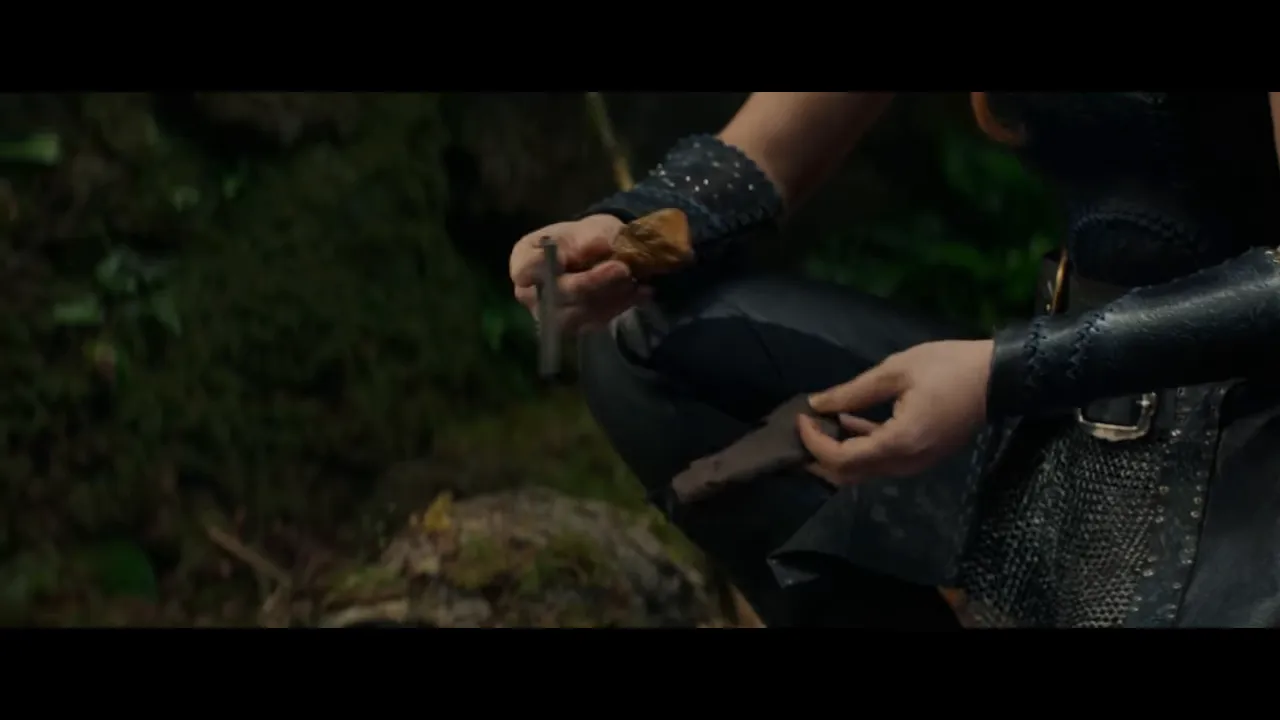
- Set up and false calm — Tools and talismans are revealed; the characters prepare and banter while danger lurks. Small details—like flint and steel or a mirror—signal resourcefulness and later become anchors for action.
- First contact — Goblins appear from the forest’s shadows. The attack is sudden, and the heroes are forced immediately into improvisation.
- Complication: environment and perception — The forest itself plays against the protagonists. Wet surfaces, wobbly bridges, and reflective surfaces complicate movement and sightlines.
- Escalation and sacrifice — One character risks more to protect the other and the prize, demonstrating priorities and courage under stress.
- Resolution and emotional aftershocks — The immediate threat ends, but the scene closes on a quieter moment that carries emotional weight and hints at larger stakes.
Character dynamics under pressure
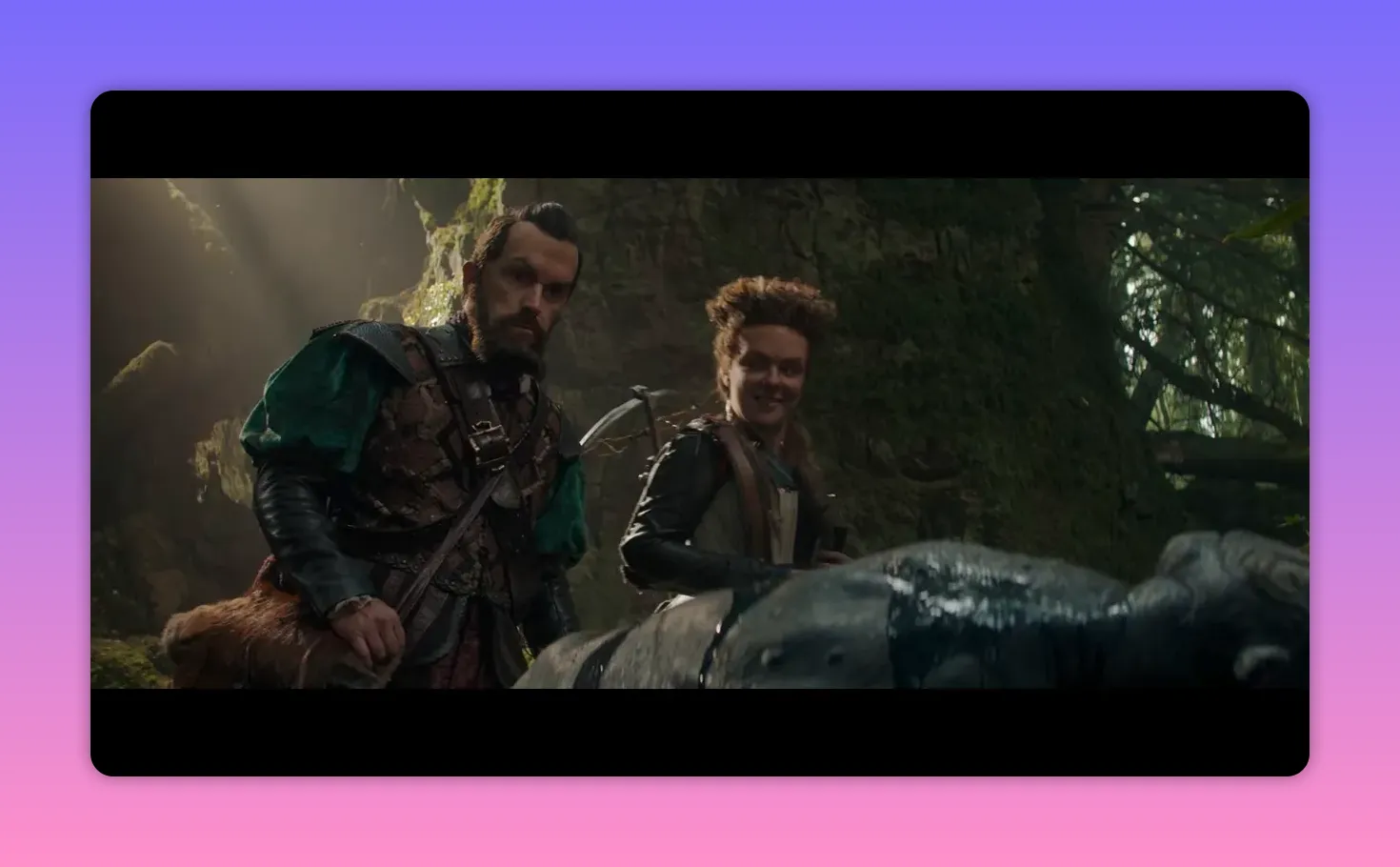
Action reveals character. In this ambush, two figures—one built to track and slay, the other a disciplined warrior—operate with mutual suspicion but undeniable reliance. The dialogue is spare, brusque, and laced with dry humor, which does more to establish personalities than exposition ever could.
Lines like the curt reminder to “do your best to stay dry” serve several purposes. Functionally, it is practical advice. Emotionally, it signals a person who keeps control through small rituals and a wry attempt to stay human amid chaos. That small bit of comedy undercuts fear and reinforces camaraderie.
One moment becomes a defining beat: a character stubbornly protects a hidden object, warning with an almost superstitious authority:
Keep it covered. Do not look into it.

That line does heavy lifting. It turns an otherwise disposable prop into a narrative MacGuffin. It implies danger beyond brute force—mystery, temptation, or cursed knowledge—and gives the scene an extra layer of stakes. When something must not be seen, curiosity becomes an additional antagonist.
Trust through motion
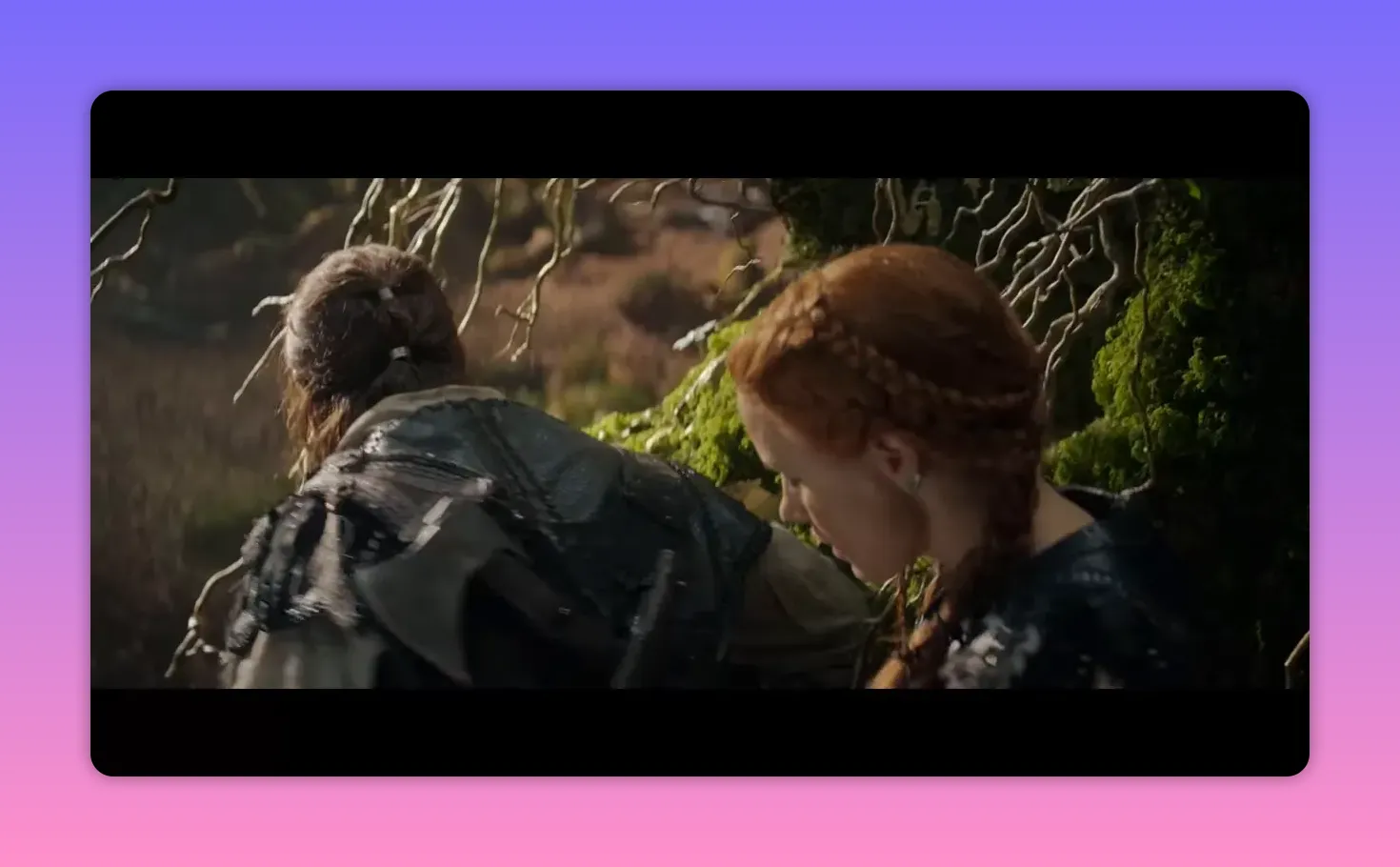
Trust in this sequence is not declared; it is earned. In the frantic shoves, blind maneuvers, and shouted corrections—”Watch your feet. Move to the side.”—partner dynamics are forged. Each command is an implicit bargain: I will get you through if you do exactly as I say. The choreography hinges on that conditional trust.
This is especially effective because both characters are imperfect. One is a grizzled protector who never misses a shot. The other is stiff with rules and carries talismans that mark a haunted past. Their interactions—snappy, exasperated, tender—make the audience root for them even as the environment punishes recklessness.
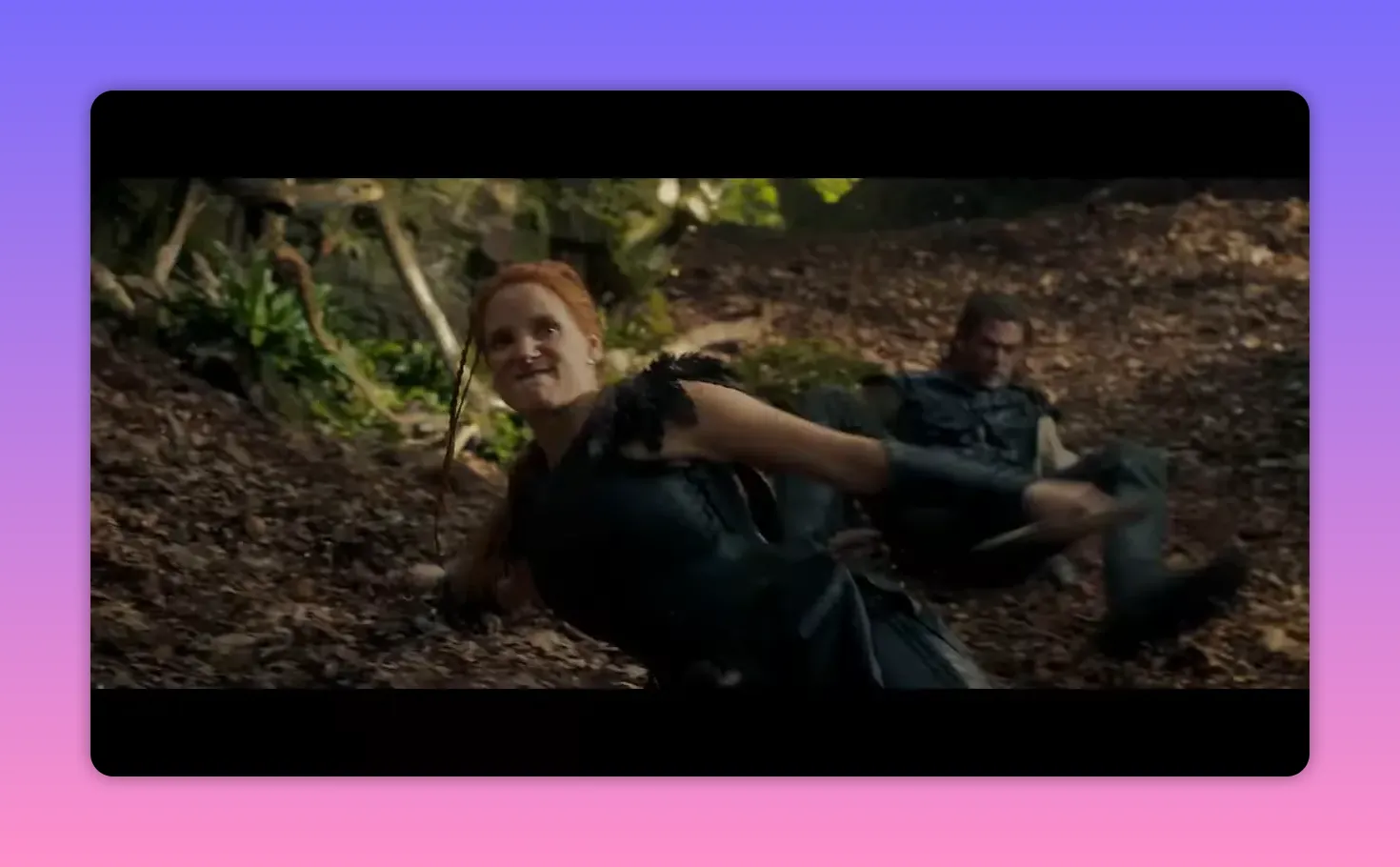
Cinematography, framing, and the illusion of chaos
Action that feels chaotic but remains comprehensible is a technical achievement. The camera work in this scene walks a fine line between involvement and orientation. It plunges you into the fray—close framing, low angles, quick cuts—without losing sight of spatial relationships between characters, creatures, and obstacles.
- Shot variety — Tight close ups capture facial reactions and small gestures; wider frames establish where the bridge, the group, and the goblins are relative to one another. This variety keeps the brain calibrated amid sensory overload.
- Movement vocabulary — The camera often mirrors the characters’ motion, tracking with them over unstable ground, which amplifies the sense of precariousness. Smooth tracking shots are swapped for abrupt handheld jolts when the action spikes, giving the scene physicality.
- Lighting choices — Limited, directional light carves the goblin silhouettes and leaves characters half-revealed. This selective illumination deepens suspense; what you cannot see is consistently more threatening.
All these choices support a single aesthetic aim: make the audience feel the environment as an active enemy. The forest is not neutral; it conspires against the heroes through obscured sightlines, slippery terrain, and reflective surfaces that mislead. The cinematography helps enforce this by alternately revealing and concealing key elements.
Editing and pacing: how cuts control fear
Editing is the invisible hand that sets heartbeat tempo. Quick cuts increase anxiety by reducing reaction time; longer takes allow the audience to breathe and to understand tactical moves. This ambush balances both, punctuating panic with moments of clarity.
- Rapid alternation — During initial assaults, the edits are quick to simulate the suddenness of the attack. This conveys surprise and chaos without becoming incomprehensible.
- Lingering on consequences — After critical actions, the film holds slightly longer shots to show their impact—wounded bodies, shattered equipment, or a character’s exhaustion. Those breaths let the emotional truth register.
- Sound edits as punctuation — Cut decisions are tied to sound cues—roars, screams, or the clang of metal. These cues make cuts feel earned and anchor the viewer in time.
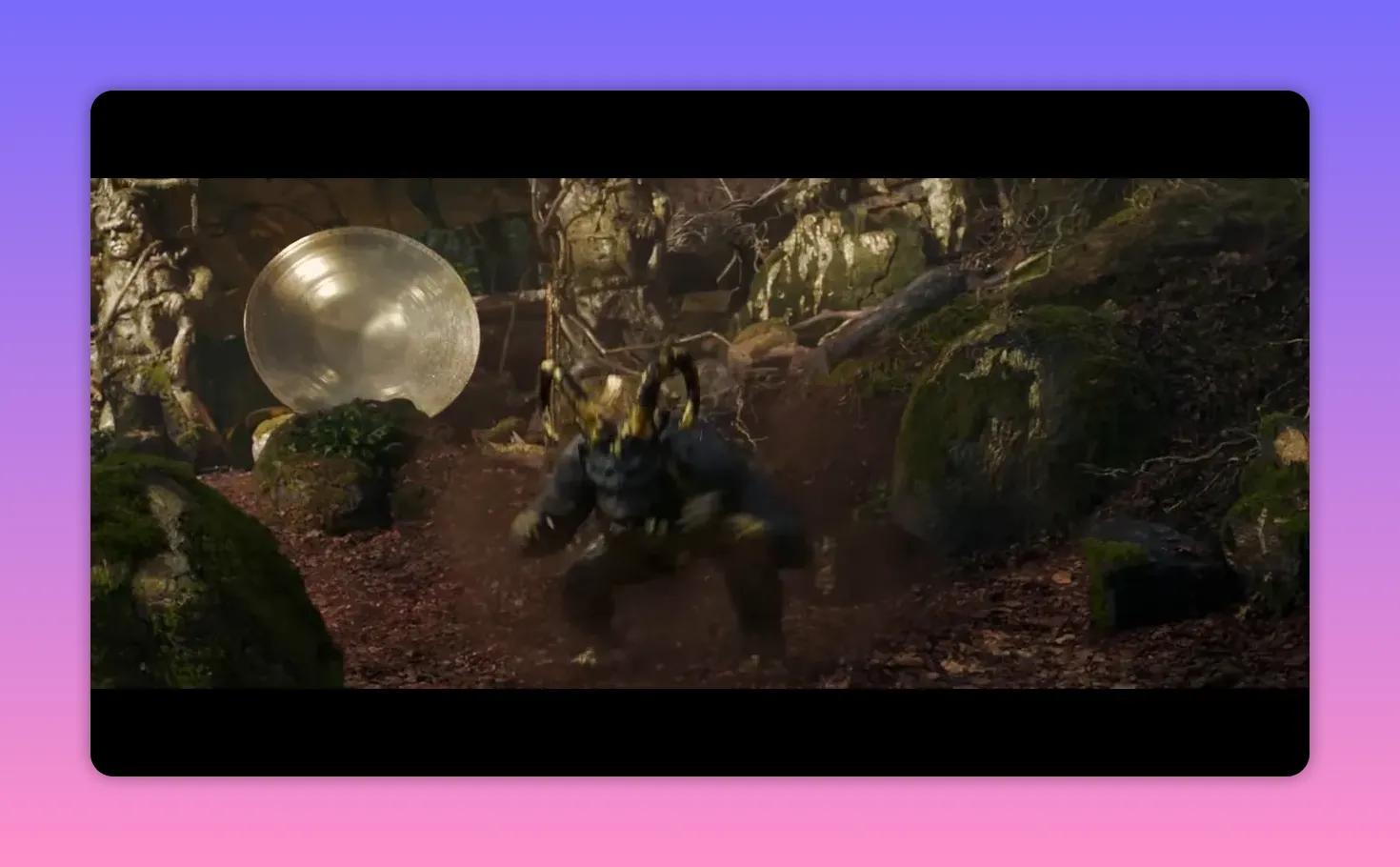
Sound design and score: the unseen weapon
Sound is the scene’s ghostly architect. Where visuals leave gaps, sound fills them with texture: the wet slap of feet, distant goblin chittering, the rasp of foliage. These elements create a sensory world that feels lived-in and dangerous.
Music does not overwhelm; it accentuates. The score swells at key moments to underscore a moment of heroism or collapses into silence to let the natural soundscape govern tension. That interplay ensures that musical cues always intensify emotion without dictating it.
- Creature cues — Goblin noises are layered: a mix of animal snarls, human vocalizations, and synthesized timbres. That hybrid quality makes them uncanny and unsettling.
- Environment cues — Water, creaking wood, and the shimmer from a mirror contribute subtle but essential information about footing and danger.
- Diegetic sound — Sounds that belong to the world—breathing, gear clinks, spoken commands—anchor the audience even as the uncanny elements expand the scene’s threat.
Creature design and practical effects

Goblins in this ambush are grotesque but not cartoonish. Their design emphasizes predatory movement, quickness, and a disturbing physicality. The choice to keep them tactile rather than purely CGI lends the scene weight. Practical textures—matted fur, mottled skin, ragged clothing—read believably in close quarters.
Practical effects show strength in interaction: hits land with convincing force, creatures leave physical marks, and props react realistically. When practical effects are paired with subtle digital augmentation, it produces a hybrid that keeps the audience invested.
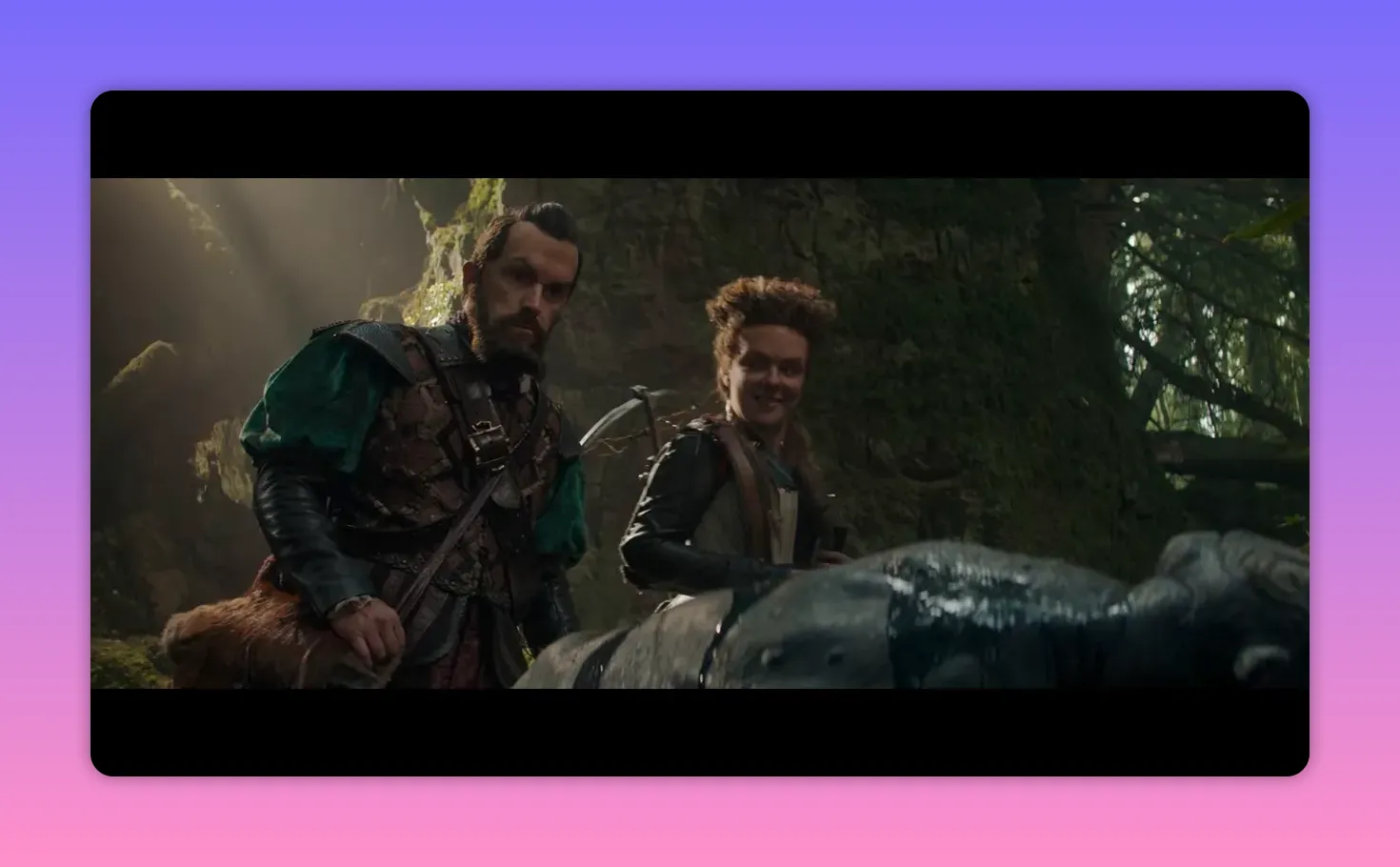
Why practical effects matter here
Because much of the tension springs from proximity, practical effects help maintain a believable scale. When actors physically touch prosthetics, reactions are instant and organic. The resulting performances read as authentic rather than reflexive to a placeholder CGI element. That trust in tactile filmmaking pays off in moments that require close contact—grapples on a wobbly bridge, sudden lunges from below, and the visceral sight of someone burdened by a heavy, covered object.
The mirror and the covered object: symbolic load-bearing
One prop in particular carries more than utilitarian weight. When a character insists that something remain covered, the instruction acts as a narrative lever. Items that must remain unseen in folklore often symbolize forbidden knowledge, vanity, or a cursed grace. The mirror in this scene functions on multiple levels: as a literal reflective surface that complicates sight and as a metaphor for the dangers of looking inward or longing for lost things.
I’ve never taken it off.
This line, delivered in a weary, almost intimate tone, does more than reveal possession. It hints at past trauma, a lost identity, or a vow—elements that expand the scene’s emotional resonance beyond immediate survival. The covered object is therefore both a plot device and a character amplifier.
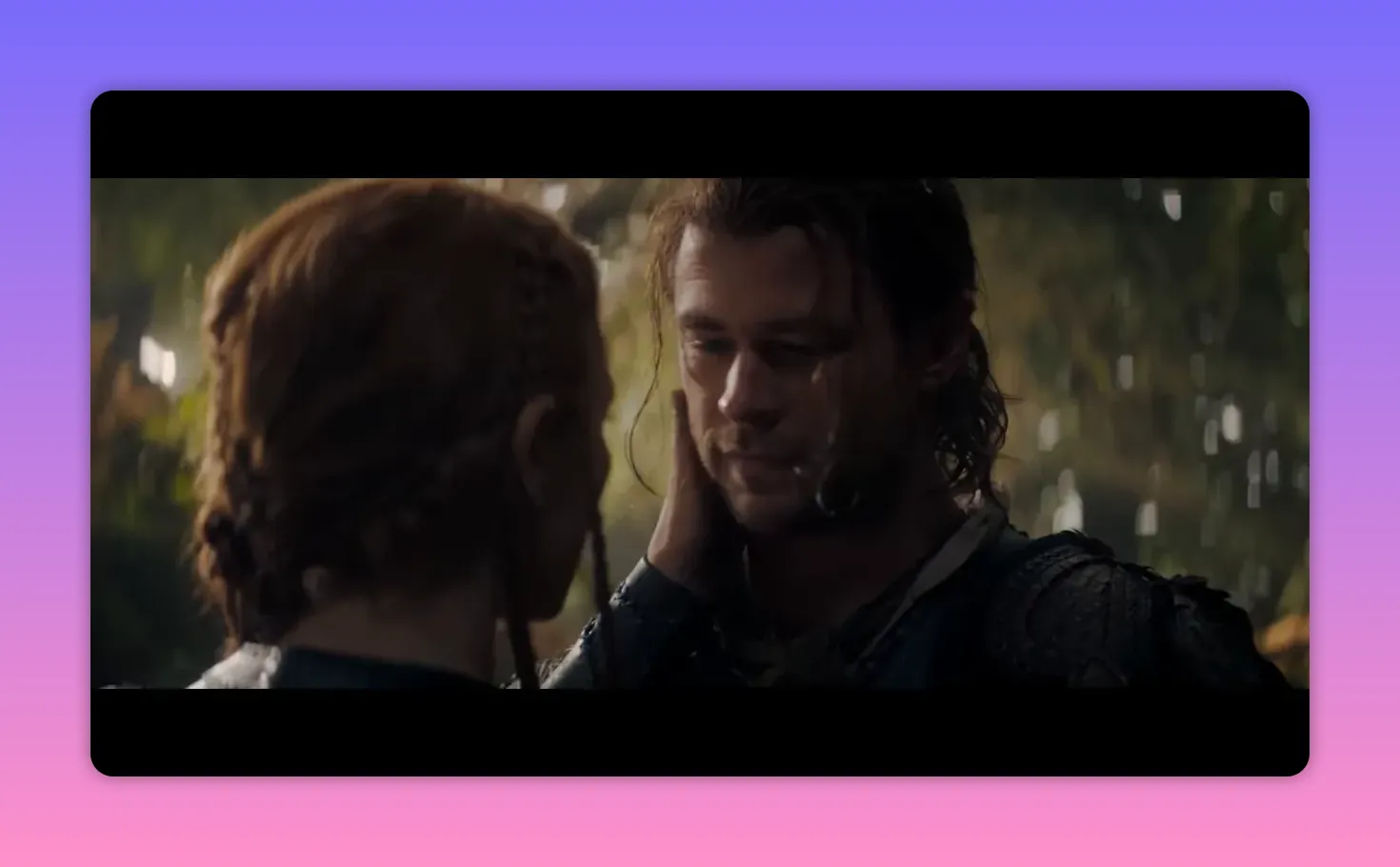
Environmental hazards as antagonists
Obstacles in the setting are not mere background; they are active threats. A wet bridge becomes a character in its own right, demanding attention and dictating cinematic choices. When characters shout practical directions—”Watch your feet. Move to the side.”—the audience experiences the terrain as an immediate tactical concern.
- Slippery surfaces force slow, cautious movements that conflict with the need for speed, creating dramatic friction.
- Wobbly bridge compresses space and makes every action riskier, turning routine maneuvers into edge-of-seat moments.
- Reflective surfaces like mirrors distort perception, complicate aim lines, and even trigger a supernatural threat—one more layer that characters must navigate.
Humor as a pressure valve
Even in the direst moments, small lines of humor diffuse tension and humanize characters. A terse “It’s obviously wobbly. Will you just shut up?” functions as both a punchline and a stress test. Humor keeps characters from becoming stoic archetypes; it makes them people with edges that can irritate or amuse one another even when blood is on the ground.
These tonal shifts are delicate; mishandling them would undercut stakes. Here, humor is quick, earned, and short—never allowed to dissipate the urgency of the situation.
Performance choices that sell danger

Actors sell physical danger through micro-actions: a sudden intake of breath, an involuntary flinch, or the grimace when someone burdens themselves with a heavy load. Performance is busiest when it is quiet. The scene permits moments without dialogue where expression, posture, and timing communicate far more than words.
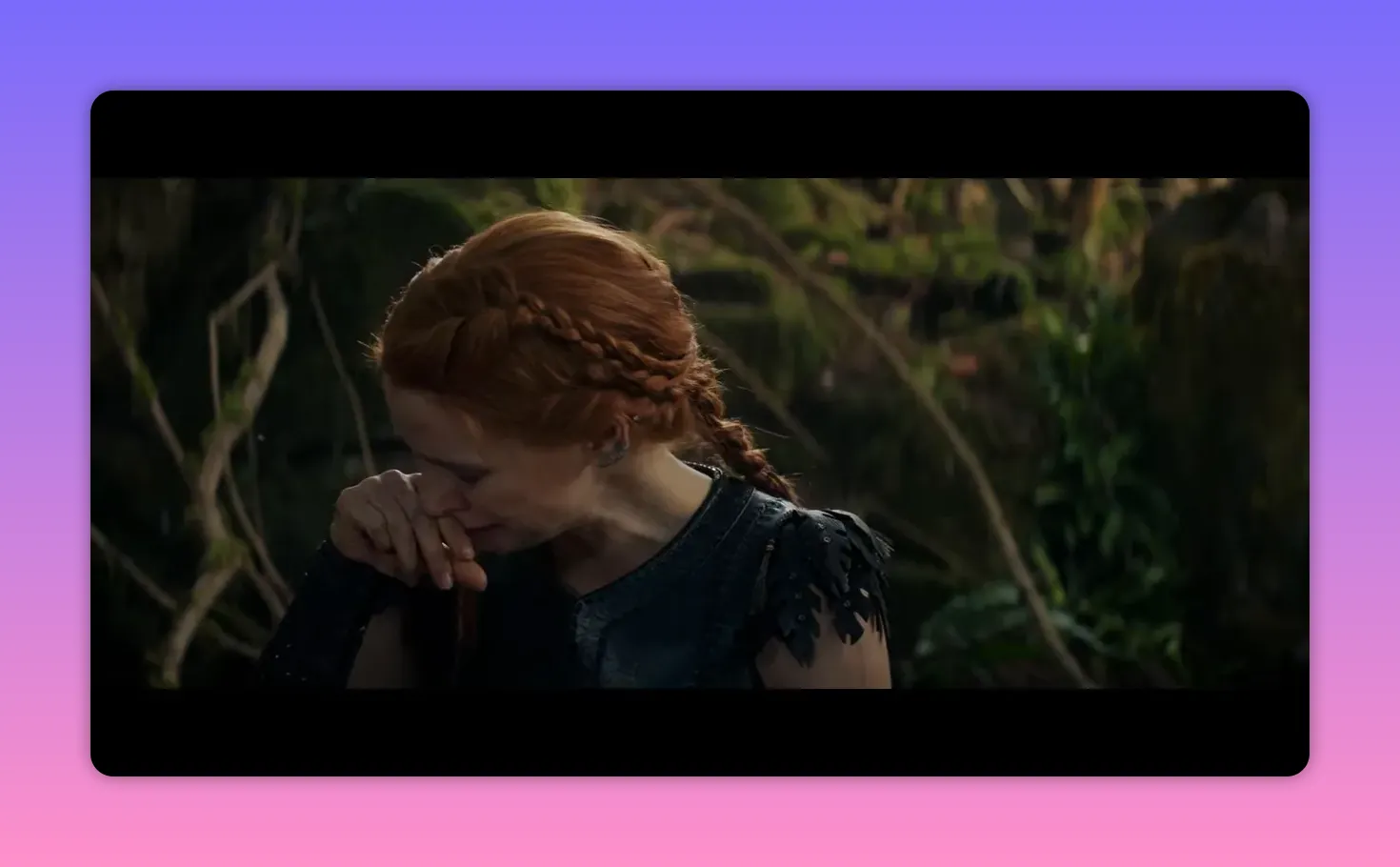
A good example is the closing beat: survival brings relief and the tiniest release of guard—a whispered recognition that they were saved. This quiet aftermath is crucial. It allows the audience to feel the cost of combat and the fragility of life in a world where danger is constant.
Symbolic readings and thematic resonance
Beyond story mechanics, the ambush echoes larger themes present throughout the broader narrative. Foremost among them are the costs of war and the corrosive nature of power. The goblins function as a war-scarred byproduct—greedy, predatory creatures who survive by attacking the vulnerable. The protagonists’ insistence on hiding a dangerous object suggests that some powers are too dangerous to reveal, hinting at a moral code that values restraint.
There is also an undercurrent about identity. The covered object, the talismans, and the line “I’ve never taken it off” signal that anonymity and ornamentation conceal trauma and truth. The forest ambush is therefore not just external conflict; it mirrors inner struggle. The mirror, literal and symbolic, asks what happens when one is forced to confront a shattered self under pressure.
Lessons for filmmakers and storytellers
There are practical takeaways embedded in this sequence that can inform how to craft action scenes that feel meaningful rather than gratuitous.
- Make props matter — Small objects can carry outsized narrative weight if introduced carefully and given rules. An item that must not be looked at instantly generates curiosity and stakes.
- Use the environment as character — Let terrain and setting influence tactics, camera work, and emotion. When the environment has its own agency, scenes become organically complex.
- Balance clarity and chaos — Keep edits and camera moves visceral but readable. The audience should feel overwhelmed without being lost.
- Let silence speak — Moments after peaks are as important as the peaks themselves. Use quiet to show consequence and to deepen character connection.
- Mix textures of effects — Combining practical effects and subtle digital enhancement grounds the fantasy and keeps reactions authentic.
- Preserve human moments — Small gestures and sarcastic asides give characters depth and prevent action from becoming an abstract spectacle.
How this ambush fits the larger story
This ambush is a microcosm of the film’s larger dynamics: power struggles, the cost of revenge, and the fragile bonds that hold people together when everything else is collapsing. It reaffirms who these characters are—their strengths, vulnerabilities, and moral codes—without resorting to exposition. By inserting a scene that is both self-contained and narratively productive, the filmmakers manage to move plot and character forward in a compact, exciting way.
Technical checklist for staging similar scenes
If you are planning to write or shoot a short ambush sequence with the right emotional and narrative punch, consider this checklist as a practical guide.
- Introduce a meaningful object early — Make sure the audience understands its value and rules (what can or cannot be done with it).
- Design the environment to create tactical dilemmas — Obstacles that enforce choices make choreography meaningful.
- Plan actor interactions carefully — Rehearse tactile contact so reactions look real and grounded.
- Choose a coherent camera plan — Map where the camera will go during each beat so coverage remains oriented and dynamic.
- Layer sound design during editing — Build creature sounds, environment noise, and music in tandem with picture edits for maximum impact.
- Leave space for aftermath — Allow emotional beats after the fight to land; avoid cutting away immediately.
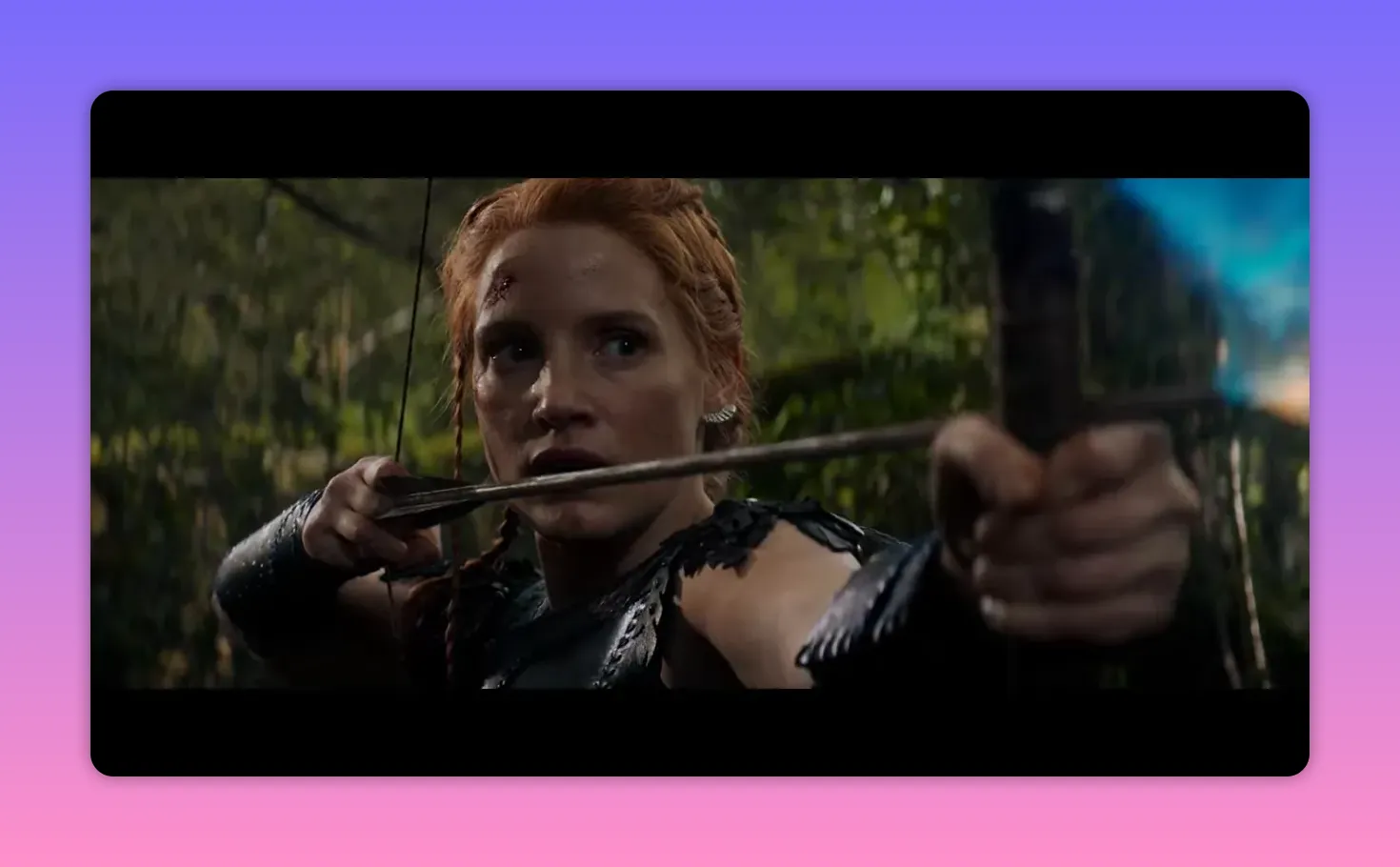
Visualizing the choreography: a beat-by-beat recreation
Below is a choreographic, beat-by-beat breakdown that shows how each action relates to story and character. This is not a literal shot list but a conceptual map that any director can adapt.
- Opening calm — Establish tools; show one character clutching a covered item. Close-ups on hands and faces build intimacy.
- First strike — Goblins attack from low angles and undergrowth. Close, quick cuts establish speed.
- Forced retreat — Characters are funneled toward narrow ground (bridge), creating tension and risk of falling.
- Compromised visibility — Reflections and water play tricks; characters shout directions to compensate for poor sightlines.
- Climax — A hero takes a risky shot or move to save the other, leveraging both skill and sacrifice.
- Denouement — The threat is neutralized, but the emotional cost is clear in dragging steps and a whispered exchange.
Performances to watch

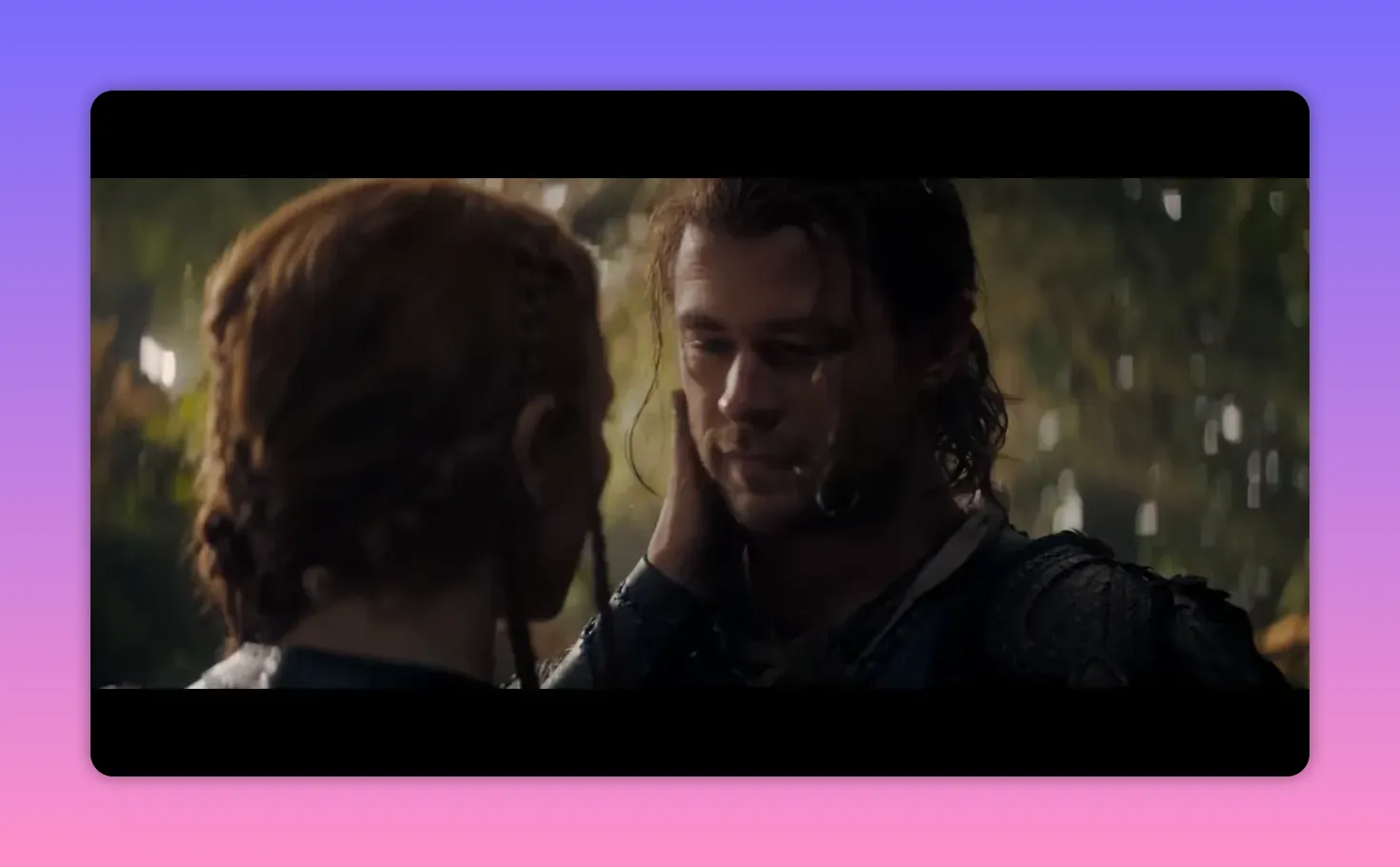
Casting matters in sequences like this. Actors who can sell both physicality and subtle emotional change elevate the anonymous danger into a human struggle. Watch for micro-reactions: a glance that reveals vulnerability, a sudden protective motion that indicates attachment, or a weary sigh that speaks volumes about past battles.
Common pitfalls and how to avoid them
Action sequences can easily fall into clichés or confusion. Here are common mistakes and practical fixes.
- Pitfall: too many camera tricks — Overuse of shaky cam can obscure geography. Fix: alternate handheld with steady coverage to maintain orientation.
- Pitfall: let props be meaningless — Introducing objects without rules makes them forgettable. Fix: attach a rule or cost to any important object.
- Pitfall: neglecting sound — Poor sound design collapses tension. Fix: plan creature and environment sounds in preproduction, then refine during editing.
- Pitfall: no emotional stakes — Combat that lacks personal stakes feels empty. Fix: ground action in personal relationships or moral choices.
Why small details win big
Some of the most memorable aspects of the ambush are minor: a flint and steel, a quick snort from a goblin, a curt line meant to redirect attention. These details create texture and realism. In large-scale narratives, such texture is crucial because it gives viewers a foothold in the world. It makes fantasy tactile, believable, and emotionally resonant.
Final takeaways
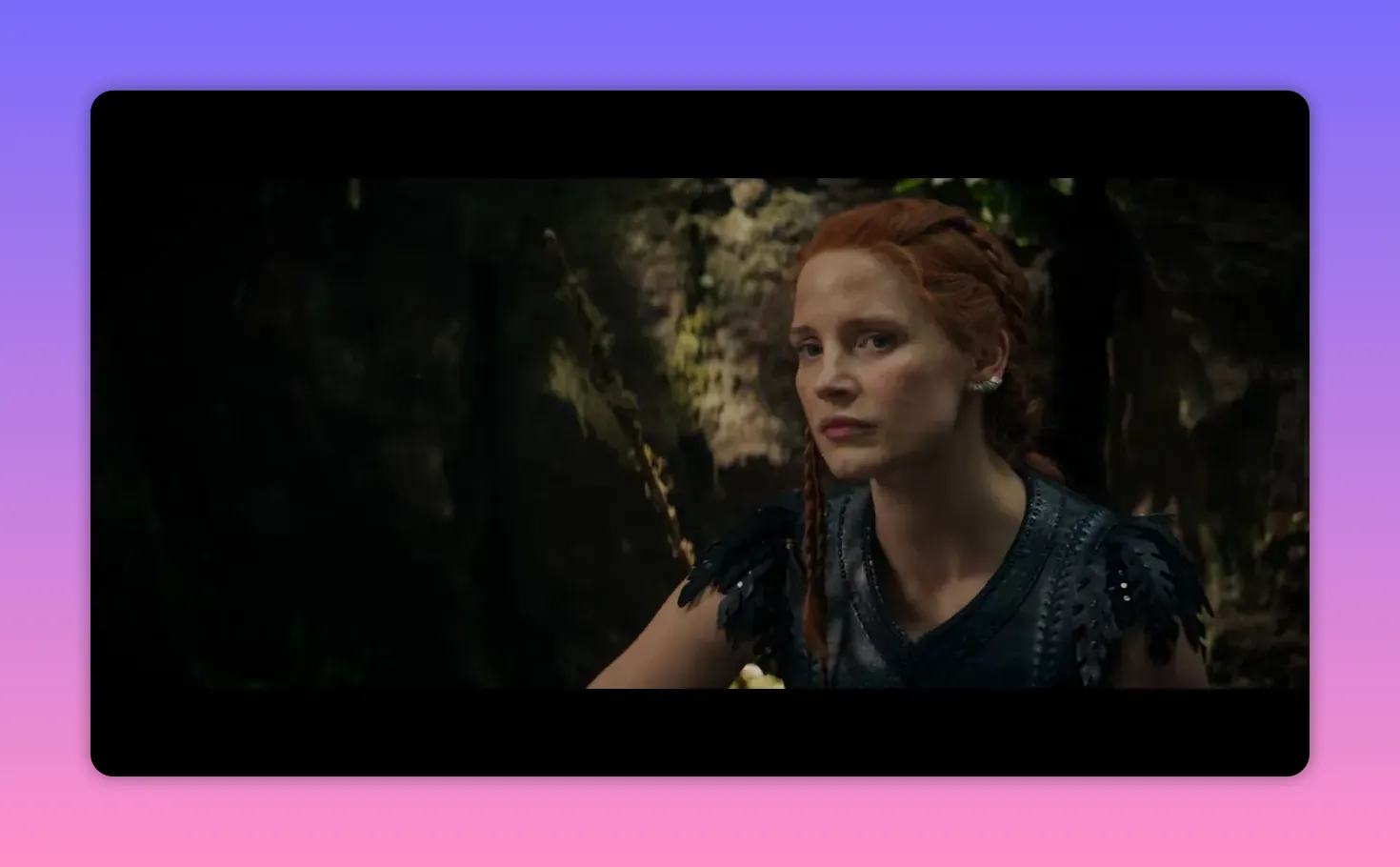
The Goblin Forest ambush succeeds because it is economical in service of emotion. It compresses a lot of information—character, worldbuilding, stakes, and tone—into a tight dramatic arc. It respects the audience’s intelligence by showing rather than telling, and it leverages physicality, sound, and practical effects to make danger feel immediate and consequential.
For storytellers, the sequence is a lesson in the power of constraint. By focusing on a few meaningful props, a hostile environment, and the dynamic between two people, a short scene becomes unforgettable. For filmmakers, it is proof that careful choreography, sound, and practical detail can elevate spectacle into storytelling.
What is the narrative purpose of the ambush?
The ambush functions as both a plot device and a character test. It moves the story forward by forcing the protagonists into action, revealing their priorities, and exposing how they operate under pressure. It also introduces or reinforces key items and rules that have broader implications for the storyline.
Why is the covered object important?
The covered object serves as a MacGuffin with layered meaning. Practically, it gives characters something to protect and makes the scene’s stakes tangible. Symbolically, it hints at forbidden knowledge, trauma, or power that should remain concealed, adding thematic depth beyond immediate conflict.
How does the environment enhance tension?
Environmental hazards like slippery bridges, reflective surfaces, and dense foliage create tactical complications that elevate the danger. The setting forces difficult choices, slows movement, and obstructs vision, turning routine survival tactics into dramatic decisions and heightening suspense.
What role does practical effects play in this sequence?
Practical effects lend a tactile realism that makes physical interactions feel authentic. Prosthetics, textured costumes, and reactive props allow actors to perform convincingly in close contact with creatures, producing genuine reactions and an immersive scene that pure CGI often struggles to replicate.
How should sound be used in a forest ambush sequence?
Sound should layer creature vocalizations, environmental cues, and diegetic effects to build a believable atmosphere. Music should accentuate rather than overpower, and key sound cues should be synchronized with edits to make action feel immediate and grounded.
What are practical tips for crafting similar action scenes?
Introduce meaningful props early with clear rules, design the environment to force interesting choices, rehearse physical interactions carefully, plan camera coverage to balance chaos and clarity, layer sound concurrently with visual edits, and include quiet aftermath beats to let consequences land emotionally.


