

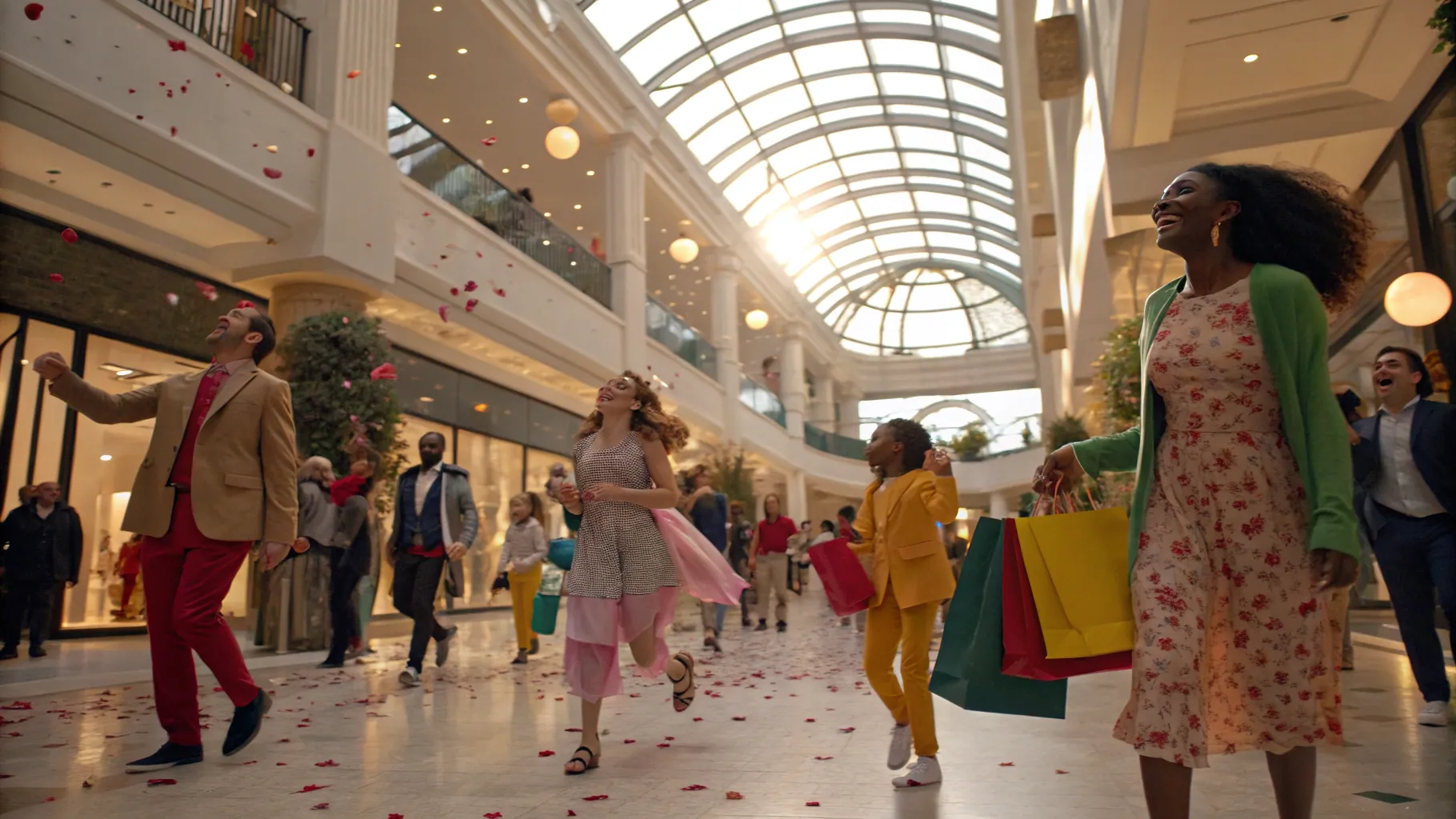
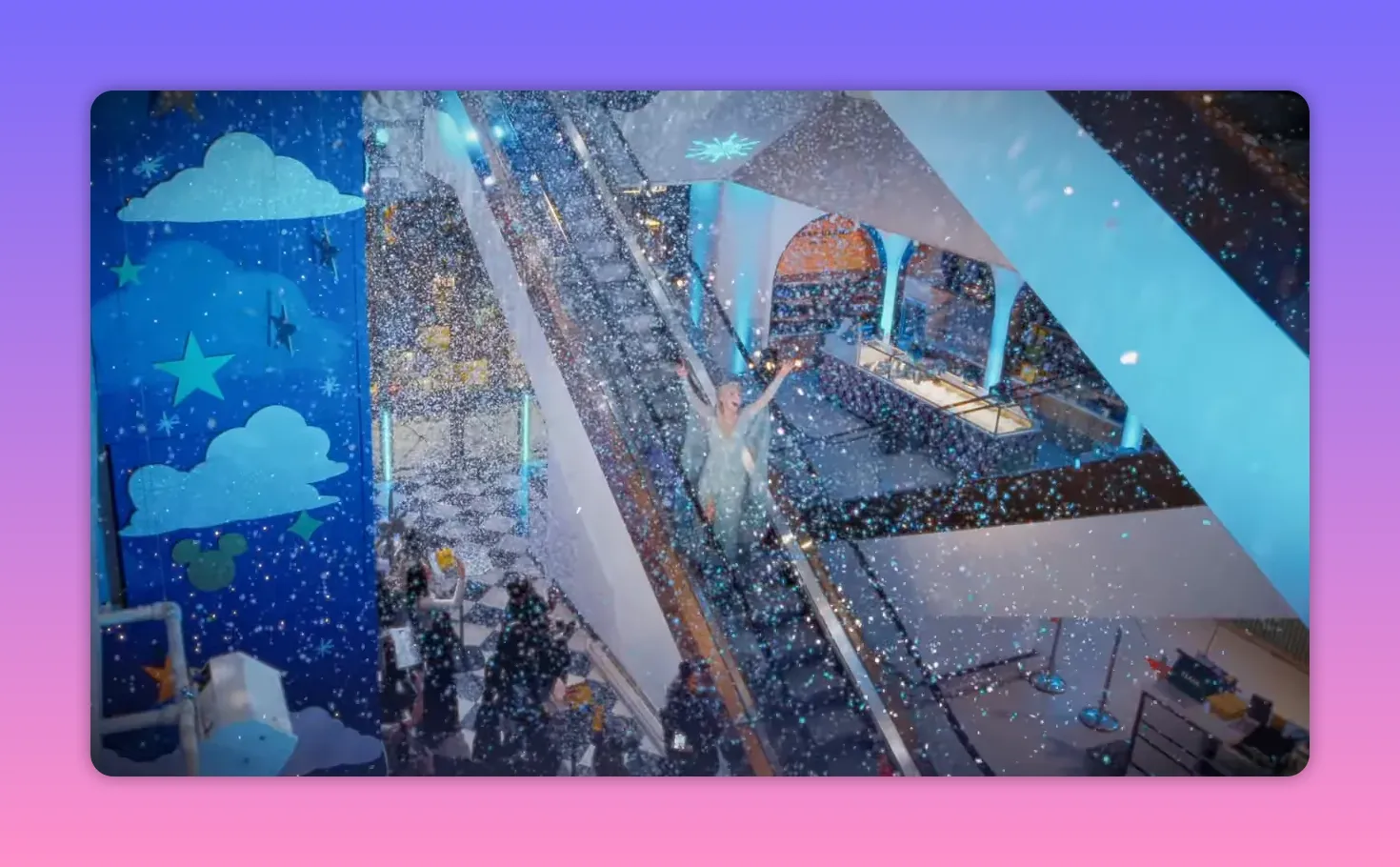
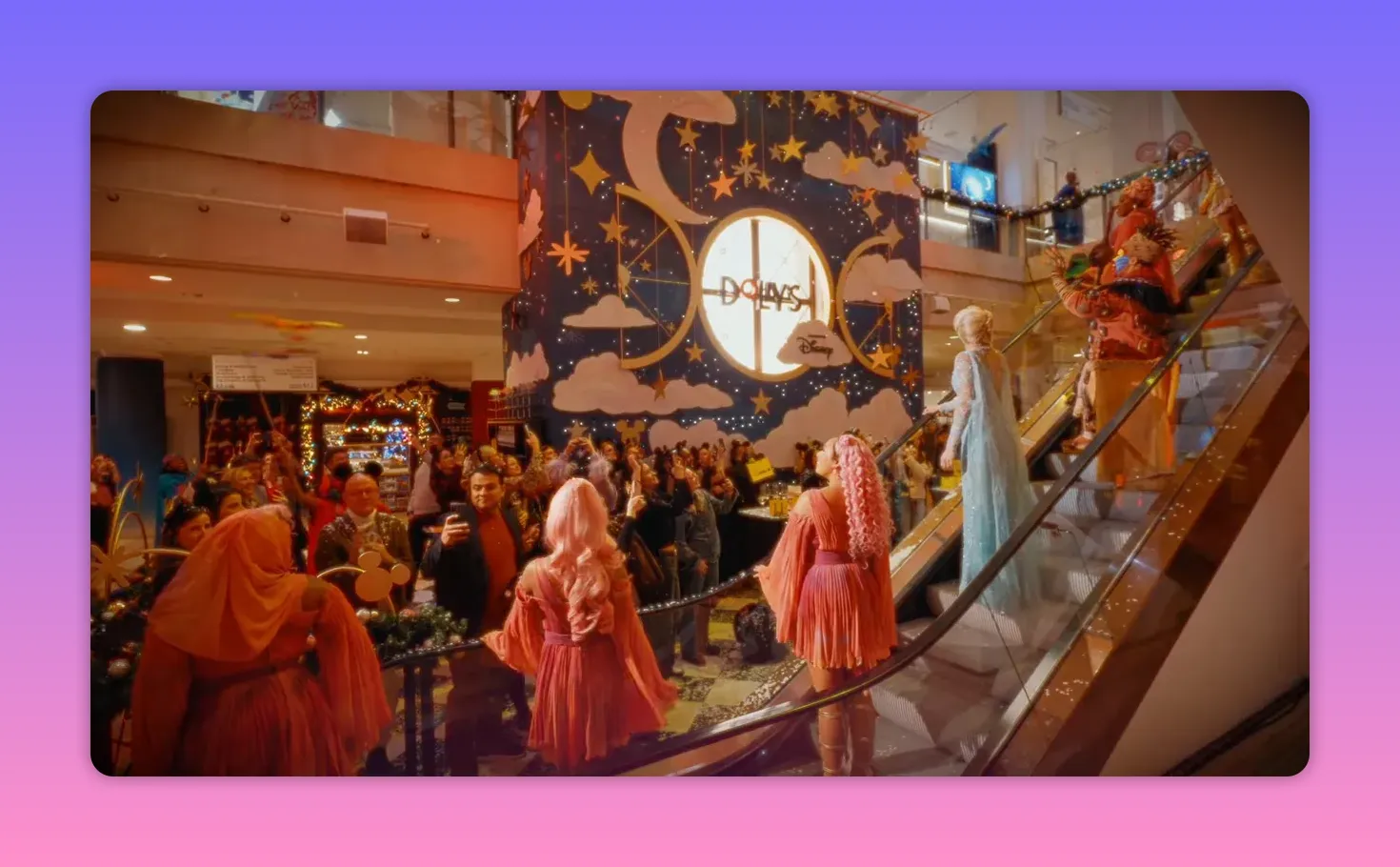
There are few things as instantly uplifting as a burst of live music in a place you least expect it. Picture a busy department store, shoppers carrying bags and running errands, when suddenly the floor becomes a stage and Broadway-level voices fill the air. That is exactly what happened when Disney Theatrical Group transformed a Selfridges shopping trip into a theatrical moment full of show-stopping songs, big characters, and enthusiastic applause.
The surprise that stole the day
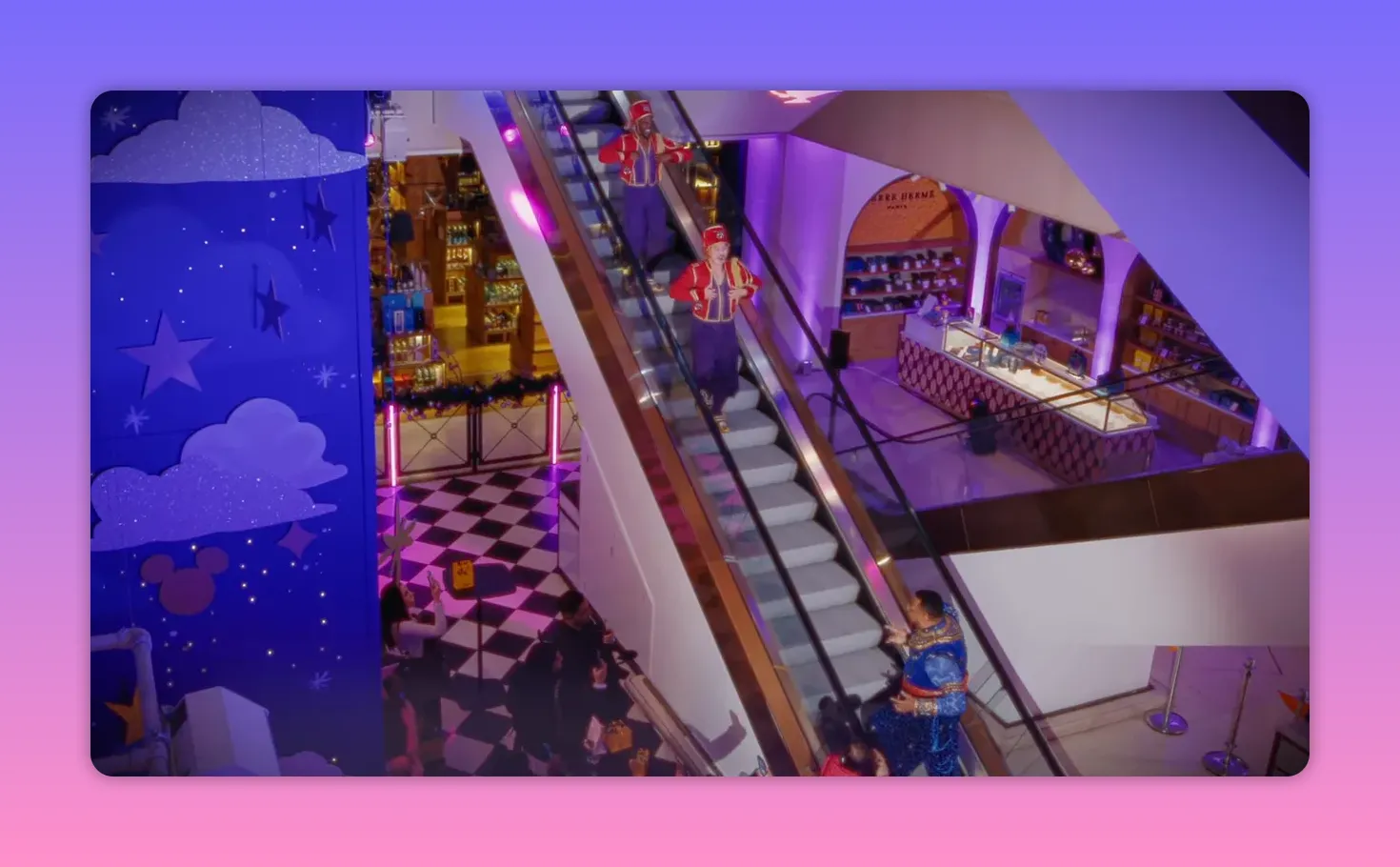
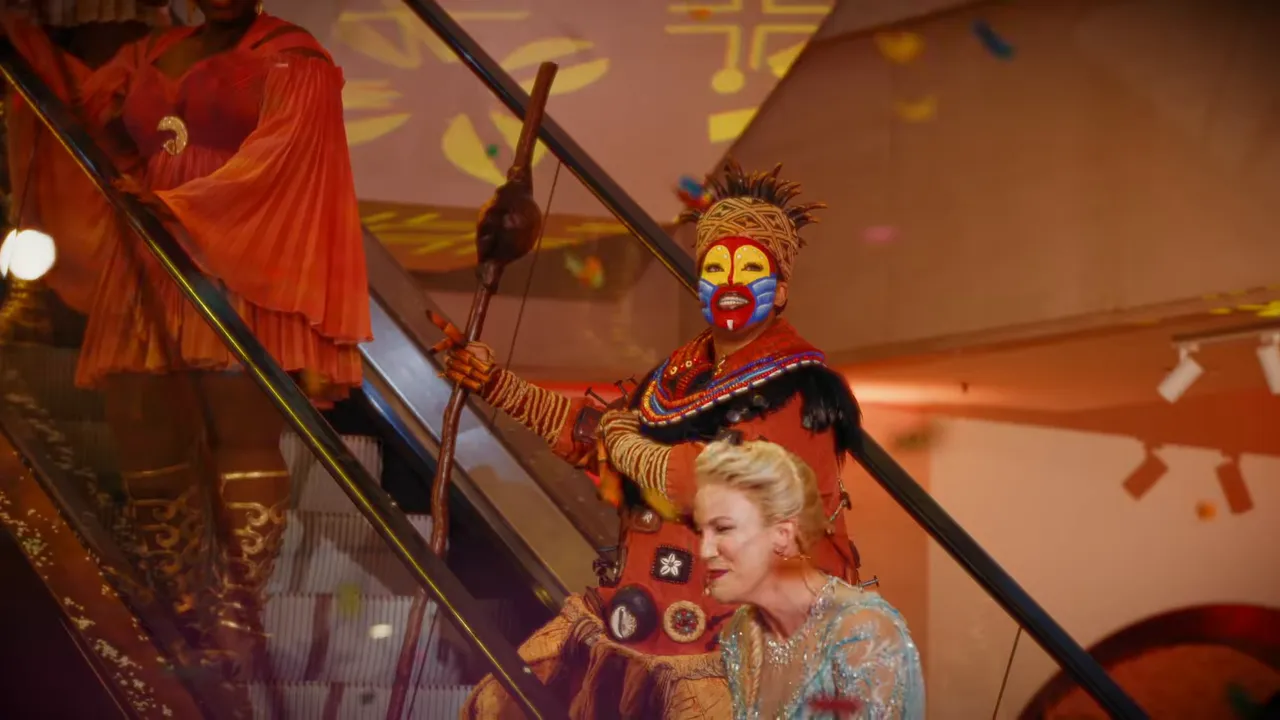
This was not a staged flash mob in the classic sense. It felt like pure theatre magic landing in the middle of a retail environment: bold, polished, and utterly joyful. The performers moved through familiar Disney musical moments, serving up lines and choruses that reached across generations. At one moment a larger-than-life character belts out, “You ain’t never had a friend like me,” and a few seconds later another voice soars with “I will go almost anywhere to find where I belong.”
What made the moment work was the collision between everyday life and theatrical spectacle. People who had come to buy gifts suddenly found themselves part of a story. That tension—between routine and surprise—is the same narrative device theater has used for centuries. When it happens in a public place, the effect is immediate and communal: strangers smile, crowd forms, phones come out, applause erupts, and for several minutes the mundane becomes memorable.
What was performed
The setlist was a vibrant medley of unmistakable Disney songs, chosen to showcase range, character, and emotional payoff. Classic showmanship and contemporary energy alternated so the audience experienced a full theatrical arc: comedy, bravado, longing, triumph, and finally catharsis.
- Comic showpiece: A high-energy opener that shouted personality and showmanship—speech patterns, comedic timing, and a wink to anyone who remembers the original performance.
- Heroic ballad: A soaring solo about perseverance and finding home, the kind of song that makes you stand a little taller and feel like anything is possible.
- Anthemic chorus: A moment for the crowd to sing along, an earworm that lives in the memory and invites participation.
- Signature finale: A triumphant, recognizable closing number that let the performers stretch their voices and the audience join in full-throated applause.
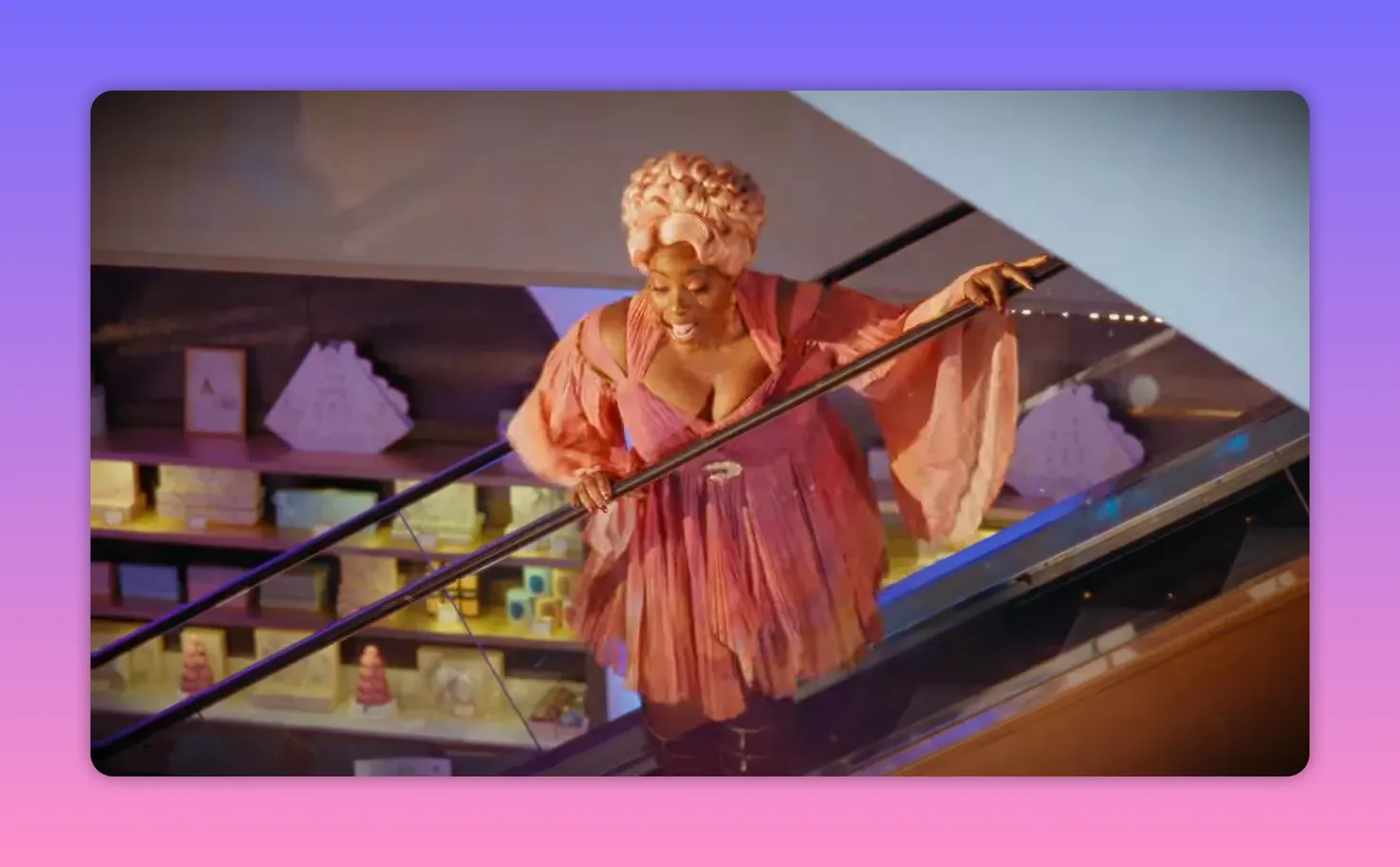
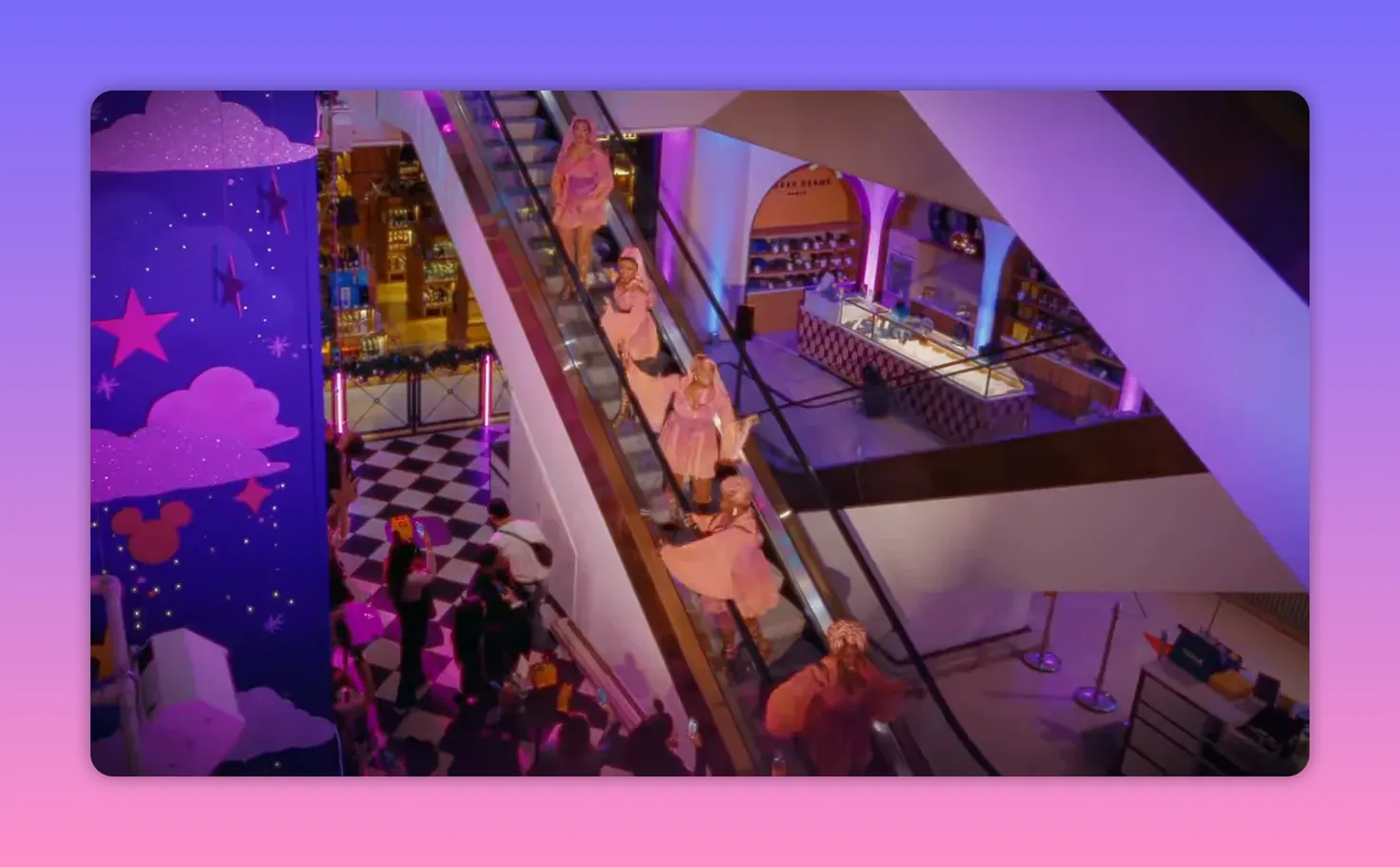
Each song was more than a tune. They acted as short theatrical scenes, complete with character choices, choreography adapted to a retail floor, and a sensitivity to the audience that made the experience feel intimate, even amid a crowd.
Why it worked: the science of surprise and musical storytelling
Pop-up performances succeed because they borrow two powerful forces from psychology and theater: novelty and narrative. Novelty captures attention instantly. A sudden, unexpected stimulus—a full-bodied singing voice or a character in costume—breaks the pattern of daily life and compels the brain to pay attention.

Narrative does the rest. Humans are wired for stories. Songs that contain a clear emotional arc or a thematic message invite people to respond. When those songs are familiar, the brain experiences a rapid, pleasurable recognition called processing fluency. Put these together and you get a memorable public moment that lingers long after people walk away.
Design choices behind an effective public performance
Adapting theatrical work to a public space requires careful decisions. The performance at Selfridges demonstrated several best practices worth noting for anyone thinking about staging theatre outside traditional venues.
- Know your acoustics: Department stores are acoustically challenging spaces. Performers relied on vocal projection and measured dynamics to ensure clarity without needing a full PA setup.
- Choose crowd-friendly numbers: Songs with strong hooks or emotional peaks invite quick connection. A comedic, fast-paced number opens the moment; a big, soaring number secures the emotional payoff.
- Maintain pacing: Short, dramatic bursts keep attention. The entire sequence functioned like a condensed musical: clear beginning, development, and finale.
- Use character and costume: Visual cues signal theatricality immediately. Costumes and confident breath control told the audience this was a performance, not an impromptu karaoke session.
- Read the room: A good performer senses the crowd’s energy and adjusts. When shoppers leaned in, the cast allowed space for applause; when the crowd was tentative, they invited participation.
How brands and cultural institutions benefit from pop-up theatre
Retail spaces are increasingly experiential. Traditional advertising still matters, but live activations create emotional touchpoints that shape brand perception in a visceral way. A pop-up theatrical performance offers benefits across marketing, community engagement, and social reach.
- Brand affinity: When people feel something—joy, surprise, nostalgia—they form a stronger emotional attachment to the brand associated with that feeling.
- Earned media: Moments like this are naturally sharable. Shoppers post clips, news outlets pick up the story, and the brand gets organic reach that far exceeds a paid campaign of similar cost.
- Accessibility: Not everyone can visit a theatre. Bringing the show to the public makes culture accessible and invites new patrons into the theatrical fold.
- Sales uplift: Beyond the soft metrics, experiential activations can drive foot traffic and increase dwell time, which often translates to higher conversion rates for retailers.
Lessons for staging your own pop-up performance
If the idea of turning a public space into a stage appeals, here are practical steps to consider. They draw on what worked in the Selfridges activation and general good practices for live events in public spaces.
- Plan logistics thoroughly: Secure permissions from property managers, city officials, or the relevant owners. Ensure you understand safety requirements and crowd control needs.
- Design a focused program: Keep the performance short and clear. A compact arc of 8 to 12 minutes can deliver impact without exhausting the audience or interrupting normal activity.
- Rehearse transitions: Public performances cannot rely on a full stage crew. Choreograph entrances and exits to minimize obstruction and to keep the flow smooth.
- Train performers for the environment: Singing without full mics, interacting with strangers, and adapting to the acoustics of a mall or department store are skills that need rehearsal.
- Encourage audience participation: A simple sung call-and-response or a clear invitation to clap turns passive observers into active participants, intensifying emotional connection.
- Capture the moment: Have a plan for photography and short clips. Authentic, professionally framed images and vertical short-form videos help the activation live beyond the performance in social feeds.
- Measure impact: Track social mentions, footfall change in the store, and any sales data available. Measure both reach and sentiment to understand return on experience.
Creative choices that amplify emotional response
Beyond logistics, the artistic decisions define whether the performance becomes a viral moment or a forgettable stunt. The Selfridges surprise demonstrated several small but powerful choices that amplify emotion.
- Contrast: Start with a comedic, lighthearted number to lower defenses, then move into an earnest, soaring ballad. Contrast magnifies the subsequent emotional lift.
- Use archetypal songs: Certain songs carry cultural weight. Choosing anthems that symbolize heroism, belonging, or self-realization taps into collective memory.
- Build to a unifying chorus: The final section of the performance brought people together in song or clapping. This shared activity turns an audience into a community for the duration of the piece.
- Allow for improvisation: While choreography is important, leaving moments for performers to react to the crowd makes the event feel authentic and alive.
The combination of structure and spontaneity is what makes pop-up theatre especially potent. It is choreographed enough to be safe and impressive, and flexible enough to feel intimate and immediate.
Stories within the songs
Each song in the medley carried its own little story. A comic declaration of bravado invited laughter and participation. A yearning ballad opened up a private, introspective moment in a public space. A triumphant chorus gave everyone permission to celebrate together.
These micro-narratives are crucial. They allow the audience to feel multiple emotions in a short time, which is often more satisfying than a single, prolonged feeling. In this way, the performance delivered a miniature musical that still honored the original theatrical intent of the songs.
The ripple effect: how a few minutes can create lasting memories

Moments like this do more than entertain. They become part of the collective memory of the place. Years later someone might recall, I was at Selfridges when those performers burst into song. That kind of memory is priceless for both the people who experienced it and the brand that created it.
From a cultural standpoint, these activations can broaden the audience for theatre. A passerby who had never seen a live musical might walk away humming a melody and curious enough to attend a full production. That funnels new audiences to the arts and strengthens the cultural ecosystem.
Practical considerations for future activations
Successful pop-up theatre requires careful attention to safety, legality, and neighborly relations. A joyful moment can quickly sour if a performance blocks emergency exits or violates local ordinances. Always plan with these practicalities in mind:
- Permits: Confirm whether the venue requires permissions or insurance for live performances.
- Safety: Maintain clear pathways for foot traffic and emergency egress. Staff or ushers can help direct crowds if needed.
- Noise: Be mindful of sound bleed into other parts of the building. Short, well-timed performances respect both the audience and the surrounding businesses.
- Clean-up: Plan for post-event logistics, from removing props to restoring the space to its prior condition.
- Accessibility: Consider how the performance can include people with mobility limitations or those who may not be in the immediate crowd but still wish to experience the moment.
How this inspires new creative partnerships
Retailers, cultural institutions, and performance groups can all learn from this model. There are obvious partnership opportunities:
- Seasonal tie-ins: Holiday activations can create atmosphere and drive traffic during peak retail periods.
- Product launches: A theatrical moment can highlight a new product or collection in an unforgettable way.
- Community outreach: Performers from local theatre programs can be invited to participate, creating social impact and building goodwill.
- Cross-promotion: When brands and theatres collaborate, they share audiences and marketing resources for mutual benefit.
The lesson is simple: when storytelling meets strategic partnerships, both the brand and the arts community can gain exposure and deepen cultural relevance.
Takeaways: what to remember from a surprise musical moment
Some experiences read like a brief manifesto for why live performance matters in the public square:
- Surprise multiplies joy. Unexpected performances interrupt routine and offer an emotional uplift that people remember.
- Story connects. Even a short sequence of songs tells a story if it has shape and intention.
- Design for participation. The more a performance invites engagement, the stronger its cultural and commercial impact.
- Small scale, big effect. You do not need an arena. A few confident performers and the right moments are enough to transform a place.
Final reflections
There is a reason theatre endures: it brings people together, it makes emotions visible, and it does so through sound, movement, and story. When theatrical craft is transplanted into everyday environments, it creates a bridge between art and life. That bridge is both a marketing tool and a civic good. It gives people a chance to stand in the middle of their ordinary day and, for a moment, be part of something larger.
Whether you are an artist looking for new stages, a brand dreaming of unforgettable activations, or simply someone who loves a good sing-along in an unexpected place, this model shows what thoughtful, well-executed pop-up theatre can do. It delights, it converts, and most importantly, it gives people a memory that sticks.
Frequently asked questions
What happened during the Selfridges musical surprise?
A troupe of performers from a theatrical company staged a surprise musical performance inside the department store, performing a medley of well-known Disney songs that ranged from comedic showpieces to soaring ballads, engaging shoppers and creating a communal moment of applause and cheering.
Which songs were included in the medley?
The medley included signature numbers that ranged from upbeat, comic anthems to emotional, heroic ballads and a powerful closing chorus. Specific lines heard included “You ain’t never had a friend like me” and a soaring line about going “almost anywhere to find where I belong,” as well as a climactic refrain commonly associated with self-empowerment and release.
Why did the performance work so well in a retail environment?
It combined surprise with familiar stories and songs, used strong vocal and visual cues to signal theatricality, and kept the program compact and inviting. The performance was designed to capture attention quickly and provide a satisfying emotional arc that could be enjoyed within a short time frame.
Can pop-up theatre increase foot traffic or sales for a store?
Yes. Pop-up performances create memorable experiences that increase dwell time and can drive foot traffic. They also generate organic social media attention and can positively shift brand perception, all of which contribute to better commercial outcomes when aligned with a marketing strategy.
What should organizers consider before staging a public performance like this?
Organizers should secure necessary permissions and permits, plan for safety and crowd control, respect noise and neighboring businesses, ensure accessibility, rehearse thoroughly to adapt to the space, and have a plan to capture and amplify the content for post-event marketing.


